When a Patient Needs ICU Care: Signs That Require Immediate Attention
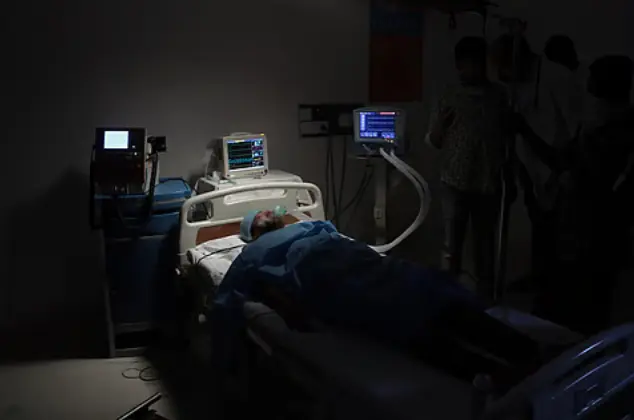
Patients who need more attention and require a higher level of medical care and additional medical procedures are referred to as ICU patients. Knowledge of when to call in the ICU is a life-saving factor. The majority of the life-threatening diseases are characterised by a rapid progression course, and early diagnosis guarantees early intervention. This Blog clarifies in what cases a patient has to receive ICU treatment, what to consider as risk factors, and what illnesses are prone to receiving intensive treatment the most frequently. What Is ICU Care? Intensive Care Unit is a unit that offers 24/7 services with special equipment and experts in the critical care unit. They should be provided with ICU care when their vital organs, like the brain, heart, lungs and kidneys, are in danger of failure. Patients in the ICU may require: Mechanical ventilation Continuous heart monitoring Emergency medications Organ support systems Post-surgical critical observation Common Conditions That Require ICU Admission A number of medical crises need urgent ICU attention: Critical infections and sepsis. Myocardial infarction or heart attack. Stroke Major trauma or accidents Severe pneumonia Organ failure Post-operative complications in major surgery. The following are the key indicators of a patient who could require ICU care. 1. Severe Breathing Difficulty Breathing problems are one of the most urgent reasons for ICU admission. Warning signs include: Rapid or very slow breathing Gasping for air Bluish lips or fingertips Severe chest tightness Oxygen levels dropping Conditions such as Acute respiratory distress syndrome and severe pneumonia can cause respiratory failure. Mechanical ventilation may be required to support breathing. 2. Sudden Chest Pain or Cardiac Symptoms Cardiac symptoms and sudden chest pain Serious heart conditions require immediate admission to an intensive care unit. Look for: Severe chest pain radiating to the arm or jaw Abnormal heartbeats Loss of consciousness Collapse Sweating and loss of consciousness. A myocardial infarction or a heart attack is an event that needs immediate intervention as well as immediate monitoring. Some patients have suffered a cardiac arrest and require monitoring in the ICU. 3. Uncontrolled High Fever with Infection Seeing a high fever and a rapid heart rate, along with confusion and/or low blood pressure, may indicate sepsis. Untreated, sepsis is a rapidly progressing, life-threatening response to infection that can result in the failure of multiple organs. Symptoms requiring ICU admission: Very high or very low body temperature Confusion or disorientation Rapid breathing Low blood pressure Reduced urine output Early ICU management improves survival rates significantly. 4. Sudden Neurological Changes Brain-related emergencies often require intensive monitoring. Seek immediate care if a patient experiences: Sudden weakness on one side Slurred speech Seizures Loss of consciousness Severe, sudden headache Conditions such as Stroke and traumatic brain injury demand rapid ICU intervention to prevent permanent damage. 5. Severe Trauma or Accidents Patients involved in major road accidents, falls, or injuries often require ICU care. ICU admission is necessary when there is: Heavy bleeding Multiple fractures Head injury Internal organ damage Shock symptoms Continuous monitoring helps manage complications and stabilize vital signs. 6. Organ Failure When one or more organs stop functioning properly, ICU support becomes essential. Examples include: Kidney failure Liver failure Respiratory failure Heart failure Acute kidney injury may require dialysis and constant monitoring. Multi-organ dysfunction requires advanced life-support systems available only in an ICU setting. 7. Post-Surgical Complications Following significant procedures like cardiac surgeries, brain surgeries, or organ transplants, patients are typically placed in the Intensive Care Unit for monitoring. Post-operative signs to watch out for include: Rapid decrease in blood pressure Uncontrolled bleeding Breathing difficulties Severe pain unrelieved by analgesics Irregular heartbeats 8. Extremely Low or High Blood Pressure Blood pressure that is dangerously too high or too low can lead to damage to the organs. Urgent medical attention is required for: Sustained systolic blood pressure lower than 90 mmHg Very high blood pressure with accompanying symptoms Fainting Severe headaches with blurred vision These symptoms may indicate shock, a hypertensive crisis, or bleeding that is not visible. 9. Altered Mental Status Changes in mental awareness are serious warning signs. ICU care may be required if a patient shows: Sudden confusion Extreme drowsiness Agitation Inability to respond Coma Such symptoms may result from infection, brain injury, metabolic imbalance, or oxygen deprivation. Who Is at Higher Risk of Needing ICU Care? Certain individuals are more vulnerable to critical illness: Elderly patients People with diabetes Heart disease patients Individuals with chronic lung disease Cancer patients Immunocompromised individuals Regular health monitoring reduces emergency risks. When to Seek Immediate Emergency Care Get help from emergency services without delay if the patient has: Severe trouble breathing Chest pain that lasts more than a few minutes Sudden weakness of one side of the body or a sudden inability to speak clearly Unconsciousness Continuous unresponsiveness Profuse Blood Loss It is life-threatening if treatment is delayed. Why Early ICU Admission Saves Lives Timely ICU admission allows: Careful tracking of vital signals. More prompt intervention if there is evidence that the patient is getting worse. Life-support treatments that are more sophisticated are available,. Loss of Organ functions is prevented. Strongly positive results are achieved through early intervention in critical care Conclusion It is important for the family and other persons responsible for the care of the Patient to be aware of the indicators that suggest the patient will soon need ICU treatment. Major warning signals include serious difficulties with breathing, problems with the heart, changes in the nervous system, uncontrollable infections and the deterioration of one or more organs. Immediate evaluation is critical if any are present.It is possible to save a life and avoid serious and prolonged complications by intervening early in the treatment process in a fully equipped Intensive Care Unit.
Common Kidney Problems: Early Warning Signs and Symptoms You Must Know
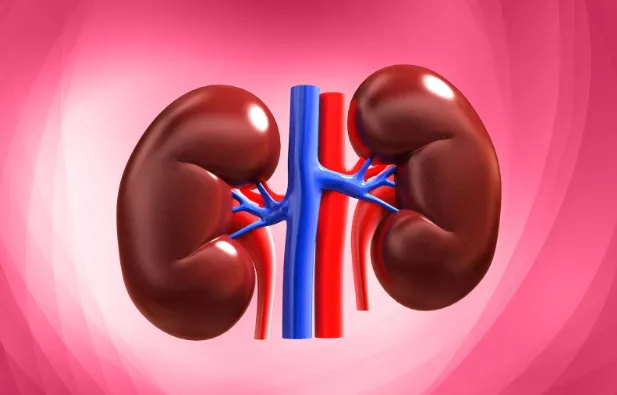
Your kidneys keep you healthy, and you owe it to them! Kidneys assist in fluid regulation, waste removal, blood pressure management,t and even the production of red blood cells. But routine Common Kidney Problemsare indeed insidious, and they are tempered in the early stages of the disease. You can catch kidney disease early enough to prevent kidney failure. For those who have a desire of best kidney treatment in chennai then your kidney function can be saved for the long term with correct diagnosis and proper treatment. What Are the Most Common Kidney Problems? Adults and children can also be affected by a number of diseases that affect the kidneys. The most prevalent diagnoses include the following: Chronic Kidney Disease (CKD) The chronic kidney disease is a gradual deterioration of kidney over some period of time. Diabetes and high blood pressure often cause it. The signs and symptoms of early chronic kidney disease include: Fatigue and weakness Swelling in feet and ankles Further urination especially during the night. Loss of appetite Itching that doesn’t go away High blood pressure They may not have any signs or symptoms of CKD in the early stages of the disease. Screening should then be conducted regularly for high-risk patients. Kidney Stones Kidney stone disease refers to the process of accumulating minerals and salts in the kidneys to produce hard deposits. A kidney stone has the following symptoms: Extreme lower back or side pain. Pain during urination. Hematuria Nausea and vomiting Frequent urge to urinate Small stones can be carried through natural passage. The larger ones however require medical help. Urinary Tract Infection (UTI) Urinary tract infection affects the urinary tract and may include the kidney without treatment. UTI symptoms include: Painful urination opaque urine or strongly smelling urine. Pelvic pain Fever and chills Prevention of kidney problems by early treatment. Kidney Infection Pyelonephritis is a life-threatening bacterial infection of the kidney or kidney infection. Here are some warning signs: High fever Intense backache Nausea and vomiting Weariness Blood in urine Early medical intervention is needed to avoid irreparable kidney damage. 5. Acute Kidney Injury (AKI) Acute kidney injury is a sudden decline in kidney function. It may occur due to dehydration, severe infection, or certain medications. Symptoms of AKI include: Reduced urine output Swelling in legs and face Shortness of breath Confusion Chest discomfort AKI is a medical emergency and requires urgent treatment. Early Warning Signs of Common Kidney Problems Recognizing kidney disease symptoms early can prevent kidney failure. Watch for: Changes in color or the number of times you urinate Foamy urine Swelling in the hands, feet, or face Ongoing fatigue Muscle pain Itchy, dry skin High blood pressure, you can’t explain If these signs do not go away, you should have your kidneys evaluated by a Kidney specialist in Chennai. Risk Factors for Common Kidney Problems You may be at higher risk if you have: Diabetes High blood pressure Heart disease History of kidney disease in the family Being overweight Chronic use of painkillers The habit of smoking High-risk individuals are advised to get regular check-ups for their health and kidney functioning. When to See a Kidney Specialist in Chennai Seek immediate medical attention if you experience: Blood in your urine Intense lower back pain Swelling that will not go away Sudden drop in the volume of your urine High fever and urinary symptoms Early diagnosis leads to better treatment outcomes and fewer complications. How to Protect Your Kidney Health Preventive care plays a major role in reducing kidney problems. Follow these kidney health tips: Drink adequate water daily Control blood sugar levels Maintain healthy blood pressure Reduce salt intake Avoid self-medication Exercise regularly Quit smoking Routine blood and urine tests help detect kidney disease in its early stages. Expert Kidney Care in Chennai In case of symptoms of kidney disease, a qualified nephrologist should be consulted at Meridian Hospital in Chennai. High-quality diagnostic services and prevention of early failure can be used to save the kidney performance and enhance the quality of life. Most frequent kidney diseases start unnoticed. Nevertheless, being aware of the first signs of kidney issues enables one to be diagnosed and treated in time. Both chronic kidney disease and kidney stones, as well as UTI and acute kidney injury, have a great number of severe complications that can be avoided when medical treatment is provided at an early stage. In case you observe chronic symptoms, consider seeking the services of a kidney specialist in Chennai to get professional help and treatment. FAQ What are the initial symptoms of kidney disorders? Some of the early signs are fatigue, swelling, changes in urination, and high blood pressure. Can kidney disease be cured? Kidney disease is a condition that can be treated at an early stage. Stages of high stages need special treatment. Who is supposed to receive tests regarding kidney function? Regular screening should be done for people with diabetes, increased blood pressure, or kidney disease in their family history.
Digestive Problems You Shouldn’t Ignore

Digestive problems are common. However, stomach problems should not always be taken lightly. Although some stomach problems may be minor and pose no health risks, some may be signs of very serious digestive system problems. In the case of Meridian Hospital, early diagnosis and treatment may be applied to prevent small digestive health problems from becoming large problems. Early detection of warning signs may save your health in the long term. Why Digestive Problems Should Never Be Ignored The digestive system is essential for both nutrition and waste removal. When the gut goes bad, it impacts everything, including your energy, immune system, and general health. While numerous individuals consider the recurrent pain as fleeting, symptoms of long-lasting digestive problems can be sign of ulcers, infections or inflammatory diseases. Hence, prompt medical attention is needed. Common Digestive Problems You Shouldn’t Ignore Persistent Abdominal Pain Occasional irritation can be caused by simple diet offenders. Persistent stomachache causes could be ulcers, gallstones, pancreatitis or inflammatory bowel disease. If the discomfort lasts for more than a couple of days or pain is unbearable, then it could be symptoms of advanced stage digestive ailment, and you should get your bowels checked at Meridian Hospital. Chronic Acid Reflux and GERD Regular heartburn is a key symptom of GERD (gastroesophageal reflux disease). Over time, when acid reflux occurs too much, it can wear out the esophagus. Hence, chronic reflux should be evaluated by experts so as to prevent any long-term complications. Long-Time Constipation or Diarrhea Alterations in bowel routine may be a sign of trouble. Prolonged diarrhea or chronic constipation for more than three days could be a sign of infection or of symptoms of irritable bowel syndrome. And if you experience both constipation and diarrhea, you definitely want to have this checked out. Blood in Stool Bleeding from the rectum is one of the worst signs of digestive trouble. The causes of blood in stool can be as simple as hemorrhoids, or as complex as an ulcer or a sign of colon cancer. Since this can be sign of a serious disease, you should receive medical help immediately. Unexpected Weight Loss Unintended weight loss with no modification in diet can be associated with severe digestive system disease such as liver or pancreatic disease. A diagnosis is needed sooner rather than later if you have any combination of fatigue, nausea that won’t go away. When to See a Doctor for Stomach Pain Knowing when to go to the doctor for stomach pain can save lives. Seek emergency care if you have: Severe or persistent abdominal pain Repeated vomiting (vomiting more than twice in 4 hours) High fever and gastrointestinal symptoms Dehydration Sudden and either severe or worsening pain A specialized emergency team at Meridian Hospital guarantees you will be evaluated and treated without delay. Advanced Diagnosis at Meridian Hospital A correct diagnosis is the basis for successful therapy. High end diagnostics at Meridian Hospital include: Endoscopy Colonoscopy Ultrasound imaging CT scanning Laboratory investigations Visit a leading Gastroenterologist in Chennai to get an accurate diagnosis for your symptoms and receive care tailored to you. Why Choose Meridian Hospital for Digestive Care? As a trusted healthcare provider in Chennai, Meridian Hospital offers: Experienced gastroenterology specialists Modern endoscopy suites 24/7 emergency services Multidisciplinary medical support Comprehensive surgical backup Known as one of the Best multispeciality hospital in chennai, Meridian Hospital specializes in full spectrum digestive care. Locals say it is the Best hospital in Kolathur too because of easy access to high tech medical care. Treatment Options for Digestive Problems The treatment depends on the diagnosis. Options may include: Lifestyle and diet changes Medicines by prescription Endoscopic procedures that are minimally invasive Laparoscopic surgery that is advanced Timely prevention stops small and temporary gastrointestinal issues trouble from turning into an ongoing illness. Tips to Maintain Digestive Health To keep your digestive system healthy, you need to keep up healthy habits over time: Eat a healthy, balanced diet that is rich in fibre Stay hydrated Get regular exercise Stress management Say no to excessive drinking and smoking Regular consultation at Meridian Hospital goes a long way in detecting early signs of digestive diseases before it develops into more serious complications. Almost all the digestive disorders start with mild symptoms and can get worse if not treated. Long-term pain, bleeding, reflux or unexplained weight loss should be seen straight away. If the symptom of your digestive health is longlasting, visit specialists at Meridian Hospital for best diagnosis and treatment. Early detection saves lives.Book your don’t delay appointment today and put your digestive health first! FAQ What are the severe symptoms of digestive conditions? Severe abdominal pain, vomiting for a long time, blood in stool, and losing weight without reason might signal you have a serious disorder of the digestive system. When to see a doctor for digestive problems? In case the symptoms persist for more than 3 to 5 days or if the symptoms are aggravating, get an expert evaluation without delay. Why Meridian Hospital for the treatment of digestive issues? Meridian Hospital is equipped with a state-of-the-art diagnostic facility and skilled doctors to cater best emergency services round the clock. It also ranks as the best multi-speciality hospital in Chennai.
Understanding Arthritis Pain in Cold Season
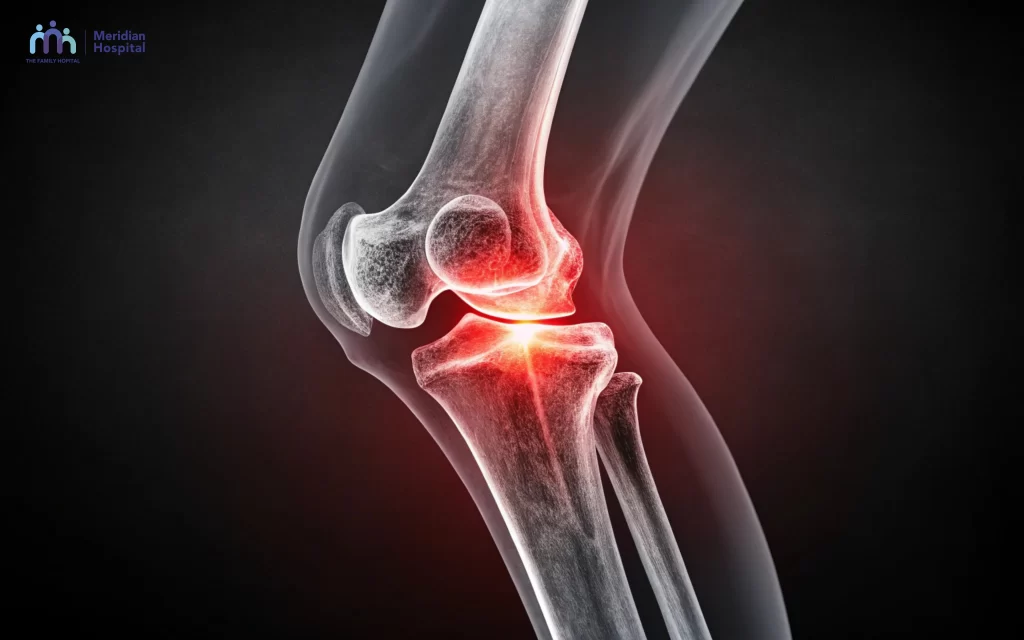
Arthritis patients experience that their arthritis pain becomes more severe in colder seasons. Arthritis pain in cold seasons is no new issue, especially for the senior population, as well as patients with chronic arthritis. Reduced temperature, lack of exercise, and a change of lifestyle that accompanies the season could contribute significantly to increased stiffening, as well as increased inflammation, of the joints. In this blog, it is discussed how arthritis pain occurs, the symptoms it usually presents, treatments that need to be taken at home, factors involved in the treatment of arthritis cold season pain, and preventive methods to keep the patient active and comfortable throughout the cold season. What Is Arthritis? Arthritis is called as such even though it means the inflammation of one or more joints, which results in pain, stiffness, swelling, and reduced movement. Anyone, both the young and the old, can suffer from it. The type that one experiences may be either gradual or sudden. Arthritis is one of the leading causes of chronic joint pain or disability of the joints in the world. Furthermore, it brings about disabilities of movement, and in severe cases, it causes permanent damage to the joints. Common Types of Arthritis Osteoarthritis Osteoarthritis is a common form of arthritis and is characterized by a slow wearing down of the cartilage that cushions the ends of bones in your joints. When that happens, the pain may be in the knee, the hip, the back, or the hands. This discomfort is typically Rheumatoid arthritis Rheumatoid arthritis is a symmetrical autoimmune disease that targets the synovium, the joint lining. That lining, known as the synovium, is under attack and can become inflamed, swollen, and lose its ability to function. Joint stiffness and deformity may develop, and ultimately, loss of function may ensue. Cold Season may worsen the symptoms of this disease and joint pain. Psoriatic arthritis Psoriatic arthritis may also be combined with the skin condition psoriasis. Among these are pain in the joints, changes in the skin and changes in the nails. The pain is aggravated by joint pain when it is cold outside. Gout Gout occurs due to uric acid, which develops crystals within the joints. This causes severe joint pains, particularly in the big toe. During the cold season, a person can be driven to attack, and this can be as a result of dehydration, over-indulging in food or too much alcohol. Why Does Arthritis Pain Increase in the Cold Season? Cold Weather and Joint Rigidity Colder weather causes muscles, tendons, and ligaments to contract. As flexibility diminishes, stiffness builds around the joints, so painful arthritic symptoms become more pronounced – especially on waking. Changes in Barometric Pressure Decreases in barometric pressure ( atmospheric pressure)The tissues of the joints expand marginally. This expansion causes increased pressure and pain in inflamed joints. This explains why the pain in joints from cold weather may usually get worse before or during any weather change. Reduced Physical Activity Very common during the coldseason, a decrease in movement due to cold weather is another reason for increased joint stress, with musculoskeletal pain and worsening of joint stiffness due to lack of movement Poor Blood Circulation in Cold Weather Cold leads to vasoconstriction (narrowing of blood vessels, resulting because muscles contract), thus reducing blood flow to the extremities. Less circulation increases pain sensations and retards recovery, increasing arthritis symptoms. Common Cold Season: Arthritis Symptoms People with arthritis pain during the cold season may feel: Constant mental and physical joint pain Stiffness and swelling in the joints, particularly in the morning Swelling and irritation worsened Decreased motion range Tired and achy Trouble walking and holding things Such symptoms tend to be more intense in individuals whose joints are already inflamed or who suffer from later-stage arthritis. Home Remedies for Arthritis Pain in the Cold Season Stay Warm and Layer Up The heat from the joints relieves stiffness and pain. You can ease the pain of arthritis in the cold by layering up with thermals, gloves, knee-high socks and socks and the like. Regular Gentle Exercise Flexibility of the joints is maintained by low-impact exercises like walking, stretching, yoga practice, and indoor exercises. Frequent exercise will decrease cold-season arthritis pain and increase circulation. Hot Compress and Warm Baths Heat treatment helps to relax muscles and to raise blood circulation. Hot baths and hot compresses are good in relieving joint pains during the cold season. Joint Health cold season-Friendly Diet. A proper diet that is full of nutrients will help lubricate the joints and it decreases inflammation. The hydration is also critical even during cold weather. Maintain a Healthy Weight Obesity causes extra weight on the weight-bearing joints, such as the knees and hips. Weight management is very crucial in the pain management of arthritis in the long term. Foods That Help Reduce Arthritis Inflammation Omega-3 Rich Foods Fish rich in fat, flaxseed, and walnuts are nature’s treatment for inflammation and arthritis pain. Vegetables and Fruits According to Season The kale, carrot, orange, and berry are all very good antioxidants, which help to maintain both the joints and the immune system. Spices Pounded turmeric, ginger, and garlic work together to reduce the swelling and make the joint more pliable. Not Recommended Food in the cold season Junk food, sweet snacks, low-quality carbs, and too much red meat can all make the inflammation of the joints and the pain associated with it worse. Medical Treatment Options for Cold-Season Arthritis Pain Pain Relief Medications The prescription of medications to mitigate inflammation and control pain may be tailored to individual requirements. Under medical care, these arthritis medicines to treat joint pain should be taken religiously. The use of drugs to reduce inflammation and pain can be customised. In a supervised environment, you should follow these arthritis medicines to treat joint pain. Physiotherapy and Rehabilitation Arthritis pain physiotherapy enhances joint strength, flexibility and motion. It reduces stiffness and prevents further joint damage with regular use. Joint Injections Joint injections can also be used to relieve pain in cases of extreme discomfort, they help reduce inflammation and provide longer-lasting relief. Advanced Arthritis Treatments Orthobiologics Contemporary therapies,
Best Multispecialty Hospital in Chennai Near Kolathur | Expert Care

Searching for the Best Multispecialty Hospital in Chennai is a necessity for the family, Children, aged people and working individuals. Easy access to expert physicians, sophisticated technology and integrated care leads to even better health results. Meridian Hospital is known as the Best multispeciality hospital in Chennai near Kolathur for the residents and its nearby localities, providing world-class healthcare, emergency preparedness and compassionate service all under one roof. From preventive care to the management of chronic illnesses to acute care, Meridian Hospital provides trusted care for patients of all ages. Why Choosing the Best Multispecialty Hospital in Chennai Matters Choosing the Best Multispecialty Hospital in Chennai is a matter of trust, efficiency, and comprehensive care. Multispecialty hospitals offer various medical specialties under one roof, facilitating swifter diagnosis and more integrated treatment regimens. Some of the major advantages are: Expert doctors with multiple specializations Superior diagnostics and surgical equipments Round the clock expert care for emergency and critical ill patients Pediatrics, adults and senior citizens receive tailored attention, For a family in North Chennai, having a Top Hospital Near Kolathur means less time spent on the road during an emergency and more of it getting care, rounding out the picture for safety and timely intervention Meridian Hospital – Best Multispecialty Hospital in Chennai Near Kolathur This expertise positions Meridian Hospital as an Advanced multispecialty hospital Chennai residents trust. Meridian Hospital – the best Multispeciality hospital in Kolathur, Chennai that excels in clinical standards and patient comfort. Anna Nagar, Perambur, Mogappair are accessible from Suitable for family, Senior Citizen’s and Childrens.. Excellent for routine use as well as emergencies The Top hospitals in Chennai, Meridian, guarantee a safe and quick access to healthcare facilities to the people of North Chennai. Experienced Doctors Across Specialities Highly Qualified Consultants and Surgeons Multidisciplinary teams for collaborative care Experts in cardiology, neurology, orthopaedics, oncology and many others This experience makes Meridian Hospital your Advanced multispecialty hospital in Chennai. Comprehensive Medical Specialties Under One Roof Meridian Hospital provides all the services under the sun, so there is no need to look elsewhere for the Top multispecialty hospital in Chennai. Cardiology & Heart Care Known for best Cardiology hospital in Chennai and Heart hospital in chennai services are, Preventive cardiology Interventional procedures Cardiac ICU support. Cardio Thoracic Surgery and Open heart Surgery Orthopaedics & Joint Replacement Specialised treatment for fractures, sports injuries and joint replacement surgeries through accelerated rehabilitation programmes. Neurology & Neurosurgery High-end stroke, epilepsy, brain & spine treatment with contemporary diagnostics. General Medicine & Diabetology Total management of lifestyle and chronic diseases, infections & preventive health examinations. Paediatrics & Neonatal Care NICU support for infant and child-friendly healthcare. Gynaecology & Women’s Health Maternity, infertility, keyhole surgeries and women’s preventive health care. Emergency & Trauma Care (24/7) Meridian Hospital functions as a 24/7 multi-specialty hospital in Chennai, and is one of the Best Hospital for Emergency Care. Oncology Advanced cancer care, including medical and radiation oncology, chemotherapy, and supportive therapy. Radiology MRI, CT, ultrasound, digital X-ray and more: Cutting-edge imaging services. Nephrology Specialised nephrologists for kidney care, dialysis, and renal disease. Dental & OMF Dental and maxillofacial procedures, oral surgery, and trauma care. Gastroenterology Digestive health & liver care, endoscopy and minimally invasive GI procedures. Pulmonology Holistic respiratory care for asthma, COPD, infections, and sleep disorders. Advanced Infrastructure & Medical Technology Meridian Hospital a NABH accredited hospital in chennai with: 300-bedded ultra-modern setup State of the art operation theatre ICU, NICU and CCU are fully equipped High End diagnostic facilities Dedicated Floor for Radiation Oncology LEED-certified green infrastructure In house Pharmacy and hygienic canteen These facilities make Meridian Hospital in Kolathur Chennai, an ideal place for efficiency, safety and patient comfort. 24/7 Emergency & Critical Care Services in Chennai As a leading Emergency & trauma care hospital in Chennai, Meridian offers: Rapid triage and life-saving protocols On-call specialists 24/7 Dedicated trauma bays and emergency ICU Ambulance services for critical cases This makes Meridian the go-to Emergency hospital in Chennai for urgent medical care. Patient-Centric Care & Safety Standards Patient safety is central to Meridian’s services: NABH-aligned protocols Strict infection control measures Compassionate nursing staff Transparent communication and support These standards ensure Meridian remains the Best multispecialty hospital in Chennai for families and seniors alike. Affordable Treatment & Insurance Support Meridian Hospital combines quality with affordability: Transparent treatment pricing Cashless insurance tie-ups with leading providers Support for government and private health schemes This accessibility reinforces its reputation as a trusted Best hospital near Kolathur. Book an Appointment at the Best Multispecialty Hospital Near Kolathur Easy online and phone appointment booking Walk-ins welcome Convenient location near Kolathur Secure expert care today at the Best multispecialty hospital in Chennai near Kolathur. FAQs Which is the Best Multispeciality Hospital in Chennai near Kolathur? Meridian Hospital has been known for excellent doctors, state of the art facilities and care that is patient focused. Does the hospital provide 24/7 emergency services? Yes, Meridian is the best 24/7 multispeciality hospital in chennai with comprehensive emergency and trauma care. Are cashless insurance facilities available? Yes, cashless insurance and scheme support from government or private are available. What specialities are there under one roof? We offer services in cardiology, neurology, orthopaedics, oncology, paediatrics, gynaecology, emergency care, radiology, nephrology, dental, gastroenterology and pulmonology.
Diabetes Management in Winter: Diet, Lifestyle & Monitoring Tips

The necessity of Diabetes Management in Winter lies in the fact that cold weather may increase the level of sugar in the blood without being noticed. The threat of winter mornings is not the sole one: the lack of exercise, increased meals, and insulin-resistance changes throughout the season may raise the glucose inconspicuously. Diabetics fail to realize these changes until they develop complications. That is the reason why attendance at Diabetes Management in Winter is vital. Loss of routine in the present is something that may cause issues tomorrow. When you are aware, choose the right foods to eat, exercise, and monitor your health, you can be in control and keep your health, and winter will not turn your gains around. Understanding Diabetes Management in Winter Diabetes management in winter is associated with adjusting to physiological changes. Research indicates that there are seasonally increasing amounts of 0.2-0.5% of average elevated blood sugar levels because of shortening days and indoor lifestyles. Dehydration is aggravated due to dry air and heaters that drain moisture, which mimic the symptoms of being high on sugar. To the inhabitants of Chennai, a reduction in humidity increases seasonal blood sugar fluctuations and thus requires close diabetes monitoring and management. Importance of Early Detection Why Early Detection Matters Catching diabetes early stops diabetic complications prevention. It keeps your kidneys healthy and nerves from tingling pain. Simple changes, like better food choices, give you control for life. Health Risks of Delayed Diagnosis High sugar without treatment hurts nerves, causing pain and numbness—worse in cold weather when blood vessels tighten. Eyes blur from damage, and heart problems grow fast with insulin resistance in winter. Benefits of Early Diabetes Control Good control cuts risks by 30-50%. You feel more energy and handle winter ups and downs in sugar levels easily. Signs and Symptoms to Watch During Winter Cold hides warning signs. Often Check as part of your diabetes management tips in winter. Increased Thirst and Urination Dry winter air hides thirst. Lots of bathroom trips mean sugar over 180 mg/dL. Drink warm fluids every hour. Fatigue and Frequent Infections Stress hormones make you exhausted. Winter colds hit harder and last longer for diabetics. Slow Wound Healing Cold causes red, itchy skin and cracks. High sugar slows healing—check feet daily for cuts. Sudden Weight Changes Festival foods add weight fast. Less movement raises sugar. Weigh weekly and watch portions. Diabetes Management in Winter: Key Tips Master diabetes management in winter through these pillars, tailored for easy family adoption. 1. Winter-Friendly Diabetic Diet Embrace diabetes diet in winter with warm food diet for diabetics: steaming vegetable soups, millets, fenugreek tea (வெந்தயம்). Portion nuts (almonds, walnuts) for fats Avoid deep-fried fast food and snacks. Citrus like oranges fights colds without sugar spikes. Hydrate with 2.5L warm water daily. At Meridian Hospital, Chennai, we are committed to providing you with the best diabetology care, empowering you to take control of your diabetes and live a healthy and fulfilling life with our in house nutritionist. 2. Stay Active Despite Cold Weather Healthy lifestyle habits winter – easy ways to stay active: Do 30-minute indoor walks at home to avoid inactivity Practice yoga or stretching to improve flexibility and circulation Use resistance bands for simple strength training Wear layered clothing if exercising outdoors for warmth and safety Aim for 150 minutes of activity per week to improve insulin use In Chennai, choose parks after sunrise for comfortable weather Always warm up before exercise to prevent sudden blood sugar drops 3. Regular Blood Sugar Monitoring Glucose monitoring tips – easy options for everyone: Aim to check blood sugar 4–7 times daily in winter Monitor fasting levels in the morning Check post-meal readings to understand food impact Test at bedtime to prevent night-time sugar swings Use CGM devices if available to track seasonal blood sugar variation Log readings in apps or notebooks to spot patterns Ideal targets: 80–130 mg/dL (fasting) and below 180 mg/dL (post-meal) If you don’t have a glucose monitor at home: Visit a nearby clinic or diagnostic lab for regular sugar checks Opt for a diabetes checkup package at hospitals for routine monitoring Watch for warning signs like excess thirst, frequent urination, fatigue, or dizziness Get periodic testing done as advised by your doctor Consistent monitoring—at home or through clinics—helps prevent complications and keeps diabetes under control during winter. 4. Medication and Insulin Adjustments Diabetes management tips winter – insulin care made simple: Cold weather can reduce insulin absorption by 10–20%, affecting blood sugar control Always store insulin vials at room temperature as advised; avoid direct cold exposure Do not use insulin that looks cloudy, frozen, or discolored Doctors may adjust insulin or medication doses to manage winter-related sugar rises Never change doses on your own—always consult your doctor first Combine medication care with diet, activity, and monitoring for balanced control Proper insulin handling and medical guidance help prevent winter-related sugar fluctuations and complications. Lifestyle Tips for Better Blood Sugar Control in Winter Establish daily habits in order to have regular blood sugar levels. Sleep: get between 7-8 hours of sleep at night; avoid too much blue light at night because it can interfere with sleep. Cortisol-related sugar spikes can be remedied by treating stress through meditation or deep breathing. Take good care of your feet: apply moisturizers every day and wear woolen socks to avoid cracks. Strengthen the immune system by consuming ginger tea and staying in the sun safely to get vitamin D. Take family meals to aid a balanced diet during winter in diabetes. Monitor mood swings: the blues in winter may be similar to a low sugar state. Minor lifestyle changes that are applied on a daily basis prevent complications and enhance the management of diabetes during the winter. Preventing the Progression of Type 2 Diabetes The condition of Type 2 diabetes can be exacerbated by winter in case the level of sugar is not properly controlled. Nevertheless, early interventions can help to reduce
Winter Health Guide 2025: A Complete Family Protection Blueprint for Flu, Immunity & Wellness

As soon as we feel the weather getting cold and cool winds draping around us, families are prepared to embrace the challenges presented by winter. The children, the older and adults are all troubled by seasonal flu, respiratory infections, and weak immunity. This Winter Health Guide has come to show the best possible means of safeguarding every family member using health supported by science, home regimens, and the suggestions of professionals. Knowing about the spreading of diseases, the early signs of diseases, and with the help of these things and the ability to make the body stronger because of proper eating, drinking, and cleanliness, chances of becoming sick can be reduced significantly. This Winter Health Guide will not only give the children and the elderly the required help, but also be able to support the family to stay healthy, cozy, and strong till winter ends. How Winter Flu and Infections Spread Viruses thrive in the presence of winter. When cold air comes by, it dries the protective mucous lining of the throat and nose, allowing easy entry of germs. The humidity is low, and thus the viral particles float longer in cloud vapor. Enhanced stay at home leads to more close contact, and this makes it easier to pass the infection to another person. The founding of this Winter Health Guide is based on early prevention since once a virus has gotten into a family, it can spread within children, their parents, and even the elderly very quickly. The first step in the chain breaking is knowledge about transmission. Common Winter Illnesses to Watch Out For Flu attacks fast and is characterized by high fever, chills, sweats, fatigue, and aches. It is one of the common winter serious problems. Seasonal flu (Influenza) attacks fast and has high fever, chills, extreme fatigue, and aches. It is among the prevalent winter diseases. Colds: A milder infection, but very common in winter. “Expect it’s going to be running nose, sneezing, maybe a little bit of sore throat and tiredness. Respiratory Syncytial Virus (RSV) infection is known to be particularly harmful to infants and the elderly. It may lead to wheezing, shortness of breath and chest tightness. Viral fevers: It comes with fluctuating body temperatures, just-like-being-hit sickness, tiredness, and dry throat. They also spread quickly in crowded spaces. Strep throat is A bacterial infection causing sore throat, fever and difficulty swallowing. Needs timely medical care. One of the most serious diseases that has its grip upon man during the winter months is pneumonia. It causes inflammation in the lungs, fever, severe cough and shortness of breath. Extremely risky for elders. Key Symptoms You Shouldn’t Ignore Persistent fever – Fever that fails to resolve in 48 hours is an indication of infection that should be taken into consideration. Dry cough vs wet cough – A dry cough indicates irritation of the virus; a wet cough indicates the accumulation of mucus, which may have been caused by bacteria. Body pain & fatigue – These are experienced when the immune system is in a battle. Medical advice is required in case it is long-term. Sore throat – The inflammation of the throat may be a sign of a cold, flu, or strep. In case the swallowing is painful, consult for assistance. Nasal congestion – A stuffy nose or nose of cold weather is normal, although intense congestion can necessitate steam, fluid, and rest. One of the best lessons in this issue of the Winter Health Guide is to be aware of the symptoms early. Effective Ways to Boost Immunity During Winter The main focus of this Winter Health Guide is to boost immunity, particularly among children and those who are elderly. Nutrient-rich foods – Winter requires a healthier diet with a lot of vitamins, minerals, and antioxidants. To maintain a steady immune system, fresh vegetables, fruits, lentils, dairy, and nuts are required. Proper Hydration – Winter causes us to consume less water, yet we need to be hydrated to maintain body temperature and nutrient uptake. Great options are the herbal teas and warm water. Vitamin C, D & Zinc support – You can add vitamin C, such as oranges and lemons, and have minimal sunlight to enjoy vitamin D, and consume foods with Zinc, such as pumpkin seeds, meat, and legumes, to be healthier. Routines of sleep. Enough sleep enhances immunity, aids in restoring tissue, balancing hormones, and restoring the body. Sunshine Morning: sunlight helps increase Vitamin D, and a brisk walk helps increase circulation and endurance. This Winter Health Guide motivates the establishment of daily routines for these immunity boosters. Home Hygiene Practices for Winter 2025 Homes are generally closed for the Winter, so infections spread a little more readily. Wiping Down High-Touch Surfaces: Frequently wipe down phones, door handles, tables, and switches. Air Flow & Ventilation. Even in the cold season, open windows for a few minutes to refresh the air and reduce indoor virus concentration. Humidifiers: Moist air can slow down infections, and the lack of moisture in your home’s indoor air is one reason you might want to use a humidifier. Safe Indoor Heating: Do not overdo it with indoor heating. Keep them at a level, healthy temperature for the best respiratory function. Here are the most crucial ways to protect families and stop the spread of infections in winter. Winter Nutrition & Immune-Supportive Foods (Children & Elders) Nutrition is important year-round. Nonetheless, in some seasons, mainly winter, children and the elderly are the ones predominantly affected. Bright vegetables, oranges, and other citrus, as well as warm foods like soup, can all help support health and get kids through the winter months. And a few healthy nut snacks with good oils, and hot milk drinks with turmeric In the wintertime, maintaining hydration is important for elderly adults and can be facilitated through soup and warm teas. Foods that are heated up can assist with the digestive process, particularly when it comes to winter health porridge mixes. Turmeric, garlic, ginger, some cinnamon, and pepper are the winter health foods for people of all ages. Defeat inflammation and free radicals Home Remedies & Care
Head Injury Warning Signs You Should Never Ignore

Head injury warning signs are often easy to miss, especially when the incident seems minor at first. A minor fall, collision in sport, or vehicular accident might sometimes end up in more than a bruise. Not all knocks to the head are serious, but being aware of the first signs can be the key to complete recovery. Your skull is the headquarters of your body, and even minor damage can interfere with its functioning. That is why it is so important to know what to watch. The proper understanding will enable you to act swiftly, be it yourself, a loved one, or a child. In this guide, we are going to discuss what is meant by head injuries, their types, the leading causes, and the symptoms you can never ignore. Depending on the information at hand, you will be able to react reasonably and assuredly in case of an accident. What is a Head Injury? A head injury is any injury to the scalp, skull, or brain caused by an external force. It may be mild bumps or disastrous damage to the brain, affecting its functioning. The most prevalent causes are falling, sports injuries, and accidents on roads, all of which need maximum care and immediate treatment. Since these events can cause hidden internal damage, it is important to recognise indications of hidden trauma after accident. Why Are Head Injuries So Dangerous? The brain is one of the organs in the body and one of the most delicate and important organs as well, which can be affected by head injuries. Even a seemingly small accidental head injury can lead to hidden complications, such as swelling, bleeding, or signs of brain damage. Sometimes problems show up hours or days later, such as: Severe headaches Dizziness Memory issues The effects of a traumatic brain injury vary from person to person, but timely medical attention greatly improves recovery. Not only does it forestall the occurrence of greater damage, but it also assists the natural healing process experienced by the brain, empowering persons to resume their normal lives with no fear and worry of further loss. 5 Types of Head Injury The types of head injury may be classified into various groups according to the type and extent of the injury. This aids in identifying an appropriate reaction to these. Closed Head Injury- It results from a blow or sudden movement without fracture of the skull. It is common in falls and sporting injuries. Open Head Injury – Occurs when an object penetrates the skull, potentially affecting brain tissue directly. Concussion – A mild form of traumatic brain injury that can cause confusion, headaches, and temporary memory loss. Contusion- A bruise in the brain tissue, normally caused by a direct hit. Diffuse Axonal Injury- It is the result of intensive shaking or rotation, resulting in widespread damage to brain cells. Different types have varying symptoms and risks, and therefore, one should be vigilant enough to notice any strange developments following a head injury. What is a Concussion? Concussion is often referred to as the most common term after a bump or fall by many people, despite the fact that it is a mild traumatic brain injury. A concussion is a temporary brain dysfunction as a result of a sudden movement or jolt of the brain inside the skull. These can translate to symptoms such as headache or dizziness, confusion, or memory loss. Although most concussions are not life-threatening, they should by all means be taken seriously. Relaxation, avoidance of hard work, and prompt medical prescription are important in total recovery. Causes of Head Injury Head traumas are unexpected and can occur to both children and elderly people. They may result from everyday accidents or high-impact events, and in severe cases, they can lead to long-term complications or even signs of brain damage. Understanding the way they happen is the initial stage to blocking severe consequences. Falls – One of the leading causes of head injuries from falls, especially among the elderly and young children. Falls in bathrooms, or slipping over an obstacle, or falling from a height, can result in both light and severe trauma. Road Accidents – Accidental head injury from car, bike, or pedestrian accidents is a major contributor to head trauma worldwide. Failure to use helmets or seat belts puts one in greater danger. Sports and Recreational Activities: High-contact sports such as football, cricket, or boxing on the one hand and riding a bicycle/skating without helmets on the other hand are more likely to cause serious brain injuries. Accidents at the place of work-They can involve falling objects, slips, trips, and incidents related to the use of machines and are common in industrial or construction areas. External Object Injury – Head injury can also occur when heavy materials, collision, accidents, or other unexpected blunt attacks impact us in our daily lives. 5 Head Injury Warning Signs You Should Never Ignore Being aware of the initial signs of a head injury can help a lot in improving the situation. Pay attention to medical care in case you have one of the following warning signs, and treat them as symptoms of head injury: Loss of Consciousness-Loss of awareness, even temporary, when it occurs, should be indicative of a serious problem and should be assessed very quickly. Severe Headaches – Persistent or worsening headaches after an injury may indicate internal pressure or bleeding. Nausea or Vomiting – Repeated vomiting can be a sign of a traumatic brain injury and should not be overlooked. Confusion or Disorientation – Difficulty in identifying people, places, or the time of day may be a sign of a change in brain functioning. Blurred Sight or Sensory Changes – Double vision, ringing or a prickling in the ears, abnormal light, and sonic sensitivity may indicate more serious damage. Being sensitive to these warning signs of head injury would assist in early care and lead to more successful recovery. For any
Lower Your Cancer Risk: 10 Proven Strategies for Better Health
Introduction Cancer is one of the most dreaded diseases worldwide, and its impact is far-reaching, not just on the individual, but on families, communities, and healthcare systems. However, research shows that certain lifestyle choices and habits can significantly reduce the risk of developing cancer. Understanding how to prevent cancer and promote overall wellness is key to leading a healthy life. In this blog, we will discuss 10 proven ways to protect yourself and stay healthy while lowering your risk of cancer. 1. Adopt a Healthy, Balanced Diet. A well-balanced diet is a cornerstone of good health and plays a major role in preventing cancer. Eating a mix of fruits and vegetables, whole grains, and lean proteins, while avoiding processed meals, red meats, and sugary drinks, can greatly reduce the risk of several cancers. Antioxidants and phytochemicals found in foods such as broccoli, tomatoes, berries, and leafy greens can fight cancer-causing cells. Consuming fiber-rich meals and maintaining a healthy weight can help prevent cancer. 2. Exercise Regularly Engaging in physical activity is one of the most effective ways to lower your risk of cancer. Regular exercise helps maintain a healthy weight, regulates hormones, and improves immune function, all factors that help prevent the development of cancer. Aim for at least 30 minutes of moderate exercise, such as walking, swimming, or cycling, five times a week. Exercise also helps reduce inflammation in the body, another key factor in cancer development. 3. Avoid Tobacco Use Smoking and tobacco use are among the leading causes of various cancers, including lung, throat, mouth, and pancreatic cancer. Quitting smoking or never starting in the first place is one of the most important steps to lower your risk of cancer. Additionally, exposure to secondhand smoke can also increase the likelihood of developing cancer. If you need help quitting, seek support from healthcare professionals or smoking cessation programs to kick the habit for good. 4. Limit Alcohol Consumption Excessive alcohol consumption has been linked to an increased risk of several types of cancer, including breast, liver, and colorectal cancers. To stay healthy, it’s important to limit alcohol intake. The American Cancer Society recommends no more than one drink per day for women and two drinks per day for men. If possible, avoid alcohol altogether to minimize your cancer risk. Remember, moderation is key, and cutting back can make a significant difference in cancer prevention. 5. Protect Your Skin from the Sun Skin cancer is one of the most common types of cancer, but it’s also one of the most preventable. Sun exposure, particularly during peak hours, increases your risk of skin damage, premature aging, and skin cancer. To stay healthy and lower your risk of cancer, always use sunscreen with a high SPF, wear protective clothing, and avoid tanning beds. Spending time in the shade during midday hours and wearing sunglasses can also help protect your skin from harmful UV rays. 6. Get Vaccinated Certain infections can increase the risk of cancer. For example, the human papillomavirus (HPV) is linked to cervical cancer, while the hepatitis B virus increases the risk of liver cancer. Vaccines like the HPV vaccine and the hepatitis B vaccine can help prevent these infections, thus reducing the risk of cancer. Cancer awareness about these preventable viruses is crucial, and getting vaccinated is an important step in cancer prevention. 7.Regular Health Screenings and Check-ups Routine health screenings can detect cancer in its early stages, often before symptoms arise. Early detection significantly increases the chances of successful treatment and recovery. Cancer awareness is key to knowing which screenings are necessary based on your age, gender, and family history. For example, mammograms, colonoscopies, and Pap smears can help detect cancer early and lower your risk of cancer progression. Schedule regular check-ups with your healthcare provider to stay on top of your health. 8.Manage Stress Effectively Chronic stress can weaken the immune system and increase inflammation in the body, both of which may contribute to the development of cancer. It’s important to manage stress effectively by engaging in relaxation techniques such as meditation, yoga, deep breathing exercises, or spending time in nature. These practices help calm the body, reduce stress hormones, and improve overall well-being. 9.Avoid Environmental Toxins Environmental toxins, including certain chemicals, pesticides, and air pollution, have been linked to various cancers. If possible, avoid exposure to harmful substances by choosing organic foods, reducing the use of plastic containers, and ensuring proper ventilation when using chemicals. In the workplace, take necessary precautions if you’re exposed to hazardous substances. 10. Focus on Your Mental and Emotional Health Mental and emotional well-being play a significant role in maintaining a healthy body. Studies have shown that people who are socially connected, engage in regular mental health practices, and maintain a positive outlook have better overall health and a lower risk of developing chronic diseases, including cancer. To stay healthy, invest time in your emotional health through activities like socializing, engaging in hobbies, and practicing mindfulness. We hope the above ten ways to prevent cancer were helpful and insightful in guiding you toward a healthier lifestyle. By adopting these steps, you can significantly reduce your risk and promote better overall well-being. Meridian Hospital is committed to providing expert care and raising cancer awareness in the community. If you need more information on ways to prevent cancer or would like to schedule a screening, don’t hesitate to reach out. Our team is here to support you in your journey to better health.
Simple Steps to Preventing Diabetes: A Path to Better Health

Introduction Diabetes is one of the most common and growing health concerns worldwide. However, the good news is that with a few simple lifestyle changes, diabetes can be prevented or managed effectively. At Meridian Hospital, we are committed to guiding you on a path to better health by helping you prevent diabetes and its complications. Here are some key steps to take charge of your health. 1. Eat Healthy: A Key Step in Preventing Diabetes The food you eat plays a vital role in controlling your blood sugar levels and preventing diabetes. Focus on a balanced diet that includes whole grains, lean proteins, plenty of fruits and vegetables, and healthy fats. Avoid processed foods, sugary drinks, and excess salt, which can lead to weight gain and increase your risk of diabetes. Eating healthy is one of the most effective ways to manage your blood sugar and maintain a healthy lifestyle. 2. Maintain a Healthy Weight Being overweight or obese increases your chances of developing Type 2 diabetes. By maintaining a healthy weight, you reduce the strain on your body and keep your blood sugar levels in check. Regular physical activity, combined with a balanced diet, is key to achieving and maintaining a healthy weight. Even small weight losses can significantly reduce your risk of diabetes and its complications. 3. Adopt a Healthy Lifestyle A healthy lifestyle goes beyond just eating the right foods. Regular exercise, proper sleep, and managing stress all contribute to preventing diabetes. Physical activity helps your body use insulin more efficiently, lowers blood sugar, and improves overall health. Aim for at least 30 minutes of moderate exercise most days of the week. Additionally, make sleep a priority and find ways to manage stress, as both can impact your blood sugar levels. 4. Understand and Prevent Diabetes Complications While preventing diabetes is crucial, understanding and preventing the complications associated with diabetes is equally important. Uncontrolled diabetes can lead to severe complications such as heart disease, kidney damage, nerve damage, and vision problems. Early detection and proactive management through a healthy lifestyle, regular check-ups, and adherence to your doctor’s advice can prevent these complications from affecting your health. 5. Stay Consistent and Monitor Your Health Consistency is key in preventing diabetes. By making healthy lifestyle choices part of your daily routine, you ensure long-term success. Regular health check-ups at Meridian Hospital allow us to monitor your blood sugar levels and guide you in making any necessary changes to your diet or lifestyle. Remember, even small changes can have a significant impact on your health and prevent the onset of diabetes. Preventing diabetes is within your control. By adopting healthy eating habits, maintaining a healthy weight, staying active, and managing stress, you are taking significant steps toward preventing diabetes and improving your overall health. At Meridian Hospital, we are here to support you on your journey to better health, providing expert care and personalized guidance every step of the way. Together, we can work to prevent diabetes and ensure a healthier future.