Patients who need more attention and require a higher level of medical care and additional medical procedures are referred to as ICU patients. Knowledge of when to call in the ICU is a life-saving factor. The majority of the life-threatening diseases are characterised by a rapid progression course, and early diagnosis guarantees early intervention.
This Blog clarifies in what cases a patient has to receive ICU treatment, what to consider as risk factors, and what illnesses are prone to receiving intensive treatment the most frequently.
What Is ICU Care?
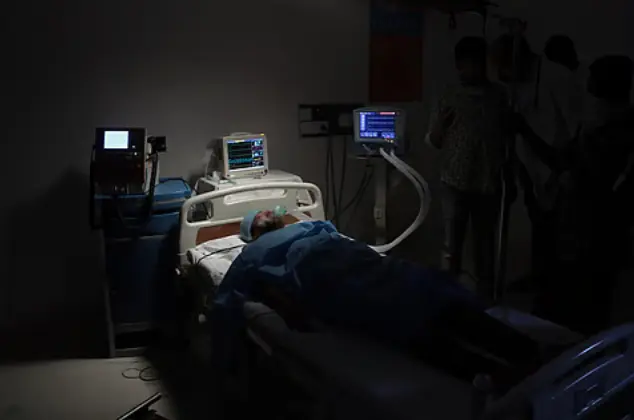
Intensive Care Unit is a unit that offers 24/7 services with special equipment and experts in the critical care unit. They should be provided with ICU care when their vital organs, like the brain, heart, lungs and kidneys, are in danger of failure.
Patients in the ICU may require:
- Mechanical ventilation
- Continuous heart monitoring
- Emergency medications
- Organ support systems
- Post-surgical critical observation
Common Conditions That Require ICU Admission
A number of medical crises need urgent ICU attention:
- Critical infections and sepsis.
- Myocardial infarction or heart attack.
- Stroke
- Major trauma or accidents
- Severe pneumonia
- Organ failure
- Post-operative complications in major surgery.
The following are the key indicators of a patient who could require ICU care.
1. Severe Breathing Difficulty
Breathing problems are one of the most urgent reasons for ICU admission.
Warning signs include:
- Rapid or very slow breathing
- Gasping for air
- Bluish lips or fingertips
- Severe chest tightness
- Oxygen levels dropping
Conditions such as Acute respiratory distress syndrome and severe pneumonia can cause respiratory failure. Mechanical ventilation may be required to support breathing.
2. Sudden Chest Pain or Cardiac Symptoms
Cardiac symptoms and sudden chest pain
Serious heart conditions require immediate admission to an intensive care unit.
Look for:
- Severe chest pain radiating to the arm or jaw
- Abnormal heartbeats
- Loss of consciousness
- Collapse
- Sweating and loss of consciousness.
A myocardial infarction or a heart attack is an event that needs immediate intervention as well as immediate monitoring. Some patients have suffered a cardiac arrest and require monitoring in the ICU.
3. Uncontrolled High Fever with Infection
Seeing a high fever and a rapid heart rate, along with confusion and/or low blood pressure, may indicate sepsis. Untreated, sepsis is a rapidly progressing, life-threatening response to infection that can result in the failure of multiple organs.
Symptoms requiring ICU admission:
- Very high or very low body temperature
- Confusion or disorientation
- Rapid breathing
- Low blood pressure
- Reduced urine output
Early ICU management improves survival rates significantly.
4. Sudden Neurological Changes
Brain-related emergencies often require intensive monitoring.
Seek immediate care if a patient experiences:
- Sudden weakness on one side
- Slurred speech
- Seizures
- Loss of consciousness
- Severe, sudden headache
Conditions such as Stroke and traumatic brain injury demand rapid ICU intervention to prevent permanent damage.
5. Severe Trauma or Accidents
Patients involved in major road accidents, falls, or injuries often require ICU care.
ICU admission is necessary when there is:
- Heavy bleeding
- Multiple fractures
- Head injury
- Internal organ damage
- Shock symptoms
Continuous monitoring helps manage complications and stabilize vital signs.
6. Organ Failure
When one or more organs stop functioning properly, ICU support becomes essential.
Examples include:
- Kidney failure
- Liver failure
- Respiratory failure
- Heart failure
Acute kidney injury may require dialysis and constant monitoring. Multi-organ dysfunction requires advanced life-support systems available only in an ICU setting.
7. Post-Surgical Complications
Following significant procedures like cardiac surgeries, brain surgeries, or organ transplants, patients are typically placed in the Intensive Care Unit for monitoring.
Post-operative signs to watch out for include:
- Rapid decrease in blood pressure
- Uncontrolled bleeding
- Breathing difficulties
- Severe pain unrelieved by analgesics
- Irregular heartbeats
8. Extremely Low or High Blood Pressure
Blood pressure that is dangerously too high or too low can lead to damage to the organs.
Urgent medical attention is required for:
- Sustained systolic blood pressure lower than 90 mmHg
- Very high blood pressure with accompanying symptoms
- Fainting
- Severe headaches with blurred vision
These symptoms may indicate shock, a hypertensive crisis, or bleeding that is not visible.
9. Altered Mental Status
Changes in mental awareness are serious warning signs.
ICU care may be required if a patient shows:
- Sudden confusion
- Extreme drowsiness
- Agitation
- Inability to respond
- Coma
Such symptoms may result from infection, brain injury, metabolic imbalance, or oxygen deprivation.
Who Is at Higher Risk of Needing ICU Care?
Certain individuals are more vulnerable to critical illness:
- Elderly patients
- People with diabetes
- Heart disease patients
- Individuals with chronic lung disease
- Cancer patients
- Immunocompromised individuals
Regular health monitoring reduces emergency risks.
When to Seek Immediate Emergency Care
Get help from emergency services without delay if the patient has:
- Severe trouble breathing
- Chest pain that lasts more than a few minutes
- Sudden weakness of one side of the body or a sudden inability to speak clearly
- Unconsciousness
- Continuous unresponsiveness
- Profuse Blood Loss
It is life-threatening if treatment is delayed.
Why Early ICU Admission Saves Lives
Timely ICU admission allows:
- Careful tracking of vital signals.
- More prompt intervention if there is evidence that the patient is getting worse.
- Life-support treatments that are more sophisticated are available,.
- Loss of Organ functions is prevented.
Strongly positive results are achieved through early intervention in critical care
Conclusion
It is important for the family and other persons responsible for the care of the Patient to be aware of the indicators that suggest the patient will soon need ICU treatment. Major warning signals include serious difficulties with breathing, problems with the heart, changes in the nervous system, uncontrollable infections and the deterioration of one or more organs. Immediate evaluation is critical if any are present.It is possible to save a life and avoid serious and prolonged complications by intervening early in the treatment process in a fully equipped Intensive Care Unit.