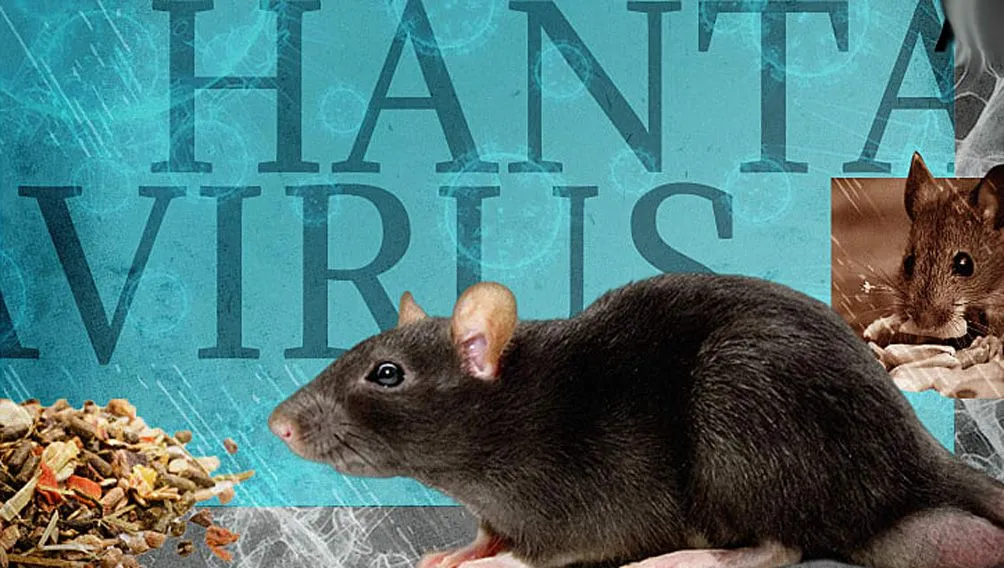
Three people dead. A cruise ship is still at sea. Five countries are scrambling to trace contacts. The MV Hondius outbreak landed fast, and the internet reacted the way it usually does — with a flood of headlines and very little context.
So here is the short version, without the panic.
What Is Hantavirus?
Hantavirus is not one single illness. It is a family of viruses — each strain tied to a specific rodent. The animals carry it quietly in their urine, droppings, and saliva. They never get sick. They just leave the virus behind in their environment, and humans breathe it in.
That is the main route of infection — disturbing dried rodent waste in an enclosed space. No vaccine. No cure. Doctors support your organs and hope your immune system does the rest.
In the Americas, it attacks the lungs and can kill up to 50% of those infected. In Europe and Asia, it tends to target the kidneys, with lower fatality rates of 1% to 15%.
What Happened on the MV Hondius?
A Dutch passenger boarded the ship in April 2026 after a four-month road trip through South America. He was already carrying the Andes virus. He died on board on April 11. His wife followed twelve days later in a Johannesburg hospital. A German fellow passenger died on May 2.
As of May 8, 2026 — 6 confirmed cases, 9 suspected. WHO global risk: LOW. Andes strain confirmed by molecular testing on May 6.
What made this outbreak unusual is the Andes virus itself. Nearly every Hantavirus strain can only pass from rodents to humans. The Andes strain is the lone exception — under close, sustained contact, it can spread person to person. On a ship, that matters.
Symptoms to Watch For
Early signs look like flu — fever, muscle aches, chills, headache, and nausea. That similarity is the danger. People rest, wait, and assume it will pass. Then breathing gets harder. Fast.
- High fever, severe muscle pain, dizziness
- Shortness of breath that worsens quickly
- Acute pneumonia and respiratory failure in severe cases
Had possible rodent exposure or contact with a confirmed Hantavirus case? Develop any of these symptoms? Go to emergency care the same day — not tomorrow.
Should You Worry if You Are in Chennai?
Not right now. The Andes virus is a South American strain — it is not present in India. Hantavirus in Chennai, No cases have been reported here as of May 2026.
That said, India has its own rodent-borne risks like leptospirosis. Basic rodent hygiene at home — sealed food, no dry-sweeping of droppings, gloves when cleaning old spaces — is worth practising regardless.
Returning from South America with a fever? Tell your doctor where you went. That one detail changes everything about how your symptoms get evaluated.
Returned from travel and feeling off? Meridian Hospital’s Emergency and Internal Medicine teams in Kolathur and Madhavaram are equipped to evaluate post-travel illness fast. Visit meridianhospitals.in or call us today.
Hantavirus is serious. But for most people reading this right now, the risk is low. Stay informed, keep rodents out of your spaces, and if something feels wrong — come in early. That is always the right call.
Meridian Hospital — Here When You Need Us.