Have you ever thought about how the heart quietly keeps you going each day, right from the moment you wake up feeling completely refreshed to the time you take an evening walk? According to a report from Harvard School of Public Health and the World Economic Forum, cardiovascular diseases could cost India an estimated $2.17 trillion in economic losses between 2012 and 2030. That figure shows how heart health affects not just people’s lives but also the nation’s economy. However, the good news is that many heart-related issues can be managed or prevented with the correct care and lifestyle choices.
Cardiac care, also known as cardiology, is the field of medicine that deals with the heart and the network of blood vessels, which keep it functioning. However, cardiac care is not just about medical treatments; it’s also about simple things that you do everyday. Every step that you take can help the heart stay stronger for longer.
Through this blog, let’s find out what cardiac care actually means and why it’s so critical for your well-being and overall health.
What Is Cardiac Care?
Cardiac care, or cardiology, focuses on treating, diagnosing and preventing diseases that affect the blood vessels and heart. It involves treating structural and functional heart issues such as rhythm disorders like atrial fibrillation, valve abnormalities, and vascular conditions like atherosclerosis, where plaque buildup in the arteries restricts blood flow.
Proper cardiac care involves a blend of medications, lifestyle improvements and even diagnostic tests, such as Echocardiography and ECG (Electrocardiograms). It also involves minimally invasive surgeries or methods when required. The objective here is to restore and protect the heart’s normal function while enhancing overall health.
Cardiologists study how exactly the blood flows through the heart, how the body responds to injury and how the heart’s electrical signals function. With this specific knowledge, they can help lower the complications and even extend lifespan.
Why Cardiac Health Matters?
Taking good care of the heart is important because it powers each organ in the human body. Here are some reasons why cardiac health is essential:
- It keeps the blood flowing efficiently, carrying the nutrients and oxygen throughout the body.
- It can lower the risks of severe issues, such as strokes and heart attacks.
- It supports mental well-being and physical strength.
- It can help you avoid complex treatments and major surgeries.
- It can also lower long-term healthcare expenses via early care and prevention.
Core Areas of Cardiac Care
Cardiac care consists of many important methods that help “how to maintain your heart health?”, offer the correct treatment when needed and also spot problems early. It can be divided into three major areas:
Preventive Cardiology
Preventive cardiology focuses on safeguarding the heart before any severe issues take place. It’s about recognizing the risk factors, keeping a track of the overall health and making healthy lifestyle choices. Some of the key steps include:
- Periodic Health Check-Ups: Monitor the blood pressure, body weight, blood sugar and cholesterol levels.
- Heart-Healthy Diet: Pick food items low in sugar, salt, and saturated fat. Make sure to add more whole grains, vegetables and fruits.
- Physical Activity: Work out regularly to improve circulation and strengthen the heart.
- Stress Management: Try relaxation techniques, such as counseling, yoga, or meditation, to manage stress, which can affect the heart.
- Lifestyle Choices: Avoid limiting alcohol intake or smoking.
- Medication Adherence: Take the prescribed medication for ailments like diabetes and high blood pressure to lower the chances of heart-related risks.
Diagnostic Cardiology
Diagnostic cardiology can aid in detecting heart problems early and determining how serious they are. Physicians use many tests to check the heart function, blood flow, and rhythm. Common diagnostic tools include the following:
- Cardiac CT and MRI: Offers detailed imaging to identify vascular and structural abnormalities.
- ECG (Electroncardiogram): It records the electrical signals of the heart to detect rhythm-related issues.
- Holter Monitoring: Tracks the heart rhythm continuously for 12 to 48 hours.
- Stress Tests: The tests measure how exactly the heart reacts during physical exertion.
- Echocardiography: The tool uses ultrasound to create images of the heart’s performance and structure.
Interventional Cardiology
Interventional cardiology keeps its focus on treating heart issues via methods that don’t need major surgery. These treatments are typically minimally invasive, and the technique involves inserting thin catheters via the blood vessels. This helps in restoring proper blood flow or correcting the irregular heart rhythms.
Angioplasty and Stenting
This method aids in opening the arteries that are narrowed and blocked. A small balloon is inflated inside the artery to clear away the blockage, and a stent (a small metal tube) is usually placed to keep it open. This enhances the blood circulation to the heart and reduces the risks of all future heart attacks.
Balloon Angioplasty
In this technique, only a small balloon is used to broaden the artery without putting in a stent. It is usually performed alone or as a first step right before inserting a stent, depending heavily on how serious or where the blockage is.
Catheter Ablation
This is a minimally invasive treatment for heart rhythm issues. During the procedures, surgeons use a flexible and thin tube known as a catheter to guide it to certain areas of the heart to get small patches of tissue that lead to irregular electrical signals. This helps in restoring a normal and steady heartbeat.
Surgical Cardiac Treatments
At times, surgery becomes mandatory when minimally invasive methods or medicines don’t treat the heart condition completely. These surgeries aim to restore the blood flow, replace/repair the damaged parts of the heart and enhance how it functions overall.
Coronary Artery Bypass Graft (CABG) Surgery
CABG surgery is performed to bypass the narrowed or blocked coronary arteries and enhance the blood supply to the heart muscle. Surgeons use healthy arteries or veins from other sections of the body and create new pathways for the blood to flow. This method is usually advised for individuals with multiple blockages or severe coronary artery conditions.
Heart Valve Surgery
This surgery is for repairing the valves that don’t open or close effectively, which impacts the normal blood flow. The most commonly treated valves are pulmonary, tricuspid, aortic, and mitral. Whenever it’s possible, the valve repair is preferred over the placements because it keeps the patient’s own tissues in place and reduces the dangers of long-term complications.
Valve Replacement Surgery
If a specific valve cannot be repaired, it’s replaced with a biological or mechanical valve. Mechanical valves are highly durable and can last for a lifetime. However, it needs lifelong use of blood-thinning medications. The biological valves, which are created from human or animal tissue, typically last for many years and often don’t need long-term anticoagulants.
Open Heart Surgery
This method involves opening the chest to conduct complex operations like CABG, correction of congenital heart defects or valve replacement and repair. The technique is performed under general anesthesia while the heart is stopped temporarily, and the heart-lung device keeps the blood circulating. The recovery takes several weeks to months, and also requires close monitoring during the time of rehabilitation.
Advanced Cardiac Support Systems
For patients with serious heart failure or weaknesses, advanced devices can help the heart function properly and enhance survival chances.
Artificial Cardiac Pacemaker
A pacemaker is a device that gets implanted under the skin to regulate irregular heart rhythms, such as bradycardia (slow heart rate). It sends electrical impulses to maintain a steady heartbeat. Pacemaker therapy has increased survival for millions of patients worldwide.
Ventricular Assist Device (VAD)
VAD (Ventricular Assist Device) is a mechanical pump that supports the heart’s ventricles to pump blood in patients with advanced heart failure. It can be used temporarily while waiting for a long-term solution for individuals who cannot undergo a transplant or a proper heart transplant.
6 Common Cardiac Conditions
Coronary Artery Disease (CAD)
CAD develops when the arteries that deliver blood to the heart become completely blocked or narrowed due to plaque buildup known as atherosclerosis. This condition mainly occurs due to high blood pressure, obesity, lack of physical activity, diabetes, high cholesterol and smoking. Its symptoms usually consist of discomfort or chest pain, fatigue, shortness of breath, discomfort or chest pain. However, in many cases, it can lead to heart attacks.
The treatment depends heavily on how advanced the condition is and might involve medicines for controlling cholesterol and even blood pressure, along with lifestyle changes. It also includes interventional methods, such as surgeries like CABG, stenting and angioplasty. This condition remains a leading global health concern, costing nearly 9 million lives every year.
Angina
Angina is chest discomfort or pain that takes place when the blood flow to the heart is reduced. It’s classified into three primary types:
- Stable Angina: This gets triggered due to emotional stress or physical exertion and follows a predictable pattern that can be easily managed with lifestyle adjustments and medications.
- Unstable Angina: It happens suddenly, even with rest and signals a high risk of heart attack. This type of angina needs immediate medical attention.
- Variant Angina (Prinzmetal): It’s caused by temporary spasms in the coronary arteries and can be treated with medications that help relax the blood vessels.
The treatment focuses on easing the symptoms, preventing the attacks via medication, enhancing the blood flow, making healthy lifestyle choices and at times, procedures, such as angioplasty.
Heart Attack (Myocardial Infarction)
A heart attack can take place when the coronary artery becomes completely blocked and cuts off the oxygen supply to a part of the heart muscle. Immediate medical attention is critical to limit the damage. Some heart attack symptoms consist of shortness of breath, severe chest pain, heavy sweating or nausea. For treatments, it might include emergency angioplasty, CABC surgery to restore the blood flow and/or clot-dissolving drugs.
Arrhythmias
Arrhythmias are known as irregular heart rhythms caused by anomalous electrical activity in the heart. Some of its common types include:
- Tachycardia: A faster-than-normal heartbeat that might lead to heart failure, dizziness or chest pain.
- Bradycardia: A slower-than-normal heartbeat that can cause dizziness, fainting or fatigue.
- AFib (Atrial Fibrillation): This type of arrhythmia causes the heart’s upper chamber to beat rapidly and irregularly, and also increases the chances of stroke.
The diagnosis is normally done via Holter monitors, ECGs and other tests. Treatment might consist of medications to manage the heart rhythm or rate, devices like ICDs (Implantable Cardioverter Defibrillators) and pacemakers with lifestyle changes.
Heart Valve Disorders
This is a condition that occurs when one or more of the heart’s valves fail to close and open properly. It can lead to stenosis (narrowing), regurgitation (leakage), or structural problems, such as prolapse. This condition mainly takes place because of tissue degeneration, aging, infections or defects. Symptoms might include swelling, irregular heartbeat, fatigue or shortness of breath. For the treatments, it relies heavily on the ailment’s severity and might involve valve replacement, medications or valve repair during biological or mechanical valves. Without proper treatment, the valve issues can lead to severe complications, such as heart failure.
Heart Failure
Heart failure takes place when the heart cannot pump enough blood properly to fulfill the body’s needs. Some of its common causes are cardiomyopathy, high blood pressure, valve disorders, and coronary artery disease. Its symptoms consist of irregular or fast heartbeat, swelling in the legs, shortness of breath and even tiredness. To treat the condition, medications like diuretics, beta-blockers and ACE inhibitors are prescribed by the physician. Treatment also includes lifestyle changes, such as regular working out, controlled salt intake and balanced nutrition. In serious cases, advanced devices, such as VADs (ventricular assist devices) or heart transplantation, might be required.
Role of Medications and Assist Devices
Assistive devices and medications work together to address symptoms, prevent complications, and enhance survival in individuals with heart conditions. Here’s how they can help:
- Medications address heart rhythm, cholesterol and blood pressure.
- They lower the chances of blood clots and fluid buildup.
- Common drugs include diuretics, beta-blockers, anticoagulants, and ACE inhibitors.
- Assistive devices can offer support when the heart is too weak to function on its own.
- Pacemakers can help regulate the irregular or slow heartbeat.
- Ventricular Assist Devices help the heart in pumping blood and are typically used temporarily, right before transplantation or surgery.
Pediatric Cardiac Care
Heart issues can also affect children, usually from birth. Pediatric cardiac care includes early diagnosis, specialized care designed for growing children and timely treatment.
Congenital Heart Defects
Congenital heart defects are known as structural problems present at birth. Common defects include:
- Atrial Septal Defect (ASD): A hole between the heart’s upper chambers.
- Ventricular Septal Defect (VSD): A hole between the lower chambers.
- Tetralogy of Fallot (TOF): A combination of four heart defects affecting blood flow.
Pediatric Cardiac Surgery
Surgical approaches for children are specially designed for young and developing hearts. Procedures may involve valve repair, defect closure, or complex reconstruction. Post-surgery care includes monitoring for complications, physical rehabilitation, and family support to ensure the child’s recovery and healthy growth.
Cardiac Rehabilitation & Lifestyle Management
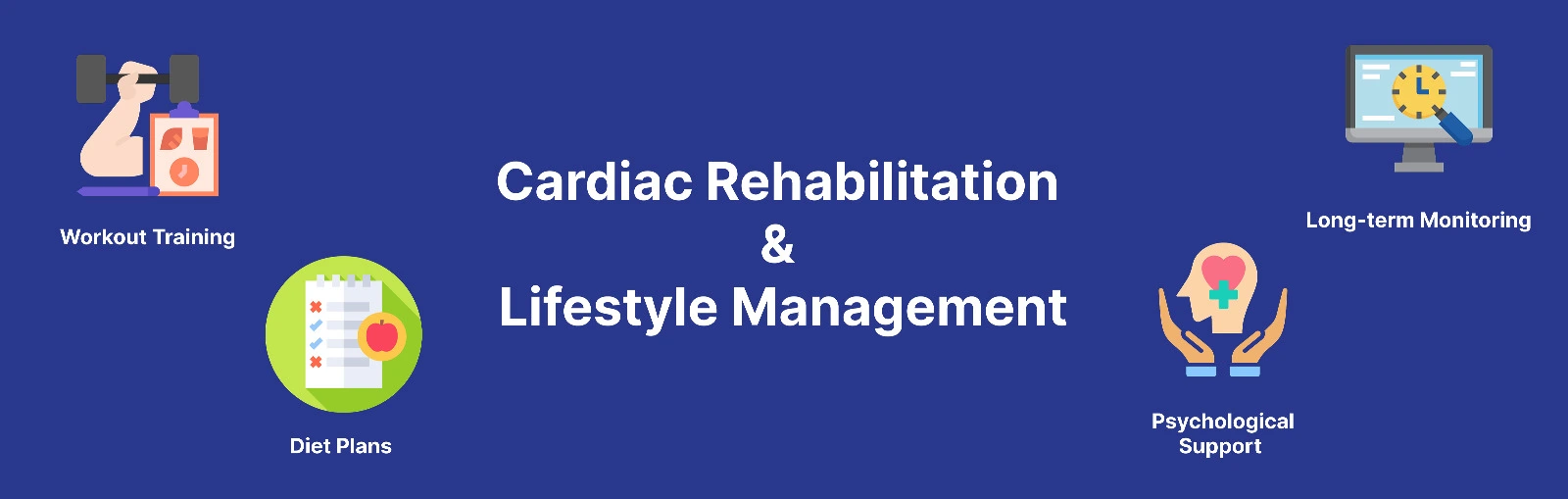
Cardiac rehabilitation plays an important part after a heart attack, heart surgery or other heart-related procedures. It can help patients regain strength and even lower the chances of future heart issues
- Workout Training: Supervised and well-structured exercises help in strengthening the heart, enhancing fitness levels and boosting stamina.
- Diet Plans: A heart-friendly and balanced diet can lower cholesterol, maintain a healthy weight, and even regulate blood pressure.
- Psychological Support: Stress management and counseling sessions can help patients cope emotionally, lower depression and anxiety during recovery.
- Long-term Monitoring: Periodic check-ups, ongoing lifestyle guidance, and proper medication use prevent future complications and support heart health.
Emerging Innovations in Cardiology
Modern-day breakthroughs in heart care are changing recovery, improving patient outcomes and making treatment less intrusive.
Minimally Invasive & Robotic Cardiac Surgery
These advanced techniques use robotic precision and smaller cuts to conduct delicate heart operations. Patients often have less discomfort, shorter hospital stays, and faster healing.
AI and Digital Health in Cardiology
New digital tools enable physicians to diagnose heart problems quickly and monitor patients remotely. Devices like advanced ECG systems, telecardiology platforms and smart wearables can help spot early warning signs and provide timely care.
Regenerative Cardiac Therapies
Treatments that use tissue engineering and stem cells are being developed to repair the damaged heart tissue and enhance heart function without any major surgery. Researchers continue to explore various ways to make these therapies widely accessible.
Advanced Imaging & Diagnostics
Innovative procedures, such as CT angiography, cardiac MRI, and 3D echocardiography, provide detailed and clear views of the heart and also its blood flow. These technologies can help physicians plan proper treatments and track recovery effectively.
Meet Our Expert Cardiology Team
At Meridian Hospital, the cardiac care services are led by a team of highly experienced and qualified specialists committed to delivering compassionate care and the best treatments.
Dr. Prathap Kumar, Cardiologist (DM, DNB, M.D., FESC, FACC):
A leading expert in addressing complex heart conditions and conducting advanced interventional procedures.
Dr. Sunny Anand Nesan, Cardiologist (MBBS, DM, MD):
Specializes in accurate diagnosis, heart disease prevention and patient-centered cardiac care.
Dr. Muthukumaran, Cardiothoracic Surgeon (MCH, MBBS, MS):
Conducts major heart surgeries, which include valve repairs, correction of congenital heart defects and bypass operations.
Dr. Fedrick, Cardiothoracic Surgeon:
Highly skilled in minimally invasive cardiac and open heart surgeries, ensuring faster and safer recoveries.
Dr. Sandeep, Cardiothoracic Anesthetist:
Oversees anesthesia during all heart-related procedures, ensuring proper safety and patient comfort.
Dr. Ashwani Latha K, Consultant (DNB, MBBS, DNB General Medicine):
Offers vital medical support in cardiac care through her expertise in patient management and general medicine.
Why Choose Meridian Hospital for Cardiac Care?
Here’s what patients get on the complete heart care and treatment from Meridian Hospital:
Complete Cardiac Services:
The hospital provides a diverse range of heart care services, right from complex heart surgeries and advanced interventional treatments to early diagnosis and preventive screenings.
Expert Cardiology Team:
The hospital has some of Chennai’s most experienced cardiothoracic surgeons and cardiologists, who are experts in anesthesia care, cardiac surgery and even interventional cardiology.
Modern Establishments:
The hospital is equipped with the latest technology for treatment and diagnosis, such as advanced imaging systems, ECG, stress testing, echocardiography, and Holter monitoring.
Advanced Surgical Excellence:
Patients have access to the minimally invasive methods like pacemaker implantation, valve replacement or repair, angioplasty, VAD support, stent placement and open-heart surgery.
Comprehensive Patient Care:
Meridian’s focus goes way beyond treatment. It covers post- and pre-surgery care, offers guidance on a healthy lifestyle, medication management to promote long-term heart wellness and cardiac rehabilitation.
Round-the-Clock Support:
The hospital offers 24/7 emergency services, overseas patient care, physiotherapy, a reliable insurance desk, and teleconsultations.
Conclusion
Heart conditions can be managed and prevented with timely action and proper care. Early diagnosis, effective treatment, and periodic follow-ups can make a life-changing difference. With the correct support of skilled experts and modern-day technology, heart care of today provides everything, right from complex surgeries to minimally invasive treatments to healthy lifestyle options and medical guidance. It can help patients to strengthen and protect their hearts effectively. Schedule a consultation with the best cardiologist at best heart specialist in chennai Meridian Hospital today, and give your heart the attention it deserves.
FAQs
- What sort of heart conditions are treated in cardiac care?
Heart failure, congenital heart defects, valve disorders, coronary artery disease, and arrhythmias are treated under cardiac care. Each of these conditions requires specific long-term management plans, treatment and diagnosis.
- How can lifestyle changes enhance heart health?
Periodic workout, avoiding smoking, balanced nutrition, maintaining a healthy weight, and stress control can significantly lower the chances of heart-related illnesses.
- What are some of the latest innovations in heart treatment?
Some of the current advancements include wearable monitoring devices, robot-assisted surgeries, regenerative stem cell therapies, transcatheter valve replacements and enhanced imaging methods for accurate, faster and safer treatment.
- When to see a cardiologist?
You must consult with a cardiologist when you experience extreme fatigue, chest discomfort, irregular heartbeat, shortness of breath and have a family history of heart conditions.
- How essential is cardiac rehabilitation after treatment?
Cardiac rehabilitation can help patients manage their stress levels, regain their strength, adhere to their medication plans, and improve their endurance. It also enables them to adopt a heart-healthy lifestyle to lower the recurrence and improve long-term wellness.