
Understanding Arthritis Pain in Cold Season
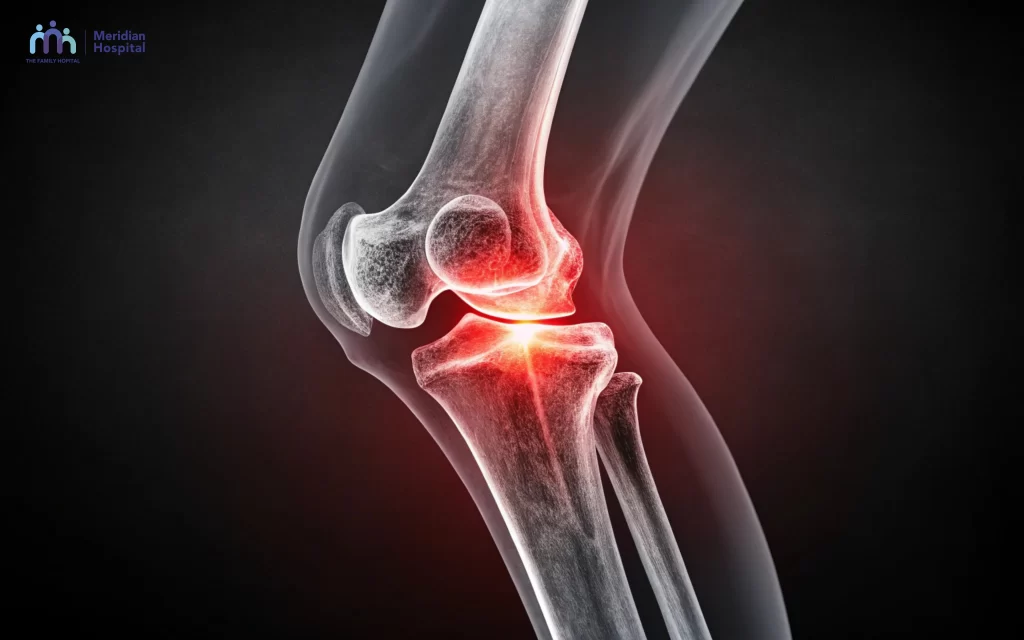
Arthritis patients experience that their arthritis pain becomes more severe in colder seasons. Arthritis pain in cold seasons is no new issue, especially for the senior population, as well as patients with chronic arthritis. Reduced temperature, lack of exercise, and a change of lifestyle that accompanies the season could contribute significantly to increased stiffening, as well as increased inflammation, of the joints. In this blog, it is discussed how arthritis pain occurs, the symptoms it usually presents, treatments that need to be taken at home, factors involved in the treatment of arthritis cold season pain, and preventive methods to keep the patient active and comfortable throughout the cold season. What Is Arthritis? Arthritis is called as such even though it means the inflammation of one or more joints, which results in pain, stiffness, swelling, and reduced movement. Anyone, both the young and the old, can suffer from it. The type that one experiences may be either gradual or sudden. Arthritis is one of the leading causes of chronic joint pain or disability of the joints in the world. Furthermore, it brings about disabilities of movement, and in severe cases, it causes permanent damage to the joints. Common Types of Arthritis Osteoarthritis Osteoarthritis is a common form of arthritis and is characterized by a slow wearing down of the cartilage that cushions the ends of bones in your joints. When that happens, the pain may be in the knee, the hip, the back, or the hands. This discomfort is typically Rheumatoid arthritis Rheumatoid arthritis is a symmetrical autoimmune disease that targets the synovium, the joint lining. That lining, known as the synovium, is under attack and can become inflamed, swollen, and lose its ability to function. Joint stiffness and deformity may develop, and ultimately, loss of function may ensue. Cold Season may worsen the symptoms of this disease and joint pain. Psoriatic arthritis Psoriatic arthritis may also be combined with the skin condition psoriasis. Among these are pain in the joints, changes in the skin and changes in the nails. The pain is aggravated by joint pain when it is cold outside. Gout Gout occurs due to uric acid, which develops crystals within the joints. This causes severe joint pains, particularly in the big toe. During the cold season, a person can be driven to attack, and this can be as a result of dehydration, over-indulging in food or too much alcohol. Why Does Arthritis Pain Increase in the Cold Season? Cold Weather and Joint Rigidity Colder weather causes muscles, tendons, and ligaments to contract. As flexibility diminishes, stiffness builds around the joints, so painful arthritic symptoms become more pronounced – especially on waking. Changes in Barometric Pressure Decreases in barometric pressure ( atmospheric pressure)The tissues of the joints expand marginally. This expansion causes increased pressure and pain in inflamed joints. This explains why the pain in joints from cold weather may usually get worse before or during any weather change. Reduced Physical Activity Very common during the coldseason, a decrease in movement due to cold weather is another reason for increased joint stress, with musculoskeletal pain and worsening of joint stiffness due to lack of movement Poor Blood Circulation in Cold Weather Cold leads to vasoconstriction (narrowing of blood vessels, resulting because muscles contract), thus reducing blood flow to the extremities. Less circulation increases pain sensations and retards recovery, increasing arthritis symptoms. Common Cold Season: Arthritis Symptoms People with arthritis pain during the cold season may feel: Constant mental and physical joint pain Stiffness and swelling in the joints, particularly in the morning Swelling and irritation worsened Decreased motion range Tired and achy Trouble walking and holding things Such symptoms tend to be more intense in individuals whose joints are already inflamed or who suffer from later-stage arthritis. Home Remedies for Arthritis Pain in the Cold Season Stay Warm and Layer Up The heat from the joints relieves stiffness and pain. You can ease the pain of arthritis in the cold by layering up with thermals, gloves, knee-high socks and socks and the like. Regular Gentle Exercise Flexibility of the joints is maintained by low-impact exercises like walking, stretching, yoga practice, and indoor exercises. Frequent exercise will decrease cold-season arthritis pain and increase circulation. Hot Compress and Warm Baths Heat treatment helps to relax muscles and to raise blood circulation. Hot baths and hot compresses are good in relieving joint pains during the cold season. Joint Health cold season-Friendly Diet. A proper diet that is full of nutrients will help lubricate the joints and it decreases inflammation. The hydration is also critical even during cold weather. Maintain a Healthy Weight Obesity causes extra weight on the weight-bearing joints, such as the knees and hips. Weight management is very crucial in the pain management of arthritis in the long term. Foods That Help Reduce Arthritis Inflammation Omega-3 Rich Foods Fish rich in fat, flaxseed, and walnuts are nature’s treatment for inflammation and arthritis pain. Vegetables and Fruits According to Season The kale, carrot, orange, and berry are all very good antioxidants, which help to maintain both the joints and the immune system. Spices Pounded turmeric, ginger, and garlic work together to reduce the swelling and make the joint more pliable. Not Recommended Food in the cold season Junk food, sweet snacks, low-quality carbs, and too much red meat can all make the inflammation of the joints and the pain associated with it worse. Medical Treatment Options for Cold-Season Arthritis Pain Pain Relief Medications The prescription of medications to mitigate inflammation and control pain may be tailored to individual requirements. Under medical care, these arthritis medicines to treat joint pain should be taken religiously. The use of drugs to reduce inflammation and pain can be customised. In a supervised environment, you should follow these arthritis medicines to treat joint pain. Physiotherapy and Rehabilitation Arthritis pain physiotherapy enhances joint strength, flexibility and motion. It reduces stiffness and prevents further joint damage with regular use. Joint Injections Joint injections can also be used to relieve pain in cases of extreme discomfort, they help reduce inflammation and provide longer-lasting relief. Advanced Arthritis Treatments Orthobiologics Contemporary therapies,