8 Stages of Trauma and Recovery
People who go through trauma usually find it extremely hard since it brings emotional and mental difficulties that need time to resolve. Being aware of the stages of trauma and recovery gives families and individuals hope for a healing outcome as they are given time, care, and enough support. What Is Trauma? When someone goes through a serious and unsettling event, they may experience trauma. Such an outcome may happen through accidents, acts of abuse, sudden illnesses, disasters, or the sudden death of someone close. Whereas certain individuals get back to normal easily, other people typically stick with emotional issues for some time, including fear, anxiety, or a sense of being disconnected. The impact of trauma depends on a person’s feelings and reactions to what happens, not only on the specific event. Just like everyone’s experiences are different, their responses may be different, and that’s fine. Stages of Trauma No magical solution exists for trauma healing, but experts agree on the important steps a person goes through. Around 7 out of 10 people in the world will go through a potentially traumatic experience at some point in their lives. Based on the idea of the 5 stages of trauma and therapy, the normal recovery process consists of 8 phases. 1. Shock and Denial The body acts quickly in this way. Some of the first symptoms could be shock, not knowing what to think, or simply not being able to believe it. It makes sure your mind does not become too confused during this activity. 2. Pain and Guilt With shock no longer in the way, difficulties with emotions appear on the scene. A few individuals blame themselves for the situation even when they are not responsible. 3. Anger and Frustration A large number of adults struggle with managing their anger, and studies show that about 30% face challenges with it. When emotions grow strong, anger can affect people, large organizations, or you personally. Naturally, you are responding like this when you are trying to understand what happened. 4. Depression and Isolation At this step, people may feel sad, have less motivation, or prefer being by themselves. Keep telling yourself that the work of healing has not stopped, even if you’re not aware of it. In case things feel too difficult, recall that emergency mental health assistance is available at the best multispeciality hospital in Kolathur, Chennai. 5. Rebuilding and Acknowledgment In this step, you see what happened and learn to deal with your emotions. At this point, people begin to understand their feelings better. 6. Working Through You deal with your memories, restore your self-esteem, and begin to meet challenges in your everyday situations. Being in therapy can greatly help in this part of the recovery. 7. Reconnection and Meaning It is common for victims to consider the effects of their trauma and look for the valuable lessons or reasons that came from it. 8. Empowerment and Integration The last part includes becoming both physically and mentally stronger. Now you view yourself as someone who has gone through difficulties and learned from them. For women navigating deeper health shifts, understanding hormonal balance is key. It’s also essential to know how to respond in critical situations; this medical emergency guide can help you stay prepared and confident. Treatments for Trauma People experience recovery in their own way, though there is help available to aid healing at every step of recovery: 1. Counselling and Talk Therapy During therapy, people are given a chance to discuss difficult emotions and thoughts related to their experiences. People with ASD often try out CBT and trauma-focused counselling. For expert guidance from the comfort of your home, explore Meridian Hospitals’ Teleconsultation Services. 2. Group Support Being in a support group makes individuals feel supported and linked to others who have gone through the same thing. 3. Mind-Body Practices Yoga, breathing fully, and following a relaxation plan support healing of both the body and mind. They are very safe to use daily. 4. Medical or Psychiatric Support Sometimes, drugs are given to handle the signs of anxiety or insomnia in patients. Do not make decisions without talking to a professional first. 5. Routine and Self-Care Long-term recovery benefits a lot from sleep, good nutrition, physical exercise, and any creative activities individuals enjoy. Understanding the role of timely medical intervention can also make a big difference; Read more about why emergency care matters to stay informed and prepared. Final Thoughts When you know the different steps in trauma recovery, you are better able to wait and support both yourself and your friends or family. The process of healing can be up and down, but that is normal. Try to take care of yourself in whatever way you are able to every single day. Meridian Hospitals’ team of specialists provides both emotional and psychological help to aid in all types of healing. You will never have to face challenges without support. Learn more about our emergency and trauma care services and get the help you need when you need it most. FAQs Q1: How long does trauma recovery take? There is no fixed timeline. It varies by individual, type of trauma, and support system. Q2: Is professional therapy always necessary? Not always, but therapy is helpful if trauma symptoms interfere with daily life or relationships. Q3: Can trauma return after years? Yes, certain triggers or stressful events can bring back old feelings. This is normal and manageable. Q4: What are the signs I’m healing from trauma? Better sleep, improved focus, fewer emotional triggers, and feeling more connected to others are positive signs. Q5: How do I support a friend going through trauma? Listen without judgment, offer gentle support, and encourage them to seek help if needed.
5 Medical Emergency Signs You Need Immediate Care

An emergency can occur suddenly, even if you are not ready for it. If you are aware of what makes a medical emergency and what to do about it, you could protect your health or save a life. It serves as a reference for you to tell a medical emergency apart, notice the first signs, and know when it’s safe to call for immediate attention. What Is a Medical Emergency? A medical emergency happens when a serious illness or injury could dangerously affect someone’s health or life if swift treatment is not given. Examples can be sudden pain, blacking out, having trouble breathing, or significant bleeding. Fast understanding and intervention can have a significant effect on the end result. Emergencies in medical care are possible for people of all ages, and they are not limited to the elderly or people with health conditions. Recognizing the Most Common Medical Emergency Signs There are about 40% of emergency cases made up of individuals between 15 and 40 years. Because of these areas, we require different efforts geared toward preventing and managing these problems in young people. Some signs can show a true emergency is occurring: Severe discomfort in the chest that keeps coming back Trouble or discomfort while breathing A sudden sensation of being disoriented Fainting or an inability to respond are the main signs of loss of consciousness. Injury bleeding that doesn’t get better after you press on it When a seizure happens for the first time or lasts a long period A child who has a severe fever along with convulsions Weakness or numbness appearing all of a sudden on one side Constantly vomiting or having diarrhoea, especially when the body is dehydrated When the face, lips, or throat fill with water (from swelling) or trouble when breathing, it can indicate an allergy. Strong pain, such as what would be seen with abdominal or head injuries Whenever you feel unsure, it is always better to go to the emergency room or call your healthcare provider. Meridian Hospitals offers 24/7 emergency services to ensure you get the care you need, anytime. Which Symptoms Need Immediate Medical Attention? Certain symptoms might not appear major at first, but they often get worse very fast. You should act quickly in these circumstances, in particular: 1. Breathing Difficulty It could result from asthma, a reaction to an allergen, or some heart-related condition. When a person doesn’t speak normally or seems short of breath, get medical help as soon as you can. 2. Chest Discomfort The symptoms of a heart attack can differ from one person to another. If someone has a burning sensation or pain in the chest, especially with focusing on the arm or jaw, they may be having a cardiac event. Also, you must be aware of certain heart stroke warning signs and take prompt action when they occur. For a deeper understanding, read our guide on the early signs of heart attack symptoms. 3. Unusual Behaviour or Mental Changes If someone looks confused, speaks in a difficult-to-hear manner, or can’t understand you, it could indicate a stroke or similar issue. Acting fast is crucial; discover why the first 60 minutes after trauma is so critical to understand why every minute counts. 4. Uncontrolled Bleeding Bleeding that keeps flowing even with direct pressure may mean there is an internal problem. Put a wrap on the wound and go to the emergency room as soon as possible. 5. Sudden Falls or Head Injuries If a person gets a head injury and becomes sleepy, throws up, or has different-sized pupils, they require a scan as soon as possible. Knowing how to act quickly in such situations can save lives; refer to our medical emergency guide for essential steps to take. How to Prepare for a Medical Emergency If you are prepared, you will cope better with any emergency, and the outcome may become more positive. These are some common tips to know: Always make sure there are numbers for the ambulance, local hospital, and your family doctor ready to use. You can also visit the best super specialty hospital in Kolathur, Chennai to avoid any medical mishaps. Make sure to keep a file with details about your prescriptions, allergies, and your previous medical events. Make sure there is an emergency contact list in your child’s school bag or wallet. Keep calm, offer comfort to the person, and perform basic first aid until professionals come. Common Mistakes to Avoid During Emergencies In some cases, short delays or assumptions turn into bigger risks. Power lines have to be handled with care, so try to avoid these wrong actions: Trying to ignore illness, due to the hope they’ll improve Trying to resolve issues on your own using the internet instead of receiving help from a professional Delay before calling an ambulance for chest pain or seizure Not alerting the hospital in advance as you head to it Offering food or drinks to an unconscious person might lead to choking. Some people use medications first. As per, National Library of Medicine, mistakes related to medications happen in about 8% to 25% of cases. It is always a good idea to be careful and react rapidly. With Meridian Hospitals’ Doctors on Wheels 24/7 service, expert medical help can reach your doorstep when you need it most. Final Thoughts Recognising the signs of a medical emergency can make the difference between timely treatment and life-threatening delays. Whether it’s a stroke, head injury, heart issue, or trauma, early action is critical. Don’t ignore symptoms like confusion, slurred speech, uneven pupils, or chest pain; these are
What to do in a medical emergency: A Complete Step-by-Step Guide

A medical emergency occurs for various reasons; these situations may be critical and life-threatening. Medical emergencies can occur due to an accident, sudden traumatic health conditions like a heart attack, or even due to causes and reasons unknown. As humans, we all panic and do not understand how to react or help in these situations that need immediate attention. Let us begin by understanding the importance and meaning of emergency care. What Is A Medical Emergency? A medical emergency refers to a sudden health issue or condition that demands urgent attention and action. A person needing medical emergency care is in a severe health crisis, struggling to survive and calling for life support. These situations, asking for medical emergency care and immediate health support, are called medical emergencies. Most Common Medical Emergencies Before knowing the steps for a medical emergency, learning the cause and noting the most common emergencies is essential. Let us look at the most common emergencies below. 1. Heart pain or discomfort Heart pain or discomfort in the chest is one of the most common emergencies. Symptoms and pain may occur in the right hand, arms, neck, and jaw. If sudden squeezing or pain in the heart occurs, the person may have a heart attack. 2. Breathing discomfort or Respiratory emergencies A person suffering from breathing discomfort may require immediate oxygen support. The reason for the uneasiness can be a lung infection, asthma, kidney failure, or other conditions. Observe the signs and indications for immediate treatment. 3. Fatigue and unconsciousness Common emergency conditions like fatigue and unconsciousness occur due to injuries, accidents, bleeding, or other reasons, such as sunstroke. 4. Sudden fever or viral Some other circumstances requiring immediate admission are a sudden fever, jaundice, viral infection, high temperatures, or complicated sudden viral infections. 5. Road accidents Statistical reports in India 2025 say the most common emergencies occur due to road accidents, with an average of 13,17 road crashes and 474 fatalities every day. 6. Other health conditions There can be several causes of a medical emergency, and a key factor to consider is the presence of serious health conditions that demand urgent attention. Conditions like kidney failure, hypertension, uncontrolled diabetes, respiratory illnesses, HIV/AIDS, and cancer may all require rapid response. In such situations, seeking help from a 24/7 emergency response center in Chennai can make all the difference. Rest assured, emergency helplines are always available to provide immediate support and care. What to do in a medical emergency- Important steps to follow Below are some essential steps and measures you must follow in case of medical emergencies. Follow them until you receive immediate help and support. In case of emergencies, reach your nearest hospital. Step 1: Remain Calm, positive, and assertive During a medical emergency, the most crucial advice for all is to remain calm and avoid panic. Reacting and surrounding the patient and family with questions and anxiety can affect the patient’s emotional health. During a medical emergency, remain quiet, breathe easily, and understand how to help calmly and positively. Taking action early is more effective than reacting later. Note: If the patient is conscious or has heavy bleeding. If he is suffering from breathing difficulty or has a health emergency. Step 2: Call for emergency support Once you have understood the nature of the emergency, call the emergency services or the health care professionals available in your vicinity. Note: A)The address or details of the emergency spot. B) Details of the patient’s medical history. c) And other medical conditions, such as if the patient is pregnant, etc. Step 3: First Aid The next important step for medical emergencies is to provide first aid to the patient in need. You need to follow a few First-Aid Tips and steps during medical emergencies. First Aid tips for each situation or condition are different, and you can only perform them if you are professionally trained or know how to give First Aid. Ensure you call for immediate support if you are not prepared or informed. Emergency condition 1: Loss of blood If the patient is bleeding or injured due to an accident at home or a road accident, follow these steps. A) Gently clean the wound and cover the bleeding area with cotton or a bandage. If possible, rinse with water or apply ice to soothe the affected spot. B) Ensure the patient stays awake and responsive while you arrange for medical help or transport to the hospital. Emergency condition 2: Sudden heart attack In case of a sudden heart attack, begin CPR if the person is not breathing. Perform CPR only if you are a trained professional. Call for help. Emergency Condition 3: Seizures If a person is suffering from seizures or epilepsy, ensure you do this. Sometimes, a car jerk or an accident can also cause seizures. A) Stay with the patient and ensure their airway is open B)Avoid putting anything in their mouth C)After the seizure, bring the patient back to a comfortable position and check for breathing problems. Step 4: Look for emergency care services The fourth step in a medical emergency is to seek emergency care services and transport or take the patient to the hospital. If you cannot move the patient, do not attempt to move them; instead, wait for emergency care professionals to arrive and transport them to the hospital for treatment. It is essential to use immediate help during traumatic conditions, as it will help mitigate the patient’s suffering. Step 5: Stay informed and use preventive guidelines Medical emergencies are uncertain; you do not know when they will occur. Here are a few tips to avoid an emergency. A) Follow a healthy diet and sleep routine. B) Stay cautious with your health, especially if you have a genetic family health history. Make it a habit to get routine health check-ups and keep track of your overall well-being. C) Learn First Aid- If you do not know how to perform first aid, consider learning. D) Keep your surroundings safe
Golden Hour in Trauma Care-The first 60 minutes for Saving lives
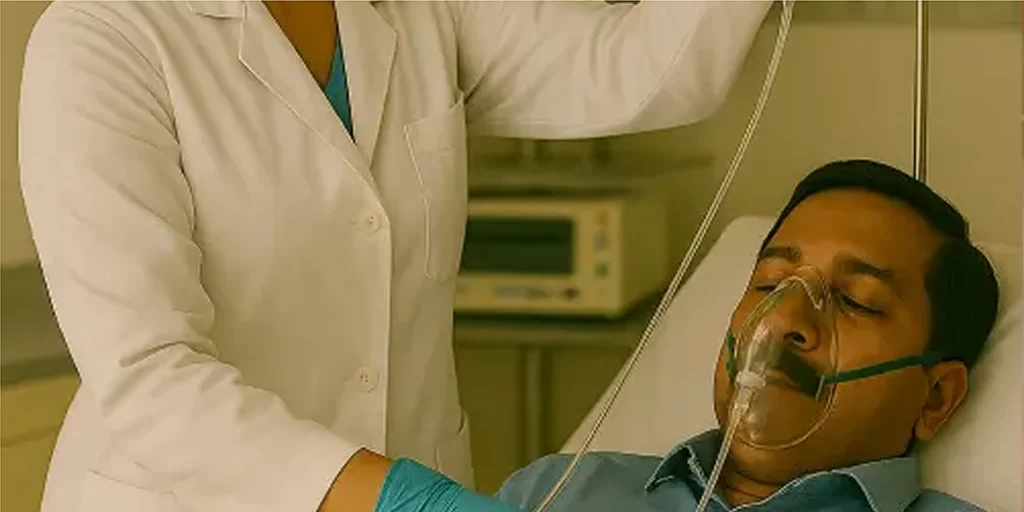
In trauma care, the golden hour refers to the critical first 60 minutes following an accident or serious injury. During this period, it is crucial to provide critical care. The patients need the utmost health support for survival to bring them back from the fatal injury or unconscious state. It is a crucial window for optimal recovery, during which patients need trauma care and emergency assistance for life-threatening injuries. It is distressing to learn that India records around 1.72 lakh road accidents each year. Most people attending to patients do not know how to give first aid or lack awareness of how to react during such emergencies. It is essential to learn how to provide first aid tips during road accidents to save lives. Furthermore, there are many reasons and critical situations that require immediate health intervention. This blog explores the importance of the Golden Hour in Trauma, the gap in care, and the facilities that hospitals provide. Why do we need trauma care? Trauma care is required by patients suffering from fatal road accidents, sudden heart attacks and other critical health reasons. At times of medical emergencies, CPR is required for sudden heart attacks or shocks caused by critical accidents requiring speedy recovery. Hospitals and emergency care play a important role in addressing these health issues by identifying gaps and prioritising life-saving interventions. Common emergencies requiring Trauma care in India 1. Road Accidents-RTAs Road traffic accidents in India remain the most common emergency needing trauma care. Road accident emergencies can be fatal and may lead to mortality and deaths. An alarming 67.3% of trauma cases occur due to road accidents in India. 2. Falling from heights Emergencies requiring immediate admission also include injuries caused by falling from heights. These pertain to brain injuries and heavy bleeding common among children and individuals above 70 years. 3. Physical Assaults and Domestic Violence It is appalling to note that in Tamil Nadu, violent incidents, physical harassment, and domestic violence continue to lead to situations requiring urgent medical attention. In such critical moments, reaching out to a multispeciality hospital that offers emergency care can be life-saving, as innocent lives are often at stake and timely intervention is crucial. 4. Factories and Residential accidents Factories and outlets record accidents for various reasons. These include hazardous events such as the leakage of harmful gases, carbon emissions, fires, and other leaks. Fire accidents and thefts in residential areas also require immediate trauma care services. 5. Sudden and unforeseen calamities Floods, earthquakes, tsunamis, landslides, and other natural calamities require immediate support and emergency care. Early assessment and management of Trauma Early assessment and management of Trauma in India emphasizes eradicating the gap in infrastructure facilities and coaching more professionals to help during emergencies, especially during pre-hospital care when patients require immediate assessment. Advanced Trauma Life Support (ATLS) serves as the primary framework for managing emergencies effectively. These guidelines and protocols are widely- followed in India during critical life-threatening situations. Primary survey-ABCDE Airway: Maintaining a clear airway during severe spinal injuries is the foremost requirement. Breathing: Monitoring the Respiratory organs and providing oxygen or ventilation support. Circulation: Symptoms of shock, hypotension, tachycardia, and altered mental status need to be assessed to help maintain blood and fluid circulation. Disability: Checking the neurological status, consciousness, pupil response, and identifying spinal cord injuries and other neurological issues. Exposure: Physical examination, clearing wounds, and changing the patient’s clothes to protect him from hypothermia. Resuscitation: In an emergency, every second counts. The first step called the primary survey focuses on making sure the patient can breathe, their heart is pumping, and their airway is clear. Once they’re stable, doctors move to a full-body check to spot any hidden injuries. this is the secondary survey. From there, the right treatment is given based on what’s found. If you or a loved one ever needs help, book an appointment here we’re here to guide you with care and compassion. FAQS FAQ 1: What is the protocol for trauma care? As of 2025, the ATLS (Advanced Trauma Life Support) protocol serves as the standard guideline for trauma care management. The critical care guidelines include performing primary surveys, resuscitation, secondary surveys, and definitive care during emergencies. Visit the best multispeciality hospital in Chennai for speedy recovery from traumatic injuries. FAQ 2: Why do we need trauma care in hospitals? We need trauma care during severe injuries, road accidents, falls, and other circumstances requiring immediate intervention for care and hospital admission. The golden hour in trauma care addresses these common emergencies that require immediate care. Reach out to Meridian Hospital for immediate support during trauma care. FAQ 3: What measures has India taken to eradicate the accident crisis for the commoner during trauma care? In India, the most common emergency is caused by road accidents. Government measures include providing free medication to economically affected sections for the general welfare of the people. The Rah-veer scheme is a grant or Award given to the Good Samaritan, the person who has saved the life of a victim during a critical accident. FAQ 4: Who to call in case of medical emergencies? Reach out to common helplines, such as 108, for ambulance services or call the nearest hospital located near the accident site. Meridian Hospital has the best facility; book an appointment to receive immediate care when every second counts.
First Aid Tips to Remember During Road Accident
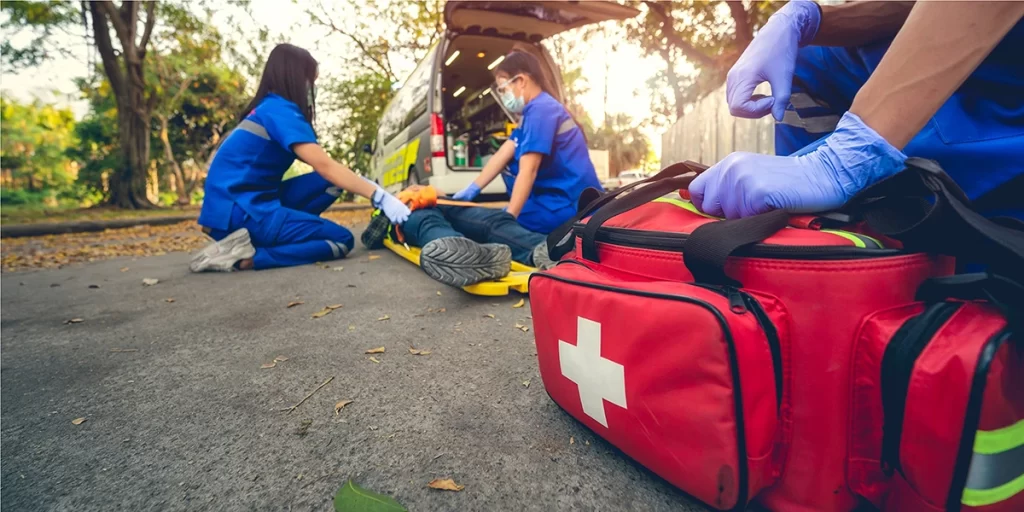
India recorded over 1.80 lakh road accident deaths in 2024, averaging nearly one life lost every 3 minutes. These aren’t just numbers, they represent people who might have been saved with timely help. The reality is, that most bystanders freeze or panic during such emergencies, not because they don’t care, but because they don’t know what to do. In those first few minutes after an accident, the right action can mean the difference between life and death. That’s why learning basic first aid for road traffic accidents is more than just useful, it’s vital. In this blog, we’ll guide you through 7 essential first-aid steps you can take before emergency services arrive, helping you stay prepared to act quickly, calmly, and effectively when it matters most. Why is First Aid Necessary? First Aid is necessary to address the pain and suffering caused by fatal accidents. It can aid the patient until he receives immediate health or medical support from emergency care. Learning first aid Tips can help even during fire accidents or any health emergencies. Read more to learn the seven steps to first aid. You must know these basic first aid steps as they will significantly help during immediate support. What are the 7 steps of first aid? Step 1. Secure yourself: If you or your near one is hurt make sure you don’t panic try to breathe and move to a safer place. Step 2. Check the person’s response: Make sure, the person affected is active and conscious. If he has lost some blood, it is important to keep him awake and responding. Step 3. Use the emergency Call line: Use emergency helpline number 108 to call an ambulance for immediate help. If necessary, take the patient to the nearest hospital to give him the best treatment in the emergency department. Don’t delay in admitting the patient, if you’re nearby, head straight to Meridian Hospital in Kolathur for urgent care. Step 4. Move only if necessary: If you don’t know how to carry or move the person in danger it’s better to let him relax. If it’s an emergency situation like a fire accident then move him immediately to a safer place. Step 5. Don’t Move the Person (Unless Necessary): If there’s no immediate danger (like fire), don’t move the victim. Moving them could cause more harm. If you need to move him immediately, be extra careful while holding their head and back. Step 6. Look for airway congestion: If the person is choking or unable to breathe make sure to clear his airway passage, this will help him feel better. If the person is still not responding then give him CPR to help him from choking. Step 7. Heal the wounded area: If the person is bleeding heavily make sure to clean his wound with a cloth and try to stop the flow of the blood. Be around the person and keep him calm and relaxed until you receive help from a 24/7 Emergency care provider. Common mistakes to avoid during first aid First Aid for an injured person must be given with utmost care. Do not rub or irritate the area of injury. Do not crowd the person at the place of the accident, help him breathe, and give the family of the affected one some space. Do not waste time observing or taking videos instead make sure there is no one around him and try to help him with immediate care. Do not perform CPR if you are not trained this will only further worsen his case it is better to take him to the immediate hospital centre. Do not try to tilt the head or neck of the injured person; this may sometimes block the airway, causing difficulty in breathing. Road safety Guidelines to follow The guidelines laid by the traffic police of India are important to follow. Every country has its specific road policies that we must not break to be safe and avoid accidents. 1.”Don’t drink and drive.” Always carry your driver’s license and insurance papers; it will help during uncertain accidents. Do not drive rashly or be too adventurous. This may lead to accidents. Let’s be more cautious. Always wear your helmets and seatbelts while driving. Do not use cell phones while driving if it is urgent do find a corner parking space or park left. Do not overtake from the left side; this will lead to accidents that always follow the right-hand side rule. Conclusion There are lakhs of accidents happening in India every day. A number of patients are rushed to hospitals every day due to road accidents. These accidents occur due to negligence and breaking the guidelines of road traffic. Following the necessary 7 steps of First-Aid to help your near and dear ones during road accidents. Stay safe and reach out to immediate helplines for emergency support. Emergency Call: 044 6666 9999 to receive immediate health support for road accident injuries. FAQs How to perform First-Aid for road accidents? There are 7 steps to First Aid: These include securing to a safe place, checking the person’s response, Calling an emergency helpline, Moving if necessary, looking for airway congestion, and healing the wounded area. Is CPR for road accidents necessary? CPR or Cardiopulmonary Resuscitation is performed to give life-support to patients suffering from chest pain or breathing due to road accidents. It is advised to perform CPR only if you are trained to kindly resort to immediate helplines to resolve critical conditions. Why is First Aid necessary? First Aid is necessary because it helps save the lives of people during sudden accidents. Immediate care and kneading of the wounds of the injured are essential to help your near and dear ones. Are there any First Aid Tips? Some quick and essential tips are to give ice packs and wash the burning area with cold water. Call108 or your nearby hospital for emergency admission. Why are road safety rules important? It’s important to know and follow
Importance of Emergency Care: Be Prepared, Stay Safe, Trust Expert Help

Have you ever wondered what happens when a sudden medical emergency strikes, and whether you’ll get help in time? The Importance of emergency care isn’t just about having a hospital nearby. It’s about having trained professionals ready 24/7 to save lives when every second matters. At Meridian Hospital, we know that fast action can change outcomes, ease suffering, and bring families peace of mind. In this blog, discover why timely emergency care matters, what key services you should know about, and how to prepare when urgent calls. 24/7 Emergency care services are designed to respond to urgent health needs, ensuring that patients receive quick and effective treatment. Whether it’s a sudden injury, a significant illness, or a critical condition, timely intervention can greatly improve outcomes. What is emergency care, and why is it needed? Emergency care refers to the prompt medical attention provided to individuals facing sudden or serious health concerns, such as injuries or illnesses. The focus is on offering immediate support, helping to stabilize the patient, and ensuring they receive the right care to manage their condition effectively. Who needs emergency care? Patients suffering from critical conditions like heart attacks and other severe and adverse life-threatening problems need immediate health support. The role of emergency care is to provide immediate treatment in critical situations, stabilizing patients and preventing complications. It’s needed because timely intervention can save lives, reduce long-term damage, and improve recovery by offering rapid, specialized care when every moment counts. The WHO framework(2018) divides these services into two broad classifications. Prehospital Care Care in health units (Intensive Care units ICUs) Emergency care is needed to treat critical patients suffering from severe health conditions. Identifying their problems and providing the best medical services requires qualified specialists, Doctors, or assistants to treat these conditions. There are many hospitals that provide specialized services, some of which may be cancer specialties or the best Heart health hospitals. One must identify the best care service to treat the patient in need. At Meridian Hospital Chennai, health care emergencies and trauma are given immense support for patients suffering from critical emergency conditions read further to learn more about the key components of emergency care. Key Components of Emergency Care When considering emergency care, it’s important to understand the benefits of quick access to nearby medical support. Choosing the closest reliable facility can make a significant difference. For instance, if Meridian Hospital is the nearest specialized center in your area, it’s a smart choice to contact them for urgent care or consultation. Triage Hospitals provide medical emergency care by identifying and sorting the health cases and filtering the most critical and the minimal ailments to treat their patients with the best and most timely support. This process of sorting out is called Triage, an essential step for Emergency care units. The emergency rooms are allocated based on urgency. Admission After this, hospitals provide the best customer support to help the patient connect with his Doctor for immediate support and assistance. Once the nature of the patient’s health is known, the hospital attendants transfer him or her to the concerned department for immediate admission. Depending upon the adversity of health, a patient receives assistance and support. With the best technology and solutions, hospitals now provide fast and quick service to every patient. Diagnosis and Laboratory tests Every hospital nowadays has its own diagnosis and laboratory centers inside the specialty. Doctors prescribe laboratory tests upon knowing the patient’s health condition. It is the duty of a hospital to ensure comfort, relief, and support to patients during emergency admissions. Medical care and tests take some time. The role of an ECS is to provide the necessary health services at all points. Treatment, discharge, and postoperative assistance Once the diagnosis is done the patient is given the best treatment by specialized doctors. If a patient needs critical care and medication, he is assisted immediately. With research and technology, treatments are now more painless and treatable. There is no need to worry anymore. If the condition needs more attention, shifting the patient to a higher specialized center is advisable. After adequate treatment is received, hospitals discharge patients. This process is also tech-driven. There is no need to wait and carry huge medical reports home. Life-Saving Concepts in Emergency Care What is the Golden Hour Rule? The Golden hour is the critical first hour after a serious medical emergency or injury, during which prompt treatment greatly improves the chances of survival and recovery. Role of 24×7 Emergency Services Round-the-clock emergency care, including our 24×7 trauma care unit, ensures timely, life-saving medical attention whenever urgent situations arise. Ambulance service Always on call 24/7, our ambulances provide fast, safe transport with trained personnel and essential equipment. 24×7 Dialysis Center Continuous dialysis support for patients with kidney conditions is available any time it’s needed. 24×7 Pharmacy Accessible at all hours to ensure uninterrupted access to essential medications and prescriptions. Laboratory Around-the-clock diagnostic services deliver accurate, timely results to support urgent and ongoing care. 24×7 Cafeteria Open all day and night, offering meals, snacks, and beverages for patients, visitors, and staff. Why Choosing the Right Emergency Care Facility Matters In a medical emergency, every second counts. If Meridian Hospital is your nearest facility, it’s a smart choice for urgent care Offering 24×7 Emergency services in Chennai, trained staff, and advanced support to ensure timely, effective treatment when it’s needed most. When choosing an emergency care facility, consider key factors like availability, ensuring 24×7 access; specializations, such as trauma care or cardiac support; and speed of service, which can make a critical difference in urgent situations. Together, these elements ensure reliable and effective care. For consultations or emergency support, you can also Book an Appointment with our team to ensure timely and focused care. What We Treat at Meridian’s Emergency Department At Meridian’s Emergency Department, we handle a variety of urgent conditions, including injuries, heart attacks, strokes, respiratory issues, and infections, providing prompt and compassionate care when you need it most.At Meridian Hospital,