
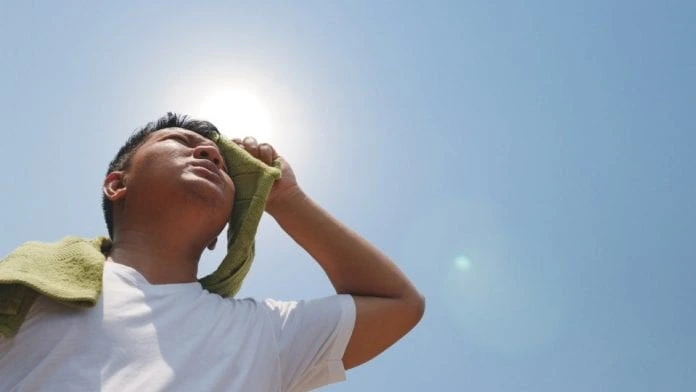
When Chennai crosses 40 degrees, dehydration symptoms in summer India don’t arrive with fanfare. No dramatic collapse, no obvious warning. They show up as a dull headache, a dry mouth, legs that feel heavy for no clear reason — and most people file all of that under ‘just the heat’ and carry on.
That’s the problem. By the time you feel thirsty, your body fluid levels have already dropped enough to affect how you think and function. Thirst is a late signal, not an early one.
Here’s what your body is actually trying to tell you — and what most people consistently get wrong about staying hydrated through an Indian summer.
| ⚡ Quick Answer: What are the first signs of dehydration in summer?
Dark urine, a dry mouth, a low-grade headache, and muscle cramps are the first real signs of dehydration — most of which appear before you even feel thirsty. In Chennai’s summer heat, these symptoms can escalate to dizziness, confusion, and heat stroke within hours if ignored. |
Your Body Gives You Warnings. Most People Ignore Them.
Here’s something that surprises a lot of patients: thirst is not an early warning sign. By the time your brain tells you to reach for water, your body fluid levels have already dropped enough to affect how you feel and function.
The earlier signals? They’re quieter. Easier to dismiss.
Dark urine is usually the first one — that deep yellow or amber colour means your kidneys are conserving water because there isn’t enough to go around. A dull headache that shows up around noon, especially if you’ve been outdoors or sitting in a warm room, is another. Muscle cramps in the legs — particularly in the evenings — are something people constantly blame on ‘too much walking’ when it’s often just dehydration.
Brain fog counts too. That fuzzy, unfocused feeling where you re-read the same message three times — that can be dehydration, not distraction.
Early Dehydration Signs to Watch For
- Dark yellow or amber urine — first and most reliable indicator
- Dry mouth and sticky saliva
- Low-grade headache, especially around midday
- Leg muscle cramps in the evenings
- Brain fog and difficulty concentrating
- Feeling unusually tired without exertion
When ‘Just Tired’ Becomes a Medical Problem
Moderate to severe dehydration feels different. There’s a shift that happens — from ‘I should drink some water’ to ‘something is actually wrong here.’
Watch out for dizziness when you stand up quickly. A heart that’s beating faster than normal for no obvious reason. Going six or more hours without needing the bathroom. Eyes that look sunken when you check the mirror. A feeling of faintness that doesn’t pass when you sit down.
| ⚠️ When to Go to Hospital Immediately
Repeated vomiting and inability to keep fluids down • Confusion or disorientation • Fainting or near-fainting • No urination for 6+ hours • Skin that stays ‘tented’ when pinched — these are signs of moderate to severe dehydration requiring IV fluids, not home ORS. |
These signs of dehydration in adults mean the body is struggling, not just asking. And in Chennai’s summer climate — especially for anyone over 60, under five, managing diabetes, or working outdoors — that struggle can escalate into heat exhaustion or heat stroke faster than most people expect.
Heat Stroke Is Not the Same as Dehydration
Heat stroke is when the body’s temperature regulation fails entirely — core temperature climbs above 40°C, sweating stops, and confusion sets in. That’s a medical emergency. Someone who collapses and stops sweating in this heat needs a hospital, not a glass of water and a rest.
| Dehydration | Heat Stroke | |
| Cause | Fluid loss exceeds intake | Body’s cooling system fails |
| Core temp | Normal or mildly elevated | Above 40°C — dangerous |
| Sweating | Excessive sweating present | Sweating stops — red flag |
| Alertness | Mildly affected, foggy | Confusion, disorientation |
| Treatment | ORS for mild / IV fluids if severe | Emergency hospital care only |
The Chennai-Specific Problem Nobody Talks About
South Indian eating habits — as delicious as they are — don’t always help with hydration. Heavy spice loads and salt in everyday cooking increase fluid loss through sweat. Three cups of strong filter coffee before noon? Caffeine is mildly diuretic. Alcohol the night before a hot day? Your body is already running a deficit before you’ve stepped outside.
And here’s the thing about buttermilk, tender coconut, and fresh lime — yes, they’re great. They contain electrolytes your body actually needs in the heat. But they don’t replace plain water. They supplement it. The 3–4 litres your body needs on a hot April day has to mostly come from water itself.
Common Summer Dehydration Triggers in Chennai
- Excessive filter coffee or tea in the morning — caffeine increases urine output
- High-salt, high-spice meals that increase sweat loss without fluid replacement
- Alcohol the previous evening depletes body fluid reserves overnight
- Outdoor work or travel between 11 am – 3 pm in peak summer
- Inadequate fluid intake in air-conditioned offices — you don’t feel thirsty, but you’re still losing water
- Children and elderly family members are particularly vulnerable — they feel thirst later than adults
What Actually Helps — And What Doesn’t
Sports drinks are marketed heavily as the solution to dehydration. For most people going about a normal day in Chennai — not running a marathon — plain water and a sachet of ORS does the job better and cheaper.
Start the morning with two glasses of water before anything else. Before the coffee, before checking the phone. Carry a bottle when you go out — not in the bag, in your hand where you’ll actually use it. Eat your watermelon, your cucumber, your musk melon. And if someone in your house — especially a child or elderly parent — is showing the warning signs, take it seriously early rather than waiting to see if it passes.
| ✅ Practical Summer Hydration Tips
Start each morning with 2 glasses of plain water before tea or coffee • Carry water in hand, not in bag, when outdoors • Eat hydrating foods: watermelon, cucumber, musk melon, buttermilk • ORS sachets are better value than sports drinks for everyday hydration • Set phone reminders if you tend to forget — especially in AC environments • Children and elderly need proactive reminders to drink, not just access |
Conclusion
A Chennai summer doesn’t announce dehydration — it lets you walk right into it. Dark urine, a midday headache, foggy thinking, cramping legs — these are the body’s requests, not complaints. The good news is that mild dehydration responds quickly to the right intervention.
But when it tips into moderate or severe territory — vomiting, confusion, prolonged absence of urination — home management isn’t enough. At Meridian Hospital, Kolathur, we see these cases every summer, and the patients who come in early always do better than those who wait.
Don’t underestimate a hot afternoon. Your body won’t always ask loudly.
| Why Choose Meridian Hospital?
If someone in your family is showing signs of severe dehydration — repeated vomiting, confusion, fainting, or no urination for hours — do not wait for it to pass. Meridian Hospital, Kolathur, Chennai provides immediate IV hydration, emergency management for heat exhaustion and heat stroke, and round-the-clock medical support for patients of all ages. Book your appointment at Meridian Hospital, Kolathur, Chennai. Call us or visit our website today. |
Frequently Asked Questions
Q1. What are the first real signs of dehydration in adults?
Dark urine and a dry mouth are usually first. Then comes a low-grade headache, tired eyes, and reduced ability to concentrate. Most people file these under ‘hot day’ and move on. That’s the mistake — these are your body’s opening requests for help, not complaints to be ignored.
Q2. Is heat stroke just bad dehydration?
No, and the difference matters. Dehydration is about fluid loss. Heat stroke is a thermoregulation failure where core body temperature becomes dangerously high. Dehydration can trigger heat stroke, but once heat stroke is happening, oral fluids won’t fix it. IV treatment and emergency care are needed immediately.
Q3. When should dehydration be treated at a hospital?
If the person is vomiting repeatedly and can’t keep fluids down, is confused or disoriented, has fainted or nearly fainted, or has had no urination for many hours — go to a hospital. ORS at home is for mild dehydration. Moderate to severe dehydration needs IV fluids and clinical monitoring.
Q4. How much water should I drink in Chennai’s summer?
On a hot day in Chennai (above 38°C), most adults need between 3 to 4 litres of fluid. This includes water, buttermilk, tender coconut, and water-rich foods. People working outdoors, exercising, or running a fever need more. A simple check: if your urine is pale yellow, you’re doing well.
Q5. Is ORS better than sports drinks for dehydration in India?
For everyday dehydration — from heat, illness, or exertion — ORS sachets are medically formulated with the right sodium-glucose ratio for fluid absorption. Sports drinks contain more sugar and less electrolyte precision. ORS is the clinical recommendation for dehydration treatment, especially in children and the elderly.