Meridian Hospital: Leading Cardiology Hospital in Kolathur
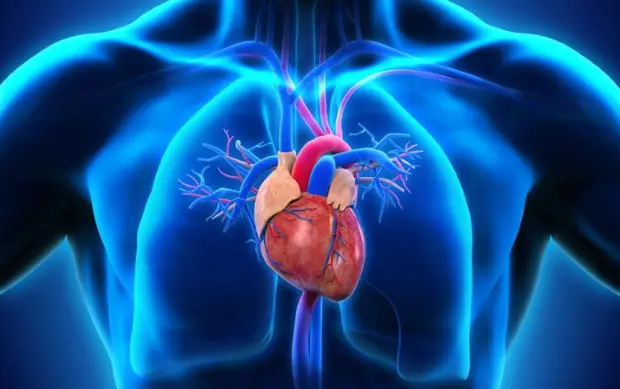
When patients are seeking a Cardiology Hospital in Kolathur, they would generally be seeking: a proper diagnosis, a reliable treatment, and quality heart specialists. An established cardiac facility not only deals with emergency cases, but it also assists long-term heart care in working individuals, elderly citizens, and families dealing with risks brought about by the lifestyle. Patients at and around Kolathur are fond of cardiac services that can be obtained conveniently, promptly, and under the advice of experienced cardiologists. Meridian Hospital provides systematic cardiology services that are aimed at early diagnosis, timely management, and patient-centered management of heart-related issues. Cardiology Hospital in Kolathur – Comprehensive Heart Care at Meridian Hospital Why Specialized Cardiac Care Is Important Cardiac illness is usually slow onset and does not display any clear symptoms. Thus, a specific Cardiology Hospital in Kolathur would be a good solution to make sure that the early signs of the disease can be detected before it develops into a severe complication. A specialized cardiac hospital is specific, unlike other general healthcare facilities where subtle indicators like: Panting with low-intensity exercise. Constant chest pain, which is confused with acidity. Evening swelling in the feet. Abnormal fatigue without characteristics of age or activity. Timely cardiac examination of the patient can greatly decrease the likelihood of emergencies and enhance the outcome of the treatment. Common Heart Conditions Treated At a leading Cardiology Hospital in Kolathur, patients between 25 and 65 years frequently seek treatment for lifestyle-related and metabolic heart conditions. Coronary Artery Disease Blocked or narrowed arteries due to fatty deposits can restrict blood flow to the heart. Typical symptoms include: Chest tightness while walking Pain radiating to the left arm or jaw Shortness of breath during exertion Timely screening helps prevent heart attacks. Hypertension-Related Heart Disease Long-standing high blood pressure can silently strain the heart. Common warning signs: Frequent headaches Palpitations Swelling in anthe kles Persistent tiredness Regular monitoring helps prevent complications. Heart Rhythm Disorders (Arrhythmias) Irregular heartbeats may cause: Sudden racing pulse Skipped beats Dizziness or near-fainting episodes Most rhythm disturbances are manageable with proper diagnosis and treatment. Heart Failure Heart failure indicates reduced pumping efficiency—not complete stoppage of the heart. Symptoms may include: Breathlessness while lying down Night-time cough Sudden weight gain from fluid retention With structured care, many patients maintain an active lifestyle. When Should You Consult a Cardiologist? Do not delay evaluation if you experience: Chest discomfort lasting several minutes Breathlessness at rest Sudden sweating with nausea Unexplained fainting Persistent palpitations Family history of early heart disease For diabetics, smokers, and individuals with hypertension, even mild symptoms require medical attention. What Happens During Your First Visit? Many patients assume complex procedures are involved. However, the first consultation primarily focuses on detailed assessment. Medical Discussion The cardiologist will review: Nature and duration of symptoms Daily habits and stress levels Dietary patterns Sleep quality Family medical history This structured conversation provides valuable diagnostic insight. Physical Examination Routine checks may include: Blood pressure measurement Heart rhythm assessment Lung examination Swelling evaluation Diagnostic Tests If required, investigations may include: ECG (Electrocardiogram) Blood tests Echocardiogram Treadmill test Not every patient requires all tests. Responsible care avoids unnecessary procedures. Facilities at a Modern Cardiology Hospital in Kolathur A well-equipped cardiac center combines diagnostics, intervention, and emergency response under one roof. Non-Invasive Diagnostic Services ECG and Holter monitoring 2D Echocardiography Stress testing These tests evaluate heart structure and function safely. Interventional Cardiology When necessary, procedures may include: Coronary angiography Angioplasty with stent placement These minimally invasive treatments allow faster recovery. 24/7 Emergency Cardiac Care During heart attacks, every minute counts. Emergency services generally include: Round-the-clock cardiac response team Immediate ECG and lab support Rapid stabilization and treatment Early intervention greatly improves survival rates. Treatment Approach at Meridian Hospital Modern cardiac management focuses on long-term heart health—not just procedures. Medication-Based Management Most heart conditions are controlled with medications that: Improve circulation Regulate blood pressure Stabilize heart rhythm Lower cholesterol Treatment plans are personalized to minimize side effects. Lifestyle Modifications Rather than extreme restrictions, cardiologists recommend sustainable changes: Gradually reducing salt intake Choosing balanced home-cooked meals Walking 30 minutes daily Maintaining consistent sleep Small, consistent habits deliver lasting benefits. Follow-Up and Monitoring Regular follow-ups help: Track improvement Adjust medications Prevent recurrence Patients who adhere to follow-up schedules typically experience better long-term outcomes. Choosing the Best Cardiology Hospital in Kolathur When selecting a Cardiology Hospital in Kolathur, families evaluate more than just proximity. Important factors include: Experienced cardiologists Clear communication about diagnosis and treatment Availability of emergency care Clean and organized facilities Supportive nursing staff Meridian Hospital is often considered for its structured cardiac services and patient-centered approach. Family Support in Heart Care Recovery improves significantly with family involvement. Helpful actions include: Ensuring medication adherence Encouraging regular walks Supporting dietary changes Attending follow-up visits Cardiac care is most effective when patients and families work together. Life After a Heart Diagnosis A heart condition can become a positive turning point. With proper guidance, patients often develop: Healthier eating habits Better stress management Improved work-life balance With consistent care, heart health becomes part of daily living rather than a source of fear. Conclusion Reliable cardiology hospital in Kolathur is significant in the diagnosis of the heart at an early stage, emergency service and long term care of the heart. Late treatment decisions put the risk of poor cardiology decisions; a consultation in the properly equipped facility like the Meridian Hospital will aid in informed decision-making and better cardiac outcomes. Early screening is the secret of a healthier future in regards to heart related symptoms in the case of you or a loved one. If you or a loved one experiences symptoms related to heart health, early evaluation remains the most important step toward a healthier future.
When a Patient Needs ICU Care: Signs That Require Immediate Attention
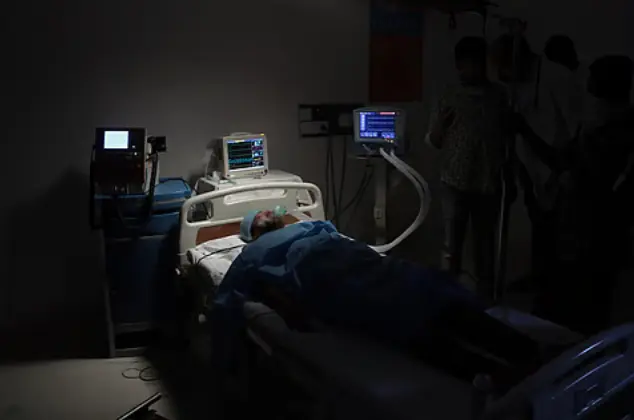
Patients who need more attention and require a higher level of medical care and additional medical procedures are referred to as ICU patients. Knowledge of when to call in the ICU is a life-saving factor. The majority of the life-threatening diseases are characterised by a rapid progression course, and early diagnosis guarantees early intervention. This Blog clarifies in what cases a patient has to receive ICU treatment, what to consider as risk factors, and what illnesses are prone to receiving intensive treatment the most frequently. What Is ICU Care? Intensive Care Unit is a unit that offers 24/7 services with special equipment and experts in the critical care unit. They should be provided with ICU care when their vital organs, like the brain, heart, lungs and kidneys, are in danger of failure. Patients in the ICU may require: Mechanical ventilation Continuous heart monitoring Emergency medications Organ support systems Post-surgical critical observation Common Conditions That Require ICU Admission A number of medical crises need urgent ICU attention: Critical infections and sepsis. Myocardial infarction or heart attack. Stroke Major trauma or accidents Severe pneumonia Organ failure Post-operative complications in major surgery. The following are the key indicators of a patient who could require ICU care. 1. Severe Breathing Difficulty Breathing problems are one of the most urgent reasons for ICU admission. Warning signs include: Rapid or very slow breathing Gasping for air Bluish lips or fingertips Severe chest tightness Oxygen levels dropping Conditions such as Acute respiratory distress syndrome and severe pneumonia can cause respiratory failure. Mechanical ventilation may be required to support breathing. 2. Sudden Chest Pain or Cardiac Symptoms Cardiac symptoms and sudden chest pain Serious heart conditions require immediate admission to an intensive care unit. Look for: Severe chest pain radiating to the arm or jaw Abnormal heartbeats Loss of consciousness Collapse Sweating and loss of consciousness. A myocardial infarction or a heart attack is an event that needs immediate intervention as well as immediate monitoring. Some patients have suffered a cardiac arrest and require monitoring in the ICU. 3. Uncontrolled High Fever with Infection Seeing a high fever and a rapid heart rate, along with confusion and/or low blood pressure, may indicate sepsis. Untreated, sepsis is a rapidly progressing, life-threatening response to infection that can result in the failure of multiple organs. Symptoms requiring ICU admission: Very high or very low body temperature Confusion or disorientation Rapid breathing Low blood pressure Reduced urine output Early ICU management improves survival rates significantly. 4. Sudden Neurological Changes Brain-related emergencies often require intensive monitoring. Seek immediate care if a patient experiences: Sudden weakness on one side Slurred speech Seizures Loss of consciousness Severe, sudden headache Conditions such as Stroke and traumatic brain injury demand rapid ICU intervention to prevent permanent damage. 5. Severe Trauma or Accidents Patients involved in major road accidents, falls, or injuries often require ICU care. ICU admission is necessary when there is: Heavy bleeding Multiple fractures Head injury Internal organ damage Shock symptoms Continuous monitoring helps manage complications and stabilize vital signs. 6. Organ Failure When one or more organs stop functioning properly, ICU support becomes essential. Examples include: Kidney failure Liver failure Respiratory failure Heart failure Acute kidney injury may require dialysis and constant monitoring. Multi-organ dysfunction requires advanced life-support systems available only in an ICU setting. 7. Post-Surgical Complications Following significant procedures like cardiac surgeries, brain surgeries, or organ transplants, patients are typically placed in the Intensive Care Unit for monitoring. Post-operative signs to watch out for include: Rapid decrease in blood pressure Uncontrolled bleeding Breathing difficulties Severe pain unrelieved by analgesics Irregular heartbeats 8. Extremely Low or High Blood Pressure Blood pressure that is dangerously too high or too low can lead to damage to the organs. Urgent medical attention is required for: Sustained systolic blood pressure lower than 90 mmHg Very high blood pressure with accompanying symptoms Fainting Severe headaches with blurred vision These symptoms may indicate shock, a hypertensive crisis, or bleeding that is not visible. 9. Altered Mental Status Changes in mental awareness are serious warning signs. ICU care may be required if a patient shows: Sudden confusion Extreme drowsiness Agitation Inability to respond Coma Such symptoms may result from infection, brain injury, metabolic imbalance, or oxygen deprivation. Who Is at Higher Risk of Needing ICU Care? Certain individuals are more vulnerable to critical illness: Elderly patients People with diabetes Heart disease patients Individuals with chronic lung disease Cancer patients Immunocompromised individuals Regular health monitoring reduces emergency risks. When to Seek Immediate Emergency Care Get help from emergency services without delay if the patient has: Severe trouble breathing Chest pain that lasts more than a few minutes Sudden weakness of one side of the body or a sudden inability to speak clearly Unconsciousness Continuous unresponsiveness Profuse Blood Loss It is life-threatening if treatment is delayed. Why Early ICU Admission Saves Lives Timely ICU admission allows: Careful tracking of vital signals. More prompt intervention if there is evidence that the patient is getting worse. Life-support treatments that are more sophisticated are available,. Loss of Organ functions is prevented. Strongly positive results are achieved through early intervention in critical care Conclusion It is important for the family and other persons responsible for the care of the Patient to be aware of the indicators that suggest the patient will soon need ICU treatment. Major warning signals include serious difficulties with breathing, problems with the heart, changes in the nervous system, uncontrollable infections and the deterioration of one or more organs. Immediate evaluation is critical if any are present.It is possible to save a life and avoid serious and prolonged complications by intervening early in the treatment process in a fully equipped Intensive Care Unit.
Common Kidney Problems: Early Warning Signs and Symptoms You Must Know
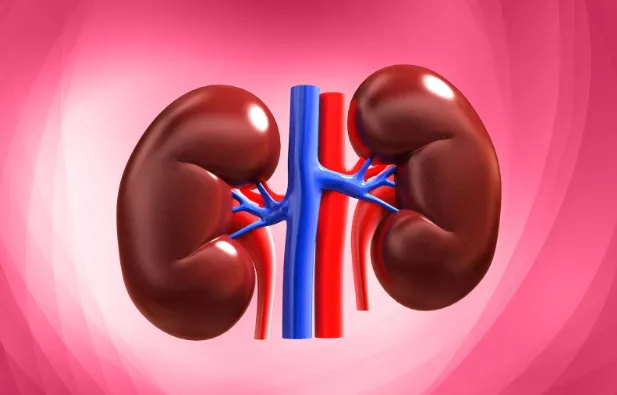
Your kidneys keep you healthy, and you owe it to them! Kidneys assist in fluid regulation, waste removal, blood pressure management,t and even the production of red blood cells. But routine Common Kidney Problemsare indeed insidious, and they are tempered in the early stages of the disease. You can catch kidney disease early enough to prevent kidney failure. For those who have a desire of best kidney treatment in chennai then your kidney function can be saved for the long term with correct diagnosis and proper treatment. What Are the Most Common Kidney Problems? Adults and children can also be affected by a number of diseases that affect the kidneys. The most prevalent diagnoses include the following: Chronic Kidney Disease (CKD) The chronic kidney disease is a gradual deterioration of kidney over some period of time. Diabetes and high blood pressure often cause it. The signs and symptoms of early chronic kidney disease include: Fatigue and weakness Swelling in feet and ankles Further urination especially during the night. Loss of appetite Itching that doesn’t go away High blood pressure They may not have any signs or symptoms of CKD in the early stages of the disease. Screening should then be conducted regularly for high-risk patients. Kidney Stones Kidney stone disease refers to the process of accumulating minerals and salts in the kidneys to produce hard deposits. A kidney stone has the following symptoms: Extreme lower back or side pain. Pain during urination. Hematuria Nausea and vomiting Frequent urge to urinate Small stones can be carried through natural passage. The larger ones however require medical help. Urinary Tract Infection (UTI) Urinary tract infection affects the urinary tract and may include the kidney without treatment. UTI symptoms include: Painful urination opaque urine or strongly smelling urine. Pelvic pain Fever and chills Prevention of kidney problems by early treatment. Kidney Infection Pyelonephritis is a life-threatening bacterial infection of the kidney or kidney infection. Here are some warning signs: High fever Intense backache Nausea and vomiting Weariness Blood in urine Early medical intervention is needed to avoid irreparable kidney damage. 5. Acute Kidney Injury (AKI) Acute kidney injury is a sudden decline in kidney function. It may occur due to dehydration, severe infection, or certain medications. Symptoms of AKI include: Reduced urine output Swelling in legs and face Shortness of breath Confusion Chest discomfort AKI is a medical emergency and requires urgent treatment. Early Warning Signs of Common Kidney Problems Recognizing kidney disease symptoms early can prevent kidney failure. Watch for: Changes in color or the number of times you urinate Foamy urine Swelling in the hands, feet, or face Ongoing fatigue Muscle pain Itchy, dry skin High blood pressure, you can’t explain If these signs do not go away, you should have your kidneys evaluated by a Kidney specialist in Chennai. Risk Factors for Common Kidney Problems You may be at higher risk if you have: Diabetes High blood pressure Heart disease History of kidney disease in the family Being overweight Chronic use of painkillers The habit of smoking High-risk individuals are advised to get regular check-ups for their health and kidney functioning. When to See a Kidney Specialist in Chennai Seek immediate medical attention if you experience: Blood in your urine Intense lower back pain Swelling that will not go away Sudden drop in the volume of your urine High fever and urinary symptoms Early diagnosis leads to better treatment outcomes and fewer complications. How to Protect Your Kidney Health Preventive care plays a major role in reducing kidney problems. Follow these kidney health tips: Drink adequate water daily Control blood sugar levels Maintain healthy blood pressure Reduce salt intake Avoid self-medication Exercise regularly Quit smoking Routine blood and urine tests help detect kidney disease in its early stages. Expert Kidney Care in Chennai In case of symptoms of kidney disease, a qualified nephrologist should be consulted at Meridian Hospital in Chennai. High-quality diagnostic services and prevention of early failure can be used to save the kidney performance and enhance the quality of life. Most frequent kidney diseases start unnoticed. Nevertheless, being aware of the first signs of kidney issues enables one to be diagnosed and treated in time. Both chronic kidney disease and kidney stones, as well as UTI and acute kidney injury, have a great number of severe complications that can be avoided when medical treatment is provided at an early stage. In case you observe chronic symptoms, consider seeking the services of a kidney specialist in Chennai to get professional help and treatment. FAQ What are the initial symptoms of kidney disorders? Some of the early signs are fatigue, swelling, changes in urination, and high blood pressure. Can kidney disease be cured? Kidney disease is a condition that can be treated at an early stage. Stages of high stages need special treatment. Who is supposed to receive tests regarding kidney function? Regular screening should be done for people with diabetes, increased blood pressure, or kidney disease in their family history.
Digestive Problems You Shouldn’t Ignore
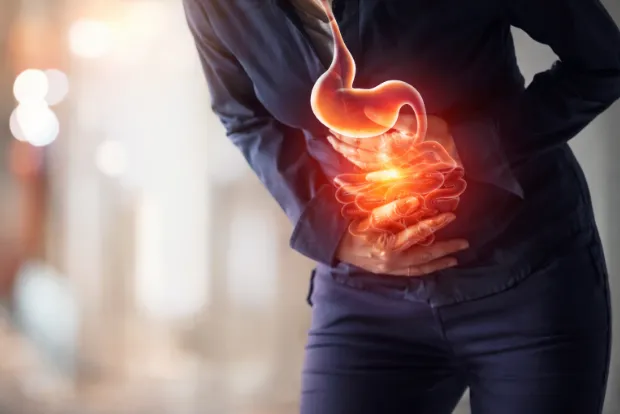
Digestive problems are common. However, stomach problems should not always be taken lightly. Although some stomach problems may be minor and pose no health risks, some may be signs of very serious digestive system problems. In the case of Meridian Hospital, early diagnosis and treatment may be applied to prevent small digestive health problems from becoming large problems. Early detection of warning signs may save your health in the long term. Why Digestive Problems Should Never Be Ignored The digestive system is essential for both nutrition and waste removal. When the gut goes bad, it impacts everything, including your energy, immune system, and general health. While numerous individuals consider the recurrent pain as fleeting, symptoms of long-lasting digestive problems can be sign of ulcers, infections or inflammatory diseases. Hence, prompt medical attention is needed. Common Digestive Problems You Shouldn’t Ignore Persistent Abdominal Pain Occasional irritation can be caused by simple diet offenders. Persistent stomachache causes could be ulcers, gallstones, pancreatitis or inflammatory bowel disease. If the discomfort lasts for more than a couple of days or pain is unbearable, then it could be symptoms of advanced stage digestive ailment, and you should get your bowels checked at Meridian Hospital. Chronic Acid Reflux and GERD Regular heartburn is a key symptom of GERD (gastroesophageal reflux disease). Over time, when acid reflux occurs too much, it can wear out the esophagus. Hence, chronic reflux should be evaluated by experts so as to prevent any long-term complications. Long-Time Constipation or Diarrhea Alterations in bowel routine may be a sign of trouble. Prolonged diarrhea or chronic constipation for more than three days could be a sign of infection or of symptoms of irritable bowel syndrome. And if you experience both constipation and diarrhea, you definitely want to have this checked out. Blood in Stool Bleeding from the rectum is one of the worst signs of digestive trouble. The causes of blood in stool can be as simple as hemorrhoids, or as complex as an ulcer or a sign of colon cancer. Since this can be sign of a serious disease, you should receive medical help immediately. Unexpected Weight Loss Unintended weight loss with no modification in diet can be associated with severe digestive system disease such as liver or pancreatic disease. A diagnosis is needed sooner rather than later if you have any combination of fatigue, nausea that won’t go away. When to See a Doctor for Stomach Pain Knowing when to go to the doctor for stomach pain can save lives. Seek emergency care if you have: Severe or persistent abdominal pain Repeated vomiting (vomiting more than twice in 4 hours) High fever and gastrointestinal symptoms Dehydration Sudden and either severe or worsening pain A specialized emergency team at Meridian Hospital guarantees you will be evaluated and treated without delay. Advanced Diagnosis at Meridian Hospital A correct diagnosis is the basis for successful therapy. High end diagnostics at Meridian Hospital include: Endoscopy Colonoscopy Ultrasound imaging CT scanning Laboratory investigations Visit a leading Gastroenterologist in Chennai to get an accurate diagnosis for your symptoms and receive care tailored to you. Why Choose Meridian Hospital for Digestive Care? As a trusted healthcare provider in Chennai, Meridian Hospital offers: Experienced gastroenterology specialists Modern endoscopy suites 24/7 emergency services Multidisciplinary medical support Comprehensive surgical backup Known as one of the Best multispeciality hospital in chennai, Meridian Hospital specializes in full spectrum digestive care. Locals say it is the Best hospital in Kolathur too because of easy access to high tech medical care. Treatment Options for Digestive Problems The treatment depends on the diagnosis. Options may include: Lifestyle and diet changes Medicines by prescription Endoscopic procedures that are minimally invasive Laparoscopic surgery that is advanced Timely prevention stops small and temporary gastrointestinal issues trouble from turning into an ongoing illness. Tips to Maintain Digestive Health To keep your digestive system healthy, you need to keep up healthy habits over time: Eat a healthy, balanced diet that is rich in fibre Stay hydrated Get regular exercise Stress management Say no to excessive drinking and smoking Regular consultation at Meridian Hospital goes a long way in detecting early signs of digestive diseases before it develops into more serious complications. Almost all the digestive disorders start with mild symptoms and can get worse if not treated. Long-term pain, bleeding, reflux or unexplained weight loss should be seen straight away. If the symptom of your digestive health is longlasting, visit specialists at Meridian Hospital for best diagnosis and treatment. Early detection saves lives.Book your don’t delay appointment today and put your digestive health first! FAQ What are the severe symptoms of digestive conditions? Severe abdominal pain, vomiting for a long time, blood in stool, and losing weight without reason might signal you have a serious disorder of the digestive system. When to see a doctor for digestive problems? In case the symptoms persist for more than 3 to 5 days or if the symptoms are aggravating, get an expert evaluation without delay. Why Meridian Hospital for the treatment of digestive issues? Meridian Hospital is equipped with a state-of-the-art diagnostic facility and skilled doctors to cater best emergency services round the clock. It also ranks as the best multi-speciality hospital in Chennai.
Angioplasty vs Bypass Surgery: Which Treatment Is Right for You?
Heart disease develops silently and becomes serious when the arteries supplying the heart with blood become blocked. This disease, called coronary artery disease, can cause chest pain, breathing difficulty, and heart attacks if left untreated. Doctors typically suggest two tried and true procedures to unblock the blood flow: Angioplasty vs Bypass surgery. 2. What Is Angioplasty? Angioplasty for heart blockages is a minimally invasive cardiac procedure used to open clogged arteries that employs a balloon and a stent, without the need for open heart surgery. 2.2 How Angioplasty Works Angioplasty is done in a special cardiovascular laboratory and generally lasts about one to two hours. A catheter – a thin tube – is passed through the wrist or groin The catheter is then routed to the blocked artery. A small balloon is inflated in the constricted part to open it out. A stent is inserted to keep the artery open permanently. It allows rapid restoration of blood flow and is the most widely applied therapy in contemporary cardiac care for patients with coronary artery disease. 2.3 Who Is Angioplasty Best For? In Angioplasty vs Bypass Surgery, Angioplasty is recommended for: Single or mild blockages Patients diagnosed early Younger patients with good heart function Elderly patients who cannot undergo major open-heart surgery Because recovery is fast, angioplasty is often preferred for heart treatment for elderly patients. 3. What Is Bypass Surgery? An open-heart procedure in which a new passageway is created for the blood to bypass the blocked heart arteries. 3.2 How Bypass Surgery Works Bypass surgery is performed under a general anesthetic and involves: Opening the chest to get to the heart Taking normal blood vessels from the leg, arm or chest Attaching these vessels to bypass the blocked coronary arteries Ensuring that whole blood flows smoothly to the heart muscle It is considered to be the most durable treatment for coronary artery disease in advanced heart disease. 3.3 Who Needs Bypass Surgery? Doctors usually recommend bypass surgery for: Multiple artery blockages Severe or complex blockages Diabetic patients Patients with weak heart-pumping capacity In Angioplasty vs Bypass Surgery, bypass is chosen when long-term results are more important than quick recovery. 4. Angioplasty vs Bypass Surgery Feature Angioplasty Bypass Surgery Type of Procedure Minimally invasive, catheter-based Open-heart surgery Recovery Time Days to 1 week Weeks to months, rehab needed Pain Level Mild, managed outpatient Higher initially, incision-related Hospital Stay 1-2 days 5-7 days Suitable for Elderly Often preferred, lower risk Possible if fit, higher risk Risk Level Re-stenosis, clots (lower procedural) Infection, stroke (higher procedural) Long-Term Results Good for simple cases, may repeat More durable multivessel/diabetes This comparison clearly highlights the practical differences between Angioplasty vs Bypass Surgery. 5. Which Is Better for Different Age Groups? 5.1 For Children Heart problems in children are usually congenital. These cases are treated with specialised procedures rather than standard Angioplasty vs Bypass Surgery. 5.2 For Adults Angioplasty is effective when blockages are detected early Bypass surgery is recommended for multiple or recurring blockages Lifestyle modification and early screening play a key role in this age group. 5.3 For Senior Citizens Angioplasty is favored because it involves a faster recovery and carries less risk. Bypass surgery is never done routinely or as a convenience. The best heart treatment for elderly patients’ safety and quality of life. 6. Cost Difference: Angioplasty vs Bypass Surgery Treatment Approximate Cost Angioplasty Lower Bypass Surgery Higher The cost depends on: Number of stents or grafts Hospital infrastructure Patient’s condition Well-equipped centres like the Best cardiology hospital in Chennai provide advanced treatment with transparent pricing. 7. Recovery & Lifestyle After Treatment 7.1 Life After Angioplasty Recovery after angioplasty is usually quick: Discharge within days Return to daily activities within a week Regular medications and follow-ups Patients are advised routine check-ups with the best cardiologist in Chennai. 7.2 Life After Bypass Surgery Recovery is gradual: Extended rest period Cardiac rehabilitation Strict diet, exercise, and lifestyle changes Both treatments require long-term care to prevent future heart blockage causes. 8. Risks & Safety: What You Should Know 8.1 Angioplasty Risks Re-blockage of arteries Rare blood clot formation Possibility of repeat procedure 8.2 Bypass Surgery Risks Infection Longer healing time Higher risk in elderly or diabetic patients Understanding risks is important when comparing Angioplasty vs Bypass Surgery. 9. Doctor’s Decision: How Treatment Is Chosen The Best Cardiology Specialist decides between Angioplasty vs Bypass Surgery based on: Number and severity of blockages Age and overall health Diabetes and blood pressure levels Heart strength Results of a coronary angiogram in Chennai Advanced centers such as Heart Hospital in Kolathur, like Meridian Hospital, follow guidelines for accurate diagnosis and treatment planning. Angioplasty and bypass surgery are both life-saving procedures. Angioplasty vs Bypass Surgery – which is the better option – is totally dependent on the patient. Early identification of your condition, getting expert opinion and the best heart specialist hospital in Chennai provides for better results. If you have any signs of these, see a cardiologist right away — treatment in time can save your life. FAQ Is angioplasty safer than a bypass? Angioplasty is safer for minor blockages and for people considered high risk for surgery. Can I avoid bypass surgery? Early diagnosis and angioplasty can prevent bypass surgery. Which treatment has longer durability? Bypass surgery tends to be more long lived. Is angioplasty painful? Angioplasty is not very painful. Is it possible to do bypass surgery for a senior citizen? Yes, but you would have to be medically evaluated very thoroughly first.
Understanding Arthritis Pain in Cold Season
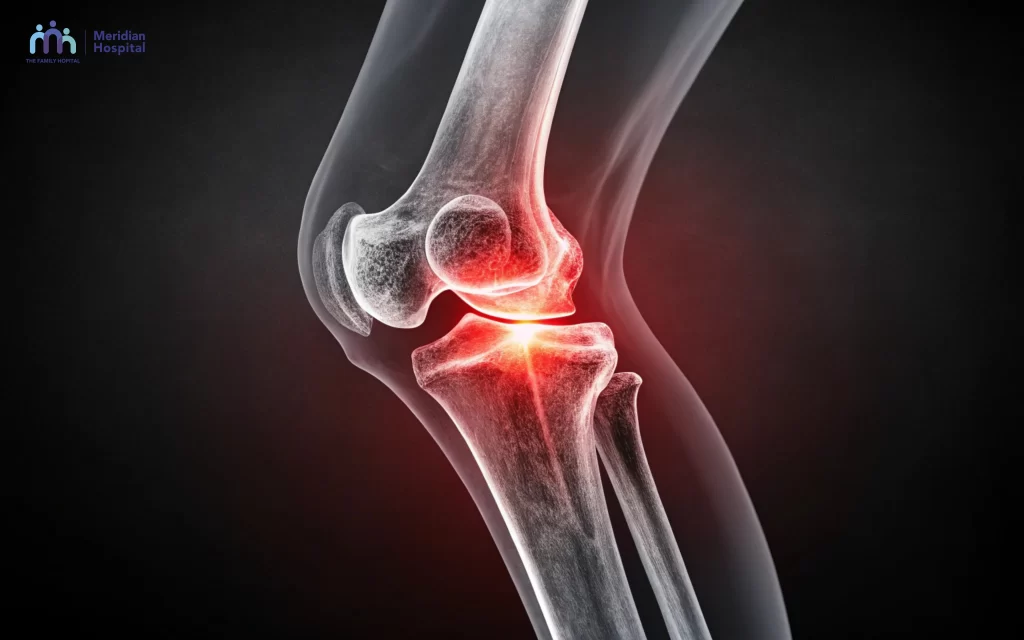
Arthritis patients experience that their arthritis pain becomes more severe in colder seasons. Arthritis pain in cold seasons is no new issue, especially for the senior population, as well as patients with chronic arthritis. Reduced temperature, lack of exercise, and a change of lifestyle that accompanies the season could contribute significantly to increased stiffening, as well as increased inflammation, of the joints. In this blog, it is discussed how arthritis pain occurs, the symptoms it usually presents, treatments that need to be taken at home, factors involved in the treatment of arthritis cold season pain, and preventive methods to keep the patient active and comfortable throughout the cold season. What Is Arthritis? Arthritis is called as such even though it means the inflammation of one or more joints, which results in pain, stiffness, swelling, and reduced movement. Anyone, both the young and the old, can suffer from it. The type that one experiences may be either gradual or sudden. Arthritis is one of the leading causes of chronic joint pain or disability of the joints in the world. Furthermore, it brings about disabilities of movement, and in severe cases, it causes permanent damage to the joints. Common Types of Arthritis Osteoarthritis Osteoarthritis is a common form of arthritis and is characterized by a slow wearing down of the cartilage that cushions the ends of bones in your joints. When that happens, the pain may be in the knee, the hip, the back, or the hands. This discomfort is typically Rheumatoid arthritis Rheumatoid arthritis is a symmetrical autoimmune disease that targets the synovium, the joint lining. That lining, known as the synovium, is under attack and can become inflamed, swollen, and lose its ability to function. Joint stiffness and deformity may develop, and ultimately, loss of function may ensue. Cold Season may worsen the symptoms of this disease and joint pain. Psoriatic arthritis Psoriatic arthritis may also be combined with the skin condition psoriasis. Among these are pain in the joints, changes in the skin and changes in the nails. The pain is aggravated by joint pain when it is cold outside. Gout Gout occurs due to uric acid, which develops crystals within the joints. This causes severe joint pains, particularly in the big toe. During the cold season, a person can be driven to attack, and this can be as a result of dehydration, over-indulging in food or too much alcohol. Why Does Arthritis Pain Increase in the Cold Season? Cold Weather and Joint Rigidity Colder weather causes muscles, tendons, and ligaments to contract. As flexibility diminishes, stiffness builds around the joints, so painful arthritic symptoms become more pronounced – especially on waking. Changes in Barometric Pressure Decreases in barometric pressure ( atmospheric pressure)The tissues of the joints expand marginally. This expansion causes increased pressure and pain in inflamed joints. This explains why the pain in joints from cold weather may usually get worse before or during any weather change. Reduced Physical Activity Very common during the coldseason, a decrease in movement due to cold weather is another reason for increased joint stress, with musculoskeletal pain and worsening of joint stiffness due to lack of movement Poor Blood Circulation in Cold Weather Cold leads to vasoconstriction (narrowing of blood vessels, resulting because muscles contract), thus reducing blood flow to the extremities. Less circulation increases pain sensations and retards recovery, increasing arthritis symptoms. Common Cold Season: Arthritis Symptoms People with arthritis pain during the cold season may feel: Constant mental and physical joint pain Stiffness and swelling in the joints, particularly in the morning Swelling and irritation worsened Decreased motion range Tired and achy Trouble walking and holding things Such symptoms tend to be more intense in individuals whose joints are already inflamed or who suffer from later-stage arthritis. Home Remedies for Arthritis Pain in the Cold Season Stay Warm and Layer Up The heat from the joints relieves stiffness and pain. You can ease the pain of arthritis in the cold by layering up with thermals, gloves, knee-high socks and socks and the like. Regular Gentle Exercise Flexibility of the joints is maintained by low-impact exercises like walking, stretching, yoga practice, and indoor exercises. Frequent exercise will decrease cold-season arthritis pain and increase circulation. Hot Compress and Warm Baths Heat treatment helps to relax muscles and to raise blood circulation. Hot baths and hot compresses are good in relieving joint pains during the cold season. Joint Health cold season-Friendly Diet. A proper diet that is full of nutrients will help lubricate the joints and it decreases inflammation. The hydration is also critical even during cold weather. Maintain a Healthy Weight Obesity causes extra weight on the weight-bearing joints, such as the knees and hips. Weight management is very crucial in the pain management of arthritis in the long term. Foods That Help Reduce Arthritis Inflammation Omega-3 Rich Foods Fish rich in fat, flaxseed, and walnuts are nature’s treatment for inflammation and arthritis pain. Vegetables and Fruits According to Season The kale, carrot, orange, and berry are all very good antioxidants, which help to maintain both the joints and the immune system. Spices Pounded turmeric, ginger, and garlic work together to reduce the swelling and make the joint more pliable. Not Recommended Food in the cold season Junk food, sweet snacks, low-quality carbs, and too much red meat can all make the inflammation of the joints and the pain associated with it worse. Medical Treatment Options for Cold-Season Arthritis Pain Pain Relief Medications The prescription of medications to mitigate inflammation and control pain may be tailored to individual requirements. Under medical care, these arthritis medicines to treat joint pain should be taken religiously. The use of drugs to reduce inflammation and pain can be customised. In a supervised environment, you should follow these arthritis medicines to treat joint pain. Physiotherapy and Rehabilitation Arthritis pain physiotherapy enhances joint strength, flexibility and motion. It reduces stiffness and prevents further joint damage with regular use. Joint Injections Joint injections can also be used to relieve pain in cases of extreme discomfort, they help reduce inflammation and provide longer-lasting relief. Advanced Arthritis Treatments Orthobiologics Contemporary therapies,
Understanding Modern Cancer Treatments: Diagnosis, Therapy & Recovery
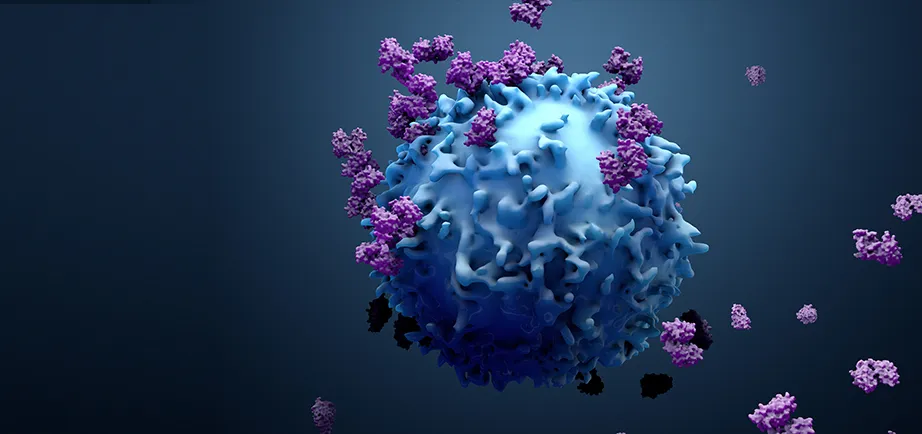
The pace of change in cancer care has been incredible over the past 10 years. Today there are Modern cancer treatments available more precise, personalized and supportive more than ever, patients and their families can benefit. These innovations are not only about treating cancer but also about enhancing quality of life, lessening side effects and helping patients recover emotionally and physically. From children to adults balancing work and family, to seniors, Modern cancer treatments can help with compassion and precision. In simple language, for families, caregivers, and patients, this guide describes how cancer is diagnosed today, the treatments available, and what getting well looks like. What Are Modern Cancer Treatments? Modern Cancer Treatments uses the latest medical technologies, along with personalized treatment plans for the individual patient. Rather than taking a one size fits all approach, treatment decisions are informed by factors such as the type of cancer, the stage, genetics, the patient’s age and general health. Key features include: Accurate Cancer diagnosis Precision-based Cancer therapy Holistic Cancer recovery Dedicated Oncology and support to the families and patients This approach is mind-body integrated, yielding better outcomes with less physical and emotional stress. Understanding Cancer Diagnosis – The First Step to Recovery An early diagnosis and high accuracy are the basis of good results with modern cancer treatments. Common symptoms among all age groups to look out for include: Loss of weight for no known reason Constantly tired or lethargic Persistent pain or swelling Modification of bowel or bladder habits, including urinary hesitancy, urgency, and urinating in small amounts. Strange lumps or bleeding Regular Cancer screening helps identify issues before symptoms worsen. Advanced Diagnostic Methods Used Today Today’s Advanced cancer diagnosis and treatment in Chennai relies on: Blood tests and tumor markers Imaging scans (CT, MRI, PET) Biopsy and molecular testing Genetic profiling for Precision oncology These tools allow doctors to plan personalized cancer treatment plans with high accuracy. Why Early Diagnosis Makes Treatment Easier With Early cancer detection, treatment is: Less aggressive More effective Associated with faster recovery Lower risk of complications Early consultation at an Oncology hospital in Chennai can be life-saving. Types of Modern cancer treatments Explained Simply Cancer Surgery Surgery is recommended when tumors can be safely removed. When surgery is required Early-stage cancers Localized tumors Diagnostic confirmation Minimally invasive techniques Laparoscopic surgery Robotic-assisted procedures These methods reduce pain, scarring, and hospital stay, supporting faster Cancer recovery. Chemotherapy in Modern Cancer Care Chemotherapy remains an important Cancer therapy, now delivered with improved safety. How modern chemotherapy is safer Targeted drug combinations Lower toxicity profiles Advanced monitoring systems Chemotherapy side effects management Anti-nausea medications Infection prevention Nutritional and hydration support Special protocols are followed for Cancer treatment for children and senior citizens. Check out blog about Chemotherapy Hair Loss. Radiation Therapy With Precision Technology Modern radiation is all about precision and safety. Radiation therapy technologies are: Image-guided radiation Intensity-modulated radiation therapy Dedicated radiation oncology floors for focused care Normal tissue is spared, and the treatment regimens are shorter and more potent. Targeted Therapy and Immunotherapy Targeted therapy selectively kills cancer cells and catastrophizes normal cells. Immunotherapy treatment boosts the body natural immune system to fight the cancer. Benefits include: Less toxicity Good tolerance with representation of all age groups. Long-term control of cancer These are the backbone in advanced cancer treatment nowadays. And check out our other blogs Understanding the 7 Different Types of Cancer Personalized Cancer Care for Every Age Group Cancer Treatment for Children Pediatric oncology focuses on gentle yet effective care. Key aspects include: Child-specific treatment protocols Growth and development monitoring Emotional support for parents This ensures Modern cancer treatments for all age groups are safe and compassionate. Cancer Care for Adults and Parents Adults often balance treatment with family and work. Support includes: Flexible treatment scheduling Cancer counseling services Stress and mental health support This holistic approach strengthens Cancer survivorship care. Cancer Treatment for Senior Citizens Elderly patients need age-sensitive planning. Focus areas: Managing existing medical conditions Medication safety Comfort-oriented care Quality of life remains central to Modern cancer treatments for seniors. Why Choose the Best oncology hospital in Chennai – Meridian Hospital The choice of hospital has a considerable influence on the likelihood of successful treatment. Expert Oncology Team Meridian Hospital Services: Oncology doctors in Chennai with experience and knowledge Medical, surgical and radiation oncologists Integrated Multidisciplinary cancer care Planning is tailored for each patient. Advanced Modern cancer treatments Facilities include: Latest imaging and diagnostic tools Evidence-based protocols Hospital features one entire floor dedicated solely to the oncology unit Dedicated radiation oncology therapy floor Access to Targeted therapy and Immunotherapy treatment This positions Meridian as the Best oncology hospital in Chennai for cancer care. Strong Oncology Support System Comprehensive Oncology support for cancer patients and families includes: Emotional counseling Nutrition during cancer treatment Pain management and Palliative oncology care Patient-Centric Care for Children, Adults, and Seniors Care environments are designed for: Child-friendly comfort Elderly safety Transparent family communication End-to-End Care From Diagnosis to Recovery Meridian provides: Seamless care coordination Regular follow-ups Cancer recovery care and follow-up treatment Long-term survivorship planning Recovery After Cancer Treatment Life After Treatment Post-treatment care focuses on: Routine tests Recurrence prevention Long-term health monitoring Consistent follow-ups support sustained cancer recovery. Physical and Emotional Healing Recovery includes: Managing fatigue Mental health counseling Emotional support for cancer patients Family involvement Nutrition and Lifestyle During Recovery Healthy recovery involves: Balanced diet plans Safe physical activity Sustainable lifestyle changes This improves immunity and overall wellness. Or you can read this blog about cancer fighting foods. Common Myths and Facts About Modern cancer treatments Myth Fact Cancer treatment is always painful Modern therapies focus on comfort and safety Chemotherapy is unsafe for elders Age-specific protocols make it safer Cancer always returns Early detection reduces recurrence risk Emotional support is optional Mental care improves treatment outcomes When to Consult an Oncology Specialist When to see an Expert if you have the following: Persistent symptoms Unexplained pain or weight loss A history of cancer in the family Prompt advice from the best Oncology hospital in Chennai brings about a better prognosis and more therapeutic possibilities. The course of the cancer patient
Best Multispecialty Hospital in Chennai Near Kolathur | Expert Care

Searching for the Best Multispecialty Hospital in Chennai is a necessity for the family, Children, aged people and working individuals. Easy access to expert physicians, sophisticated technology and integrated care leads to even better health results. Meridian Hospital is known as the Best multispeciality hospital in Chennai near Kolathur for the residents and its nearby localities, providing world-class healthcare, emergency preparedness and compassionate service all under one roof. From preventive care to the management of chronic illnesses to acute care, Meridian Hospital provides trusted care for patients of all ages. Why Choosing the Best Multispecialty Hospital in Chennai Matters Choosing the Best Multispecialty Hospital in Chennai is a matter of trust, efficiency, and comprehensive care. Multispecialty hospitals offer various medical specialties under one roof, facilitating swifter diagnosis and more integrated treatment regimens. Some of the major advantages are: Expert doctors with multiple specializations Superior diagnostics and surgical equipments Round the clock expert care for emergency and critical ill patients Pediatrics, adults and senior citizens receive tailored attention, For a family in North Chennai, having a Top Hospital Near Kolathur means less time spent on the road during an emergency and more of it getting care, rounding out the picture for safety and timely intervention Meridian Hospital – Best Multispecialty Hospital in Chennai Near Kolathur This expertise positions Meridian Hospital as an Advanced multispecialty hospital Chennai residents trust. Meridian Hospital – the best Multispeciality hospital in Kolathur, Chennai that excels in clinical standards and patient comfort. Anna Nagar, Perambur, Mogappair are accessible from Suitable for family, Senior Citizen’s and Childrens.. Excellent for routine use as well as emergencies The Top hospitals in Chennai, Meridian, guarantee a safe and quick access to healthcare facilities to the people of North Chennai. Experienced Doctors Across Specialities Highly Qualified Consultants and Surgeons Multidisciplinary teams for collaborative care Experts in cardiology, neurology, orthopaedics, oncology and many others This experience makes Meridian Hospital your Advanced multispecialty hospital in Chennai. Comprehensive Medical Specialties Under One Roof Meridian Hospital provides all the services under the sun, so there is no need to look elsewhere for the Top multispecialty hospital in Chennai. Cardiology & Heart Care Known for best Cardiology hospital in Chennai and Heart hospital in chennai services are, Preventive cardiology Interventional procedures Cardiac ICU support. Cardio Thoracic Surgery and Open heart Surgery Orthopaedics & Joint Replacement Specialised treatment for fractures, sports injuries and joint replacement surgeries through accelerated rehabilitation programmes. Neurology & Neurosurgery High-end stroke, epilepsy, brain & spine treatment with contemporary diagnostics. General Medicine & Diabetology Total management of lifestyle and chronic diseases, infections & preventive health examinations. Paediatrics & Neonatal Care NICU support for infant and child-friendly healthcare. Gynaecology & Women’s Health Maternity, infertility, keyhole surgeries and women’s preventive health care. Emergency & Trauma Care (24/7) Meridian Hospital functions as a 24/7 multi-specialty hospital in Chennai, and is one of the Best Hospital for Emergency Care. Oncology Advanced cancer care, including medical and radiation oncology, chemotherapy, and supportive therapy. Radiology MRI, CT, ultrasound, digital X-ray and more: Cutting-edge imaging services. Nephrology Specialised nephrologists for kidney care, dialysis, and renal disease. Dental & OMF Dental and maxillofacial procedures, oral surgery, and trauma care. Gastroenterology Digestive health & liver care, endoscopy and minimally invasive GI procedures. Pulmonology Holistic respiratory care for asthma, COPD, infections, and sleep disorders. Advanced Infrastructure & Medical Technology Meridian Hospital a NABH accredited hospital in chennai with: 300-bedded ultra-modern setup State of the art operation theatre ICU, NICU and CCU are fully equipped High End diagnostic facilities Dedicated Floor for Radiation Oncology LEED-certified green infrastructure In house Pharmacy and hygienic canteen These facilities make Meridian Hospital in Kolathur Chennai, an ideal place for efficiency, safety and patient comfort. 24/7 Emergency & Critical Care Services in Chennai As a leading Emergency & trauma care hospital in Chennai, Meridian offers: Rapid triage and life-saving protocols On-call specialists 24/7 Dedicated trauma bays and emergency ICU Ambulance services for critical cases This makes Meridian the go-to Emergency hospital in Chennai for urgent medical care. Patient-Centric Care & Safety Standards Patient safety is central to Meridian’s services: NABH-aligned protocols Strict infection control measures Compassionate nursing staff Transparent communication and support These standards ensure Meridian remains the Best multispecialty hospital in Chennai for families and seniors alike. Affordable Treatment & Insurance Support Meridian Hospital combines quality with affordability: Transparent treatment pricing Cashless insurance tie-ups with leading providers Support for government and private health schemes This accessibility reinforces its reputation as a trusted Best hospital near Kolathur. Book an Appointment at the Best Multispecialty Hospital Near Kolathur Easy online and phone appointment booking Walk-ins welcome Convenient location near Kolathur Secure expert care today at the Best multispecialty hospital in Chennai near Kolathur. FAQs Which is the Best Multispeciality Hospital in Chennai near Kolathur? Meridian Hospital has been known for excellent doctors, state of the art facilities and care that is patient focused. Does the hospital provide 24/7 emergency services? Yes, Meridian is the best 24/7 multispeciality hospital in chennai with comprehensive emergency and trauma care. Are cashless insurance facilities available? Yes, cashless insurance and scheme support from government or private are available. What specialities are there under one roof? We offer services in cardiology, neurology, orthopaedics, oncology, paediatrics, gynaecology, emergency care, radiology, nephrology, dental, gastroenterology and pulmonology.
Diabetes Management in Winter: Diet, Lifestyle & Monitoring Tips
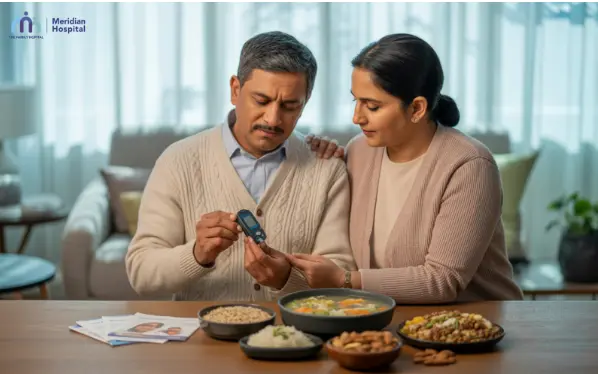
The necessity of Diabetes Management in Winter lies in the fact that cold weather may increase the level of sugar in the blood without being noticed. The threat of winter mornings is not the sole one: the lack of exercise, increased meals, and insulin-resistance changes throughout the season may raise the glucose inconspicuously. Diabetics fail to realize these changes until they develop complications. That is the reason why attendance at Diabetes Management in Winter is vital. Loss of routine in the present is something that may cause issues tomorrow. When you are aware, choose the right foods to eat, exercise, and monitor your health, you can be in control and keep your health, and winter will not turn your gains around. Understanding Diabetes Management in Winter Diabetes management in winter is associated with adjusting to physiological changes. Research indicates that there are seasonally increasing amounts of 0.2-0.5% of average elevated blood sugar levels because of shortening days and indoor lifestyles. Dehydration is aggravated due to dry air and heaters that drain moisture, which mimic the symptoms of being high on sugar. To the inhabitants of Chennai, a reduction in humidity increases seasonal blood sugar fluctuations and thus requires close diabetes monitoring and management. Importance of Early Detection Why Early Detection Matters Catching diabetes early stops diabetic complications prevention. It keeps your kidneys healthy and nerves from tingling pain. Simple changes, like better food choices, give you control for life. Health Risks of Delayed Diagnosis High sugar without treatment hurts nerves, causing pain and numbness—worse in cold weather when blood vessels tighten. Eyes blur from damage, and heart problems grow fast with insulin resistance in winter. Benefits of Early Diabetes Control Good control cuts risks by 30-50%. You feel more energy and handle winter ups and downs in sugar levels easily. Signs and Symptoms to Watch During Winter Cold hides warning signs. Often Check as part of your diabetes management tips in winter. Increased Thirst and Urination Dry winter air hides thirst. Lots of bathroom trips mean sugar over 180 mg/dL. Drink warm fluids every hour. Fatigue and Frequent Infections Stress hormones make you exhausted. Winter colds hit harder and last longer for diabetics. Slow Wound Healing Cold causes red, itchy skin and cracks. High sugar slows healing—check feet daily for cuts. Sudden Weight Changes Festival foods add weight fast. Less movement raises sugar. Weigh weekly and watch portions. Diabetes Management in Winter: Key Tips Master diabetes management in winter through these pillars, tailored for easy family adoption. 1. Winter-Friendly Diabetic Diet Embrace diabetes diet in winter with warm food diet for diabetics: steaming vegetable soups, millets, fenugreek tea (வெந்தயம்). Portion nuts (almonds, walnuts) for fats Avoid deep-fried fast food and snacks. Citrus like oranges fights colds without sugar spikes. Hydrate with 2.5L warm water daily. At Meridian Hospital, Chennai, we are committed to providing you with the best diabetology care, empowering you to take control of your diabetes and live a healthy and fulfilling life with our in house nutritionist. 2. Stay Active Despite Cold Weather Healthy lifestyle habits winter – easy ways to stay active: Do 30-minute indoor walks at home to avoid inactivity Practice yoga or stretching to improve flexibility and circulation Use resistance bands for simple strength training Wear layered clothing if exercising outdoors for warmth and safety Aim for 150 minutes of activity per week to improve insulin use In Chennai, choose parks after sunrise for comfortable weather Always warm up before exercise to prevent sudden blood sugar drops 3. Regular Blood Sugar Monitoring Glucose monitoring tips – easy options for everyone: Aim to check blood sugar 4–7 times daily in winter Monitor fasting levels in the morning Check post-meal readings to understand food impact Test at bedtime to prevent night-time sugar swings Use CGM devices if available to track seasonal blood sugar variation Log readings in apps or notebooks to spot patterns Ideal targets: 80–130 mg/dL (fasting) and below 180 mg/dL (post-meal) If you don’t have a glucose monitor at home: Visit a nearby clinic or diagnostic lab for regular sugar checks Opt for a diabetes checkup package at hospitals for routine monitoring Watch for warning signs like excess thirst, frequent urination, fatigue, or dizziness Get periodic testing done as advised by your doctor Consistent monitoring—at home or through clinics—helps prevent complications and keeps diabetes under control during winter. 4. Medication and Insulin Adjustments Diabetes management tips winter – insulin care made simple: Cold weather can reduce insulin absorption by 10–20%, affecting blood sugar control Always store insulin vials at room temperature as advised; avoid direct cold exposure Do not use insulin that looks cloudy, frozen, or discolored Doctors may adjust insulin or medication doses to manage winter-related sugar rises Never change doses on your own—always consult your doctor first Combine medication care with diet, activity, and monitoring for balanced control Proper insulin handling and medical guidance help prevent winter-related sugar fluctuations and complications. Lifestyle Tips for Better Blood Sugar Control in Winter Establish daily habits in order to have regular blood sugar levels. Sleep: get between 7-8 hours of sleep at night; avoid too much blue light at night because it can interfere with sleep. Cortisol-related sugar spikes can be remedied by treating stress through meditation or deep breathing. Take good care of your feet: apply moisturizers every day and wear woolen socks to avoid cracks. Strengthen the immune system by consuming ginger tea and staying in the sun safely to get vitamin D. Take family meals to aid a balanced diet during winter in diabetes. Monitor mood swings: the blues in winter may be similar to a low sugar state. Minor lifestyle changes that are applied on a daily basis prevent complications and enhance the management of diabetes during the winter. Preventing the Progression of Type 2 Diabetes The condition of Type 2 diabetes can be exacerbated by winter in case the level of sugar is not properly controlled. Nevertheless, early interventions can help to reduce
5 Warning Signs of Ovarian Cancer: Every Woman Should Know

The health of a woman is subject to several changes at various stages of life. Some can be considered normal changes, and some require a little more attention. One such factor is ovarian cancer, the awareness of which can significantly benefit the situation at the initial stage. Some of the early signs are usually unnoticeable by many women. The blog will make you realize the warning signs of ovarian cancer in a clear and easy-to-understand manner, which is simple and reassuring to take timely action as per need. What is Ovarian Cancer? Ovarian cancer occurs when some cells in the ovary develop abnormally. Ovaries are two small organs that aid in hormone production and the release of eggs. Small changes in the body that can indicate ovarian cancer may not be noticeable in the early stages, hence making it important to be aware of the changes in the body. In India, ovarian cancer is the third most frequently seen cancer among women, with more than 47,000 new cases recorded in 2022. Ovarian cancer is curable, particularly when detected promptly. Frequent visits to a gynaecologist will enable them to identify changes that require notice. Why Should You Know These Warning Signs? Many women in India are identified at a later stage of the condition, and certain genetic changes, such as BRCA1 and BRCA2, play an important role, contributing to nearly 18 to 20 percent of cases. Awareness of the red flags of ovarian cancer helps women: Learn more about their bodies. Persistent notice symptoms. Seek timely medical advice Be assured of their health decisions. Early awareness is no cause to worry. It just requires staying educated, as we do with regular health care. The experts at our advanced cancer care services in Chennai advise women to report any change in them, no matter how insignificant the change appears to be. 5 Warning Signs of Ovarian Cancer The following are the five most frequent initial signs that are identified by experts. All these symptoms may be of numerous innocent causes as well. The issue is their frequency and persistence. Here are some common warning signs of ovarian cancer: 1. Persistent Bloating Incidents of bloating are highly normal, particularly following heavy meals or during menstrual periods. However, when bloating lasts a few weeks, the person does not feel well, or the bloating occurs despite eating lightly, it is something to discuss with a physician. This is because ovarian alterations could influence digestion or abdominal comfort at times. 2. Pelvic or Lower Abdominal Discomfort During periods, exercise, or stress, many women complain of mild pelvic discomfort. However, pain that persists longer or recurs without a definite cause needs to be examined. It may not always be a sign of a severe problem, but early assessment will guarantee the feeling of security and prompt treatment. 3. Feeling Full Quickly While Eating When you start to fill up quicker than usual or lose your feelings towards food even when you have not eaten much, you might attribute it to alterations in the abdomen. This symptom is usually ignored since it appears to be connected with lifestyle or with digestion. However, combined with chronic swelling in the belly, it is a significant symptom to consider. 4. Frequent Urge to Urinate When you feel the need to urinate more frequently than normal, without necessarily drinking more water, there may be pressure in the area of the bladder. This may occur because of numerous trivial causes, such as minor infections. However, in cases where the symptom persists for weeks, physicians might recommend a mild assessment to exclude the rest. And since timely checks offer clarity and comfort, many women prefer reaching out to reliable 24/7 medical support when such symptoms continue. 5. Changes in Menstrual Patterns Periodic variations described as minor are caused by stress, travelling, hormonal changes, and lifestyle. However, recurring anomalies with multiple cycles might require a more detailed examination. In case you observe any alterations like lighter and heavier flow or unpredictable cycles or any form of discomfort that is not common with you, it is worthwhile to have a conversation with a gynaecologist. Preliminary discussions are used to offer clarity. Conclusion Ovarian cancer is such a disease that early detection really counts, and knowing such danger signals would make women feel more assured and in charge of their health. The aim is not to instil fear, but to promote conscious thinking. The majority of these symptoms may be explained by average and solvable causes. The length of time and frequency of occurrence of the symptoms are what count. Our physicians at Meridian Hospitals commit themselves to delivering safe, respectful, and supportive services to women throughout their lifespan. Visiting a patient-focused multispecialty hospital in Chennai for guidance can make a real difference. Contact us for more information on how to get your treatment started. FAQ’s Are these symptoms always linked to ovarian cancer? No. Most of these symptoms can occur due to common and harmless reasons. They only need attention if they continue for several weeks. How is ovarian cancer diagnosed? Doctors may suggest pelvic examinations, ultrasound scans, or simple blood tests. These help understand the cause of symptoms and guide the next steps. Can ovarian cancer be treated? Yes. There are several effective treatments based on the stage and type. Early detection usually leads to better outcomes and smoother treatment experiences. Which age group is most at risk? Women above 40 may have a slightly higher risk, but ovarian cancer can occur at any age. Regular check-ups support long-term well-being. How can I reduce my risk? Healthy lifestyle choices, timely gynaecology check-ups, knowing your family medical history, and noticing consistent symptoms can help.
Winter Health Guide 2025: A Complete Family Protection Blueprint for Flu, Immunity & Wellness

As soon as we feel the weather getting cold and cool winds draping around us, families are prepared to embrace the challenges presented by winter. The children, the older and adults are all troubled by seasonal flu, respiratory infections, and weak immunity. This Winter Health Guide has come to show the best possible means of safeguarding every family member using health supported by science, home regimens, and the suggestions of professionals. Knowing about the spreading of diseases, the early signs of diseases, and with the help of these things and the ability to make the body stronger because of proper eating, drinking, and cleanliness, chances of becoming sick can be reduced significantly. This Winter Health Guide will not only give the children and the elderly the required help, but also be able to support the family to stay healthy, cozy, and strong till winter ends. How Winter Flu and Infections Spread Viruses thrive in the presence of winter. When cold air comes by, it dries the protective mucous lining of the throat and nose, allowing easy entry of germs. The humidity is low, and thus the viral particles float longer in cloud vapor. Enhanced stay at home leads to more close contact, and this makes it easier to pass the infection to another person. The founding of this Winter Health Guide is based on early prevention since once a virus has gotten into a family, it can spread within children, their parents, and even the elderly very quickly. The first step in the chain breaking is knowledge about transmission. Common Winter Illnesses to Watch Out For Flu attacks fast and is characterized by high fever, chills, sweats, fatigue, and aches. It is one of the common winter serious problems. Seasonal flu (Influenza) attacks fast and has high fever, chills, extreme fatigue, and aches. It is among the prevalent winter diseases. Colds: A milder infection, but very common in winter. “Expect it’s going to be running nose, sneezing, maybe a little bit of sore throat and tiredness. Respiratory Syncytial Virus (RSV) infection is known to be particularly harmful to infants and the elderly. It may lead to wheezing, shortness of breath and chest tightness. Viral fevers: It comes with fluctuating body temperatures, just-like-being-hit sickness, tiredness, and dry throat. They also spread quickly in crowded spaces. Strep throat is A bacterial infection causing sore throat, fever and difficulty swallowing. Needs timely medical care. One of the most serious diseases that has its grip upon man during the winter months is pneumonia. It causes inflammation in the lungs, fever, severe cough and shortness of breath. Extremely risky for elders. Key Symptoms You Shouldn’t Ignore Persistent fever – Fever that fails to resolve in 48 hours is an indication of infection that should be taken into consideration. Dry cough vs wet cough – A dry cough indicates irritation of the virus; a wet cough indicates the accumulation of mucus, which may have been caused by bacteria. Body pain & fatigue – These are experienced when the immune system is in a battle. Medical advice is required in case it is long-term. Sore throat – The inflammation of the throat may be a sign of a cold, flu, or strep. In case the swallowing is painful, consult for assistance. Nasal congestion – A stuffy nose or nose of cold weather is normal, although intense congestion can necessitate steam, fluid, and rest. One of the best lessons in this issue of the Winter Health Guide is to be aware of the symptoms early. Effective Ways to Boost Immunity During Winter The main focus of this Winter Health Guide is to boost immunity, particularly among children and those who are elderly. Nutrient-rich foods – Winter requires a healthier diet with a lot of vitamins, minerals, and antioxidants. To maintain a steady immune system, fresh vegetables, fruits, lentils, dairy, and nuts are required. Proper Hydration – Winter causes us to consume less water, yet we need to be hydrated to maintain body temperature and nutrient uptake. Great options are the herbal teas and warm water. Vitamin C, D & Zinc support – You can add vitamin C, such as oranges and lemons, and have minimal sunlight to enjoy vitamin D, and consume foods with Zinc, such as pumpkin seeds, meat, and legumes, to be healthier. Routines of sleep. Enough sleep enhances immunity, aids in restoring tissue, balancing hormones, and restoring the body. Sunshine Morning: sunlight helps increase Vitamin D, and a brisk walk helps increase circulation and endurance. This Winter Health Guide motivates the establishment of daily routines for these immunity boosters. Home Hygiene Practices for Winter 2025 Homes are generally closed for the Winter, so infections spread a little more readily. Wiping Down High-Touch Surfaces: Frequently wipe down phones, door handles, tables, and switches. Air Flow & Ventilation. Even in the cold season, open windows for a few minutes to refresh the air and reduce indoor virus concentration. Humidifiers: Moist air can slow down infections, and the lack of moisture in your home’s indoor air is one reason you might want to use a humidifier. Safe Indoor Heating: Do not overdo it with indoor heating. Keep them at a level, healthy temperature for the best respiratory function. Here are the most crucial ways to protect families and stop the spread of infections in winter. Winter Nutrition & Immune-Supportive Foods (Children & Elders) Nutrition is important year-round. Nonetheless, in some seasons, mainly winter, children and the elderly are the ones predominantly affected. Bright vegetables, oranges, and other citrus, as well as warm foods like soup, can all help support health and get kids through the winter months. And a few healthy nut snacks with good oils, and hot milk drinks with turmeric In the wintertime, maintaining hydration is important for elderly adults and can be facilitated through soup and warm teas. Foods that are heated up can assist with the digestive process, particularly when it comes to winter health porridge mixes. Turmeric, garlic, ginger, some cinnamon, and pepper are the winter health foods for people of all ages. Defeat inflammation and free radicals Home Remedies & Care
Early Warning Signs of Heart Disease Every Adult Must Know 2026
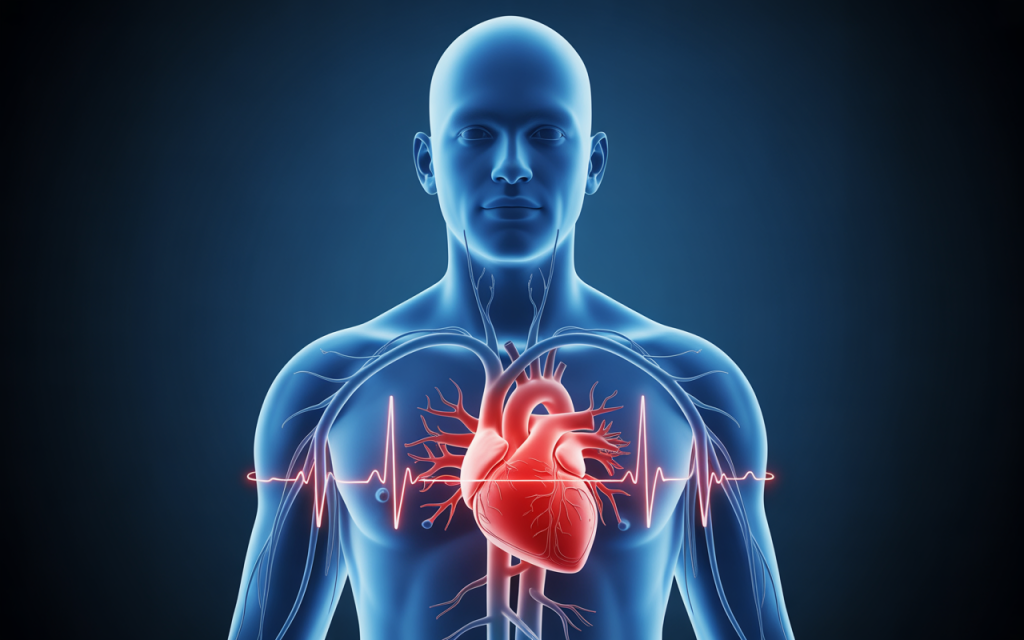
The ability to diagnose heart diseases at an earlier stage has made the difference between life and death since the diseases have become one of the top causes of death in India. One should be aware of the early warning signs of heart disease; they can avoid life-threatening consequences. The signs that are less pronounced, like chest pains or weakness, are typically ignored by adults to the extent that they develop to become life-threatening heart attacks. What Are the Earliest Warning Signs of Heart Disease? If you notice any of them, it’s crucial to understand how to recognize early heart disease symptoms and consult a doctor immediately. Pressure or tightness in the chest: Feeling of weight or squeezing in the chest. Shortness of breath on minimal exertion: Have you become breathless going up a flight of stairs, or walking a short distance? Unexplained Fatigue: You’re so tired you can’t even imagine your body after a good night’s sleep. Pain in the left arm, jaw, or shoulder: Pain that radiates from the chest. Palpitation: Rapid heartbeat. Swollen legs: water retention due to heart malfunction. If you have any of these, be sure you know how to recognize the early symptoms of heart disease and get to a doctor right away. Heart Disease Symptoms in Women (Often Missed) The most common symptoms exhibited by women are atypical and are easy to ignore: Pain in the back and excruciating exhaustion: May be confused with stress or overall fatigue. Nausea or vomiting without an apparent cause: Occasionally mistaken for digestive problems. Dyspnea without cardiac pain. Achieving symptomatic shortness of breath is a significant silent manifestation. Mild chest pains: There is slight heaviness and no sharp pain. These are grave warning signs of heart disease in women in India that cannot be overlooked. Preventive measures can help avert the occurrence of a heart attack to a great extent. Early Heart Attack Signs in Young Adults (Under 40) Even young adults can experience heart issues. Look for: Breathlessness while talking Mild chest pressure during stress Sudden palpitations Shoulder or arm discomfort Dizziness or near fainting Being aware of early heart attack signs young adults under 40 ensures timely medical attention. Common Symptoms Indians Often Misunderstand Many symptoms are mistaken for less serious problems: Acidity vs heart problem: Chest tightness may seem like gastric discomfort. Fatigue is often considered mere stress (cardiac fatigue may be the cause). Swelling in the legs may be ignored due to sitting for too long. Palpitations may be dismissed as anxiety. Understanding these heart disease symptoms in India helps prevent misdiagnosis and delayed treatment. When to Visit a Cardiologist You should see a specialist if you experience: Symptoms lasting more than 1–2 weeks Chest pain with sweating Breathlessness at rest Palpitations lasting over 5 minutes Sudden dizziness or swelling For residents in Kolathur and surrounding areas, Meridian Hospital in Chennai offers expert care. Their team includes the best cardiologist in Chennai for managing early and advanced heart conditions. You should also be aware of when to visit cardiologist for chest pain to avoid emergencies. Essential Heart Tests Every Adult Should Get Regular tests are key for early detection: ECG test near me Chennai: Checks heart rhythm TMT test: Evaluates heart performance under stress 2D Echo: Assesses heart structure and function Lipid profile: Monitors cholesterol levels Blood sugar and BP monitoring High-risk individuals should also consider essential heart tests every adult should get for preventive care. Heart health checkup Chennai at Meridian Hospital ensures comprehensive evaluation. Everyday Habits to Strengthen Heart Health Heart disease is preventable by leading a healthy life: Eat a low salt, low trans fat diet. Walk 30-40 minutes every day. Manage stress with meditation or yoga. Stay in good shape. Say no to drinking and smoking. These habits can be applied to prevent heart disease and to have a healthy heart lifestyle. If you want to learn more about lifestyle, check out another blog about what lifestyle changes are needed after a heart attack and Best Exercises for Heart Health. Practical Home Checks to Monitor Heart Health Simple home monitoring can help track your heart health: Monitor pulse rate and irregular heartbeats Weekly blood pressure checks Note breathlessness or unusual fatigue trends Keep a diary to share with your doctor These home checks for heart health monitoring can help catch problems early. India-Specific Heart Risk Trends for 2025–2026 Heart disease has scaled new heights in India, accounting for 31% of all deaths—the leading killer as per 2021-2023 data—with Chennai grappling with high CVD rates due to changes in lifestyle, stress, and diabetes. Unhealthy diet and obesity (prevalence 20%), physical inactivity (inactivity rate of 52%), high blood sugar/cholesterol, and family history are the major risks, and a 90% increase in burden globally by 2050 is projected (India being the worst-hit). Young adults under 40 are victims of 1 in 4 heart attacks (half men before 50), and women constitute 29% of CVD deaths, often from missed atypical symptoms. Diabetics in Chennai are at high Risk; Early detection at hospitals like The Meridian Hospital provides anticipatory programs for guarding the people against acute results. Local Healthcare Note: Meridian Hospital, Kolathur, Chennai For residents of Kolathur, Villivakkam, and nearby areas: Meridian Hospital is a leading center for cardiac care Home to some of the best cardiologists in Chennai Provides advanced diagnostics and preventive heart health checkups in Chennai Expert care for early detection and treatment of heart disease risk factors India Trusting a reputable hospital ensures timely intervention and long-term heart health. FAQ 1. What are the early warning signs of heart disease Dyspnea (Shortness of breath), chest pressure, inability to tolerate exercise, palpitation, dizziness, leg swelling, and transient loss of consciousness. Early assessment can prevent life-threatening complications. 2. Can acidity be mistaken for a heart problem (acidity vs heart problem)? Yes. Acidity leads to a burning of the chest, sour belching and relief following antacids. The pain in the heart appears to be tight or pressured, and might extend to the arm/jaw, and is not relieved by the antacids. In
5 Cancer-Fighting Foods: What to Eat (and Avoid) During Treatment

The treatment of cancer is a process that influences the body in numerous aspects. At this stage, food is a strong force that helps you remain strong and energetic and supports recovery. The concept of foods that fight cancer might seem complicated, but it simply means having the right to choose what to eat to gently nourish the body and provide it with the energy it needs. In India, there is a tendency to blend traditional home-cooked food with medical advice, and this intervention contributes to making nutrition more comforting and familiar. This blog describes what are the best cancer-fighting foods, what to avoid, and the role nutrition plays in your treatment in an easy, friendly, and comforting manner. To get more services and medical help, you may also have a look at the 24/7 Services of Meridian Hospitals. Why Does Nutrition Matter During Cancer Treatment? Proper nutrition assists your body in managing treatment, maintaining weight, and healing more easily. Some cancer treatments can sometimes impact the appetite, taste, or even the digestive system; therefore, the appropriate choice of food can make you feel livelier and more balanced. Around 9 out of 10 cancer cases happen because of lifestyle habits and environmental factors. Only a small number are due to inherited genes. Therefore, it becomes important to consume good food and lead a perfect lifestyle. Among the advantages of a balanced diet in the course of treatment, there are: Supporting immunity Improving energy levels Strengthening of muscles. Fostering digestive comfort. Assisting the body to recover. Keeping you in motion and ensuring you are fine in your care. Eating well does not imply eating more; eating well implies taking the foods that are gentle and easy to digest and nourishing. In case you wish to read general health-related information, you may read health articles of Meridian Hospitals. 5 Best Foods to Eat During Cancer Treatment In India, around 1.56 million people are expected to be diagnosed with cancer in 2024, and sadly, nearly 874,000 may lose their lives to it. All bodies react differently, so your doctor or dietician can recommend some of the foods depending on your medication. The following are some of the most useful cancer-fighting foods that promote overall strength and wellness. 1. High-Protein Foods Protein aids in repairing tissues, developing immunity, and keeping muscles strong. It is particularly relevant in cases of treatment when the body consumes a greater amount of energy and nutrients. Great Protein Sources: Lentils such as moong dal, masoor dal, and so on. Paneer, curd, buttermilk Soya chunks or tofu (provided that it fits you) Eggs (if you consume them) Peanut chikki, or roasted chana (in moderation, assuming one can digest it) Khichdi and dal, and ghee to get warm and feed. Why It Helps: Protein aids the natural healing of the body and makes you feel energized all day. When you have a small appetite, go with soft, easy meals such as dal rice, vegetable daliya, or curd rice. 2. Colorful Fruits & Vegetables Vitamins, minerals, fibre, and natural antioxidants present in fruits and vegetables contribute to strengthening the immune system and wellness. Best Options: Carrots, beetroot, and sweet potatoes. Spinach, broccoli, and lauki (bottle gourd). Papaya, banana, apples, and pomegranates. Berries (when available) Oranges, lemon water, and citrus fruits such as mosambi. Why They Help: The vivid colouration of fruits and vegetables reflects various groups of nutrients. These foods are useful in promoting digestion, hydration, and providing natural energy. Most importantly, they do not harm the stomach, and they come in handy during treatment. When the digestion is delicate, you can take well-cooked vegetables or fruit stew, which is less likely. Other Helpful Cancer-Fighting Foods Below are additional foods that can support comfort and nutrition during treatment: 3. Whole Grains for Sustained Energy Whole grains are good sources of fibre and essential nutrients that make them provide a steady amount of energy throughout the day. Examples: Oats Daliya (broken wheat) Brown rice Whole wheat chapati Whole grains such as ragi or jowar (where appropriate) Why They Help: These foods provide sustained energy, and this is significant since sometimes treatment may lead to sleepiness. They are also beneficial in ensuring a healthy digestive rhythm. 4. Healthy Fats for Strength and Balance Healthy fats make you full, aid immunity, and assist in vitamin absorption. Examples: Homemade ghee Olive oil or mustard oil Flax seeds (finely powdered) A few seeds, such as sunflower or pumpkin seeds. Why They Help: Healthy fats are particularly soothing in case you have a meager appetite. A small amount of ghee on dal or chapati can give meals nourishment, or they do not burden. 5. Comforting Hydration Foods It is important to keep hydrated, particularly in case the digestion is affected by treatment. Good Hydration Choices: Coconut water Lemon water Clear vegetable soups Curd or buttermilk Light herbal teas (only when approved by the doctor) Why They Help: Hydration foods ensure fatigue is avoided, aids in digestion, and makes you feel refreshed. Coconut water, especially, is quite relaxing and contains electrolytes. If you’re undergoing treatment, our specialised day-care chemotherapy services at Meridian Hospitals complement nutritional support for the best possible comfort and care. Foods to Limit During Cancer Treatment Depending on your course of treatment, your doctor may provide certain advice. Overall, the following foods are minimal to store: Deep-fried or oily foods Very spicy dishes Snack food or processed snacks.
Chemotherapy Hair Loss: 10 Tips for Comfort, Confidence & Care

Facing hair loss due to chemotherapy can feel overwhelming, not just physically but emotionally, too. It is said that when a person realizes a strand of hair is falling, it is when the reality of the treatment sinks in. The hair loss caused by chemotherapy does not affect all people in the same way, and the experience may lead to loss of confidence, lifestyle, and self-esteem. However, the good news is this: By knowing what is going on and how to take good care of yourself, the process becomes much more comfortable. This blog takes you through the reasons why hair loss occurs, what to expect, and 10 tips that would help you feel better and loved during the treatment. You need to be clear, comfortable, and reassured in this process. What is Chemotherapy? Chemotherapy refers to the form of medical therapy that involves the use of potent drugs, which kill the rapidly multiplying cancerous cells. These drugs are transported by the blood, and this makes them effective against cancers that have spread to other areas. But while targeting cancer, chemotherapy also affects healthy fast-dividing cells, which is why hair loss during chemo is such a common side effect. Hair follicles respond quickly to treatment, leading to changes in growth patterns and triggering the typical chemo hair loss cycle. Why Does Chemotherapy Cause Hair Loss? Hair loss during chemo is one of the most common and visible side effects, and it happens for a very specific reason. You must know how chemotherapy works with the fast-dividing cells in order to understand it. Why it happen: Chemotherapy is applied to cancer cells that are growing fast, yet the hair follicles can also divide rapidly; hence, they become targeted. The medications disrupt the hair growth cycle, causing the follicles to enter the shedding stage. Certain chemotherapy drugs are more punitive to the follicles, causing extensive loss of hair on the scalp, eyebrows, or the body. Chemo hair loss stages differ even in different patients, as sensitivity is different among people. Chemo causes temporary hair loss, and when the treatment is slowed or discontinued, follicles tend to resume the growth process. 10 Most Effective Tips to Manage Chemotherapy Hair Loss Chemo may have an immediate effect on hair loss that is emotionally depleting, but it is possible to feel comfortable and self-assured in the process with some practical approaches. These are tips that are meant to prevent your scalp from coping with changes, and still feel in control as you pass through various stages of chemo hair loss. 1. Switch to Gentle Hair Care Early Start adjusting your routine before significant hair loss during chemo begins. Wear light and fragrance-free shampoos and do not use harsh chemicals, ironing, and tight hairstyles. This dissolves the pressure that the follicles may already have due to the treatment. While you can’t completely prevent hair loss during chemotherapy, being gentle slows breakage and soothes irritation. This will ensure your scalp remains healthy and will help you towards an easy time with your hair after chemotherapy. 2. Keep Your Scalp Moisturized and Protected As the hair loss continues under the influence of the chemotherapy, a dry or sensitive scalp is usual. Light and non-greasy moisturizers or natural oils can be used to treat itch and flaking. Do not allow your head to be exposed to the sun when going outside, as the follicles are more sensitive at this age. This simple habit can improve comfort, support healthier regrowth later, and is one of the most natural ways to prevent hair loss during chemotherapy’s harsher phases. 3. Consider Shortening Your Hair Before Treatment The change can be made less stressful by trimming your hair prior to the heavy shedding period. Many patients say it helps them feel more in control during chemo hair loss stages. Less length of hair means fewer tangles and clumped hair, which is easier to maintain on a daily basis. Although it will not prevent hair loss during chemo, it will allow you to deal with the emotional impact and make scalp care easier in response to the treatment advancement. 4. Explore Cooling Caps as a Prevention Option Cooling caps can lower scalp temperature during treatment, which may reduce the amount of hair loss during chemo for some patients. They constrict blood vessels, which reduces the amount of medication that gets to the follicles. They are not guaranteed and do not apply to all drugs, but they are among the few that people may resort to when in need of the treatment of chemo without losing hair. Have your oncologist always answer you on the use of cooling caps and how safe they are in your treatment plan. 5. Be Consistent With Scalp Cooling and Mild Hair Care If you’re trying to figure out how to reduce hair during chemo, consistency matters more than anything else. Gentle brushing, avoiding heat, and keeping the scalp clean help reduce irritation as chemo hair loss progresses. You can’t fully stop hair loss during chemo, but steady care slows shedding and keeps follicles healthier for later. This is also a routine that aids easier regrowth after hair growth chemotherapy sets in after the treatment. 6. Use Soft Headwear for Comfort and Confidence As chemo hair loss stages advance, the scalp becomes more sensitive. Soft caps, cotton scarves, or breathable wigs shield the skin and provide some form of comfort during the chemotherapy hair loss period. They will also make you feel better dressed when engaging in daily tasks. Heads serve not only to cover the head but also to provide emotional support to many patients because at this stage, they ask themselves: Does hair grow back after chemotherapy? and the answer is mostly yes. 7. Prioritize Nutrition That Supports Hair Follicles A balanced diet won’t stop chemotherapy from causing hair loss, but it strengthens your body for recovery. Protein, omega-3 fatty acids, iron, zinc, and vitamins are useful to repair the follicles when the treatment slows down. It
7 Common Myths About Chemotherapy

Chemotherapy is one of the most widely used treatments for cancer, yet it comes with a spate of confusion and fear. The common myths about Chemotherapy make patients unnecessarily anxious. There is still a widespread belief that chemo is either always unpleasant, consistent, and always harsh or that it will definitely result in serious side effects such as extreme pain or loss of all hair. As a matter of fact, contemporary oncology has developed. Treatment is tailorable, side effects are usually controllable, and supportive care is now good enough that patients nowadays can do some of their normal life, and even travel between chemo sessions with clearance by their physician. Outdated information, rumors, and myths on the internet are usually misleading. Such questions as “Is chemotherapy painful?”, “Does chemotherapy cause hair loss?” Usher people to think the worst, rather than to obtain the correct directives from qualified personnel. A better understanding can assist the patients in being better prepared, both emotionally and physically, towards their treatment process. Understanding Chemotherapy: What It Actually Does The mechanism of Chemotherapy is aimed at the destruction of actively dividing cancer cells, and many individuals do not understand the mechanism of action and think that it will cause more damage to the body than benefit. In practice, the latest chemotherapy regimes are much more sophisticated, and oncologists can tailor dosage, combinations, and supportive medications to individual patient requirements. That is why such questions as, Is chemotherapy painful? Or does Chemotherapy cause hair loss? There is no universal answer. The experience is dependent on factors such as the type of drug, schedule, and general health. Clear information helps separate facts from fear and reduces the common myths about chemotherapy that mislead patients. 7 Common Myths About Chemotherapy Most patients enter treatment with fears that have been influenced by old tales, vague counseling, and presumptions. Current chemotherapy is extremely different from what the majority thinks, but the wrong assumption prevails. The common myths about chemotherapy usually include: Myth 1: Chemotherapy is Extremely Painful The myth that chemotherapy is painful is a result of the sheer lack of knowledge. Infusion is not generally painful; what people are afraid of is possible side effects, which depend on the type of drug and the dosage. Modern supportive medications alleviate symptoms to a great extent. The patients themselves report that the session itself can be handled, but they may feel fatigued or show some mild reactions afterwards. Rather than suspecting the worst, patients are advised to speak to their oncologist about certain medications because not all chemo involves pain. If you are still wondering if chemotherapy is painful? This knowledge can be used to lessen the fear. Myth 2: Chemotherapy Causes Hair Loss Not all chemotherapy causes hair loss, but this myth somehow refuses to die. The hair loss is dependent on the drug in question, the dosage strength, and the treatment regimen. Other patients become thin, some become bald, and many do not lose any hair. Scalp treatments and cooling caps are sometimes rumored to decrease hair loss, and are discussed as an option for preventing hair loss in chemotherapy. The fear is due to the fact that people believe that “does chemotherapy cause hair loss” will always result in yes, when the answer is much more complex. Myth 3: Intravenous Chemotherapy Is the Only Option Commonly, people tend to think of chemotherapy as a long IV drip sitting in a hospital chair, but that is not the case anymore. Types of chemo include oral pills, injections, topicals, and targeted therapy based on the type of cancer and treatment regimen. Oral chemotherapy is an option where many patients nowadays administer it under medical guidance at home, which is more flexible and comfortable. The assumption that IV infusion is the only path is just one more unnecessary fear that contributes to the perception of treatment as something more aggressive than it is in reality. Oncologists are not guided by what sounds most dramatic as the mode of delivery, but by what works best. Myth 4: Chemotherapy Makes You Infertile This is a terrifying myth that frightens the minds of many young patients and makes them feel that they have no possibility of having a family in the future. Although there are chemotherapy agents that may have an impact on fertility, this is not a definite result. The effects vary according to the type of drug, dosage, and the age of a patient. Before treatment commences, oncologists might actively talk about fertility preservation, such as sperm banking or egg freezing, with the patient. After recovery, many patients regain fertility, and many cancer patients go ahead and conceive naturally. Blatantly assuming that chemo automatically sterilizes is false and leads to people not being able to make informed decisions. Myth 5: Chemotherapy Is Only for Terminal Cancer One of the most common myths about chemotherapy is the belief that it is only used in late-stage or terminal conditions. As a matter of fact, chemotherapy applies to all stages to achieve a particular objective, such as the reduction of tumors before surgery, to kill cancer cells, to manage long-term illness, or even to enhance survival rates. Numerous stage one cancers are very receptive to chemo and have outstanding results. It is a factual error and causes unnecessary emotional pain to tie chemotherapy to end-of-life treatment. Myth 6: Chemotherapy Works the Same for Everyone A lot of people think that chemotherapy will have the same impact on all people, and that is utterly false. Chemo is personalized to the type of cancer, the stage of the cancer, and the tolerance of the patient. Two patients under the same treatment can experience the world differently, as there can be significant differences due to various factors such as immunity, metabolism, and health in general. There are various types of chemotherapy and the side effects are also diverse; one individual will feel tired, and another will feel active. Thinking everybody will respond the same is just going to
A Comprehensive Guide to Cardiac Care: Conditions, Treatments & Innovations
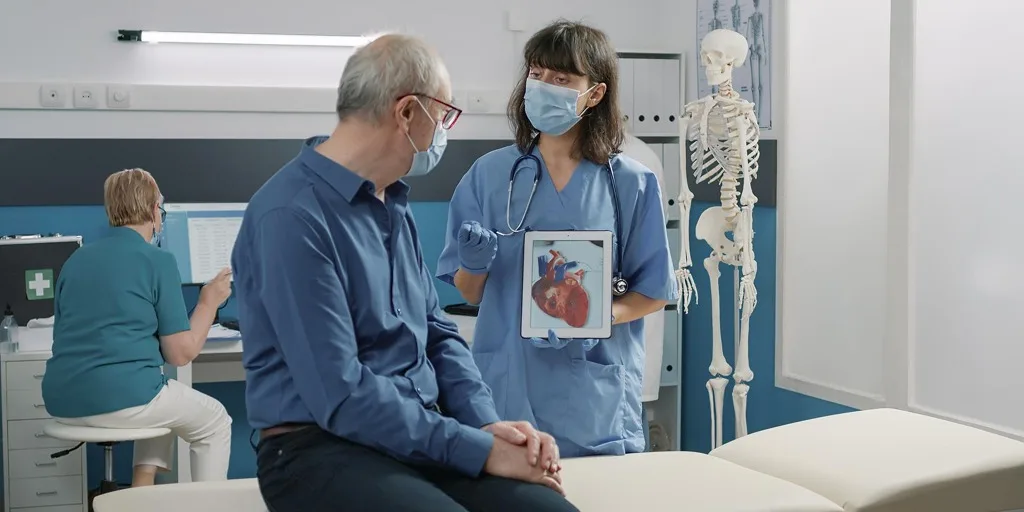
Have you ever thought about how the heart quietly keeps you going each day, right from the moment you wake up feeling completely refreshed to the time you take an evening walk? According to a report from Harvard School of Public Health and the World Economic Forum, cardiovascular diseases could cost India an estimated $2.17 trillion in economic losses between 2012 and 2030. That figure shows how heart health affects not just people’s lives but also the nation’s economy. However, the good news is that many heart-related issues can be managed or prevented with the correct care and lifestyle choices. Cardiac care, also known as cardiology, is the field of medicine that deals with the heart and the network of blood vessels, which keep it functioning. However, cardiac care is not just about medical treatments; it’s also about simple things that you do everyday. Every step that you take can help the heart stay stronger for longer. Through this blog, let’s find out what cardiac care actually means and why it’s so critical for your well-being and overall health. What Is Cardiac Care? Cardiac care, or cardiology, focuses on treating, diagnosing and preventing diseases that affect the blood vessels and heart. It involves treating structural and functional heart issues such as rhythm disorders like atrial fibrillation, valve abnormalities, and vascular conditions like atherosclerosis, where plaque buildup in the arteries restricts blood flow. Proper cardiac care involves a blend of medications, lifestyle improvements and even diagnostic tests, such as Echocardiography and ECG (Electrocardiograms). It also involves minimally invasive surgeries or methods when required. The objective here is to restore and protect the heart’s normal function while enhancing overall health. Cardiologists study how exactly the blood flows through the heart, how the body responds to injury and how the heart’s electrical signals function. With this specific knowledge, they can help lower the complications and even extend lifespan. Why Cardiac Health Matters? Taking good care of the heart is important because it powers each organ in the human body. Here are some reasons why cardiac health is essential: It keeps the blood flowing efficiently, carrying the nutrients and oxygen throughout the body. It can lower the risks of severe issues, such as strokes and heart attacks. It supports mental well-being and physical strength. It can help you avoid complex treatments and major surgeries. It can also lower long-term healthcare expenses via early care and prevention. Core Areas of Cardiac Care Cardiac care consists of many important methods that help “how to maintain your heart health?”, offer the correct treatment when needed and also spot problems early. It can be divided into three major areas: Preventive Cardiology Preventive cardiology focuses on safeguarding the heart before any severe issues take place. It’s about recognizing the risk factors, keeping a track of the overall health and making healthy lifestyle choices. Some of the key steps include: Periodic Health Check-Ups: Monitor the blood pressure, body weight, blood sugar and cholesterol levels. Heart-Healthy Diet: Pick food items low in sugar, salt, and saturated fat. Make sure to add more whole grains, vegetables and fruits. Physical Activity: Work out regularly to improve circulation and strengthen the heart. Stress Management: Try relaxation techniques, such as counseling, yoga, or meditation, to manage stress, which can affect the heart. Lifestyle Choices: Avoid limiting alcohol intake or smoking. Medication Adherence: Take the prescribed medication for ailments like diabetes and high blood pressure to lower the chances of heart-related risks. Diagnostic Cardiology Diagnostic cardiology can aid in detecting heart problems early and determining how serious they are. Physicians use many tests to check the heart function, blood flow, and rhythm. Common diagnostic tools include the following: Cardiac CT and MRI: Offers detailed imaging to identify vascular and structural abnormalities. ECG (Electroncardiogram): It records the electrical signals of the heart to detect rhythm-related issues. Holter Monitoring: Tracks the heart rhythm continuously for 12 to 48 hours. Stress Tests: The tests measure how exactly the heart reacts during physical exertion. Echocardiography: The tool uses ultrasound to create images of the heart’s performance and structure. Interventional Cardiology Interventional cardiology keeps its focus on treating heart issues via methods that don’t need major surgery. These treatments are typically minimally invasive, and the technique involves inserting thin catheters via the blood vessels. This helps in restoring proper blood flow or correcting the irregular heart rhythms. Angioplasty and Stenting This method aids in opening the arteries that are narrowed and blocked. A small balloon is inflated inside the artery to clear away the blockage, and a stent (a small metal tube) is usually placed to keep it open. This enhances the blood circulation to the heart and reduces the risks of all future heart attacks. Balloon Angioplasty In this technique, only a small balloon is used to broaden the artery without putting in a stent. It is usually performed alone or as a first step right before inserting a stent, depending heavily on how serious or where the blockage is. Catheter Ablation This is a minimally invasive treatment for heart rhythm issues. During the procedures, surgeons use a flexible and thin tube known as a catheter to guide it to certain areas of the heart to get small patches of tissue that lead to irregular electrical signals. This helps in restoring a normal and steady heartbeat. Surgical Cardiac Treatments At times, surgery becomes mandatory when minimally invasive methods or medicines don’t treat the heart condition completely. These surgeries aim to restore the blood flow, replace/repair the damaged parts of the heart and enhance how it functions overall. Coronary Artery Bypass Graft (CABG) Surgery CABG surgery is performed to bypass the narrowed or blocked coronary arteries and enhance the blood supply to the heart muscle. Surgeons use healthy arteries or veins from other sections of the body and create new pathways for the blood to flow. This method is usually advised for individuals with multiple blockages or severe coronary artery conditions. Heart Valve Surgery This surgery is for repairing the
Importance of Timely Ambulance Services in Road Trauma Cases

From tending to everyday duties to being responsive to responsibilities, or managing health, all of which require timely attention, timely intervention can be the difference between life and death. In the event of an emergency (especially road accidents), time is of the essence. This is where the importance of timely ambulance services comes in. The advantage of a quick response is that those injured can be treated at the most critical time. Road accidents are unexpected, and the body can go into shock or suffer injuries that need immediate attention. With sufficient time from emergency response, patients can be stabilized before they arrive at the hospital. The modern-day ambulances are more than transportation; they are equipped with advanced medical equipment and staff, and can also deliver pre-hospital care. In the case of road trauma, this very fast response can minimize complications and recovery. With reliable Emergency Medical Services (EMS) and well-trained emergency medical technicians (EMTs), an ambulance will never be too far away. What Do We Mean by Timely Ambulance Services? When we speak of the importance of timely ambulance services, we mean to get medical help as fast as possible after an emergency. Getting to the hospital quickly is important, but getting pre-hospital care at the scene is even better. Quick emergency response from relief can help patients receive oxygen, first aid, or stabilization before they come into a trauma center. In road trauma cases, this early support makes all the difference to recovery. Simply put, the timely ambulance is the guarantee that care does not begin with the arrival of help in a hospital. Why Are Timely Ambulance Services Crucial in Road Trauma Cases? In road trauma cases, every second counts. The faster the medical assistance, the higher the chances of stabilizing the injuries and preventing additional complications. Timely ambulance services allow quick response to emergencies to ensure that patients get the care they need at the appropriate time. The Golden Hour Concept Physicians usually refer to the golden hour since an accident, the first 60 minutes in which a rapid medical intervention can greatly improve the situation. The appropriate emergency trauma and pre-hospital care are crucial in reducing the risks and promoting recovery during this period. In a case where an ambulance arrives at the patient in time, the trained personnel are able to initiate some form of treatment, like bleeding control, oxygen administration, or checking the vital signs. This timely intervention during the golden hour is why the importance of timely ambulance services is highlighted so strongly in accident and trauma care discussions. Rapid On-Site Medical Assistance Timely ambulance services have one of the largest strengths in delivering fast medical care at the point of the accident. The contemporary ambulances cover the necessary tools needed in case there is any road trauma case and provide immediate assistance even before the patient is admitted to the hospital. Emergency medical technicians (EMTs) will be able to check vital signs, administer oxygen, prevent bleeding, and stabilize the patient. Such pre-hospital treatment makes the body less stressed and prepares the patient for a hassle-free transfer to a hospital. Such a quick on-site response in cases of emergencies usually simplifies the recovery process. Coordinated Emergency Response Ambulance services are best delivered in a coordinated network in order to be timely. Rapid interaction between the Emergency Medical Services (EMS), traffic police, and hospitals ensures that patients are transported promptly. This coordination facilitates the minimization of the emergency response time and enables hospitals to prepare against the cases that will come their way. When this is a linked system in the road trauma case, doctors and nurses are prepared when a patient shows up. Ambulance services mean more than speed; it’s expert teamwork and reliable trauma care that save lives. Learn more at Meridian Hospitals’ emergency care guide Ensuring Ambulance Availability During emergencies, it can be painful to wait minutes when an ambulance is not available nearby. This is why the ambulance availability in all regions is so significant. Access to adequate ambulances that are well spaced and staffed by trained staff improves the response time of emergency relief and makes care more available to a larger population. Be it the city congestion or long distances, improved access means that assistance is never far off. These services, along with competent emergency medical technicians (EMTs) and adequate equipment, are comforting and safe. This is centered on fast, reliable, and compassionate care during road trauma cases when it counts most to act fast. What Role Do Ambulances Play Beyond Transport? An ambulance is not merely a car to drive a patient to another destination. Their contribution to emergency trauma care extends much longer than transportation: In pre-hospital care, such as first aid, oxygen, or IV. Check the vital signs on the trip to be safe. Shorten emergency response time, making care start at the scene. Provide a mobile connection between the hospital and accident locations. Assist families in making sure that the patient is stable and reassured. It demonstrates the actual significance of timely ambulance services, which provide instant assistance and additional support until the patient is fully treated at the hospital. Role of Trained Paramedics in Trauma Care The timely ambulance service is backed up by the proficient paramedics who do work miracles in traffic trauma cases. Their role includes: Administering pre-hospital emergency trauma care. Quick response to breathing, bleeding, and pain. Using equipment for pre-hospital care, like oxygen masks and monitors. Helping the physicians by providing the right information about the patient. Providing support to patients and their families when they are stressed. With the presence of trained emergency medical technicians (EMTs), the importance of ambulance services becomes clear; they save time and start healing even before hospital admission. How to Improve Access to Timely Ambulance Services Enhancing access to ambulances entails being sure that assistance is provided at the right time and location. Increased fleets, faster dispatch systems, and emergency lanes can improve the availability of ambulances. Another way to make
Breast Cancer Awareness: Self-Exams & Early Signs

Breast cancer awareness is more than just a campaign; it is a life-saving one, emphasizing the importance of early detection and treatment of breast cancer. Breast cancer is the most common form of cancer among women, and although this disease can also affect men, its effects are far more significant in females. The early signs of breast cancer in young females, such as unusual lumps, constant pain, or discharge from the nipples, can make all the difference in recovery. A simple self-exam for breast cancer, if performed on a regular basis, allows people to identify the changes before they become severe. In the current world of ours, knowledge regarding cancer awareness, whether it is spotting the early signs of breast cancer in women or the treatment for breast cancer, is critical. With advancements in care, patients have access to multiple treatment options, including surgery, radiation, and chemotherapy for breast cancer. Being knowledgeable, proactive, and consistent with self-examination can give people the power to ensure they can safeguard their health and take action before it is too late. What Is Breast Cancer? Breast cancer is a disease that occurs when cells of the breast start to grow uncontrollably and form a tumor, which may spread to surrounding tissues or other parts of the body. It is the most common cancer found in women, although men can also be diagnosed with it. Detecting the condition early is important because breast cancer treatment in India is most effective during the earlier stages of the disease. The initial symptoms of breast cancer in women can be lumps, skin changes, or nipple discharge. In some cases, women may experience the early signs of breast cancer, such as rash or strange swelling. What is a Breast Self-Exam? A breast self-exam is a simple, at-home method of checking your breasts for any changes, skin irregularities, or other common symptoms. While it does not take the place of medical screenings, performing a self-exam for breast cancer each month helps women become familiar with their breast tissue and quickly recognize unusual signs of breast cancer. This preventive step is in support of cancer awareness and promoting early medical consultation in case of any abnormality detected. Why Are Self-Exams Important? Women who make it a habit to examine their own breasts every month are taking a very easy but effective step toward knowing how their bodies are. They can maximize the likelihood that problems will be caught early in order for breast cancer treatment to be most effective. Identify breast cancer at an early stage before it worsens Easy to use, fast, and completely free of charge. Helps to teach you what normal feels like in your breasts Facilitates breast cancer awareness and proactive health care Supplement mammograms for better protection A few minutes here and there will make a lifesaving impact. 5 Early Warning Signs of Breast Cancer It is important to know the warning signs of breast cancer so that you can get treated early enough when it can be treated. While not all changes are indicative of cancer, there is no harm in being aware. Below are the most common warning signs: 1. Unusual Lump or Thickening One of the first early signs of breast cancer in women is a hard lump or thickened area in the breast or underarm. Unlike soft and movable lumps that result from benign lesions, cancerous lumps are usually firm and immovable. Early detection of such changes while performing a self-exam for breast cancer can result in faster treatment for breast cancer, which plays a significant role in the chances of recovery. 2. Changes in Breast Size or Shape Significant changes such as swelling in one breast, shrinking, or uneven contours could be indicative of signs of breast cancer. Some of these changes are subtle and easy to overlook if you do not make a self-examination. For young females or women during breastfeeding, these types of symptoms may be wrongly attributed to hormonal or lactation changes, but it is always best to have them checked by a doctor. 3. Skin Redness, Rash, or Dimpling Redness, thickening, and a rash that doesn’t heal are all common examples of breast cancer rash. Dimpling of the skin that can have a texture similar to an orange peel is another warning sign of breast cancer. These changes may be a sign of underlying damage to your tissues or the growth of a tumor, so getting checked out by the medical team is important. 4. Nipple Changes or Discharge Inversion of the nipple, sudden change in the shape of the nipple, or unusual discharge (especially bloody or clear fluid) are strong indicators of breast cancer. While some discharges can be caused by infections or changes in hormone levels, if the problem is ongoing or there is no clear reason, then it cannot be overlooked. Early identification of symptoms in the nipple and its associated areas will give more chances for successful treatment options for breast cancer. 5. Persistent Breast or Underarm Pain While breast cancer is not always painful, ongoing discomfort in the breast or armpit area can be one of the early signs of breast cancer in females. Pain that does not go away with time and medicines should never be ignored. It might be an indication of deeper tissue changes, and it is best to consult a doctor to get the proper diagnosis and treatment promptly. 5 Mistakes to Avoid While Doing Self-Exams And while a breast self-exam is very simple and effective, many women make unknowing errors that can negate its effectiveness. Knowing the right way to conduct the exam is important, but knowing what not to do is equally important. Skipping Regular Checks Many women only perform a self-exam for breast cancer once in a while, but consistency is key. Breast lump detection is easier when performed every month. Detecting the early signs of breast cancer in women requires regular checks, preferably once every month. Regular exams not only help to strengthen
Dizziness After a Car Accident? Here’s What It Could Mean

Dizziness is one of the effects that is common to people. This can be immediately after the event or slightly later, and can at times be associated with whiplash dizziness, when the abrupt movement of the head is related to their balance. Post-car accident dizziness may also occur due to various causes; these causes include, among others, head injury after a car accident, mild concussion, and injury due to an imbalance in the inner ear. Some individuals describe it as feeling lightheaded, while others experience a spinning sensation, commonly known as vertigo, following a car crash. Knowing the general causes of dizziness after a car accident, the consequences of dizziness are predictable, and thus recovery becomes less of a concern and appears manageable. Why Dizziness Occurs After a Car Accident Dizziness after a crash usually means the body’s balance system has been disrupted. This can result from trauma to the head, neck, or inner ear, or even from emotional stress and medication effects. The sudden force of impact can affect how your brain, nerves, and vestibular system (inner ear) communicate, causing lightheadedness, spinning, or imbalance. In short, post-accident dizziness is your body’s way of signalling that something may not be right. In some cases, this can also coincide with hidden internal injuries; here’s a helpful read on warning signs of internal injuries after an accident that often go unnoticed. 5 Common Causes of Dizziness After a Car Accident Dizziness after an accident can be explained by a number of reasons. Others complain of car accident dizziness immediately, whereas others complain of post-accident dizziness afterward. Conditions such as whiplash dizziness, mild concussion, or even vertigo after car accident are typical. These are some of the causes that can lead to you taking the correct action towards recovery. Concussion The first cause of post-car accident dizziness is a concussion. It occurs when there is a sudden jolt or impact to the head; this can have a temporary effect on the way the brain works. Individuals with a concussion can experience lightheadedness and loss of balance or struggle to focus. Mild headaches, blurred vision, or sensitivity to light and noise may also be other symptoms of concussion following a car crash. Although these effects may be disconcerting, the majority of concussions recover through rest, health care counseling, and basic care practices. When dizziness persists or worsens, physicians will be able to indicate non-risky, as well as successful, therapeutic remedies. Whiplash Another common cause of making people feel unsteady after a car accident is whiplash dizziness. Whiplash is caused by sudden movements of the head being pushed back and forth like a whip. The muscles, joints, and ligaments of the neck may become strained by this fast motion, and in some cases, it has an impact on balance and coordination. It has been described by a lot of people as being light-headed or a bit off-balance, and in most cases, coupled with stiffness or pain in the neck. Dizziness and whiplash normally heal with time, taking rest, light exercises of the neck, and medical intervention where necessary. One can contribute to the process of recovery by correcting their posture and avoiding sudden movement. Inner Ear Imbalance The inner ear contributes a lot to the sense of balance; hence, a minor distortion following a car accident can serve to make a person experience dizziness. Others experience a spinning sensation commonly referred to as vertigo after car accident, whereas others experience slight lightheadedness, and others experience mild chest pain. This is as a result of fragile organs of the ear that handle balance being in a temporary state of being interrupted by sudden motion or an impact. The sensation, in most instances, gets improved as the body gets better, and in this case, with rest and hydration. When one feels dizzy following a road collision, physicians can examine the inner ear to propose the basic treatments that will bring about stability. Stress & Shock Response Post-accident dizziness is sometimes not physical only, but it can also be related to the body’s stress. Stress hormones can be released by the body after a car crash, and this sudden rush can make one feel light-headed or out of balance. Feeling uneasy can also be the result of emotional shock, and it can be combined with other feelings, such as dizziness after a car accident. The positive news is that such effects normally subside after just relaxing the body and getting enough sleep. Simple breathing exercises, maintaining a good water intake, and giving oneself some time to rest may minimize the dizziness that might be a result of a stressful or emotional reaction. Medication Side Effects In other instances, the prescribed medicines used in the process of post-car-accident treatment can make one feel dizzy. Someone may feel lightheaded or drowsy with pain relievers, muscle relaxants, or because of some prescription. This type of car accident dizziness is usually temporary and fades once the body adjusts to the medication or when the course is completed. When the sensation of disequilibrium becomes uncomfortable, it is preferable to inform your doctor so that they can change the dose or recommend some substitutes. Other measures that will help reduce such side effects include simple measures such as taking medication with food and consuming water. When to See a Doctor Urgently Most cases of post-accident dizziness clear up with rest and care, but in some cases, it’s critical to seek medical attention promptly. Dizziness after a car accident, after sustaining a head injury Sudden or increasing concussion symptoms after car crash. Severe vertigo as a result of a car accident and difficulty with getting up or walking Chronic whiplash dizziness that is resistant to rest Nausea, changes in vision, or memory problems associated with dizziness following a car accident. If any of the above are experienced, it’s best to consult a doctor immediately. Car accident treatment should be sought as quickly as possible so the cause can be determined early and the recovery
10 Early Signs of Cancer You Should Never Ignore
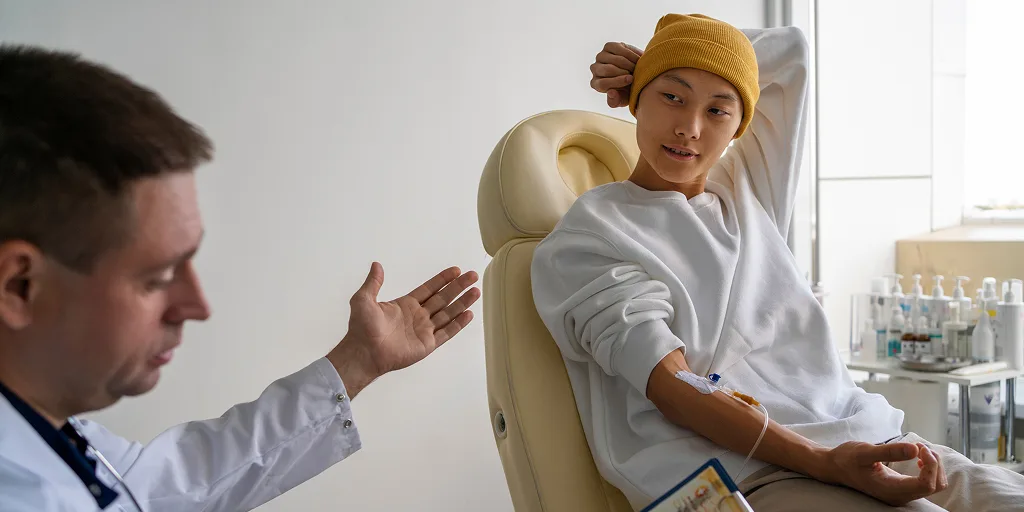
When something is wrong in our bodies, we are always given signals. These messages, which, at times, are very minute and at other times more apparent, are like how the body is talking to us. Listening to them could turn out to be a significant change in our health process. The initial symptoms of cancer can be interpreted as an ordinary health problem, such as fatigue, loss of weight, or skin alteration, but when they continue, they should be considered. Physicians tend to confess that by knowing the warning signs of cancer, people will be able to seek assistance earlier. Early awareness results in early action, whether it is the initial signs of cancer in adults or the signs and symptoms of cancer in children. Hearing these kindly reminders of the body is a move towards a peaceful life and health. 10 Early Signs of Cancer You Should Never Ignore Most of the problems we encounter in everyday life are harmless, but some of them may serve as gentle warnings to the body, urging us to have a closer look. These are ten of the early warning signs of cancer that one should not overlook, provided they do not vanish or increase in prominence. Unexplained Weight Loss Weight loss that comes without effort may appear as a positive shift, but when it comes out of the blue or when an individual loses weight unusually, it is among the first signs of cancer. This is observed by many people as an early change in their body, and in most cases, before other symptoms are manifested. As much as weight varies because of stress, changes in lifestyle or diet, unexplained continuous weight loss should be taken care of. Persistent Fatigue It is quite common to get tired after a long day; however, when being tired after taking your rest, it may be among the first signs and symptoms of cancer. Such exhaustion is not like normal tiredness and does not grow with rest. Persistent fatigue has been observed by doctors as one of the general signs and symptoms of cancer, particularly when it is accompanied by other changes in the body. Although exhaustion can be attributed to a number of reasons, when it is persistent, one should seek an examination. This can be identified as a red flag of cancer, and thus, steps can be taken in time to ensure that one stays healthy. Unusual Lumps or Swelling The observation of a lump or swelling that fails to heal is usually included in the list of the initial symptoms of cancer. These transformations can be observed in the breast, neck, underarms, or any other body part. Most of the lumps are harmless, but those that are persistent or increase in size have to be treated by a doctor. In men, bizarre swelling may be attributed to some types of cancers, whereas in women, it may be associated with some types of breast cancer. Physicians will normally recommend that lumps should not be overlooked at all, since they can be among the initial signs of cancer that will lead to early diagnosis and treatment. Changes in the Skin As it is, our skin tends to show what is going on in the body, and some of the changes are early signs and symptoms of cancer. Abnormal moles, nonspecific ulcers, or chronic rashes can be indicative of something that needs to be medically addressed. Cancer symptoms of a skin-related nature are occasionally experienced, even in dry skin, in cases where the skin texture changes without an apparent reason. Although the majority of the skin does not have any harmful consequences, it is significant to pay attention to the new or permanent alterations. skin-related changes should be listed, which reminds us that early examinations would bring a sense of relief, and excellent care should be provided when necessary. Prolonged Cough or Hoarseness Persistent cough and a voice that fails to improve after several weeks can be listed as the initial signs of cancer. The alteration becomes of particular importance when correlated to the chest or throat, as it might indicate the types of lung cancer or other associated disorders. Though the root causes of coughs are often infections and allergies, the chronic ones cannot be disregarded. They are usually noted by the doctors as the warning signs of cancer, since they may be among the initial indicators of cancer in the respiratory system. Early examinations aid in eliminating anxiety and getting the appropriate medication in the event of necessity. Changes in Bowel or Bladder Habits Among the general signs and symptoms of cancer, sometimes it is possible to notice significant changes in the frequency of urination or in the kind of feces. They can be constipation, diarrhea, or blood in the stool, which should also be noted in the course of a check-up. Equally, alterations in bladder patterns, e.g., trouble with passing urine or frequency, may be early signs. Physicians frequently mention them as one of the 7 warning signs of cancer, since most causes are benign, chronic changes can also indicate the early signs and symptoms of cancer that should be assessed promptly. Unexplained Bleeding One of the initial symptoms of cancer that one must never ignore is unexpected bleeding. This can be manifested in various forms – blood in urine, stool, or a chronic nosebleed. In some cases, even blood vomiting symptoms of cancer are reported and require urgent medical checks. Though not all of them predict something serious, doctors regard unexplained bleeding as one of the major warning signs of cancer since it may signify something in the body that should be taken care of. Early detection of the signs will assist in making sure that appropriate care and early intervention are provided in case it is needed. Non-Healing Sores A sore that fails to heal in a reasonable period is quite frequently reported among the initial indications of being ill with cancer. The sores can be found in the mouth,
Understanding the 7 Different Types of Cancer: A Simple Guide
Did you know that 1 in 2 people will develop cancer in their lifetime? The word “cancer” often feels overwhelming because it covers so many diseases. Not all cancers are the same; they affect the body in different ways and need different treatments. If you’ve ever wondered, “What are the main types of cancer, and how do they differ?” this guide is for you. We’ll break down the 7 different types of cancer in simple terms so you can understand them without medical jargon. What Is Cancer? Cancer is a disease in which certain cells of the body increase and multiply in an unnatural manner. These cells continue to divide instead of halting when they are supposed to, and this can have an impact on the workings of the body. Although there exist different types of cancer, they all act differently according to their place of origin. There are some that are more common, such as some different types of breast cancer or some types of lung cancer, and there are those that are rare. The positive side of it is that the development of medicine has turned most cancers into curable illnesses. Early diagnosis, treatment, and advanced modes of cancer therapies mean that cancer patients can live normal lives. Why Is It Important to Understand Cancer Types? The knowledge of the various types of cancer is not about being fearful; rather, it is about being informed and assured. Knowing them is of use in a thousand ways: Early Detection through Awareness: Timely check-ups can be done through the recognition of symptoms of common types of cancer. Individualized Treatments: Each type of cancer is treated differently, whether it is with surgery or more complicated therapeutic interventions. Improved care of loved ones: The knowledge of whether it is types of cancer in men or women-specific cancers can allow the family to give the appropriate care. Hope and Empathy: When you learn that there are a large number of different types of cancer, you realize that not all of them are severe, and most of them are highly curable. When individuals are informed about the types of cancer treatment that can be applied to cancer, they feel more in control of the process. Education takes the place of fear with empowerment, making patients and relatives proceed with hope. 7 Main Types of Cancer There are numerous cancers; however, they can be broadly divided into a few categories to make them easier to understand. These seven primary types are used to explain the fact that there are many types of cancer and provide an explanation of where these types originate in the body. Being aware of such groups simplifies the process of studying the symptoms, treatments, and outlooks. 1. Carcinoma – Cancer of Skin and Organ Linings Carcinomas are the most common cancers and are among the most common types of cancer people encounter. They grow on the skin or the inner lining of inner organs such as the lungs, liver, or breasts. The cancers are initiated by cells, which envelop and shield body surfaces. Common sites include: Skin Lungs Liver Breasts Treatment: Surgery to remove tumors Radiation therapy to kill cancer cells Chemotherapy or targeted therapy to treat or reduce tumors. Takeaway: Carcinomas make up a large portion of the different types of cancer, including well-known examples like types of breast cancer and types of lung cancer. With early detection, many cancers are highly treatable using modern types of cancer treatments. 2. Sarcoma – Cancer of Bones and Soft Tissues Sarcomas are rare compared to carcinomas, but they remain an important part of the different types of cancer. They develop in connective tissues in the body. They can affect: Bones Muscles Cartilage Fat tissue Treatment: Surgery to remove the tumor Radiation or chemotherapy is used to prevent the spread of cancer. Chemotherapy or targeted therapy. Takeaway: Sarcomas may sound complex, but they show how different types of cancer can appear almost anywhere in the body. Families get to be assured that there are effective forms of cancer treatments. 3. Leukemia – Cancer of Blood and Bone Marrow Leukemia begins with the blood and bone marrow. It does not develop solid tumors like most cancers. Rather, it influences the manufacture of white blood cells, which play an important role in infection resistance. Types include: Acute leukemia (fast-growing) Chronic leukemia (slow-growing) Treatment: To destroy cancerous blood cells, chemotherapy is used. Bio-targeted treatment to prevent the growth of cancer cells. Stem cell therapy to repair the production of healthy blood cells. Takeaway: Leukemia teaches us that various types of cancer are not always found in the organs. It is a significant classification worth knowing in inquiring how many different kinds of cancer there are, since it affects even the blood system itself. 4. Lymphoma – Cancer of the Lymphatic System Lymphoma occurs in the lymphatic system, which is a component of the body’s immune defense. It starts with the white blood cells, known as lymphocytes. Main types are: Hodgkin lymphoma Non-Hodgkin lymphoma Treatment includes: Killing cancer cells with chemotherapy. Targeted radiation treatment. Specific cancer inhibition-based therapies. Takeaway: Lymphomas belong to the category of cancers that are common in the world, and make us aware of the fact that cancer does not always target organs. They emphasize that the kind of cancer in men as well as that in women may also be immune system cancers, most of which can be cured by modern treatment. 5. Multiple Myeloma – Cancer of Plasma Cells Multiple myeloma starts in plasma cells, a kind of white blood cell that is present in the bone marrow. Such cells are supposed to fight infections, and in multiple myeloma, they become uncontrollable. Treatment: Specific therapy against abnormal plasma cells. Drugs to treat symptoms and delay the disease. Stem cell transplant in the appropriate patients. Takeaway: Multiple myeloma is not as common as breast cancer types or lung cancer types, but it remains one of the various types of cancer that one
Heart Attack in Winter: Causes, Risks and Prevention

Most people love winter. The cold weather, hot drinks, snug blankets, and late-night parties are some of the reasons to enjoy the season. However, lurking behind this aesthetics of cold mornings is a silent killer that is hardly noticed, heart attack in winter. It is reported that winter increases heart risks by 14 -20%, particularly among seniors and individuals with pre-existing conditions. The decrease in temperature makes all the blood vessels narrow, the blood pressure increases, and the heart has to work more than usual. In addition to physical inactivity and lifestyle alterations, all these processes play the ideal hand-in-glove in causing complications related to the heart. What seems like a simple bout of chest pain in winter may sometimes be an early warning sign of something more serious. Knowledge of why it happens more often during this season and how to stop it is essential in safeguarding yourself and the people around you. Why do Heart Attacks Happen More in Winter? Cold winters witness a tangible increase in cardiac crises, and it is critical to learn why more heart attacks take place during winter. The low temperature results in constriction of blood vessels and increased effort of the heart and elevation of blood pressure. Such increased pressure leads to a greater risk of clotting that may obstruct blood vessels and cause a heart attack. Cold also suppresses physical activity in spite of an increase in weight and cholesterol, which stresses the heart. Diaphragmatic infections (which are prevalent in winter) impose an additional load on the cardiovascular system. These combined reasons give the explanation as to why, during cold weather, the probability of a heart attack is greatly increased in comparison with other seasons. Does Cold Weather Affect Heart Health Every Day? Yes, cold weather may affect your heart on a daily basis, particularly for people who already have existing heart conditions. Temperatures drop, and this causes blood vessels to become narrower; therefore, blood cannot move easily, and the heart struggles to move it. That is why most individuals report chest pain during winter or pain when exposed to cold winds. Even such basic activities as walking in the open air, removing snow, or just taking a breath of icy air can cause the heart to strain. For advanced care and timely intervention, visiting a reputed cardiology hospital in Chennai can make a life-saving difference. In some cases, people confuse cold and chest pain or wonder, Can cold cause chest pain? And the answer is yes, it can. Constant exposure to low temperatures not only aggravates the risk of heart attacks but may also exacerbate the cardiovascular issues already present in the body. The benefits of ensuring daily protection are crucial to decrease long-term risks. Who Is at Higher Risk in Winter? Winter and heart attacks are closely linked: cold temperatures tighten blood vessels and raise blood pressure, increasing the risk of a heart attack in winter. If you’re wondering why more heart attacks in winter, cold stress, infections, and inactivity can amplify underlying conditions. Risk Group Why Risk is Higher in Winter Children and teenagers Heart attacks are rare; cold exposure can trigger asthma/respiratory stress that strains the heart. Young adults (20–35 years) Lifestyle risks (smoking, alcohol, poor sleep/diet) plus sudden cold stress increase cardiac load. Middle-aged adults (35–50 years) Work stress and early hypertension/diabetes heighten vulnerability to winter and heart attacks. Adults over 50 Weaker cardiovascular resilience makes sudden temperature changes harder to tolerate. Seniors over 65 Reduced immunity, poor circulation, and existing heart disease sharply raise risk. People with hypertension Cold elevates blood pressure, increasing strain on heart and arteries. Diabetic patients Vessel damage and poor circulation worsen in low temperatures. Smokers Smoking narrows vessels; combined with cold-induced constriction, risk rises further. Individuals with obesity Extra cardiac workload; winter inactivity can worsen metabolic strain. Those with prior heart disease Pre-existing conditions make cold weather a strong trigger for events. People with respiratory illnesses Winter infections add lung/heart stress, increasing cardiovascular complications. Adults with weaker cardiovascular resilience are among the highest risk groups for heart attacks in winter. Signs of a Heart Attack in Winter It is imperative to recognize the first signs of a heart attack during the winter months because cold weather is likely to either hide the signs or exaggerate them. Most individuals often ignore discomfort because they mistakenly view it as seasonal aches, but there are some signs worth taking note of, particularly when they feel pain in their chest during winter. Here are some of the warning signs of a heart attack in winter. Constant chest pains or tightness, particularly at the onset of a cold. Bad breath during light activity or with no activity. Cold sweats or sudden light-headedness that gets worse at low temperatures. Sometimes the pain spreads to the neck, arms, jaw, and back. Weakness or unusual fatigue that appears disproportionate to normal day-to-day activities. Nausea or heavy burning pains are usually confused with indigestion. Chest pain with cold or any of the aforementioned symptoms indicate an emergency, and you need to seek medical assistance. Timeliness will always last longer in winter, and this is a survival skill when acting swiftly. How Can You Prevent Heart Attacks in Winter? Avoiding a heart attack during winter begins with knowledge of how cold weather affects the cardiovascular system and taking measures to reduce these dangers. As the temperature drops, blood vessels tighten, blood pressure increases, and the heart labours more to pump blood around. You can keep your heart safe over the season by making small, consistent changes. Keep warm: Wear several layers, wear gloves, scarves, and do not expose oneself to cold air instantly. Wise exercise: Keep moving indoors, with light exercises or yoga, or stretching to keep the blood flowing. Eat smart: Eat heart-healthy foods that are beneficial, like fruits, vegetables, whole grains, and lean proteins, but stay away from heavy and oily meals. Manage risk factors: Check your blood pressure, cholesterol, and sugar level frequently, especially in
What lifestyle changes are needed after a heart attack?

Life does not readily offer many second chances, and surviving a heart attack is one. It is a wake-up call that visually emphasizes what being a go-getter and reforming your day requires to safeguard your health. A question many patients and their families want to know is, What lifestyle changes are needed after a heart attack? And the answer is small and consistent habits that protect the heart against new issues. A heart attack can be the last heave of ordinary life, but it can be the start of a healthier one. Every move counts, from the food you take, the manner in which you move, how you address stress, and how you take medical recommendations. Recovery is an empowering process that is not only feasible with the right lifestyle adjustments. This is a journey of being resilient, having a healthy heart, and making sure that the second chance is the one. What Precautions Should Be Taken after a Heart Attack Healing after a heart attack wouldn’t be simply about medicine, but it would be about good watch over daily habits. These are some of the important precautions for a safer recovery. Here are some of the precautions: Use medicine as instructed to avoid additional complications. Do not overwork yourself, afford your heart sufficient rest, and gradually resume vigor. Follow up on sugar, cholesterol, and blood pressure regularly. Deal with stress by meditating, deep breathing, or seeing a counselor. Reduce smoking, alcohol, and cholesterol or blood-pressure-raising foods. These are little but essential measures that will help to reinforce your recovery and minimize the chance of another heart attack. Heart attacks have become common in young adults and it is imperative to take necessary measures. Why Are Lifestyle Changes Important After a Heart Attack? Healing after having a heart attack does not end in the hospital. How you live your day-to-day life has a direct result on your future heart health and life after a heart attack. The likelihood of a second cardiac event happening without meaningful changes is high. Prevent relapse: Healthy practices reduce the chances of a heart attack. Enhance life quality: Active recovery provides superior vigor and strength, mainly to those who have gotten used to life following a mild heart attack. Extend lifespan: Positive practices have been proven to increase life expectancy following a first heart attack by decreasing risk factors. Improve mental health: Stress management and self-care minimize anxiety and increase emotional resilience. Monitor your health: Consistent check-ups and tests allow you to understand that your heart is in good shape and reveal possible warning signs early on. lifestyle changes after heart attack is not optional; it is one of the main steps towards living longer, healthier, and more confidently. Choosing a trusted heart care hospital in Chennai ensures timely check-ups and advanced monitoring. 5 Lifestyle Changes Are Needed After a Heart Attack? The basis of recovery is healthy practices. Five lifestyle modifications post-heart attack may help mitigate risks, promote health status, and aid in long-term recovery. Heart-Healthy Diet Nutrition is a very strong factor in cardiac recovery. After a cardiac event, following a heart attack, a precautionary diet helps reduce cholesterol, control blood pressure, and prevent further blockages. Eat more fruits, vegetables, whole grains, lean proteins, and good fats such as nuts and olive oil. Meanwhile, limit food, which has the potential to trigger heart-related complications, including fried foods, red meat, and processed or salty foods. Knowing the list of foods to avoid after a heart attack, like sugary drinks, excess caffeine, and packaged junk foods, is just as important as choosing what to eat. Regular changes in diet allow patients to take the load off the heart and promote healing, so that they see gradual improvement on their way to a quality life. Regular Exercise One of the best solutions for strengthening the heart after recovery is safe physical activity. Light, physician-recommended exercises increase blood flow, reduce blood pressure, and increase energy. Light exercises like walking, stretching, and yoga can help make a difference in healing. Multiple forms of exercise, including brisk walking, cycling on a stationary bike, or cardiac rehab programs overseen by trained personnel, are advised as low-impact exercises for heart blockage. 20-30 minutes of moderate exertion, 5 days per week, is usually adequate to enhance recuperation and not work the heart too hard. Sharp efforts, particularly when exercising in cold weather, should be avoided, and a cardiologist should always consult you before initiating or switching workouts. Frequent movement is one of the aspects of the recovery process that not only improves physical health but also builds confidence and emotional well-being. The benefits of physical activity for heart health are innumerable. Stress Management Psychological recovery as much as physical recovery should follow a heart attack. Another event can be enhanced by the undue strain, stress, and anxiety and depression imposed on the cardiovascular system. With stress management, it is possible to maintain levels in the blood pressure and in the heart rate. Such basic techniques as meditation, careful breathing, or mindfulness exercises are very effective. It is also through counseling and support groups that there is reassurance and elimination of the feelings of isolation. To adapt to everyday activities, things like pursuit of hobbies, time with family members, and having a positive mindset could be huge factors in recovery. Stress management is a routine that protects both your mind and your heart, and it results in a more balanced, healthier life once you have a heart attack. Regular Health Check-Ups A routine check-up should make you track your progress and avoid complications later. Once you have a heart attack, a routine appointment with your cardiologist will keep your levels of blood pressure, cholesterol, and sugar under control. To track heart functioning, physicians can refer to heart attack risk testing (ECGs, echocardiogram, stress tests). These assessments help you understand how to know your heart is healthy and whether adjustments in medication or lifestyle are needed. The check-ups will also help to discuss
How Often Should You Get Your Heart Checked?

Heart Care is necessary at all ages. Many people ask, How often should you get your heart checked? It depends on factors such as age, lifestyle, and overall good health. The most definite thing is that regular visits to a doctor can assist in detecting possible issues at an early stage and aid in the long-term well-being of the heart. The shift in heart conditions is not always accompanied by evident symptoms. This is why it is sound and comforting to plan regular check-ups, even when you feel fine. A heart health checkup provides you with a clear idea of your situation and gives you the right to make a healthy choice for your future. Understanding when and in which ways you need to keep your heart checked, you can defend yourself with confidence. What Does a Heart Check Mean? A heart check, or heart health checkup, is a set of medical tests and screenings that assess how well your heart is working. It can involve taking your blood pressure, examining the levels of your cholesterol and sugar levels, and using such tests as ECG or echocardiograms to observe the heart rhythm and its functioning. The checkups assist physicians in determining early indications of heart strain or disease before symptoms appear. Regular heart health screenings give you a clear picture of your heart’s condition and guide you toward healthy lifestyle choices. Regular screenings also guide you toward lifestyle improvements such as exercise and nutrition choices that protect the heart. Who Needs Heart Checks More Frequently? While everyone benefits from routine heart health screenings, some people may need them more often. The importance of heart checkup should not be underestimated. It is particularly important to undergo regular checkups in case you have a family history of heart disease, high blood pressure, diabetes, or high cholesterol. Individuals who are heavy smokers, have a sedentary lifestyle, or have a lot of stress might be even more at risk. Another predisposing factor is age, especially in people above 40, especially men, who ought to check their hearts at regular intervals. The detection of risks at the early stages will allow you to overcome them along with your doctor and save your heart and consequent health conditions. But it doesn’t mean people below the age of 40 can be relieved, it has been reported that over 50% of heart attack cases since 2020 have been among adults below the age of 40. For those in Chennai seeking specialized treatment, Meridian offers a leading center for cardiac care equipped with expert doctors and advanced diagnostic facilities. What Tests Are Included in a Heart Check? Test Name Purpose What It Checks Blood Pressure Measurement Detects high or low blood pressure Measures the force of blood against artery walls Lipid Profile Assesses cholesterol levels Checks LDL, HDL, and triglycerides Blood Sugar Test Screens for diabetes risk Measures glucose levels in the blood Electrocardiogram (ECG) Detects irregular heart rhythms Records the heart’s electrical activity Echocardiogram (ECHO) Checks heart structure and pumping function Uses ultrasound to create heart images Treadmill Stress Test Evaluates heart performance during exertion Monitors heart rate, blood flow, and rhythm while walking/running Chest X-ray (if needed) Examines heart and lungs Looks for size, shape, or structural changes How Often Should You Get Your Heart Checked? The frequency of the heart health screening varies with your age, personal health, and the level of risk. These are just general recommendations, but your physician can advise you on a different schedule depending on your health history. By Age Factor: Age Group Suggested Frequency Reason Under 30 (Healthy) Every 3–5 years Early detection of silent or hidden risk factors 30–40 Years Every 2–3 years Lifestyle and work-related stress may impact heart health 40–50 Years Once every 1–2 years Higher risk of cholesterol and blood pressure changes Over 50 Years Every year Greater chances of age-related heart conditions Athletes & High-Performance Individuals Every 1–2 years Physical strain and endurance training require regular monitoring Risk Factor Low Risk: 2- 3 yrs. healthy lifestyle and balanced diet, no family history. Moderate Risk: Once every 12 months to 2 years- one to two risk factors such as smoking, high BMI, mild hypertension, or borderline cholesterol. High Risk: 6 -12 months: multiple risk factors, diabetic, family history of STEMI or stroke, or abnormal previous screening tests. Other Special Categories Women Over 50: Screening every year because of changes in hormone levels that could impact heart health due to menopause. Smokers (Any Age): An annual test to monitor and minimize the degree to which smoking affects the arteries and cardiac performance. Stroke Survivors: In general, once every six to a year or as recommended by a physician to ensure that the recovery is on track, and to prevent recurrence. Signs You Should Get Your Heart Checked Although routine appointments are good practice all around, there are some indicators that it may be time to visit your physician sooner. Signs and symptoms to be wary of include: Uncontrollable shortness of breath when performing regular tasks Fatigue often or without an easily detectable cause Chest pain or pressure Heart palpitations Swelling of the ankles or feet. Others might also experience dizziness or light-headedness when in exertion. These are not necessarily symptoms of a problem with the heart, but they should be talked about with a healthcare expert to rule out any issues. When should I get my heart checked? These are the signs you should get your heart checked. The issues can be discovered early and mitigated. If you experience any of these, especially if you have risk factors like diabetes, high blood pressure, or a family history of heart disease, consider scheduling a heart health checkup promptly. The different symptoms of a heart attack between men and women can vary. Another point to remember is that some people confuse heart attacks with other conditions. It helps to know the distinction between sudden cardiac arrest and a heart
Heartburn vs. Heart Attack: Key Differences You Need to Know
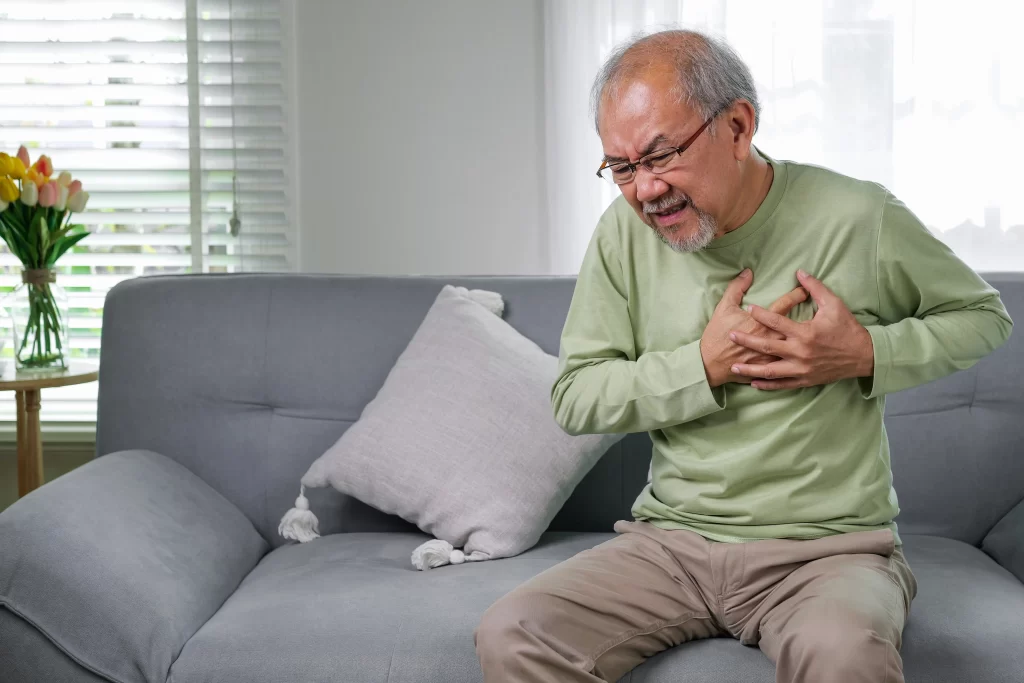
Many people often find it hard to tell the difference between heartburn and heart attack because some of the signs may feel similar at first. A burning sensation in one’s chest can lead to anxiety, growing doubts, like maybe it’s only indigestion, or maybe it’s something serious related to the heart. It can be stressful that there can be confusion regarding these two, but once you understand that both conditions differ, there is some consolation. In this blog, we will take a gentle walk through what heartburn is, a heart attack, their difference, causes, symptoms of heartburn, symptoms of a heart attack, treatments of heartburn, heart attack treatment, and simple and easy lifestyle ways to keep your heart and your gut happy. Heartburn vs Heart Attack The difference between heartburn and heart attack may be vague, since both could involve chest pain. But the former is a digestive-related problem, whereas the latter is a very dangerous cardiac condition. Let us look at the differences that can lead you to take the appropriate actions towards relief or medical support. Aspect Heartburn Heart Attack Nature of the Condition A digestive issue caused when stomach acid flows back into the food pipe (esophagus); the main cause of heartburn is acid reflux. A cardiac emergency – what is a heart attack? It happens when blood flow to the heart is blocked, usually by a clot or plaque. Type of Pain/Discomfort Burning sensation in the chest, often rising up to the throat; these are common symptoms of heart burn that worsen after eating. Pressure, heaviness, or squeezing pain in the chest that may spread to the arm, back, neck, or jaw – classic symptoms of heart attack. Onset Usually triggered by meals, lying down, or bending over soon after eating; sometimes linked to foods that cause heartburn. Can occur anytime, often during exertion or stress, but also while resting. Duration of Pain Typically lasts a few minutes to a couple of hours; improves with heartburn treatment like antacids or standing upright. Pain or pressure tends to persist, usually more than 10–15 minutes, and does not go away with rest or medicine; requires urgent heart attack treatment. Additional Symptoms Sour taste in mouth, burping, bloating, mild throat irritation. Shortness of breath, sweating, nausea, dizziness, or extreme fatigue. Response to Remedies Symptoms often improve with lifestyle changes and simple ways to prevent heartburn. Needs immediate medical care and professional treatment. Risk Factors Spicy or oily foods, overeating, lying down soon after meals, smoking, alcohol – common reason for heartburn. High cholesterol, high blood pressure, diabetes, obesity, smoking, family history of heart disease. Severity Uncomfortable but generally not life-threatening; highlights heartburn vs heart attack differences clearly. A serious, life-threatening condition that needs urgent medical attention. What is Heartburn? Heartburn occurs when stomach acid is returned into the food pipe (esophagus). This produces a burning sensation in the chest, frequently spreading into the throat. It has nothing to do with the heart itself, yet its location and feeling make a lot of people mistake it for heart pains. Heartburn normally follows the consumption of some foods or lying down improperly after eating. It is not dangerous in general, but may be uncomfortable to overcome through simple lifestyle changes. Causes of Heartburn The likely cause of heartburn is acid flowing up from the stomach into the food pipe, but there are some habits and lifestyle things that make it more likely. Learning the reasons for heartburn, can help you control & avoid discomfort. Consumption of spicy, oily, heavy food Eating fast or too much Sleeping or bending shortly after taking meals Smoking or drinking alcohol Too much caffeine (tea, coffee, energy drinks) Stress or anxiety Pressure on the stomach due to pregnancy These scary causes of heartburn need to be taught at a very young age to prevent it from happening. Symptoms of Heartburn The typical symptoms of heartburn are normally easily identified and are mostly associated with eating or your posture. It is crucial to identify early as it will allow you to manage the condition and prevent inconveniences. Burning in the chest or throat. Bitterness in the mouth Sometimes difficulty swallowing Gas after meals or bloating Discomfort that gets worse when lying down What Drink Stops Heartburn? A glassful of cold water frequently relieves heartburn by carrying the acid back into the stomach. Hot fluids such as ginger or chamomile tea, and low-fat milk will also feel better in the food pipe. Coconut water is another natural, fat-free option that is cool, refreshing, and easy on the digestive system. Foods to Avoid for Heartburn There are foods that predispose to heartburn. Spicy dishes, fried foods, tomato-based preparations, and citrus fruits may all cause problems. Symptoms will also be exacerbated by chocolates, caffeine, and carbonated beverages. Cutting back on onions and garlic or heavy gravies in your diet can help eliminate the risks of acid reflux. It is better to avoid these foods that cause heartburn. What is a Heart Attack? A heart attack occurs when the blood supply to an area of the heart is cut off, often as a result of fat, cholesterol in the blood vessels, or a clot. Understanding cholesterol levels for a healthy heart is imperative to leading a healthy life. The heart muscle lacks sufficient oxygen, with damage to the tissue occurring without proper blood flow. This is a medical condition that should be taken very seriously, unlike heartburn, which is not. Spotting a heart attack is the first essential step towards its treatment. Knowing its symptoms and risk factors is important to react promptly and stay healthy in the future. Causes of Heart Attack One has to understand the causes, which is the beginning of time-effective heart attack treatment. By understanding these risk factors, individuals can take preventive measures and have a healthier heart. Deposition of cholesterol or fatty plaques in the arteries of the heart Chronic hypertension Diabetes and untreated glucose Transfat and inactivity Smoking and excessive consumption of
ACL Tear vs Sprain vs Fracture

Legs are pillars of the movements and support us, permitting movement, walking, running, and any other activity. Any damage to them, especially in the area of the knee, can interfere with day-to-day life. Knee injuries can sometimes require urgent care. Knowing the importance of emergency care helps in seeking timely treatment and preventing long-term complications. Among these, the anterior cruciate ligament (ACL) is one of the most commonly injured parts of the knee. People often ask, What is the difference between an ACL sprain and tear? This question matters because while an ACL tear and injury are specific to the ligament, general sprains and bone fractures are also frequent causes of knee pain and disability. A sprain is a stretched or a mild tear of a ligament, whereas a fracture is a broken bone. An ACL tear, on the other hand, can be more serious, sometimes requiring treatments for a torn ACL, like surgery. Knowing the types of ACL injuries, how they differ from sprains and fractures, and the usual sprain treatment or fracture care is the first step toward recovery. ACL Tear vs Sprain vs Fracture (Comparison Table) When it comes to leg injuries, many people wonder, What is the difference between an ACL sprain and tear? The answer is in the extent of the damage to this anterior cruciate ligament as compared to having a general sprain or even a bone break. To simplify it, here is a definite comparison of an ACL tear, a typical sprain, and a fracture. Aspect ACL Tear Sprain Fracture Definition Partial or complete break of the anterior cruciate ligament in the knee. Overstretching or mild tearing of any ligament in the body. Break in the bone, ranging from hairline cracks to complete separation. Types of Injuries Part of types of ACL injuries (Grade 2 or 3 under ACL injury grading). Can be mild (Grade 1), moderate (Grade 2), or severe (Grade 3). Classified as simple, compound, stress, or comminuted fractures. Cause Sudden stops, twists, or sports collisions. Twisting, overstretching, or impact in joints like ankle, wrist, or knee. High-impact trauma, falls, or accidents. Symptoms Instability, “popping” sound, swelling, severe pain, classic symptoms of torn ACL. Swelling, stiffness, discomfort, but joint often still functional. Intense pain, swelling, bruising, inability to bear weight. Treatment Treatments for torn ACL may include rehab or tear in knee surgery for complete tears. Usually treated with the RICE method and physiotherapy (sprain treatment). Immobilization with cast/splint, sometimes surgery. Recovery Time 6–9 months depending on severity and tear of ACL treatment. Typically 2–6 weeks, depending on grade (ACL sprain recovery time is fastest). 8–12 weeks or longer, depending on bone and overall health. Prevention Strength training, balance exercises, ACL injury prevention routines. Warm-ups, flexibility training, avoiding sudden twists. Protective gear, fall prevention, bone health care. What heals faster, a sprain or a fracture or a tear? ( tabular format) Recovery is based on the kind of injury, its severity, and the treatment selected. A simple sprain varies differently because the sprains are likely to heal within a short period with simple spray treatment; however, an ACL tear and injury will need a longer duration and in most cases surgery. Fractures, in their turn, imply repair of bones, thus prolonging recovery. Here is a clear view of the standard recovery periods. Injury Type Average Healing Time Notes on Recovery Sprain 2–6 weeks Most sprains heal quickly with RICE and therapy. Mild ones recover fastest, though severe grades may take longer. ACL Tear 6–9 months Depends on severity and tear of ACL treatment. Partial tears may recover with rehab, but complete tears often need treatments for torn ACL like surgery. Fracture 8–12 weeks (sometimes longer) Bone healing is slower than ligament recovery. Severe or compound fractures may take months with immobilization or surgery. How to Tell What One You Have? You can never be sure whether it is any of the following, including a sprain, a fracture, an ACL tear and injury. The causes and the symptoms of the two conditions are different and overlap. The following is a brief classification of causes, symptoms, and treatment of differences. Anterior Cruciate Ligament (ACL) An ACL tear and injury is the partial or complete detachment of the anterior cruciate ligament of the knee. It is one of the most widespread sports, and it usually causes instability and delays recovery. An ACL is most prevalent and common in high intensity sports, especially in football and tennis. Causes The anterior cruciate ligament is often injured in sports and sudden movements. Common triggers for an ACL tear include: Sharp turnabouts or sudden changes of direction Landing too abruptly or awkwardly following a jump Direct collision to the knee Overexertion in post sports Such injuries can often be classified as medical emergency signs, especially if swelling or immobility occurs immediately Symptoms The symptoms of a torn ACL are often immediate and severe. Watch out, you: A “popping” noise at the time of injury Swelling in a few hours Knee instability or giving way Pain with twisting or ambulation Treatment Treatments for torn ACLs depend on severity. Partial tears can be salvaged in some with physiotherapy, whereas complete tears frequently require knee surgery. Healing can last 6-9 months, with the aid of rehab exercises and ACL injury prevention exercises. Sprain A sprain is an injury or slight tearing of ligaments in various joints, such as the ankle, wrist, and knees. Sprains are relatively less severe than an ACL tear, and they heal quickly when given due care. The ankle is most susceptible to sustain a sprain, it is important to understand the difference between a sprained ankle and a broken ankle. Causes Sprains may occur in joints other than the knee. They occur when ligaments are stretched or slightly torn apart. Causes include: Spraining the ankle, wrist, or knee Overextension in the case of sudden movement Slips, trips, or falls Working out without a warm-up Symptoms Sprains are mild
Head Injury Warning Signs You Should Never Ignore

Head injury warning signs are often easy to miss, especially when the incident seems minor at first. A minor fall, collision in sport, or vehicular accident might sometimes end up in more than a bruise. Not all knocks to the head are serious, but being aware of the first signs can be the key to complete recovery. Your skull is the headquarters of your body, and even minor damage can interfere with its functioning. That is why it is so important to know what to watch. The proper understanding will enable you to act swiftly, be it yourself, a loved one, or a child. In this guide, we are going to discuss what is meant by head injuries, their types, the leading causes, and the symptoms you can never ignore. Depending on the information at hand, you will be able to react reasonably and assuredly in case of an accident. What is a Head Injury? A head injury is any injury to the scalp, skull, or brain caused by an external force. It may be mild bumps or disastrous damage to the brain, affecting its functioning. The most prevalent causes are falling, sports injuries, and accidents on roads, all of which need maximum care and immediate treatment. Since these events can cause hidden internal damage, it is important to recognise indications of hidden trauma after accident. Why Are Head Injuries So Dangerous? The brain is one of the organs in the body and one of the most delicate and important organs as well, which can be affected by head injuries. Even a seemingly small accidental head injury can lead to hidden complications, such as swelling, bleeding, or signs of brain damage. Sometimes problems show up hours or days later, such as: Severe headaches Dizziness Memory issues The effects of a traumatic brain injury vary from person to person, but timely medical attention greatly improves recovery. Not only does it forestall the occurrence of greater damage, but it also assists the natural healing process experienced by the brain, empowering persons to resume their normal lives with no fear and worry of further loss. 5 Types of Head Injury The types of head injury may be classified into various groups according to the type and extent of the injury. This aids in identifying an appropriate reaction to these. Closed Head Injury- It results from a blow or sudden movement without fracture of the skull. It is common in falls and sporting injuries. Open Head Injury – Occurs when an object penetrates the skull, potentially affecting brain tissue directly. Concussion – A mild form of traumatic brain injury that can cause confusion, headaches, and temporary memory loss. Contusion- A bruise in the brain tissue, normally caused by a direct hit. Diffuse Axonal Injury- It is the result of intensive shaking or rotation, resulting in widespread damage to brain cells. Different types have varying symptoms and risks, and therefore, one should be vigilant enough to notice any strange developments following a head injury. What is a Concussion? Concussion is often referred to as the most common term after a bump or fall by many people, despite the fact that it is a mild traumatic brain injury. A concussion is a temporary brain dysfunction as a result of a sudden movement or jolt of the brain inside the skull. These can translate to symptoms such as headache or dizziness, confusion, or memory loss. Although most concussions are not life-threatening, they should by all means be taken seriously. Relaxation, avoidance of hard work, and prompt medical prescription are important in total recovery. Causes of Head Injury Head traumas are unexpected and can occur to both children and elderly people. They may result from everyday accidents or high-impact events, and in severe cases, they can lead to long-term complications or even signs of brain damage. Understanding the way they happen is the initial stage to blocking severe consequences. Falls – One of the leading causes of head injuries from falls, especially among the elderly and young children. Falls in bathrooms, or slipping over an obstacle, or falling from a height, can result in both light and severe trauma. Road Accidents – Accidental head injury from car, bike, or pedestrian accidents is a major contributor to head trauma worldwide. Failure to use helmets or seat belts puts one in greater danger. Sports and Recreational Activities: High-contact sports such as football, cricket, or boxing on the one hand and riding a bicycle/skating without helmets on the other hand are more likely to cause serious brain injuries. Accidents at the place of work-They can involve falling objects, slips, trips, and incidents related to the use of machines and are common in industrial or construction areas. External Object Injury – Head injury can also occur when heavy materials, collision, accidents, or other unexpected blunt attacks impact us in our daily lives. 5 Head Injury Warning Signs You Should Never Ignore Being aware of the initial signs of a head injury can help a lot in improving the situation. Pay attention to medical care in case you have one of the following warning signs, and treat them as symptoms of head injury: Loss of Consciousness-Loss of awareness, even temporary, when it occurs, should be indicative of a serious problem and should be assessed very quickly. Severe Headaches – Persistent or worsening headaches after an injury may indicate internal pressure or bleeding. Nausea or Vomiting – Repeated vomiting can be a sign of a traumatic brain injury and should not be overlooked. Confusion or Disorientation – Difficulty in identifying people, places, or the time of day may be a sign of a change in brain functioning. Blurred Sight or Sensory Changes – Double vision, ringing or a prickling in the ears, abnormal light, and sonic sensitivity may indicate more serious damage. Being sensitive to these warning signs of head injury would assist in early care and lead to more successful recovery. For any
5 Best Exercises for Heart Health: Proven Ways to Strengthen Your Heart

Exercise may leave you perspiring, gasping, and even sore now and then, but the fact really is that these efforts pay off much more than flab-free limbs or exhaustion. The protection and strength of your heart is one of the greatest advantages of regular physical activity. Not only can movement enhance circulation, it can also help to lower blood pressure and even reduce stress, all of which act as natural defenses against cardiovascular issues. Actually, an active lifestyle is by far one of the safest methods of reducing the risk of heart disease and improving the quality of life. The best exercises for heart health aren’t about intensity alone; they focus on consistency, balance, and safety. A brisk walk, a round of resistance training, or even some mindful stretching is the correct routine that will ensure your heart continues operating at the top level while providing you with greater energy and resilience in other aspects of life. How Exercise Helps Your Heart Your heart is a muscle, and just like any muscle, it becomes stronger by exercising. Workout enhances blood flow, keeps arteries flexible, and promotes improved oxygen transportation in the body. It reduces bad cholesterol, normalizes blood pressure, and burns excess body fat, all of which are significant risk predictors of heart disease. Regular physical activity not only reduces harmful fat but also helps in balancing cholesterol and supporting heart function. Exercise also reduces stress hormones to reduce the burden on the heart. All together, these improvements increase endurance and efficiency; over time, the heart can pump harder with less effort. In brief, regular exercise is one of the most effective and yet least complicated methods of ensuring sustainability in cardiovascular health. 5 Types of Heart-Healthy Exercise (with Cautions and Considerations) Each exercise will not affect your heart the same way. Some are concentrated on endurance, and some on strength or balancing; however, combined, they make a well-rounded solution and keep the cardiovascular system healthy. Below are five types of heart-healthy exercises, each with its own benefits and important cautions to keep in mind. Aerobic/Cardio Exercise Aerobic exercises, also known as cardio, are the cornerstone of heart health. Activities that include brisk walking, cycling, swimming, or dancing enhance circulation, enhance the intake of oxygen, and help build the heart muscle. Moderate cardio with a duration of 30 minutes a day will help in reducing cholesterol levels, managing blood pressure, and increasing overall stamina. Caution: Start slow if you are new to cardio, and avoid sudden bursts of high intensity. Develop stamina slowly so as not to overwork the heart. Flexibility and Balance Exercise Strength training rounds out the cardio with weight loss, fat reduction, and a boost in metabolism. Push-ups, squats, resistance band training, or light weight lifting let you have a healthier body composition, and this means less stress to your heart. Caution: Use controlled movements and moderate weights. Do not hold your breath while lifting, since high blood pressure can occur. Strength (Resistance) Training Strength training would complement aerobic exercises to gain lean muscle, enhance metabolism, and aid in achieving good body composition. The resulting stronger body helps trim unnecessary fat and relieves the heart of its extra burden to perform in a more efficient manner. Examples here are push-ups, squats, resistance band work, and lifting lighter to moderate weights. Just two to three sessions weekly may strengthen the cardiovascular system and add endurance and balance. Caution: Apply controlled, steady motion. Use moderate weights and do not hold your breath because the blood pressure may increase abruptly. Interval (Moderate) Training Interval training is composed of alternating moderate follow-up efforts and rest or lighter work. As an example, switching between jogging and walking elevates cardiovascular capacity and maintains fitness activities. It is effective in enhancing heart efficiency without necessarily having to spend a lot of time working out. Caution: Stay within your target heart rate zone. Irregular heartbeat or fatigue also may be the result of overexertion, particularly in beginners Everyday Physical Activities Heart-healthy exercise is not always about going to the gym. Even normal daily activities such as climbing the stairs, doing gardening, brisk walking at work, or household chores can count towards daily movement goals. These things accumulate; they keep your heart active all day long. Caution: Don’t push your body suddenly; gradual, consistent effort is safer than overdoing tasks in one go. Exercise Tips Warm up & cool down – get your muscles and slow down your heart. Be regular– reach 150 minutes of moderate activity per week. Stay hydrated – have drinking water at hand during workouts. Choose fun things to do– you will be more likely to pull through. Listen to your body – stop if you feel chest pain, dizziness, or unusual shortness of breath. Check with a doctor- particularly if you have heart conditions or other health issues. What is a Normal Heart Rate When Working Out? It is also necessary to maintain your target heart rate zone when performing the best exercises for heart health. This helps you reap the benefits of aerobic exercise and resistance training but does not overwork you. Age Target Heart Rate Zone (50–85% of Max HR) Maximum Heart Rate (Approx.) 20–29 100 – 170 bpm 200 bpm 30–39 95 – 162 bpm 190 bpm 40–49 90 – 153 bpm 180 bpm 50–59 85 – 145 bpm 170 bpm 60–69 80 – 136 bpm 160 bpm 70+ 75 – 128 bpm 150 bpm How Do You Know Your Heart is Healthy During Exercise? Doing the best exercises for heart health is only effective if your body responds well. This is how it can be checked: Steady Heart Rate – During aerobic exercises, your heart rate should rise gradually, not suddenly. Target Zones – Stay within your recommended heart rate range; this ensures you get the benefits of aerobic exercise without overexertion. Breathing Test: – You ought to be capable of talking during a workout; catching your breath indicates you are overdoing it. Quick Recovery –
Is a Heart Attack Common in Young Adults?

Heart attacks are not only affecting older adults nowadays but also individuals in their 20s, 30s, and early 40s. Heart attacks in young people are becoming a growing concern, with more cases being reported each year in India and around the world. This increase is associated with a combination of factors such as current lifestyle, work-related stress, hereditary factors, and prior health-related conditions, which are asymptomatic in nature. Most young adults have busy schedules with numerous duties, and that may be the reason why they have forgotten about frequent health check-ups and heart-healthy habits. On the upside, most heart attacks among younger adults can be stopped with early education, good habits, and preventive exams. Let’s discuss reasons why heart attacks are on the rise among young adults, who are more susceptible, and what little ones can do to protect themselves against heart attacks. Are heart attacks really happening in young adults? Yes, heart attack among young adults is indeed a reality. Although they are no longer uncommon in people younger than 40 years, they were still deemed so at one point. The Times of India has shown that the rate of heart attack among persons below age 40 years causes 6-10 per cent of all global myocardial infarctions. Rates in those under 40 are even higher in India than in most Western countries. This predisposition is associated with living habits, permanent stress, predisposition, and untreated medical conditions such as high blood pressure or diabetes. A sudden heart attack in young people can happen without obvious prior symptoms, making awareness and preventive care crucial. Learning to identify heart attack symptoms early can save lives. The good news? Young adults can do much towards reducing their risk and safeguarding their hearts in the long term with routine health screening, early diagnosis, and heart-healthy living. Why are heart attacks becoming more common in young adults? The increasing cases of heart attacks in young people can be traced to a mix of modern lifestyle habits and hidden health issues. The absence of sleep, long work hours, and severe stress levels are imposing a strain on heart health. Among the prevalent reasons for heart problems at this age are unhealthy diets, smoking, and physical inactivity. It is also noted by medical experts that there are increasing instances of obesity, diabetes, and high cholesterol and heart health in children, and in all these conditions, heart attack is the major cause of death in youngsters. A strong family history of heart disease in young adults can further increase risk, especially when combined with other lifestyle factors. Unhealthy Lifestyle Habits A sedentary lifestyle, combined with unhealthy eating patterns, is one of the leading causes of heart attacks in young adults. Processed foods that contain a high amount of sugar, salt, and unhealthy fats can cause heart damage after a long period of time. Smoking, excessive alcohol, and lack of physical activity add to the risk of common heart problems. Over time, these habits can contribute to heart disease in young adults, even when they appear otherwise healthy. Obesity & Diabetes Obesity and diabetes are now being diagnosed at much younger ages, and both conditions significantly raise the risk of a sudden heart attack in young people. Being overweight puts pressure on the heart, and having too much sugar in the blood hurts the blood vessels, and the heart has to work more to do its job. If left unchecked, these issues can lead to signs and symptoms of heart failure or other heart-related complications. Chronic Stress & Mental Health Chronic stress can be brought about by long working hours, examinations, and even financial problems. This high anxiety impacts the blood pressure, hormonal levels, and heart rate. High stress levels, combined with poor coping mechanisms like junk food or smoking, can accelerate the risk of heart attacks in young people. Learning to manage stress is key to reducing risks and spotting the early warning signs of a heart attack before it’s too late. Genetics & Family History A strong family history of heart disease in young adults can raise the likelihood of heart problems, even in those with a healthy lifestyle. The production of cholesterol, blood pressure, and blood clotting patterns can be genetic. Knowing your family history helps you take preventive action early, reducing the chances of a sudden heart attack in young people. Undiagnosed Conditions Disease states such as hypertension, elevated cholesterol, and arrhythmia may exist undiagnosed for many years. These silent risks can eventually lead to heart disease in young adults or even a heart attack in young people. Understanding the various cardiac disorders can help you take preventive steps at the right time. The early determination and prevention of these problems can be identified by means of regular screenings. What makes it challenging is that these issues often progress quietly, leading to a sudden heart attack in young people without prior warning. This is the reason why it is imperative to learn the early signs of a heart attack and conduct health checks regularly. Who is most at risk among young adults? Adolescents are exposed to various health risks, most of which are silent, though imminent. The World Health Organization (WHO) fact sheet on adolescent and young adult health also indicates that the primary threats to the health of adolescents and young adults are injuries, such as road traffic accidents and drowning, violence, and substance use, such as alcohol and tobacco. (view source) In addition, the issues of mental health, particularly depressed mood and anxiety, and early noncommunicable diseases are of great concern. Unhealthy eating, lack of physical exercise, smoking, and consumption of alcohol lead to the long-term risks of obesity and heart-related problems in the future. In young adults, the presence of several factors, e.g., unhealthy lifestyle choices, mental strain, or familial history of illness, can create added vulnerability. Yet, awareness, preventive screening, and early intervention are effective and humane measures against these risks. Having clarity on the ways a heart attack
Sprained Ankle vs Broken Ankle: How Do You Know?

Being injured is never a nice feeling, but what can be even more misleading is not having an opinion as to how severely you were injured. In the case of the ankle, the confusion that is there between injury and sprain leaves you in doubt about what to do next. Is it worth going home and resting or going to a doctor immediately? Knowing the difference between a broken ankle and a sprained ankle is the start to getting the correct treatment. Let’s explore the facts around sprained ankle vs broken ankle, clearly and reassuringly. Throughout this blog, we shall guide you through the signs, symptoms and treatment measures in a soft manner to enable you to better understand what your ankle may be complaining about. Sprained Ankle vs Broken Ankle Understanding the key signs of a sprained ankle vs broken ankle can help you take the right next steps. The following is a basic comparison to orient you. Feature Sprained Ankle Broken Ankle (Ankle Fracture) What it is A stretch or tear in the ligaments around the ankle joint A crack or break in one or more of the ankle bones Cause Sudden twist, roll, or awkward landing Direct trauma, fall, or high-impact injury Pain level Mild to moderate pain, often dull or throbbing Sharp, intense pain immediately after injury Swelling Common, usually appears quickly but improves over time Usually more severe and may include bruising Mobility Some weight-bearing might be possible Often difficult or impossible to walk Visible changes Mild bruising or tenderness Possible deformity or unusual shape of ankle Treatment needed Home-based care like rest, ice, and compression (sprained ankle treatment) Medical attention, possibly casting or surgery (broken ankle treatment) Healing time 1 to 6 weeks depending on severity 6 to 12 weeks or more, based on fracture type Diagnosis Based on symptoms of sprained ankle, physical exam X-ray needed to confirm symptoms of broken ankle Key Difference Ligament injury Bone injury (ankle fracture) How Can You Tell If Your Ankle Is Sprained or Broken? It may be challenging to discern the difference between a sprain and a break since both may result in pain, swelling, and walking problems. Nevertheless, a few indications can tell you what to expect. A sprained ankle is typically an injury caused by stretching or tearing ligaments surrounding the joint. It tends to leave tenderness, mild to moderate swelling, and bruising. You are capable of placing a weight on it, but with pain. In contrast, a broken ankle (ankle fracture) involves a crack or break in the bone. It may induce acute pain, excessive swelling and even a deformed or immobile ankle. Still unsure? No need to fret because we are going to break it down more in the next sections below. What Is a Sprained Ankle? A sprained ankle occurs when the ligaments, strong strands of tissue that hold bones together, are torn or overstretched. It tends to happen when your foot unexpectedly twists or rolls, typically while walking, running, or landing after a jump. It is one of the most frequent injuries and may manifest as mild or severe. With the good news? The majority of ankle sprains can recover successfully at home, given sufficient treatment. A sprain does not require any broken bones, though it may be painful and inhibitory to movement. But it still deserves care; early sprained ankle treatment can make a big difference in how quickly you recover. Symptoms of Sprained Ankle Here are some common symptoms of sprained ankle: Ankle joint pain, particularly when weight-bearing on the ankle joint Swelling, which may ensue shortly after the injury Colouration or bruising of the surroundings of the affected area Painful feeling on touching the ankle Assistance to maintain the range of motion or inflexibility The sensation of unsteadiness during the step, A feeling of instability when walking A tear or pop at the moment of injury (in some cases) In the event that you are having some of these issues, then it is probably a sprain; however, monitor the progression of the pain and swelling. Treatment for Sprained Ankle The majority of ankle sprains may be treated through home care with a few measures, where the injury is mild. This is what tends to help: Rest: Do not subject the ankle to weight. Take crutches when you require them. Ice: During the first 48 hours, use ice packs covered in a cloth in 15-20-minute increments after every two to three hours. Compression: Wrap with an elastic bandage to ensure the swelling is reduced, but this should not be too tight. Elevation: Sit facing up or lie down with your ankle raised higher than your heart so that swelling can be minimized. Pain alleviation: Private drugs can be applied to relieve pain (only under medical advice). Light movements: With decreasing pain, there could also be painless light ankle movements or mild stretches to gain mobility. Be a good listener to your body. On the off-chance that swelling or pain fails to improve within a couple of days, a word with a clinician would be an excellent idea. How Long Does It Take to Heal a Sprained Ankle? A sprained ankle takes time to heal, and the severity of the injury determines this time. With adequate treatment, recovery may be very smooth in most mild to moderate cases. Mild sprains: Normally take up to 1 to 2 weeks to heal with rest and simple home care. Intermediate sprains: This can take 3 to 4 weeks, occasionally with the assistance of a support brace or guided exercises. Severe sprains: Such sprains may take 6 to 8 weeks or longer, depending on whether the ligaments are torn, and may need physical therapy. Each recovers differently. The first step is putting minimal pressure on the ankle and pacing yourself to prevent future instances of injury. In case the pain turns out to be longer than expected, it is not a bad idea to refer to a medical expert and get individual
The Ultimate Guide to Emergency and Trauma Care

A medical emergency can happen at any time and in any place. Whether it is due to an acute injury or an unexpected health event, it is important to understand how emergency and trauma care work so that one can stay calm and take the right steps when it matters most. Early medical care within the first few minutes, also referred to as the golden hour, can be of great importance for recovery in India. The guide has simplified the meaning of emergency care, the conditions that demand urgent assistance, and how trauma is managed using advanced facilities in hospitals. Whether you are a caregiver, a patient, or someone who wants to be prepared, this guide presents everything you need to know in a clear and reassuring way. Why Emergency & Trauma Care Matters The first few minutes of an emergency situation are usually the most significant. Patients who access emergency care and trauma in a timely manner are guaranteed an early response, and with this timely response, some complications may be avoided, and healing time may be reduced. No matter the reason, a quick fall, a sudden health problem, or a road accident, timely care will also help stabilize the situation to alleviate the problem before it progresses. The code teams of emergency care operate under a quick, accurate evaluation and start of treatment, hence an essential component of the contemporary medical sector, certainly in large and expanding cities of India. What Is Emergency and Trauma Care? Emergency and trauma care is a specialized field of medicine dealing with patients in urgent care conditions. This involves all forms of severe accident-related waves to abrupt illnesses such as stomach ache, chest pains, seizures, or breathlessness, among others. Trauma care should be understood as a physical injury, including a broken bone, head injury, or burns, and often comes as a result of an accident or a fall. Trauma and medical problems that require emergent intervention are part of emergency care. The aim would be to rapidly evaluate, stabilize, and treat the patients in such a manner that the patients recover safely and comfortably. Emergency Stabilization: The First Crucial Step Stabilization is the first choice when a patient comes with a severe injury or an acute illness. This implies rapid assessment, management of vital signs, hemorrhage, mitigation of pain, and clearing the airway. Stabilization is simply a case of establishing a safe point at which additional treatment can be initiated. Well-trained emergency teams respond at an alarming pace to evaluate the situation and respond on the spot, be it oxygen administration, pain management, or IV fluids. This preliminary medical assistance is especially instrumental in avoiding complications and pre-conditioning the patient to detailed diagnosis and healing. Types of Trauma Handled Trauma teams and emergency care teams are prepared to deal with a broad set of physical injuries. The most common cases of trauma include: Road traffic accidents: Car, bike, or pedestrian accidents that result in injury are some of the most common and may need emergency care. High-impact falls: This can result in fractures, head injuries, or internal injuries as they fall off the stairs, buildings, or ladders. Sports-related injuries: The violent movements or sports result in sprains, dislocations, bone fractures, and concussions. Penetrating trauma (e.g., knife, gunshot wounds). Injuries involving sharp objects like knives or other weapons, and in extreme cases, gunshots, all need urgent attention to ensure that bleeding is controlled and one does not end up with serious complications. For those navigating the physical and emotional challenges after such events, our guide on the stages of traumatic injuries offers valuable insights into each stage of healing. Medical Emergencies Treated The emergency treatment is not only during accidents but also during serious illnesses that require prompt treatment. Medical emergencies most commonly treated are: Heart attacks: This is due to a lack of enough blood supply in the heart, and it results in chest pains, shortness of breath, or tiredness. Strokes: Blockage or bleeding in the brain, which can cause disability in speech, movement, or alertness.. Sepsis: A life-threatening infection that advances throughout the body and necessitates instant antibiotics and supportive treatment. Diabetic complications: Too low or too high blood sugar levels, which can cause confusion, and possibly fainting and collapse. Asthma attacks: Wheezing, breathlessness, tightness in the chest, caused by suddenly narrowing air passages. Severe allergic reactions (anaphylaxis): A quick allergic reaction that can include swelling, trouble in respiration, or a decline in blood pressure. Seizures: The uncontrolled electrical activity in the brain that may include jerking and loss of awareness. Respiratory distress: Inability to breathe on account of infections, trauma, or an incurable condition such as COPD. Conditions Managed in Emergency Care Besides curing medical and trauma emergencies, emergency departments also deal with various other life-threatening conditions, including: Head Injuries: Trauma caused by such impacts or falls, as well as accidents, may harm the skull or the brain and come under strict observation. Spinal Cord Injuries: Destruction of the spine through accidents or falls requires immediate attention so as to avert long-term complications. Burns: Cuts and bruises that may be caused by anything, whether heat, chemicals, or electricity, need treatment. Fractures: Any bone injuries, including falls, sports accidents, or sports injuries, splints, or surgery often show. Internal Injuries: Organ damage or internal bleeding that may or may not be visible requires rapid diagnosis and treatment. Soft Tissue Injuries: Strains, sprains, or bruises of muscles, ligaments, and tendons, either through overuse or through bodily trauma. Work-Related and Accidental Injuries Other duties of the emergency rooms deal with other types of injuries that happen at the workplace, especially in industries or construction areas. Typical examples are: Industrial accidents: Accidents that are a result of heavy machinery, failure of equipment, or poor working conditions. Electrical or chemical burns: The skin and internal organs can be severely damaged by electric shocks or by dangerous chemicals on exposure. Crush Injuries: When a section of your body is squeezed between heavy items, it can cause
5 Signs of Internal Injuries After a Car Accident

Internal injuries after a car accident may trick people into thinking they are fine on the outside. Following a minor or major car accident, it is crucial to take immediate action. The less evident symptoms make the victims think they are doing fine, which may backfire. Internal injuries are as serious as external or visible injuries. Identifying an internal injury is quite challenging, as the affected person may not be in the right mental space to process it. But ignoring it on the whole can cause major issues in the long run, and if your symptoms are unattended, you will be in a difficult spot with complications. Let’s read into the starting signs of such internal injuries. What Are Internal Injuries? Unlike a sustained fracture or a broken bone, these injuries aren’t outwardly evident. Internal injuries are basically damages caused on the inside that affect the blood vessels, tissues, and other major organs without a visible wound on the skin. This might lead to damage to the tissues or any particular organs or structures within the body. Why Are Internal Injuries Dangerous After Car Accidents? Car accidents are more prone to internal injuries, but they are not visible or felt initially. The patient will not be in a mental state to explain or understand internal damage. In this case, the doctors will examine them initially for any physical damage. For diagnosing any internal injury, the doctor might want to perform a CT scan, X-ray, or Angiography. This will help in identifying any damage to the tissues, bones, and blood vessels. Usually, EFAST will be in the emergency room with an ultrasound to check for internal bleeding or any fluid accumulation. EFAST is known as Extended Focused Assessment with Sonography for analyzing trauma. Internal organs like the liver, spleen, and gallbladder will not produce any outward swelling, unlike injuries to the skin, muscles, and bones. Even urine or stool tests can’t help identify them. As we have seen, these damages can cause more serious issues, because of their quick development, which may lead to serious health conditions. In addition to understanding internal injuries, it’s crucial to know how to act immediately after any medical crisis. Refer to our Complete guide for handling Medical emergencies for a detailed step-by-step response plan. 5 Warning Signs Of Internal Injuries After a Car Accident: It may be difficult, but looking for these symptoms might help in identifying the facts about internal injuries. Nausea Dizziness is a common sign after a car accident because of excessive blood loss. Sometimes it may lead to vomiting if there are any internal injuries after a car accident. Blood in the vomit indicates internal damage. Pain Pain is a common sign. But pain in the chest, abdomen, or groin area may lead to serious health issues. The pain may be mild, but to avoid worsening, it should be treated properly from the beginning. Shock Shock is a typical sign when someone undergoes a car accident. It occurs when the body doesn’t get enough blood flow due to heavy blood loss. The excessive loss of blood will cause a rapid heart rate, lethargy, or lightheadedness. Bruising Bruising can occur internally. Internal bleeding of tissues will cause purple skin. This is not the same as outward bruises. Blood In Stool Or Urine If there is any blood in the stool or urine, you must seek medical help immediately. As it indicates, the injuries happened to the bowel, kidney, or abdominal parts. What Happens If You Ignore Internal Injuries? Any injury should be treated well till it’s fully cured. If it is not cured, it may lead to long-term health issues and discomfort for the patients. An untreated internal injury is fatal as it affects the organ and its functions, which might lead to a failure of that particular organ. When a concussion is not treated after a car accident, it may cause blurry vision or persistent headaches. It may lead to long-term or short-term memory loss in some cases. So, don’t hesitate to contact us at Meridian; our expert practitioners are here to guide you toward faster recovery and peace of mind. What Organ Is Damaged After an Accident? In car accidents, the injury is usually caused by slamming against the dashboard, windshield, steering wheel, or airbag. There will be debris or any luggage collision, too. What might happen during a car injury? The high-impact collision will impact the organs by rupturing or perforating them, such as the kidneys, liver, or spleen. This might lead to a dangerous threat, such as internal bleeding or failure of that organ. Broken Ribs The major symptoms of broken ribs are, Severe pain while breathing, moving, or coughing. Swelling or pain in the affected area. There might be bruises visible on the affected area. The broken ribs pose a threat to cause damage to the vital organs nearby, like the liver, spleen, or lungs. Consider the lung as a balloon. It can deflate when poked by something sharp, e.g. a broken rib or a knife. It is what we term a collapsed lung. When it occurs, one might experience a sharp stabbing pain in the chest. It makes breathing difficult, the heart can become high, and they might feel awfully fatigued. Burst in the Main Abdominal Vessel (Exploded Abdominal Aorta) The abdominal aorta is the big water pipe, or main artery, in your body. If that pipe leaks, it causes really nasty internal bleeding. Warning signs look like this: Severe cramps in the belly and back. Cold sweats pale skin Feeling as though you might pass out. Cardiac race to the wind This is a life-threatening emergency. The body loses blood rapidly and needs immediate surgical intervention to prevent the blood loss and save the person’s life. Ruptured Spleen The spleen is the organ that helps filter the blood and fight any infections in the body. It is located on the upper left side of the abdomen. So if a spleen is ruptured, the signs
10 Common Injuries From Slips, Trips, and Falls

Slips, trips, and falls injuries are rare but painful to cope with. Injuries that happen in our lives are very unexpected, but not unprecedented. Of all the unexpected things, falling is a sudden blow that can cause injury to anyone, anywhere. The fall injuries are the result of losing balance due to a slip or trip. When the friction between the foot and the floor is insufficient, these injuries happen. It can result in physical restrictions and medical costs to treat them. To avoid the risks and their lasting effect, one must understand the potential hazards. Knowing the problem will help you overcome it. So let’s guide you through the trip and fall accidents! What Are Slips, Trips, And Falls? Slips, Trips, and Falls may seem similar, but they are not. Each one is different in its cause. Slips The friction between the floor and footwear usually causes slips. The lack of traction or friction causes a slip. You can commonly see them associated with: Surfaces with wetness or oiliness. Spills. Weather hazards like ice or snow. Rugs or mats on the floor do not have good friction. Trips Trips happen to a person when they hit or strike any objects around them. Causes for trips are: Poor lighting. Keeping uncleaned clutter on the floor. Irregular or unfinished floors. Mats that are wrinkled or curled up. Falls Fall is the result of both slips and trips. It is their reaction by losing the balance and making a shift in the body’s centre of gravity. Factors causing falls are: Obstructing the view by carrying large objects. Not taking adequate caution while working, like standing on chairs with wheels. Moving without analysing the surroundings. Common Injuries From Slips, Trips, And Falls Slips, Trips, and Falls injuries are accidents that might happen at home, restaurants, office buildings, or anywhere in between. By understanding the injuries, you can easily treat them with the best care. Here are some of the most common Injuries from slips, trips, and falls. 1. Sprains And Strains Falling, bending, or twisting your body in an awkward position can cause sprains and strains. These injuries have very common locations in the body that are affected, such as the ankles, wrists, and knees. This causes severe pain in those regions and restricts the person’s movements temporarily for weeks or months. 2. Fractures The awkward landing of the body during a fall can sometimes lead to broken bones. The vulnerable body parts for fracture while falling are the arms, wrist, and hip. 3. Head Injuries And Concussions Severe blows to the head while falling cause these injuries. Usually, head injuries are associated with concussion. The symptoms are associated with dizziness, headaches, and confusion. Head Injuries need immediate medical attention; otherwise, they may lead to a long-term illness. For serious injuries like head trauma, fractures, or spinal issues, it’s important to seek help without delay. Timely access to emergency care can make a major difference in recovery and prevent long-term damage 4. Cuts And Abrasions During a fall, if a person hits with sharp edges or rough corners, cuts and scrapes will happen. If it is minimal, it will heal quickly and automatically. But deeper cuts need to be sutured for better healing. The common places to get hurt by cuts and abrasions are the knees, hands, and face. 5. Back Injuries And Spinal Cord Injuries The Spinal Cord is present inside the back of your bones and muscles. Severe hitting while falling may damage the spinal cord. It causes chronic pain and paralysis sometimes. Herniated disc or slipping of the disc happens with falling. It causes a significant difference in mobility. 6. Shoulder Injuries Trying to avoid a fall causes injury to the shoulder. Injuries to the shoulder are caused by holding on to something to prevent falls. It usually causes dislocation of the shoulder or tear of the rotator cuff. It causes severe pain and limited movement of the hurt arm. Physical therapy or surgery is needed, depending on the injury. 7. Bruises One of the common injuries in slips, trips, and Falls injuries is bruises. When a person hits the surface, blood vessels inside the skin rupture, causing the bruises. 8. Hip Fracture Hip fractures during a fall or slip are most common in older people. Here, the recovery time is prolonged, or it permanently affects the individual’s mobility. 9. Dental Injuries Forward falling or slipping ends in hitting the face. In which the mouth or teeth are affected more. The common Injuries here are broken teeth, chipping of the teeth, or injuries to the gums. These dental Injuries need immediate medical attention as they are more painful injuries. 10. Knee Damage Twisting the leg while falling causes damage to the ligaments or meniscus. It is a common injury during a slip or fall. Because it affects the ability to walk or even to stand. Here, surgery or rehabilitation is given for the patient’s recovery. Which Part Of The Body Is Most Commonly Injured During A Fall? Trip and fall accidents cause the body’s imbalance. So slipping or falling usually injures the body. Commonly injured body parts are: Knees- twisting causes knee sprains or strains Arms- shoulder dislocation, arm fracture are the common Injuries from slips, trips, and Falls. Broken bones in the chest, hip, and arms. Bruises. Sudden trauma causes soft tissue damage. Common Causes of Slips and Falls Slips, trips, and falls can happen anywhere, anytime! Even at your house or your friend’s place, workplace, or while shopping. So knowing the causes that make us fall will help in preventing them. Let’s see the most common causes of slips and falls. Being careless while cleaning the wet floor. Liquid, oil, or any slippery fluid slipping on the floor. Damaged or uneven flooring will make the individual trip frequently. Wearing footwear that is not suitable for the foot. Trip hazards, such as curled mats, loose wires, or boxes on the floor. Weather calamities like snow, ice, or
Blocked Arteries: Bypass Surgery or Angioplasty- What’s Right for You?
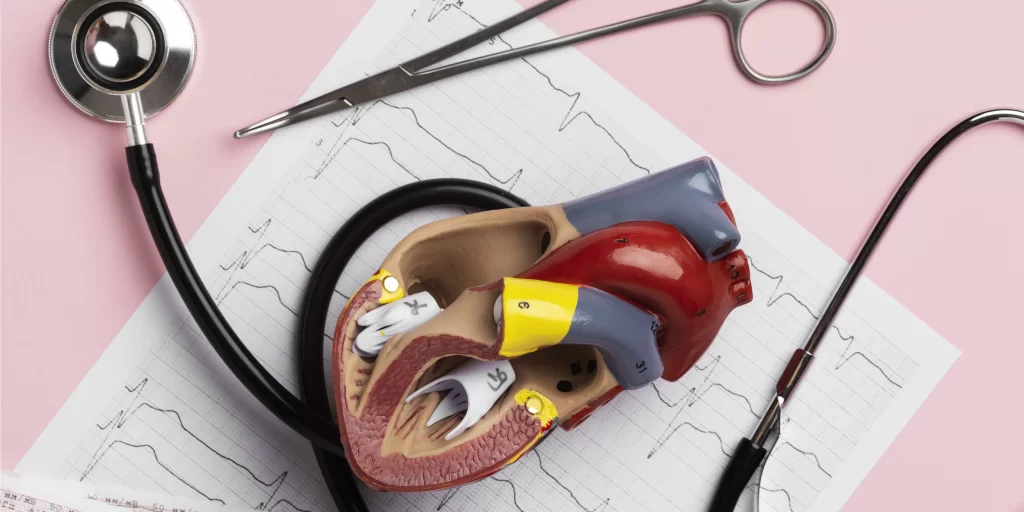
When the arteries supplying your heart become blocked, it can cause chest pain, breathlessness, and even lead to a heart attack. Fortunately, there are two well-established treatments to improve blood flow: Bypass surgery Angioplasty (also called stenting) While both treatments are effective, the right choice isn’t always obvious, and it depends on your unique condition. That’s why the decision is best made by your cardiologist or heart specialist, who will guide you through the safest and most suitable option. In this blog, we’ll explain the difference between bypass surgery and angioplasty, and the advantages of these two procedures, together with their recovery periods. Difference Between Coronary Artery Bypass Surgery and Angioplasty? According to a major review of over 9,500 patients, five-year survival rates were nearly equal: 90% for both bypass surgery and angioplasty. Here is a basic difference between angioplasty and bypass surgery: Feature Bypass Surgery Angioplasty (Stenting Involves Surgery? Yes, open-heart surgery No, minimally invasive Hospital Stay Longer (5-7 days) Shorter (1-2 days) Recovery Time Slower (6–12 weeks) Quicker (a few days to a week) Best For Complex or multiple blockages Simple or single blockages Scars Yes, due to surgery Minimal to None Durability Long-term in severe cases Effective, but may need to be repeated in some cases Understanding your treatment options starts with knowing the underlying heart condition. Different types of heart diseases, such as coronary artery disease, arrhythmias, or valve disorders, can influence whether bypass surgery or angioplasty is the preferred method. What Is Bypass Surgery? Bypass surgery is a type of heart operation where doctors use a healthy blood vessel from another part of your body to “bypass” or go around the blocked artery in your heart. This allows blood to flow freely again. It is usually suggested when: There are multiple or complicated blockages The main artery of the heart is affected A stent may not be enough to solve the problem How many hours is a bypass surgery? It requires 3 to 6 hours of the procedure, depending on the number of bypassed arteries as well as the condition of the patient. What is the recovery time for a heart bypass? Recovery takes longer, usually several weeks, but it offers good long-term relief, especially for people with more severe heart disease. If you need further guidance, our expert heart care team at remote medical care in Chennai is always here to support you. Can I live a normal life after heart bypass surgery? Yes. Most individuals lead busy lives with many satisfying years after surgery with proper cardiac rehabilitation, a heart-healthy lifestyle, and follow-ups. What Is Angioplasty (Stenting)? Angioplasty is a simpler, non-surgical procedure. A small balloon is used to open up the blocked artery, and a tiny metal tube (called a stent) is placed to keep it open. It is often suggested when: There is only one blockage The blockage is straightforward A faster recovery is needed People usually go home in a day or two and feel better quickly, often resuming normal activities within a few days. Can a 100% blockage be treated by angioplasty? Yes, in certain cases. However, it depends on the location and duration of the blockage. In case of complex or long-standing blockages, your doctor may advise bypass surgery. Is angioplasty necessary after a heart attack? Often, yes. It is effective in restoring blood flow and particularly within the early stages of a heart attack. Nevertheless, it might not be appropriate instead of long-term treatment for blocked arteries strategies. A study of Indian patients showed that 88.5% remained free of heart attack, bypass surgery, or repeat angioplasty six months after the procedure. What is the recovery time for angioplasty? Most people return home the same day or the next. Light activities can resume within a few days, but avoid heavy lifting or stress for a couple of weeks. So, Which Is Better? It’s natural to wonder which treatment is “better,” but the truth is there’s no one-size-fits-all answer. The choice between bypass surgery and angioplasty depends predominantly on your cardiologist’s expert opinion. They will consider: Your test results The number and location of blockages Your age and overall health Your recovery goals and preferences In some cases, one option is better. In others, either treatment may work well. Your doctor will help you make the safest and most informed decision. Key Takeaways Both bypass surgery and angioplasty are safe and proven treatments for blocked arteries. Bypass is usually better for complex or multiple blockages. Angioplasty is ideal for simple, single blockages and offers a faster recovery. The final decision rests with your heart specialist, who knows your case best. With either option, you can look forward to a healthier, more active life, especially when combined with lifestyle changes and regular follow-ups. Your Heart Is in Good Hands at Meridian Hospital At Meridian Hospital, Kolathur, Chennai, our experienced cardiologists offer expert care with compassion. Our cardiac care hospital in Kolathur, Chennai, is here to support you with the most trusted expertise, as well as unrivalled care and the latest heart care solutions. Whether you need advanced surgery or a quick angioplasty, we’re here to support you every step of the way. Our hospital provides: 24/7 cardiac emergency care Experienced heart care team Latest diagnostic and treatment technology Home consultation options through “Doctors on Wheels” Frequently Asked Questions (FAQs) Q1. What are the signs of a blocked heart artery? Common symptoms include chest pain, shortness of breath, fatigue, or pain in the jaw or arms. Q2. Is surgery always necessary for blocked arteries? Not always. In the early stages, lifestyle changes and medications can help. For more serious blockages, either angioplasty or bypass may be needed. Q3. Will I recover fully after treatment? Most people lead active, healthy lives after either procedure, with the right follow-up and care. Q4. Can I avoid heart problems in the future? Yes. Healthy food, regular exercise, quitting smoking, and routine check-ups can all help prevent future heart issues. Q5. Where can
4 Types of Heart Valve Surgery and How to Choose the Right One
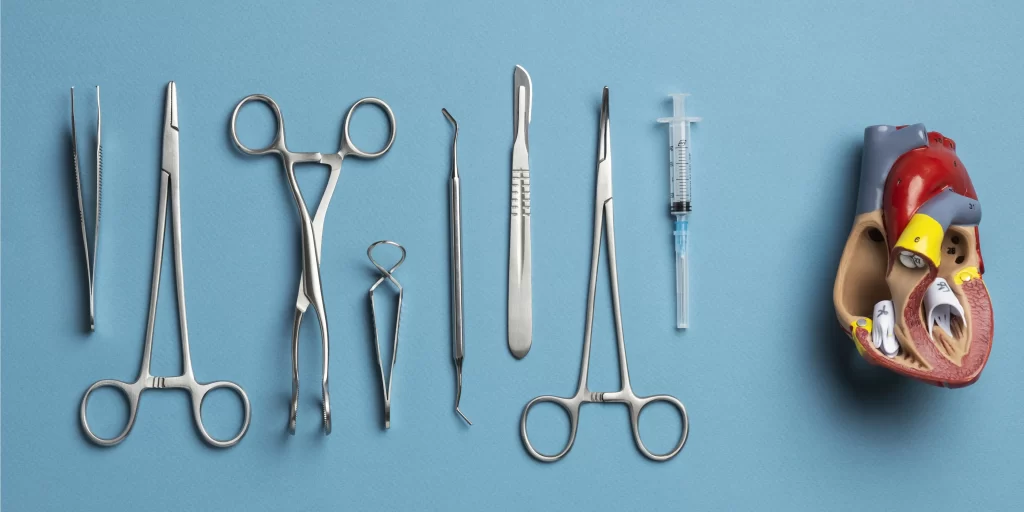
Heart valve problems can affect how well your heart functions and how energetic you feel in daily life. Thanks to modern medical care, there are now several treatment options that are safer and more effective than ever. At Meridian Hospital, Kolathur, all major types of heart valve surgeries are available, and our expert heart team will help guide you toward the option best suited for your condition. What Is Heart Valve Surgery? Heart valve surgery is done to fix one or more heart valves that are not working properly. The valve may be too tight or may be leaking. This can make your heart work harder than it should. With proper treatment, you can feel better, breathe easier, and get back to your normal activities. And with modern technology, recovery is faster and less painful in many cases. 4 Main Types of Heart Valve Surgery Our experienced cardiology team performs a range of surgeries depending on your specific heart condition and overall health: 1. Valve Repair Surgery If your valve is leaking or slightly damaged, your doctor may recommend a repair instead of replacement. This is a preferred choice for many, especially younger patients, as it helps preserve your natural valve and usually avoids the need for long-term medications. 2. Valve Replacement Surgery If the valve is too damaged to be repaired, your doctor may replace it with: Mechanical valves – These last a long time but usually require lifelong blood-thinning medication. Tissue (biological) valves – These don’t typically need long-term medications but may need to be replaced after some years. The choice depends on your age, lifestyle, and health condition, and will always be made in consultation with your heart specialist. 3. TAVR (Transcatheter Aortic Valve Replacement) This is a less invasive option, where the valve is replaced using a small tube inserted through a blood vessel, without opening the chest. It’s especially suitable for: Older patients People at higher risk for open-heart surgery Those who want a quicker recovery (often just 2–3 days in hospital) 4. Minimally Invasive Valve Surgery Instead of a large chest opening, this surgery uses small incisions on the side of the chest or in between ribs. Benefits include: Less pain Shorter hospital stay Faster return to normal activities Not all patients qualify for this method, but your doctor will advise you if it’s suitable. These options can be appropriate depending on an individual’s lifestyle and health needs. Patients seeking to understand various types of heart disease types of heart diseases should consult a cardiologist to understand how valve issues fit into broader heart conditions. How to Choose the Right Surgery? The best treatment depends on many factors, and the final decision should always be made by your cardiologist or surgeon. Here’s what influences the choice: Type of valve problem (leaking, narrowed, or damaged) Your age and medical history Whether you can take long-term medication How fast do you need to return to work or daily life At Meridian Hospital, Kolathur, our team ensures that each decision is made with clear communication and patient comfort in mind. Following surgery, adopting a diet of healthy heart foods can significantly improve long-term recovery and prevent future complications. Helpful Things to Know Before Surgery Valve repair is ideal for many patients, especially younger ones, to avoid long-term medication. TAVR is a gentler, quicker option for those not suited to traditional surgery. Choosing between mechanical and tissue valves depends on your personal preferences and your doctor’s advice. Heart-friendly food and regular follow-ups help your recovery and protect your heart long-term. Avoid These Common Mistakes To ensure better results: Don’t wait too long – Timely surgery leads to better outcomes. Discuss medications, especially if you may receive a mechanical valve. Choose an experienced team, like the expert cardiologists at Meridian Hospital. Stick to follow-ups and cardiac rehab – They’re key to a smooth recovery. Why Choose Meridian Hospital, Kolathur? At Meridian Hospital, we offer: All major heart valve surgeries under one roof Expert heart specialists and surgeons Minimally invasive procedures and TAVR Personalized aftercare, cardiac rehab, and home visits Doctors on Wheels – expert consultations at your doorstep Book Your Consultation Today If you or a loved one needs heart valve treatment, trust the experts at Meridian Hospital, Kolathur. You can help avoid complications and ensure a smoother heart valve disease treatment in Chennai. Our caring and qualified team is here to support you every step of the way, from diagnosis to recovery. Call us, walk in, or schedule a home visit today. Your heart is in safe hands. FAQs Q1. Which heart valve surgery is the safest? Valve repair and minimally invasive surgeries are among the safest with Q2. How long is the recovery after valve replacement? Open-heart surgeries usually need 6–8 weeks of recovery. TAVR and keyhole methods may allow discharge in 2–3 days. Q3. Will I need lifelong medication after surgery? Mechanical valves usually require long-term blood thinners. With tissue valves or repair, this may not be necessary. Q4. Is TAVR good for senior citizens? Yes, TAVR is ideal for older adults or patients at higher surgical risk. It is safer, quicker, and less stressful on the body. Q5. How do I get expert valve care in Chennai? Meridian Hospitals offers comprehensive heart valve options with a skilled cardiac team and advanced cardiac imaging. To make follow-ups easier, explore our Doctors on Wheels home consultation service; expert cardiac care from the comfort of your home.
14 Simple Foods in Your Diet for a Healthy Heart

Healthy heart foods are the greatest gift you can give to the most crucial organ of your body, your heart. Your thumping heart works relentlessly for you to function. One of the best ways to fuel its being is by consuming healthy heart food and following a specialized diet for a healthy heart. Taking good care of your heart is akin to training your muscles; It comes with a regular pattern of choosing the best in a wide variety of foods. By choosing rich fibers, minerals, vitamins, whole grains, and healthy fats, we can boost cardiac health in the right way. Knowing what to eat and avoid is the privilege we, Meridian Hospital, help you to balance your heart health. Let’s explore deep into the wellness of eating nutrition! Best Diet For A Healthy Heart You have picked the path of eating healthy for your heart. Great Going! Now the questions arise, what are all the heart-healthy foods? What are the best vegetables for heart patients? Can we eat all types of fruits, veggies, and grains randomly? No. The key to a healthy heart lies in choosing the essential nutrition-rich food for your cardiac health. You can maximize your life by maximizing these healthy heart foods. Here are some of the best foods for heart health. 1. Leaves And Greens Nutrient rich vegetables such as spinach, collard, and kale contain more vitamins, minerals, and antioxidants to support the heart. Antioxidants are simply the molecules that safeguard your blood cells from enduring damage. They are also rich sources of vitamin K, which promotes the wellness of your arteries. The nitrates in the Greens reduce blood pressure by decreasing arterial stiffness, along with improving the blood vessel linings. Rather than all other vegetables and fruits, these leafy greens have a significant role in heart health by reducing the risk of heart disease. 2. Colourful Berries Power-packed berries like Strawberry, Blackberry, Raspberry, and Blueberries have anthocyanins, which are rich antioxidants. These antioxidants help protect the heart from oxidative stress and other inflammation. Blueberries particularly increase vascular functions by improving the blood vessels. Taking anthocyanin-rich foods will reduce the risk of coronary artery diseases like hypertension and heart attack. In a situation of a heart attack how does one identify its symptoms? Click here to identify the heart attack signs in men and women to take necessary actions. This improvisation easily controls blood pressure and blood clotting inside the vessels. It remains as the best food for heart health, proving that healthy eating isn’t boring. 3. Fish Oil And Fatty Fish Omega-3 fatty acids are widely studied and proven to be the best source for heart health. Fatty fishes like Salmon (Saaman), Sardines (Saambal Meen or Saattai Meen), Mackerel(Kannanguchchi), and Bluefin tuna (Neelapin Thoona) are fully loaded with omega-3 fatty acids. These omega-3 fatty acids aren’t a franchise of power rangers but they function as such. They are essential fats that aren’t created by the body itself and can only be created as per consumption. For those who are not fond of eating fish, there are other options available for them. They can take fish oil supplements for their omega-3 fatty acids. For vegans, Algal oil can be used as a rich source of omega-3 fatty acids. Krill oil is one type of fish oil made from fatty fish like Anchovies, Salmon, and Mackerel. A study has proven that taking omega-3-rich foods has a direct connection to reduced Coronary Vascular Disease (CVD) and Arrhythmias. 4. Whole Grains All the nutrient-rich parts in a grain, such as the germ, endosperm, and bran, are considered the whole grain. These can significantly reduce the risk factors by around 10 to 20% by protecting the heart’s health. Here are a few common whole grains to choose from: Brown rice Oats Whole wheat Barley Buckwheat Quinoa Millet rice Note: The important thing to notice while buying whole grain is to look for the label referred to as 100% whole grain or whole grain, and avoid buying multigrain or wheat flour, as they are not whole grains. 5. Chia Seeds, Hemp Seeds And Flax Seeds A mixture of fiber along with Omega-3 fatty acids is a great source of heart-healthy foods. The chia seeds, hemp seeds, and flax seeds provide a richness of fiber along with Omega-3 fatty acids. Studies have proven that these nutritious seeds decrease risk factors such as blood pressure, cholesterol, inflammation, and triglycerides. The Amino acid in hemp seeds is Arginine, which helps in lowering blood pressure and reduces the risk of Angina. Amino acids are the building blocks which your body uses to create protein. Flax seeds also help in reducing blood pressure and CVD risks. Some of the health benefits of flax seeds cannot be undermined. Chia seed stands firm as a nutrient rich seed that contains an abundance of antioxidants, dietary fiber, and Omega-3 fatty acids. This power pack helps prevent blood clotting, blood pressure, and LDL cholesterol. 6. Tomatoes An argument that often arises on whether tomato is a fruit or a vegetable. For those wondering it keeps your heart healthy and that’s all that matters. Tomatoes contain a natural compound, lycopene plant pigment, which is a powerful antioxidant. The role of an antioxidant is to neutralize harmful free radicals by preventing oxidative damage and inflammation in the cells. This has a bigger contribution to heart health. Increasing the amount of tomato in the diet or any lycopene supplements has a positive impact on BP, endothelial functions, and blood lipids. Taking adequate levels of tomatoes will reduce the low-density lipoprotein (LDL) cholesterol and increase the high-density lipoprotein (HDL), which is ideal for the heart. 7. Dark Chocolate Here is the king of all hearts, the Dark chocolates. The heart’s true desire. The Flavonoids, a natural compound that acts as antioxidants, present in dark chocolates help the heart with blood clotting, blood pressure, blood lipids, and blood sugar regulation. Research shows that taking a moderate amount of dark chocolate reduces the risk
8 Stages of Trauma and Recovery
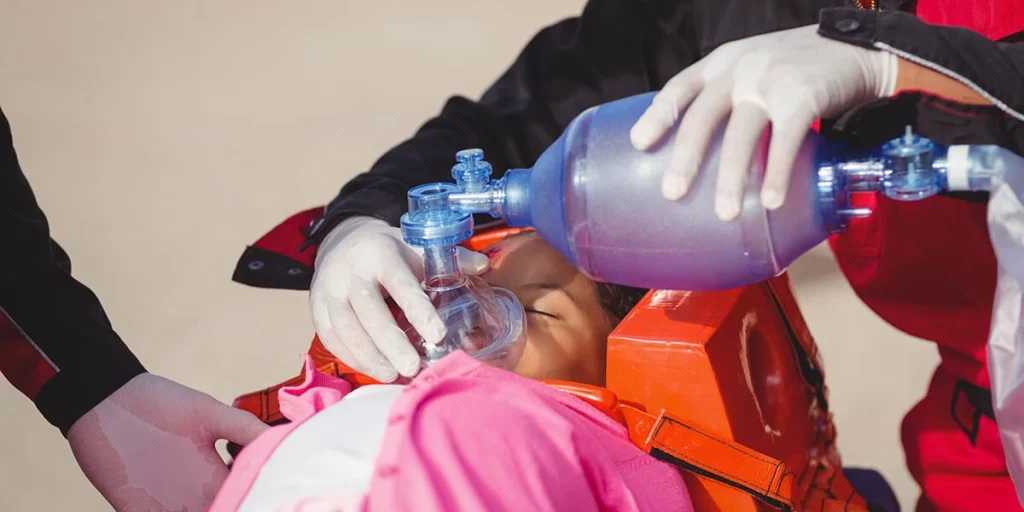
People who go through trauma usually find it extremely hard since it brings emotional and mental difficulties that need time to resolve. Being aware of the stages of trauma and recovery gives families and individuals hope for a healing outcome as they are given time, care, and enough support. What Is Trauma? When someone goes through a serious and unsettling event, they may experience trauma. Such an outcome may happen through accidents, acts of abuse, sudden illnesses, disasters, or the sudden death of someone close. Whereas certain individuals get back to normal easily, other people typically stick with emotional issues for some time, including fear, anxiety, or a sense of being disconnected. The impact of trauma depends on a person’s feelings and reactions to what happens, not only on the specific event. Just like everyone’s experiences are different, their responses may be different, and that’s fine. Stages of Trauma No magical solution exists for trauma healing, but experts agree on the important steps a person goes through. Around 7 out of 10 people in the world will go through a potentially traumatic experience at some point in their lives. Based on the idea of the 5 stages of trauma and therapy, the normal recovery process consists of 8 phases. 1. Shock and Denial The body acts quickly in this way. Some of the first symptoms could be shock, not knowing what to think, or simply not being able to believe it. It makes sure your mind does not become too confused during this activity. 2. Pain and Guilt With shock no longer in the way, difficulties with emotions appear on the scene. A few individuals blame themselves for the situation even when they are not responsible. 3. Anger and Frustration A large number of adults struggle with managing their anger, and studies show that about 30% face challenges with it. When emotions grow strong, anger can affect people, large organizations, or you personally. Naturally, you are responding like this when you are trying to understand what happened. 4. Depression and Isolation At this step, people may feel sad, have less motivation, or prefer being by themselves. Keep telling yourself that the work of healing has not stopped, even if you’re not aware of it. In case things feel too difficult, recall that emergency mental health assistance is available at the best multispeciality hospital in Kolathur, Chennai. 5. Rebuilding and Acknowledgment In this step, you see what happened and learn to deal with your emotions. At this point, people begin to understand their feelings better. 6. Working Through You deal with your memories, restore your self-esteem, and begin to meet challenges in your everyday situations. Being in therapy can greatly help in this part of the recovery. 7. Reconnection and Meaning It is common for victims to consider the effects of their trauma and look for the valuable lessons or reasons that came from it. 8. Empowerment and Integration The last part includes becoming both physically and mentally stronger. Now you view yourself as someone who has gone through difficulties and learned from them. For women navigating deeper health shifts, understanding hormonal balance is key. It’s also essential to know how to respond in critical situations; this medical emergency guide can help you stay prepared and confident. Treatments for Trauma People experience recovery in their own way, though there is help available to aid healing at every step of recovery: 1. Counselling and Talk Therapy During therapy, people are given a chance to discuss difficult emotions and thoughts related to their experiences. People with ASD often try out CBT and trauma-focused counselling. For expert guidance from the comfort of your home, explore Meridian Hospitals’ Teleconsultation Services. 2. Group Support Being in a support group makes individuals feel supported and linked to others who have gone through the same thing. 3. Mind-Body Practices Yoga, breathing fully, and following a relaxation plan support healing of both the body and mind. They are very safe to use daily. 4. Medical or Psychiatric Support Sometimes, drugs are given to handle the signs of anxiety or insomnia in patients. Do not make decisions without talking to a professional first. 5. Routine and Self-Care Long-term recovery benefits a lot from sleep, good nutrition, physical exercise, and any creative activities individuals enjoy. Understanding the role of timely medical intervention can also make a big difference; Read more about why emergency care matters to stay informed and prepared. Final Thoughts When you know the different steps in trauma recovery, you are better able to wait and support both yourself and your friends or family. The process of healing can be up and down, but that is normal. Try to take care of yourself in whatever way you are able to every single day. Meridian Hospitals’ team of specialists provides both emotional and psychological help to aid in all types of healing. You will never have to face challenges without support. Learn more about our emergency and trauma care services and get the help you need when you need it most. FAQs Q1: How long does trauma recovery take? There is no fixed timeline. It varies by individual, type of trauma, and support system. Q2: Is professional therapy always necessary? Not always, but therapy is helpful if trauma symptoms interfere with daily life or relationships. Q3: Can trauma return after years? Yes, certain triggers or stressful events can bring back old feelings. This is normal and manageable. Q4: What are the signs I’m healing from trauma? Better sleep, improved focus, fewer emotional triggers, and feeling more connected to others are positive signs. Q5: How do I support a friend going through trauma? Listen without judgment, offer gentle support, and encourage them to seek help if needed.
5 Medical Emergency Signs You Need Immediate Care

An emergency can occur suddenly, even if you are not ready for it. If you are aware of what makes a medical emergency and what to do about it, you could protect your health or save a life. It serves as a reference for you to tell a medical emergency apart, notice the first signs, and know when it’s safe to call for immediate attention. What Is a Medical Emergency? A medical emergency happens when a serious illness or injury could dangerously affect someone’s health or life if swift treatment is not given. Examples can be sudden pain, blacking out, having trouble breathing, or significant bleeding. Fast understanding and intervention can have a significant effect on the end result. Emergencies in medical care are possible for people of all ages, and they are not limited to the elderly or people with health conditions. Recognizing the Most Common Medical Emergency Signs There are about 40% of emergency cases made up of individuals between 15 and 40 years. Because of these areas, we require different efforts geared toward preventing and managing these problems in young people. Some signs can show a true emergency is occurring: Severe discomfort in the chest that keeps coming back Trouble or discomfort while breathing A sudden sensation of being disoriented Fainting or an inability to respond are the main signs of loss of consciousness. Injury bleeding that doesn’t get better after you press on it When a seizure happens for the first time or lasts a long period A child who has a severe fever along with convulsions Weakness or numbness appearing all of a sudden on one side Constantly vomiting or having diarrhoea, especially when the body is dehydrated When the face, lips, or throat fill with water (from swelling) or trouble when breathing, it can indicate an allergy. Strong pain, such as what would be seen with abdominal or head injuries Whenever you feel unsure, it is always better to go to the emergency room or call your healthcare provider. Meridian Hospitals offers 24/7 emergency services to ensure you get the care you need, anytime. Which Symptoms Need Immediate Medical Attention? Certain symptoms might not appear major at first, but they often get worse very fast. You should act quickly in these circumstances, in particular: 1. Breathing Difficulty It could result from asthma, a reaction to an allergen, or some heart-related condition. When a person doesn’t speak normally or seems short of breath, get medical help as soon as you can. 2. Chest Discomfort The symptoms of a heart attack can differ from one person to another. If someone has a burning sensation or pain in the chest, especially with focusing on the arm or jaw, they may be having a cardiac event. Also, you must be aware of certain heart stroke warning signs and take prompt action when they occur. For a deeper understanding, read our guide on the early signs of heart attack symptoms. 3. Unusual Behaviour or Mental Changes If someone looks confused, speaks in a difficult-to-hear manner, or can’t understand you, it could indicate a stroke or similar issue. Acting fast is crucial; discover why the first 60 minutes after trauma is so critical to understand why every minute counts. 4. Uncontrolled Bleeding Bleeding that keeps flowing even with direct pressure may mean there is an internal problem. Put a wrap on the wound and go to the emergency room as soon as possible. 5. Sudden Falls or Head Injuries If a person gets a head injury and becomes sleepy, throws up, or has different-sized pupils, they require a scan as soon as possible. Knowing how to act quickly in such situations can save lives; refer to our medical emergency guide for essential steps to take. How to Prepare for a Medical Emergency If you are prepared, you will cope better with any emergency, and the outcome may become more positive. These are some common tips to know: Always make sure there are numbers for the ambulance, local hospital, and your family doctor ready to use. You can also visit the best super specialty hospital in Kolathur, Chennai to avoid any medical mishaps. Make sure to keep a file with details about your prescriptions, allergies, and your previous medical events. Make sure there is an emergency contact list in your child’s school bag or wallet. Keep calm, offer comfort to the person, and perform basic first aid until professionals come. Common Mistakes to Avoid During Emergencies In some cases, short delays or assumptions turn into bigger risks. Power lines have to be handled with care, so try to avoid these wrong actions: Trying to ignore illness, due to the hope they’ll improve Trying to resolve issues on your own using the internet instead of receiving help from a professional Delay before calling an ambulance for chest pain or seizure Not alerting the hospital in advance as you head to it Offering food or drinks to an unconscious person might lead to choking. Some people use medications first. As per, National Library of Medicine, mistakes related to medications happen in about 8% to 25% of cases. It is always a good idea to be careful and react rapidly. With Meridian Hospitals’ Doctors on Wheels 24/7 service, expert medical help can reach your doorstep when you need it most. Final Thoughts Recognising the signs of a medical emergency can make the difference between timely treatment and life-threatening delays. Whether it’s a stroke, head injury, heart issue, or trauma, early action is critical. Don’t ignore symptoms like confusion, slurred speech, uneven pupils, or chest pain; these are
What to do in a medical emergency: A Complete Step-by-Step Guide

A medical emergency occurs for various reasons; these situations may be critical and life-threatening. Medical emergencies can occur due to an accident, sudden traumatic health conditions like a heart attack, or even due to causes and reasons unknown. As humans, we all panic and do not understand how to react or help in these situations that need immediate attention. Let us begin by understanding the importance and meaning of emergency care. What Is A Medical Emergency? A medical emergency refers to a sudden health issue or condition that demands urgent attention and action. A person needing medical emergency care is in a severe health crisis, struggling to survive and calling for life support. These situations, asking for medical emergency care and immediate health support, are called medical emergencies. Most Common Medical Emergencies Before knowing the steps for a medical emergency, learning the cause and noting the most common emergencies is essential. Let us look at the most common emergencies below. 1. Heart pain or discomfort Heart pain or discomfort in the chest is one of the most common emergencies. Symptoms and pain may occur in the right hand, arms, neck, and jaw. If sudden squeezing or pain in the heart occurs, the person may have a heart attack. 2. Breathing discomfort or Respiratory emergencies A person suffering from breathing discomfort may require immediate oxygen support. The reason for the uneasiness can be a lung infection, asthma, kidney failure, or other conditions. Observe the signs and indications for immediate treatment. 3. Fatigue and unconsciousness Common emergency conditions like fatigue and unconsciousness occur due to injuries, accidents, bleeding, or other reasons, such as sunstroke. 4. Sudden fever or viral Some other circumstances requiring immediate admission are a sudden fever, jaundice, viral infection, high temperatures, or complicated sudden viral infections. 5. Road accidents Statistical reports in India 2025 say the most common emergencies occur due to road accidents, with an average of 13,17 road crashes and 474 fatalities every day. 6. Other health conditions There can be several causes of a medical emergency, and a key factor to consider is the presence of serious health conditions that demand urgent attention. Conditions like kidney failure, hypertension, uncontrolled diabetes, respiratory illnesses, HIV/AIDS, and cancer may all require rapid response. In such situations, seeking help from a 24/7 emergency response center in Chennai can make all the difference. Rest assured, emergency helplines are always available to provide immediate support and care. What to do in a medical emergency- Important steps to follow Below are some essential steps and measures you must follow in case of medical emergencies. Follow them until you receive immediate help and support. In case of emergencies, reach your nearest hospital. Step 1: Remain Calm, positive, and assertive During a medical emergency, the most crucial advice for all is to remain calm and avoid panic. Reacting and surrounding the patient and family with questions and anxiety can affect the patient’s emotional health. During a medical emergency, remain quiet, breathe easily, and understand how to help calmly and positively. Taking action early is more effective than reacting later. Note: If the patient is conscious or has heavy bleeding. If he is suffering from breathing difficulty or has a health emergency. Step 2: Call for emergency support Once you have understood the nature of the emergency, call the emergency services or the health care professionals available in your vicinity. Note: A)The address or details of the emergency spot. B) Details of the patient’s medical history. c) And other medical conditions, such as if the patient is pregnant, etc. Step 3: First Aid The next important step for medical emergencies is to provide first aid to the patient in need. You need to follow a few First-Aid Tips and steps during medical emergencies. First Aid tips for each situation or condition are different, and you can only perform them if you are professionally trained or know how to give First Aid. Ensure you call for immediate support if you are not prepared or informed. Emergency condition 1: Loss of blood If the patient is bleeding or injured due to an accident at home or a road accident, follow these steps. A) Gently clean the wound and cover the bleeding area with cotton or a bandage. If possible, rinse with water or apply ice to soothe the affected spot. B) Ensure the patient stays awake and responsive while you arrange for medical help or transport to the hospital. Emergency condition 2: Sudden heart attack In case of a sudden heart attack, begin CPR if the person is not breathing. Perform CPR only if you are a trained professional. Call for help. Emergency Condition 3: Seizures If a person is suffering from seizures or epilepsy, ensure you do this. Sometimes, a car jerk or an accident can also cause seizures. A) Stay with the patient and ensure their airway is open B)Avoid putting anything in their mouth C)After the seizure, bring the patient back to a comfortable position and check for breathing problems. Step 4: Look for emergency care services The fourth step in a medical emergency is to seek emergency care services and transport or take the patient to the hospital. If you cannot move the patient, do not attempt to move them; instead, wait for emergency care professionals to arrive and transport them to the hospital for treatment. It is essential to use immediate help during traumatic conditions, as it will help mitigate the patient’s suffering. Step 5: Stay informed and use preventive guidelines Medical emergencies are uncertain; you do not know when they will occur. Here are a few tips to avoid an emergency. A) Follow a healthy diet and sleep routine. B) Stay cautious with your health, especially if you have a genetic family health history. Make it a habit to get routine health check-ups and keep track of your overall well-being. C) Learn First Aid- If you do not know how to perform first aid, consider learning. D) Keep your surroundings safe
Cholesterol Level and Heart Health: What Matters and How to Take Control
You try to eat well, stay active, and live a balanced life, but cholesterol still shows up as a red flag in your health reports. That’s because even healthy-looking individuals can have high levels of LDL cholesterol, which gradually blocks arteries and increases the risk of heart attacks. Lifestyle factors, genetics, and even stress can all contribute silently over time. In this blog, we’ll explain how cholesterol truly functions in your body, why high levels of “bad” cholesterol are so dangerous, and how small, sustainable lifestyle changes can significantly reduce your risk of heart attacks while enhancing your overall well-being. How to measure cholesterol levels? You must take several tests to measure your cholesterol levels. These tests help understand the level of lipoproteins. The lipid panel measures cholesterol levels. Cholesterol levels in the body are typically measured using a Lipid Profile test, which is used to assess how much cholesterol is present in your bloodstream. What is lipoprotein? Meaning and definition Lipoproteins are round molecules found in the bloodstream that help transport fats. They mainly consist of two lipid types—cholesterol and triglycerides. Elevated lipoprotein levels contribute to an increase in cholesterol levels. However, some lipoproteins protect your heart. Total cholesterol levels Different measurements affect total cholesterol levels. Cholesterol levels in the blood are calculated by combining HDL and LDL cholesterol along with 20% of the triglyceride value. HDL cholesterol HDL Cholesterol, or high-density cholesterol, is made up of lipids and proteins and moves through your bloodstream. HDL is considered better for the heart as it reduces plaque buildup. Triglyceride level Triglycerides are fats in the bloodstream that lead to heart disease in women. How does High cholesterol affect heart health? Reasons and causes High cholesterol can affect your body for various reasons, such as genetic disorders, low-density lipoprotein (LDL), Alzheimer’s disease, or other health conditions like kidney or liver disease. Consulting your doctor is important, as it may affect your heart health. Excess of low-density lipoprotein or LDL Excess low-density lipoprotein, also known as bad cholesterol, forms plaque. Plaque buildup can restrict blood flow in the arteries, potentially resulting in a heart attack. Excessive accumulation of low-density lipoprotein (LDL) leads to atherosclerosis, a condition that narrows the arteries and forms plaque. Increases the risk of stroke High cholesterol can increase your risk of stroke by making blood clots more likely. If a clot blocks blood flow to the brain, it can cause an ischemic stroke. Signs of a stroke include sudden numbness, confusion, or trouble speaking. Alzheimer’s disease Some studies suggest that cholesterol may be associated with Alzheimer’s disease. New research indicates that high cholesterol might also affect brain function, potentially influencing memory and cognition. It’s another factor that may contribute to heart disease as well. Other Causes of High Cholesterol Lifestyle factors Unhealthy lifestyle choices, especially poor dietary habits, play a significant role in raising cholesterol levels.Foods rich in saturated and trans fats are major contributors to unhealthy cholesterol levels. Smoking When you smoke, your blood vessels get smaller and plaque can build up, which can lead to heart disease. Smoking also reduces the good cholesterol (HDL) in your body. Drinks and Alcohol The next time you drink, think twice since excessive drinking or consumption of alcohol might increase cholesterol levels and triglyceride levels, leading to heart disease. Chronic health conditions Chronic conditions such as diabetes, thyroid issues, kidney and liver problems, lupus, HIV/AIDS, obesity, and sleep apnea may lead to high cholesterol. Can I lower my levels of cholesterol? Lowering your cholesterol means reducing harmful LDL cholesterol (bad cholesterol)and increasing HDL cholesterol (good cholesterol). Cholesterol can lead to heart attacks, and monitoring your health is crucial. Eating healthy and making good lifestyle choices can help you live a better, more balanced life. Dos and Don’ts For Lowering Cholesterol Levels Avoid trans fats A low-fat diet is the most recommended to keep cholesterol levels balanced, but some researchers say that a monounsaturated diet can help increase good cholesterol (HDL) in the cells. Foods such as avocados, olive oil, canola oil, nut butter, and nuts like pecans and almonds are rich sources of monounsaturated fats. Include polyunsaturated fats Polyunsaturated fats reduce LDL cholesterol and the risk of heart disease. Including Polyunsaturated fats may reduce the risk of type 2 diabetes. Researchers say that type 2 diabetes occurs due to causes such as metabolic syndrome. In India, around 30% of adults are affected by metabolic syndrome, with higher rates in urban areas and among women. Omega-3s and healthy fats are naturally present in fish-based foods and are also available in supplement form. Normal cholesterol levels for men and women Below are the lists of normal cholesterol levels in men and women. According to age and other classifications. Normal cholesterol levels for ages under 19 Cholesterol type Normal Levels 1 Total cholesterol Less than 170 mg/dL 2 Non-HDL Less than 120 mg/dL 3 LDL Less than 110 mg/dL Normal cholesterol levels for men Men b/w ages 20 or older Cholesterol levels Normal levels 1 Total cholesterol Less than 200 mg/dL 2 Non-HDL Less than 130 mg/dL 3 LDL Less than 100 mg/dL or Greater than or equal to 60 mg/dL 4 HDL Levels less than 40 mg/dL Normal Cholesterol Level for Women Women b/w 20 and older Cholesterol levels Normal levels 1 Total cholesterol Less than 200 mg/dL 2 Non-HDL Less than 130 mg/dL 3 LDL Less than 100 mg/dL or Greater than or equal to 60 mg/dL 4 HDL Greater than or equal to 60 mg/dL is best. If the level is below 50 mg/dL, it means the level is low. When should I get my cholesterol tested? When cholesterol is too high, it can trigger symptoms like chest pain, shortness of breath, tiredness, and numbness. As advised by your Doctor, maintaining a balanced diet and following a regular diet is essential. For comprehensive medical care, visit a top multispeciality hospital for consultations in Chennai and connect with experienced specialists. For heart health and
Golden Hour in Trauma Care-The first 60 minutes for Saving lives
In trauma care, the golden hour refers to the critical first 60 minutes following an accident or serious injury. During this period, it is crucial to provide critical care. The patients need the utmost health support for survival to bring them back from the fatal injury or unconscious state. It is a crucial window for optimal recovery, during which patients need trauma care and emergency assistance for life-threatening injuries. It is distressing to learn that India records around 1.72 lakh road accidents each year. Most people attending to patients do not know how to give first aid or lack awareness of how to react during such emergencies. It is essential to learn how to provide first aid tips during road accidents to save lives. Furthermore, there are many reasons and critical situations that require immediate health intervention. This blog explores the importance of the Golden Hour in Trauma, the gap in care, and the facilities that hospitals provide. Why do we need trauma care? Trauma care is required by patients suffering from fatal road accidents, sudden heart attacks and other critical health reasons. At times of medical emergencies, CPR is required for sudden heart attacks or shocks caused by critical accidents requiring speedy recovery. Hospitals and emergency care play a important role in addressing these health issues by identifying gaps and prioritising life-saving interventions. Common emergencies requiring Trauma care in India 1. Road Accidents-RTAs Road traffic accidents in India remain the most common emergency needing trauma care. Road accident emergencies can be fatal and may lead to mortality and deaths. An alarming 67.3% of trauma cases occur due to road accidents in India. 2. Falling from heights Emergencies requiring immediate admission also include injuries caused by falling from heights. These pertain to brain injuries and heavy bleeding common among children and individuals above 70 years. 3. Physical Assaults and Domestic Violence It is appalling to note that in Tamil Nadu, violent incidents, physical harassment, and domestic violence continue to lead to situations requiring urgent medical attention. In such critical moments, reaching out to a multispeciality hospital that offers emergency care can be life-saving, as innocent lives are often at stake and timely intervention is crucial. 4. Factories and Residential accidents Factories and outlets record accidents for various reasons. These include hazardous events such as the leakage of harmful gases, carbon emissions, fires, and other leaks. Fire accidents and thefts in residential areas also require immediate trauma care services. 5. Sudden and unforeseen calamities Floods, earthquakes, tsunamis, landslides, and other natural calamities require immediate support and emergency care. Early assessment and management of Trauma Early assessment and management of Trauma in India emphasizes eradicating the gap in infrastructure facilities and coaching more professionals to help during emergencies, especially during pre-hospital care when patients require immediate assessment. Advanced Trauma Life Support (ATLS) serves as the primary framework for managing emergencies effectively. These guidelines and protocols are widely- followed in India during critical life-threatening situations. Primary survey-ABCDE Airway: Maintaining a clear airway during severe spinal injuries is the foremost requirement. Breathing: Monitoring the Respiratory organs and providing oxygen or ventilation support. Circulation: Symptoms of shock, hypotension, tachycardia, and altered mental status need to be assessed to help maintain blood and fluid circulation. Disability: Checking the neurological status, consciousness, pupil response, and identifying spinal cord injuries and other neurological issues. Exposure: Physical examination, clearing wounds, and changing the patient’s clothes to protect him from hypothermia. Resuscitation: In an emergency, every second counts. The first step called the primary survey focuses on making sure the patient can breathe, their heart is pumping, and their airway is clear. Once they’re stable, doctors move to a full-body check to spot any hidden injuries. this is the secondary survey. From there, the right treatment is given based on what’s found. If you or a loved one ever needs help, book an appointment here we’re here to guide you with care and compassion. FAQS FAQ 1: What is the protocol for trauma care? As of 2025, the ATLS (Advanced Trauma Life Support) protocol serves as the standard guideline for trauma care management. The critical care guidelines include performing primary surveys, resuscitation, secondary surveys, and definitive care during emergencies. Visit the best multispeciality hospital in Chennai for speedy recovery from traumatic injuries. FAQ 2: Why do we need trauma care in hospitals? We need trauma care during severe injuries, road accidents, falls, and other circumstances requiring immediate intervention for care and hospital admission. The golden hour in trauma care addresses these common emergencies that require immediate care. Reach out to Meridian Hospital for immediate support during trauma care. FAQ 3: What measures has India taken to eradicate the accident crisis for the commoner during trauma care? In India, the most common emergency is caused by road accidents. Government measures include providing free medication to economically affected sections for the general welfare of the people. The Rah-veer scheme is a grant or Award given to the Good Samaritan, the person who has saved the life of a victim during a critical accident. FAQ 4: Who to call in case of medical emergencies? Reach out to common helplines, such as 108, for ambulance services or call the nearest hospital located near the accident site. Meridian Hospital has the best facility; book an appointment to receive immediate care when every second counts.
Heart Attack Symptoms in Women vs. Men- What is Different?

In India, heart attacks are more common among men than in women. Men at younger ages are more prone to heart health issues. Heart attack symptoms in men and women vary and sometimes may go unnoticed or misunderstood. That is why it is essential to understand the symptoms and factors that impact heart health in both genders. Women are less prone to heart attacks, and this is due to estrogen content in hormones for women that make them less vulnerable. The estrogen hormone improves the cholesterol levels that maintain flexible blood vessels. Heart attack symptoms may overlap between men and women, but there are also distinct differences in how they present. Let’s explore how these symptoms vary between the two. Heart attack symptoms Women Men Chest pain Atypical symptoms. Chest pressure, squeezing or fullness Men often experience chest pain that feels like pressure, tightness, or a sense of fullness. Heavy breathing Heavy breathing with or without chest pain Unusual breathing discomfort Sweating and Nausea Cold sweat or Nausea Cold sweat that seems unusual Pain in arms, neck, and jaw Discomfort can appear in either arm and may also affect the neck and jaw. Pain in left arm, neck and jaw Fatigue Women face more fatigue and tiredness Fatigue or unusual tiredness Anxiety and Insomnia Women face more anxiety and emotional stress Nervousness, dullness, or lack of sleep Heart Attack Symptoms In Women- A Complete list Heart attack symptoms in women are often unusual and can be intense, sometimes striking suddenly, especially in older women. Chest Pain: Women over 50 may feel asymptomatic chest pain that feels like pressure, squeezing, or fullness. Heavy Breathing: Heavy breathing with or without chest discomfort. Sweating and Nausea: Cold sweat or nauseating symptoms. Pain in arms, Neck, and Jaw: Discomfort in these areas, including the stomach, may indicate a possible heart attack. Anxiety: Women experience more anxiety related to emotional stress. These symptoms are more common in the first few weeks of a heart attack. Heart Attack Symptoms In Men One of the early signs of a heart attack in men is persistent chest pain, which can last for 15 minutes or longer. Men are generally less aware of their symptoms, which is a major cause of concern. It is essential to see your Doctor when you feel exhausted and have chest discomfort to deduct and treat your early symptoms. Consult a cardiology specialist for early diagnosis and care. Here is a list of common heart attack symptoms experienced by men: 1. Unusual Tiredness: Prolonged tiredness and fatigue sometimes, lasting for many days. 2. Insomnia: Insomnia or loss of sleep 3. Anxiety: Nervousness or dullness and anxiety 4. Chest discomfort: The most frequent and intense symptoms in men include chest pain, a feeling of fullness, tightness, and pressure. 5. Pain in arms, neck and jaw: Additional serious symptoms can include pain in the left arm, back, neck, and jaw. 6. Shortness of breath: Shortness of breath or irregular breathing often accompanies chest pain and discomfort 7. Cold sweat: Cold sweat or sudden body chillness that seems unusual. 8. Fatigue: Most women face fatigue more during heart attacks than men, but some men can also feel fatigued or exhausted. 9. Nauseated symptoms: Men feel nauseated and dizzy. Prevention Of Heart Attacks & Lifestyle Modification: Research & Observations A recent study and research revealed that women’s overall heart health is better than that of men. Women performed well in the results since they followed a balanced and healthy diet. The tests took into account factors such as diet, blood glucose levels, cholesterol levels, and blood pressure. However, women are at a higher risk of experiencing strokes compared to men. Once you are diagnosed with a heart attack, it is important to monitor your heart health and follow a healthy lifestyle. The test research presented at the American College of Cardiology was based on various criteria, including diet, sleep, physical activity, smoking, body mass index(BMI), blood glucose, lipids, and blood pressure. The multi-speciality healthcare at Meridian Hospital is a leading hospital in Chennai that provides comprehensive diagnosis and cardiac treatment for men and women. Overall health modification after a heart attack- Care and prevention After a heart attack occurs, you need to be extra careful and prevent heart disease by modifying your diet and making healthier choices. Heart health experts suggest including more nutrients and adding vegetables, fibre, and grains that will help regulate HDL or good cholesterol levels. The reasons for a heart attack are many, and among women, it is essential to monitor your health since they are more predisposed to attacks after menopause; for both men and women, regular sleep, yoga and exercises are recommended to maintain a good lifestyle since anxiety and worry can make them more susceptible to another attack. Meridian Hospital helps manage the journey of a heart patient from the early stage of a heart attack to medical care and treatment after an attack, helping them live a healthier life. Book an appointment now to consult with a cardiologist. FAQs FAQ 1. What are the main differences in heart attack symptoms between women and men? The key differences in heart attacks include various factors based on age, the hormonal differences in men and women, and the type of heart attacks. Men are commonly affected by coronary artery disease, whereas women are more prone to developing it. Women are also more likely than men to experience a stroke. FAQ 2. What Are the Common Warning Signs of a Heart Attack? Common heart attack symptoms involve chest pain along with sensations of pressure, tightness, and squeezing in the chest area. Pain in arms, neck and jaw, nausea, fatigue, heavy breathing, sleeplessness and anxiety. FAQ3: Why do women have a lower risk of heart attacks compared to men? Women are less prone to heart attacks since the estrogen content in their hormones protects them from heart diseases. Women have higher levels of total cholesterol, and the estrogen content in them increases HDL, or
Heart Attack Symptoms: Meaning, Early Warning Signs & How to Recover
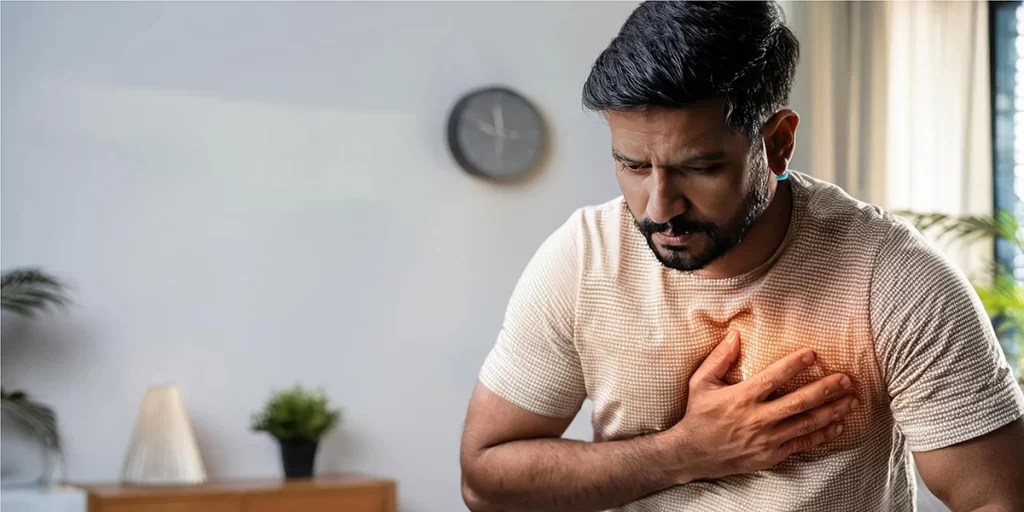
Chest discomfort, shortness of breath, or sudden fatigue, are these signs of stress, or something more serious? Understanding the early symptoms of a heart attack is key to recognizing danger before it becomes deadly. Many heart attack sufferers report vague symptoms days or even weeks before the event. But without awareness, these signals are missed, and treatment comes too late. This article will help you decode those early warning signs, explain what a heart attack means, and offer insight into recovery steps. By staying informed, you’re not just reacting—you’re prepared. What are the early signs of a heart attack? Early signs of an attack include chest discomfort, fatigue, sweating, pain in the back and jaw, dizziness, and nausea. These early signs need to be monitored with close attention to save you from unawareness. Did you know? One can also get a heart attack without any symptoms. This is called a silent heart attack when one has a myocardial infarction he suffers from this condition. The flow of blood and oxygen to the heart is blocked in these cases leading to discomfort and sudden loss of breath. This is more dangerous since you do not understand the symptoms, however, it is better to consult a doctor sooner to avoid further damage and suffering. Did you know? In India, 35% of deaths occur due to Cardiovascular diseases (CVD), these occur due to more deaths in West Bengal and Punjab. This is quite an alarming number and only early diagnosis and specialised treatment can help the patients suffering. Researchers still cannot tell the number of people who do not know the early heart attack symptoms in India. Why must one ignore the symptoms you may ask? This happens due to Myocardial infarctions or silent heart attacks where the patient doesn’t understand the causes or symptoms of the attack. Symptoms of a heart attack Signs of heart attack vary from person to person as understanding the pain and discussing these points elaborately with him will help you address the pain. At times of an attack, a patient feels unconscious and unable to explain these symptoms in detail. Discussing with family members and consulting a Doctor, is the first and immediate step for a speedy recovery. Chest pain The most common symptom of a heart attack is chest pain a patient may experience severe squeezing, crushing, or heaviness in the chest causing discomfort. Pain and discomfort in the jaw, back and neck Psychologists say a patient can experience a range of emotions due to life-changing experiences; a sudden shock or anger can lead to anxiety and tension. Symptoms of pain in the jaw, back, and neck can be treated now with personalized care. Dizziness and nausea Symptoms like dizziness and nausea are also indicators of a heart attack. When a patient feels faintish and has vomiting sensations it may be due to a heart attack. Heart pain, difficulty in breathing Suffocating feelings and uneasiness in breathing are also some common symptoms that make the patient feel heavy. Symptoms like panting and heavy breathing are related to heart attack. Psychological symptoms Stress and Anxiety- Worry, stress, and anxiety are a few psychological symptoms that patients feel post or before an attack; these can disrupt the healing procedure leading to more complications. Sadness, anger, and social withdrawal- Some patients feel sad, and angry and lose interest in family interactions. These feelings can be due to the post-surgery strain or pain. Cardiophobia- Another interesting psychological syndrome is cardiophobia which patients experience due to anxiety of another attack. Once an attack happens there are many probabilities for repeated attacks. Silent heart attacks A silent heart attack or silent myocardial infarction(SMI) occurs without any symptoms. It is a type of heart attack that causes damage to the heart muscle. There is no evident chest pain as in other heart attack types, making its symptoms unknown or silent. consult a doctor sooner to avoid further damage and suffering. For accurate diagnosis and treatment of silent heart conditions, visit Meridian’s cardiology department in Chennai. Symptoms of heart attack among women Symptoms of heart attack among women are the same as those of men. However, researchers say fewer women are prone to attacks as compared to men. Common symptoms of an attack include chest pain, shortness of breath, and fatigue. Chest pain: Chest pain is common among men and women. Women feel symptoms like squeezing or fullness in the chest. Difficulty breathing: Breathing is another symptom of a heart attack in women. When a patient finds breathing hard, she may be having an attack. Not all breathing difficulty is a heart attack. Sweating: A person with an attack may experience cold sweats. This symptom is common for men and women. Tiredness & Fatigue: Weakness, dizziness, and fatigue are other heart attack symptoms in women. Nausea: Nauseatic or vomiting sensation. Pain in arms, back, neck, jaw, or stomach: Pain in arms, back, and neck caused by chest discomfort. When to call for emergency help Emergency help is needed in critical conditions like road accidents, fire accidents, sudden heart attacks, disabling conditions, and other critical ailments needing immediate support. Emergency helpline service number India. Key takeaways There are numerous symptoms of heart attack. Sometimes a heart attack can nearly be felt because of conditions like a silent heart attack. It is important to call the health and support line to discuss your heart health for speedy recovery, diagnosis, and treatment. Meridian Hospital Chennai, has a dedicated team of cardiologists that provide care and diagnosis for complex interventions and procedures. Book an appointment for heart health support. FAQs How to prevent a heart attack? If you want to prevent a heart attack or another attack from happening, make a change in your daily activities. Choosing a diet plan and monitoring your blood sugar levels are essential to keep yourself healthy. Avoid smoking & drinking. What is a left arm attack symptom? Left arm pain is another symptomatic cause of a heart attack. A patient
What is the difference between a heart attack and a cardiac arrest?
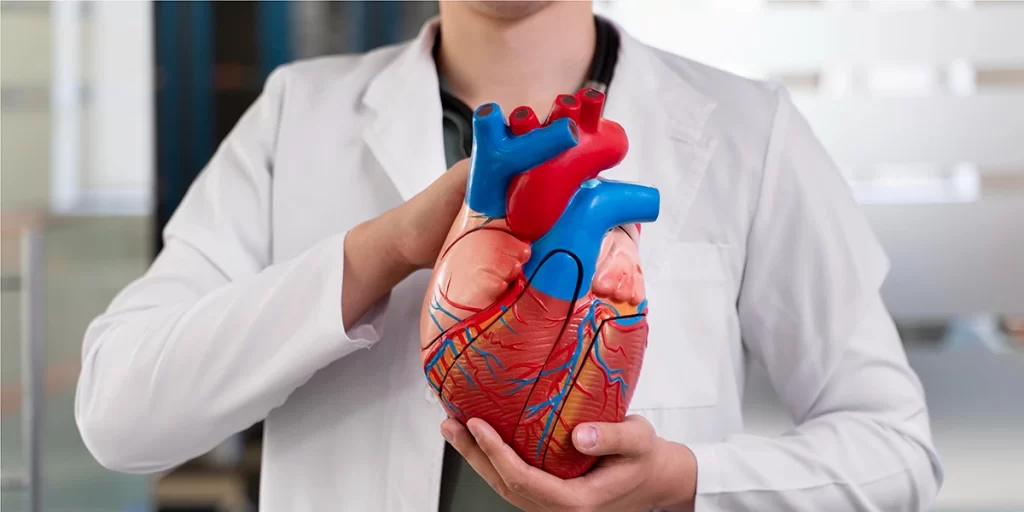
When it comes to heart emergencies, knowing the difference between a heart attack and a cardiac arrest can be the difference between saving a life and losing one. Both sound serious, and they are, but they affect the body in different ways and need different responses. Unfortunately, many people don’t know how to tell them apart or what steps to take when they occur. That confusion leads to hesitation, which is dangerous in medical emergencies. In this article, we’ll simplify the medical jargon and explain clearly what sets these two conditions apart, how to spot them, and what to do next. Being prepared brings peace of mind. Key Differences between Heart attack and cardiac arrest Feature Heart attack Cardiac arrest Meaning Heart attack occurs when blood flow to the heart is blocked in the (Coronary arteries) A cardiac arrest is a sudden non-functioning of the heart occurring due to arrhythmia or abnormal heart rhythm. Causes Blocked coronary arteries Abnormal heart rhythm (Arrhythmia) Symptoms Squeezing or tightness in the heart. Shock-like heartburn in the heart. Patient’s response Tiredness or anxiety Unable to blink, unresponsive. First Aid Aspirin as per Doctor’s advice. Give CPR or call for immediate help. Emergency care Call the Emergency helpline, CPR if needed. Call the emergency helpline, Initiate CPR and AED. Six Differences between-Heart attack & Cardiac arrest Meaning Heart Attack: A heart attack is a condition when blood flow to the heart is blocked or reduced. Heart blockage is because of the fat and cholesterol accumulation in the arteries causing discomfort in the heart. Cardiac arrest: A cardiac arrest is much different from a heart attack; it means a sudden stop of blood flow to the organ’s brain and the heart stops pumping all of a sudden. Causes: A heart attack is caused when the coronary arteries are damaged and a cardiac arrest is caused due to Arrhythmia or an abnormal heart rhythm. Symptoms: When a patient suffers from symptoms like Chest pain-Squeezing or tightness he might be facing a heart attack. A person with Severe shock-like heartburn may have a sudden cardiac arrest. It is fatal and needs immediate care. Patient’s responses Usually, a patient with a heart attack faces tiredness and anxiety. For a person with cardiac arrest, it is different and severe. He is unable to blink and speak and is unresponsive with severe heartburn. First Aid Take an Aspirin as per your Doctor’s advice for a cardiac arrest. For a cardiac arrest call for immediate help and give Cardiopulmonary resuscitation or (CPR) Emergency Care The emergency care and treatment for a heart attack and cardiac arrest are different. Doctors know what is best for a patient. In both cases, do not ignore the symptoms. Call the emergency care helpline immediately for help. For cardiac arrest CPR and AED Automated, external defibrillators are given immediately by trained Doctors and professionals. In case of a heart attack, seek immediate admission even if you are unsure of the symptoms. CPR for patients needing emergency care for severe heart attack conditions. Access 24×7 emergency care and specialized cardiac services at our Meridian hospital in Kolathur, Chennai. What is a heart attack? A heart attack happens when blood flow to the heart is blocked or reduced. Heart blockage is because of the fat and cholesterol accumulation in the arteries. Once the blood flow to the heart is blocked the person feels difficulty to breathe, and the activity of his other organs is affected. It is important to treat a heart attack without ignoring the symptoms. Symptoms of heart attack The symptoms of a heart attack are different from those of a cardiac arrest. Let’s learn. Chest pain, that feels like squeezing or ache Heartburn or indigestion Sweat, Nausea, breathing difficulty Pain in shoulder, jaw teeth, and upper belly. Causes of heart attack Heart attacks are caused due to clogging in the coronary arteries. This happens due to cholesterol deposits called plaques. Coronary artery disease causes most heart attacks. In coronary artery disease, one or more of the heart (coronary) arteries are blocked. This is usually due to cholesterol-containing deposits called plaques. Plaques can narrow the arteries, reducing blood flow to the heart. In an acute complete blockage, a medium or large artery is blocked leading to an ST elevation or myocardial infarction. These terms may be extremely new and can create paranoia among patients and families consulting the best Doctor will help in a speedy recovery. It is better to be aware but let us not unnecessarily google. Cardiac arrest is a more severe condition that can be fatal leading to death. According to the Indian Heart Association, India alone accounts for 60% of the world’s heart disease cases. 50% of Indian men suffer from heart attacks under the age of 50 years. Cardiac diseases are also common among women. What is a cardiac arrest? A cardiac arrest is more unexpected and this happens due to a sudden stop of blood flow to the organ’s heart stops pumping all of a sudden. Arrhythmia is a condition when the rhythm of the heart is slightly abnormal leading to an electrical failure of the heart sending no signals to the brain and vital organs. Cardiac arrest is a more severe condition that can be fatal leading to death. According to the Indian Heart Association, India alone accounts for 60% of the world’s heart disease cases. 50% of Indian men suffer from heart attacks under the age of 50 years. Cardiac diseases are also common among women. Symptoms of Cardiac arrest A sudden cardiac arrest is very fatal and its magnitude differs from person to person. Let’s look at the common symptoms that are experienced by patients. Sudden shocks and pain in the heart Low pulse, Breathing difficulty Pain and uneasiness in the chest Causes of Cardiac arrest The common cause of cardiac arrest is a sudden or drastic change in the pattern or rhythm of the heart, which is also called arrhythmia. However, a cardiac arrest may
First Aid Tips to Remember During Road Accident
India recorded over 1.80 lakh road accident deaths in 2024, averaging nearly one life lost every 3 minutes. These aren’t just numbers, they represent people who might have been saved with timely help. The reality is, that most bystanders freeze or panic during such emergencies, not because they don’t care, but because they don’t know what to do. In those first few minutes after an accident, the right action can mean the difference between life and death. That’s why learning basic first aid for road traffic accidents is more than just useful, it’s vital. In this blog, we’ll guide you through 7 essential first-aid steps you can take before emergency services arrive, helping you stay prepared to act quickly, calmly, and effectively when it matters most. Why is First Aid Necessary? First Aid is necessary to address the pain and suffering caused by fatal accidents. It can aid the patient until he receives immediate health or medical support from emergency care. Learning first aid Tips can help even during fire accidents or any health emergencies. Read more to learn the seven steps to first aid. You must know these basic first aid steps as they will significantly help during immediate support. What are the 7 steps of first aid? Step 1. Secure yourself: If you or your near one is hurt make sure you don’t panic try to breathe and move to a safer place. Step 2. Check the person’s response: Make sure, the person affected is active and conscious. If he has lost some blood, it is important to keep him awake and responding. Step 3. Use the emergency Call line: Use emergency helpline number 108 to call an ambulance for immediate help. If necessary, take the patient to the nearest hospital to give him the best treatment in the emergency department. Don’t delay in admitting the patient, if you’re nearby, head straight to Meridian Hospital in Kolathur for urgent care. Step 4. Move only if necessary: If you don’t know how to carry or move the person in danger it’s better to let him relax. If it’s an emergency situation like a fire accident then move him immediately to a safer place. Step 5. Don’t Move the Person (Unless Necessary): If there’s no immediate danger (like fire), don’t move the victim. Moving them could cause more harm. If you need to move him immediately, be extra careful while holding their head and back. Step 6. Look for airway congestion: If the person is choking or unable to breathe make sure to clear his airway passage, this will help him feel better. If the person is still not responding then give him CPR to help him from choking. Step 7. Heal the wounded area: If the person is bleeding heavily make sure to clean his wound with a cloth and try to stop the flow of the blood. Be around the person and keep him calm and relaxed until you receive help from a 24/7 Emergency care provider. Common mistakes to avoid during first aid First Aid for an injured person must be given with utmost care. Do not rub or irritate the area of injury. Do not crowd the person at the place of the accident, help him breathe, and give the family of the affected one some space. Do not waste time observing or taking videos instead make sure there is no one around him and try to help him with immediate care. Do not perform CPR if you are not trained this will only further worsen his case it is better to take him to the immediate hospital centre. Do not try to tilt the head or neck of the injured person; this may sometimes block the airway, causing difficulty in breathing. Road safety Guidelines to follow The guidelines laid by the traffic police of India are important to follow. Every country has its specific road policies that we must not break to be safe and avoid accidents. 1.”Don’t drink and drive.” Always carry your driver’s license and insurance papers; it will help during uncertain accidents. Do not drive rashly or be too adventurous. This may lead to accidents. Let’s be more cautious. Always wear your helmets and seatbelts while driving. Do not use cell phones while driving if it is urgent do find a corner parking space or park left. Do not overtake from the left side; this will lead to accidents that always follow the right-hand side rule. Conclusion There are lakhs of accidents happening in India every day. A number of patients are rushed to hospitals every day due to road accidents. These accidents occur due to negligence and breaking the guidelines of road traffic. Following the necessary 7 steps of First-Aid to help your near and dear ones during road accidents. Stay safe and reach out to immediate helplines for emergency support. Emergency Call: 044 6666 9999 to receive immediate health support for road accident injuries. FAQs How to perform First-Aid for road accidents? There are 7 steps to First Aid: These include securing to a safe place, checking the person’s response, Calling an emergency helpline, Moving if necessary, looking for airway congestion, and healing the wounded area. Is CPR for road accidents necessary? CPR or Cardiopulmonary Resuscitation is performed to give life-support to patients suffering from chest pain or breathing due to road accidents. It is advised to perform CPR only if you are trained to kindly resort to immediate helplines to resolve critical conditions. Why is First Aid necessary? First Aid is necessary because it helps save the lives of people during sudden accidents. Immediate care and kneading of the wounds of the injured are essential to help your near and dear ones. Are there any First Aid Tips? Some quick and essential tips are to give ice packs and wash the burning area with cold water. Call108 or your nearby hospital for emergency admission. Why are road safety rules important? It’s important to know and follow
Importance of Emergency Care: Be Prepared, Stay Safe, Trust Expert Help

Have you ever wondered what happens when a sudden medical emergency strikes, and whether you’ll get help in time? The Importance of emergency care isn’t just about having a hospital nearby. It’s about having trained professionals ready 24/7 to save lives when every second matters. At Meridian Hospital, we know that fast action can change outcomes, ease suffering, and bring families peace of mind. In this blog, discover why timely emergency care matters, what key services you should know about, and how to prepare when urgent calls. 24/7 Emergency care services are designed to respond to urgent health needs, ensuring that patients receive quick and effective treatment. Whether it’s a sudden injury, a significant illness, or a critical condition, timely intervention can greatly improve outcomes. What is emergency care, and why is it needed? Emergency care refers to the prompt medical attention provided to individuals facing sudden or serious health concerns, such as injuries or illnesses. The focus is on offering immediate support, helping to stabilize the patient, and ensuring they receive the right care to manage their condition effectively. Who needs emergency care? Patients suffering from critical conditions like heart attacks and other severe and adverse life-threatening problems need immediate health support. The role of emergency care is to provide immediate treatment in critical situations, stabilizing patients and preventing complications. It’s needed because timely intervention can save lives, reduce long-term damage, and improve recovery by offering rapid, specialized care when every moment counts. The WHO framework(2018) divides these services into two broad classifications. Prehospital Care Care in health units (Intensive Care units ICUs) Emergency care is needed to treat critical patients suffering from severe health conditions. Identifying their problems and providing the best medical services requires qualified specialists, Doctors, or assistants to treat these conditions. There are many hospitals that provide specialized services, some of which may be cancer specialties or the best Heart health hospitals. One must identify the best care service to treat the patient in need. At Meridian Hospital Chennai, health care emergencies and trauma are given immense support for patients suffering from critical emergency conditions read further to learn more about the key components of emergency care. Key Components of Emergency Care When considering emergency care, it’s important to understand the benefits of quick access to nearby medical support. Choosing the closest reliable facility can make a significant difference. For instance, if Meridian Hospital is the nearest specialized center in your area, it’s a smart choice to contact them for urgent care or consultation. Triage Hospitals provide medical emergency care by identifying and sorting the health cases and filtering the most critical and the minimal ailments to treat their patients with the best and most timely support. This process of sorting out is called Triage, an essential step for Emergency care units. The emergency rooms are allocated based on urgency. Admission After this, hospitals provide the best customer support to help the patient connect with his Doctor for immediate support and assistance. Once the nature of the patient’s health is known, the hospital attendants transfer him or her to the concerned department for immediate admission. Depending upon the adversity of health, a patient receives assistance and support. With the best technology and solutions, hospitals now provide fast and quick service to every patient. Diagnosis and Laboratory tests Every hospital nowadays has its own diagnosis and laboratory centers inside the specialty. Doctors prescribe laboratory tests upon knowing the patient’s health condition. It is the duty of a hospital to ensure comfort, relief, and support to patients during emergency admissions. Medical care and tests take some time. The role of an ECS is to provide the necessary health services at all points. Treatment, discharge, and postoperative assistance Once the diagnosis is done the patient is given the best treatment by specialized doctors. If a patient needs critical care and medication, he is assisted immediately. With research and technology, treatments are now more painless and treatable. There is no need to worry anymore. If the condition needs more attention, shifting the patient to a higher specialized center is advisable. After adequate treatment is received, hospitals discharge patients. This process is also tech-driven. There is no need to wait and carry huge medical reports home. Life-Saving Concepts in Emergency Care What is the Golden Hour Rule? The Golden hour is the critical first hour after a serious medical emergency or injury, during which prompt treatment greatly improves the chances of survival and recovery. Role of 24×7 Emergency Services Round-the-clock emergency care, including our 24×7 trauma care unit, ensures timely, life-saving medical attention whenever urgent situations arise. Ambulance service Always on call 24/7, our ambulances provide fast, safe transport with trained personnel and essential equipment. 24×7 Dialysis Center Continuous dialysis support for patients with kidney conditions is available any time it’s needed. 24×7 Pharmacy Accessible at all hours to ensure uninterrupted access to essential medications and prescriptions. Laboratory Around-the-clock diagnostic services deliver accurate, timely results to support urgent and ongoing care. 24×7 Cafeteria Open all day and night, offering meals, snacks, and beverages for patients, visitors, and staff. Why Choosing the Right Emergency Care Facility Matters In a medical emergency, every second counts. If Meridian Hospital is your nearest facility, it’s a smart choice for urgent care Offering 24×7 Emergency services in Chennai, trained staff, and advanced support to ensure timely, effective treatment when it’s needed most. When choosing an emergency care facility, consider key factors like availability, ensuring 24×7 access; specializations, such as trauma care or cardiac support; and speed of service, which can make a critical difference in urgent situations. Together, these elements ensure reliable and effective care. For consultations or emergency support, you can also Book an Appointment with our team to ensure timely and focused care. What We Treat at Meridian’s Emergency Department At Meridian’s Emergency Department, we handle a variety of urgent conditions, including injuries, heart attacks, strokes, respiratory issues, and infections, providing prompt and compassionate care when you need it most.At Meridian Hospital,