Best Cardiologist in Chennai | Meridian Hospital

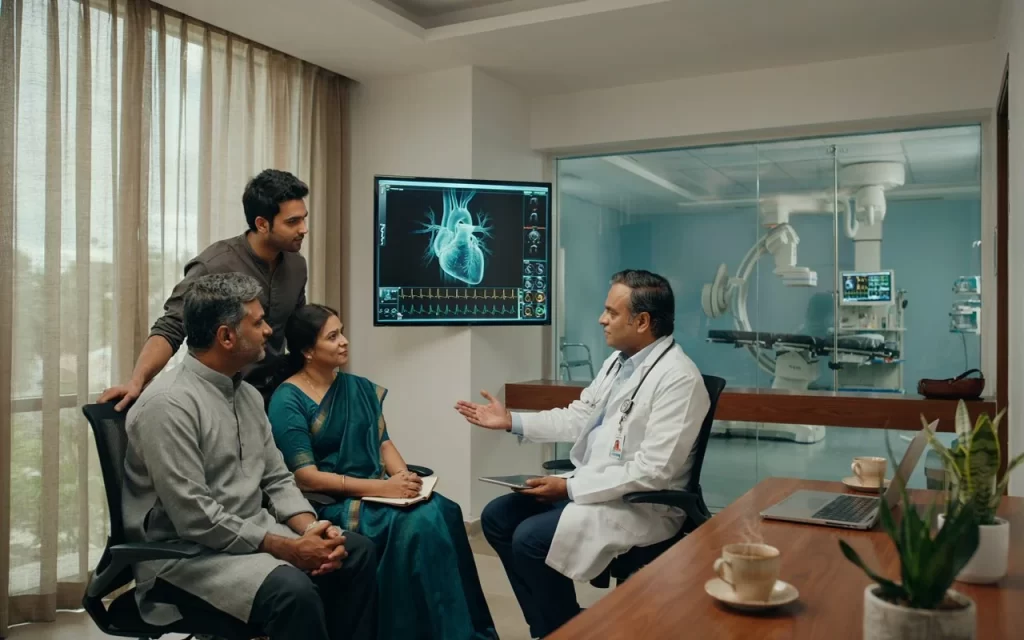
Choosing a cardiologist is a decision people usually make once and stick with — this page brings together the qualifications of Meridian’s cardiology team in one place, along with the facilities and procedures available to support them. Meet the Cardiology Team DR. M.K MOOSA KUNHI SENIOR CONSULTANT – CARDIOTHORACIC & VASCULAR SURGEON Time: 10Am – 5pm A cardiothoracic and vascular surgeon with over 37 years of experience managing complex cardiac and vascular surgical procedures, including bypass and valve surgery. Book an Appointment DR SURENDHAR .G CONSULTANT – INTERVENTIONAL CARDIOLOGIST Time: 9.30Am – 4Pm An interventional cardiologist with years of experience diagnosing and managing a wide range of cardiovascular conditions, including angioplasty and stenting. Book an Appointment DR. G. SHANTHOSH CONSULTANT – CARDIOLOGIST | Time: 11m – 5pm A cardiologist with years of experience in cardiovascular condition diagnosis and management. Book an Appointment Meridian’s cardiology department operates within a NABH-certified, 300-bed multispecialty hospital in Kolathur, giving cardiac patients direct access to a dedicated cardiac ICU, a Cath Lab equipped with advanced monitoring systems for interventional procedures, and round-the-clock emergency backup — all under one roof, without the delays of referring patients offsite for imaging, surgery, or critical care. Dedicated Cath Lab for angioplasty, stenting, and catheter-based interventional procedures Advanced cardiac monitoring systems Cardiac ICU within the hospital’s 300-bed facility 24/7 emergency cardiac care — Emergency line: 044 6666 9999 On-site diagnostics: ECG, Echo, stress testing, Holter monitoring — no offsite referrals needed before a procedure Cardiac Services Available Coronary artery bypass surgery and open heart surgery Angioplasty and stenting, including balloon angioplasty Heart valve surgery and valve replacement Artificial cardiac pacemaker implantation Ventricular Assist Device (VAD) support Catheter ablation Cardiac rehabilitation and post-operative lifestyle guidance Diagnostics ECG and Echocardiogram (Echo) Stress testing 24–48 hour Holter monitoring Dedicated cardiac catheterization lab for interventional procedures Why Patients Choose Meridian’s Cardiology Team The team combines surgical and interventional expertise — a senior cardiothoracic surgeon with over three decades of experience alongside interventional cardiologists trained in catheter-based procedures — supported by a dedicated Cath Lab and a hospital-wide emphasis on minimally invasive techniques where appropriate, aimed at shorter recovery times. FAQ Q: Who is the best cardiologist in Chennai for angioplasty?A: Meridian’s interventional cardiology team, led by Dr. Surendhar G, performs angioplasty and stenting procedures using the hospital’s dedicated Cath Lab. Q: Does Meridian Hospital treat complex cardiac surgery cases?A: Yes — Dr. M.K. Moosa Kunhi, Senior Consultant Cardiothoracic & Vascular Surgeon, has over 35 years of experience managing complex cardiac and vascular surgical procedures, including bypass and valve surgery. Q: Does Meridian Hospital have a Cath Lab for cardiac procedures?A: Yes. Meridian’s dedicated Cath Lab, supported by advanced monitoring systems, is used for angioplasty, stenting, and other catheter-based interventional cardiology procedures, backed by an on-site cardiac ICU. Q: Where is Meridian Hospital’s cardiology department located?A: At #46D, Jawaharlal Nehru Road, 200 Feet Ring Road, Kolathur, Chennai – 600 099. Emergency line: 044 6666 9999.
Best Cardiac Hospital in Chennai | Meridian Hospital
The best cardiac hospital in Chennai offers an experienced interventional cardiologist, an on-site cath lab, cardiac ICU support, 24-hour emergency access, and surgical capability for bypass, cardiothoracic, and vascular procedures. Meridian Hospital in Madhavaram leading cardiology hospital in chennai provides all of this, serving cardiology patients across Kolathur and North Chennai. Criteria for Choosing a Cardiology Hospital Reputation alone doesn’t tell you much — these clinical factors matter more: Interventional Cardiologist: Performs angiograms and angioplasty procedures regularly On-Site Cath Lab: Avoids referral delays for diagnostic or interventional procedures Cardiac Surgery Capability: Bypass, cardiothoracic, and vascular surgery available without external referral Cardiac ICU: Necessary for monitoring after any cardiac procedure 24-Hour Emergency Access: Critical for chest pain and suspected cardiac events Cardiology Services Offered Cardiac care at Meridian spans diagnostics, non-surgical procedures, and major surgery: Cardiac Health Checkup Packages — ECG, blood pressure, and cholesterol screening for early detection Coronary Angiogram — Standard diagnostic procedure for suspected arterial blockages Angioplasty — Performed once a blockage is confirmed, usually with stent placement Coronary Artery Bypass Surgery (CABG) — Recommended for patients with multiple or complex blockages not suited to angioplasty alone Cardiothoracic Surgery — Surgical treatment for structural heart and chest conditions, performed by the in-house cardiac surgery team Vascular Surgery — Treatment for conditions affecting arteries and veins outside the heart, including blockages and aneurysms When Bypass Surgery Is Recommended Over Angioplasty Not every blockage is treated the same way. Surgeons typically recommend bypass surgery (CABG) instead of angioplasty when: Multiple coronary arteries are significantly blocked The blockage pattern is too complex for a stent to address safely The patient has associated conditions, such as diabetes or reduced heart function, where surgical revascularization has shown better long-term outcomes Meridian’s cardiothoracic surgery team handles this evaluation alongside the interventional cardiologist, so the decision is made jointly rather than by a single specialist in isolation. Why a Nearby Cardiology Hospital in Kolathur Matters Cardiac recovery involves regular follow-up visits, not a single appointment — this is especially true after bypass or vascular surgery, where recovery monitoring can extend over weeks. A nearby cardiology hospital in Kolathur makes that manageable. Meridian Hospital’s cardiology department, backed by a 65-bed ICU, gives Madhavaram and North Chennai residents diagnosis, non-surgical treatment, surgery, and recovery care in one location. Risk Factors Behind Rising Heart Disease in Chennai A few urban lifestyle patterns are driving cardiac risk upward: Long commutes combined with sedentary desk work Diets high in fried food and coconut oil Irregular sleep and elevated stress levels Clinical protocols from the Cardiological Society of India guide cardiac decisions nationally, including how Meridian’s team approaches angiogram, angioplasty, and bypass surgery cases. Cardiological Society of India) Why Choose Meridian Hospital — Best Cardiac Hospital in Chennai — for Heart Care Meridian Hospital, Madhavaram brings interventional cardiology, bypass and cardiothoracic surgery, vascular surgery, cardiac health checkups, and 24/7 emergency access together in a NABH-accredited, 300-bed multispeciality hospital, supported by a 65-bed ICU for safe recovery after any cardiac procedure. Book your appointment at Meridian Hospital, Madhavaram, Chennai. Call us or visit our website today. Choosing the best cardiac hospital in Chennai comes down to interventional and surgical capability, on-site diagnostics, and emergency access. Meridian Hospital, Madhavaram provides comprehensive cardiac care — from checkups to bypass surgery — for Kolathur and North Chennai patients. Check our other blog about Angioplasty vs Bypass Surgery Frequently Asked Questions What are the warning signs of a heart attack? Chest pain or pressure, pain radiating to the arm, jaw, or back, shortness of breath, cold sweats, and nausea all require immediate emergency care. Is a coronary angiogram painful? It’s performed under local anaesthesia, with most patients feeling only mild pressure at the catheter insertion site. What is the difference between angioplasty and bypass surgery? Angioplasty opens a blocked artery using a stent, without open surgery. Bypass surgery reroutes blood flow around blocked arteries using a graft, and is typically used for more complex or multiple blockages. Does Meridian Hospital perform cardiothoracic and vascular surgery? Yes. Meridian’s in-house cardiac surgery team handles bypass surgery, cardiothoracic procedures, and vascular surgery, in addition to non-surgical interventional cardiology. How often should I get a cardiac health checkup? Annually — especially for adults over 30 or those with a family history of heart disease, diabetes, or high blood pressure. Does Meridian Hospital offer 24-hour cardiac emergency care? Yes. Round-the-clock cardiac emergency access, supported by a cath lab and a 65-bed ICU.
Best Heart Hospital in Chennai | Meridian Hospital Kolathur
Chest pain doesn’t politely announce itself. Sometimes it shows up as a dull pressure after climbing two flights of stairs at your office in Kolathur. Sometimes it’s breathlessness that you chalk up to the July humidity. And sometimes — most worryingly — it’s just a tiredness that arrives without explanation and doesn’t leave. These are the early signals that a cardiac hospital in Chennai takes seriously, even when patients themselves don’t. Meridian Hospital, located on the 200 Feet Ring Road in Kolathur , brings specialist-level cardiology treatment in Chennai directly into North Chennai. Patients no longer need to cross the city to reach a trusted heart hospital in Kolathur — our dedicated cardiology department is right here, staffed with some of the best cardiologists in Chennai, and open around the clock. Why Heart Disease in Chennai Is No Longer Just an ‘Older Person’ Problem This is the pattern cardiologists at Meridian Hospital notice every month: patients in their mid-30s walking in with symptoms that would once have been unusual below 55. Chennai’s shift toward sedentary work, irregular meal timings, and the kind of chronic stress that a two-hour OMR commute produces — these have collectively pushed cardiac events younger. Add a South Indian genetic tendency toward higher triglycerides and you’ve got a combination that makes early screening genuinely important, not just precautionary. The other challenge is rationalization. Chest tightness becomes ‘gas trouble.’ Palpitations become ‘work stress.’ Fatigue becomes ‘it’s just the heat.’ By the time someone actually books an appointment with a heart specialist in Chennai, months of early warning signs have already been explained away. Our cardiologists see this every week — and it’s why the cardiology hospital at Kolathur runs active screening programmes for adults over 35, not just reactive care after an event. What Cardiac Care at Meridian Hospital Actually Looks Like Let’s be specific rather than general. Here’s what our cardiology hospital in Kolathur offers in practice: Coronary Angiogram in Chennai: The gold standard for detecting arterial blockages. Performed under local anaesthesia by our interventional cardiologist in Chennai — typically an outpatient or one-night procedure. Clear pricing, no billing surprises. Best Cardiac Health Checkup Package in Chennai: Explore our health checkup packages — covering ECG, 2D Echo, Treadmill Test (TMT), Lipid Profile, fasting glucose, and a cardiologist consultation. Available for different age groups and cardiac risk profiles. Interventional Cardiology: Angioplasty, coronary stenting, and balloon dilation — performed by the best interventional cardiologist in Chennai available at Meridian. Complex cardiac procedures that previously required travelling to Adyar or Nungambakkam are now available in North Chennai. Cardiac Emergency: Our round-the-clock emergency care team is on standby 24 hours, every day — including Pongal, Diwali, and public holidays. Heart attacks don’t take days off. Cardiology OPD: Routine consultations, second opinions, medication reviews, and chronic cardiac condition management . Heart Hospital in Kolathur — Why Proximity Has Clinical Value For residents of Kolathur, Madhavaram, Perambur, Vyasarpadi, and Tiruvottiyur, the nearest cardiac hospital in Chennai used to mean 40 minutes in traffic — minimum. That’s not a neutral inconvenience when someone is having a cardiac event. Meridian Hospital, as the leading heart hospital in Kolathur, removed that gap. The same diagnostic technology and specialist depth found in South Chennai’s established cardiac hospitals is now available as part of one of the most trusted multispeciality hospitals in North Chennai — 10 minutes from where most of our patients live. Our cardiologists manage hypertension, coronary artery disease, heart failure, arrhythmias, and structural valve disorders. Whether it’s a first consultation about an abnormal ECG or ongoing management of a known cardiac condition, the best heart specialist in Chennai you need is at Meridian. When to Stop Waiting and See a Cardiologist Too many patients come in saying they’d had symptoms for months. These are the situations that shouldn’t be waited out: Chest discomfort, pressure, or tightness — especially during physical activity or emotional stress Breathlessness that seems disproportionate to what you’re doing Heart racing, fluttering, or skipping beats without obvious cause Sudden dizziness or a feeling that you might faint Ankles or feet swelling in a way that’s new and unexplained A parent or sibling who had a heart attack before age 55 If you’re over 40 and haven’t done a cardiac health checkup package in Chennai in the past year, that alone is a reasonable reason to book. Prevention costs significantly less — in every sense — than treatment. South Indian Diet and the Heart: What Urban Chennai Has Changed Traditional South Indian cooking — rice, sambar, rasam, kootu, fermented foods — is actually reasonably heart-healthy when prepared simply. The problem is what urban Chennai has done to it: generous coconut oil, extra ghee in the biryani, the creep of processed snacks replacing proper meals, and red meat on weekends becoming a regular feature. Our cardiologists at Meridian Hospital discuss dietary habits as part of every consultation — not as a lecture, but as a practical, personalised conversation about what’s worth changing. Check out our other blogs about Leading Cardiology Hospital in Kolathur. Why Patients Choose Meridian Hospital for Cardiology Treatment in Chennai The combination of specialist depth, location, and 24-hour readiness is what makes Meridian Hospital the best heart hospital in Chennai for North Chennai patients. Same-day diagnostics, experienced interventional cardiologists, and a cardiac hospital in Chennai that’s actually nearby — that’s what we offer. Book an appointment with our heart specialists — call 044 6666 9910 FAQ Q: What does a coronary angiogram in Chennai involve, and is it painful? A coronary angiogram uses contrast dye and X-ray imaging to show the inside of your coronary arteries. It’s performed under local anaesthesia — you’re awake but the access site is numbed. Most patients describe it as uncomfortable rather than painful. The procedure takes 30–60
Meridian Hospital: Leading Cardiology Hospital in Kolathur
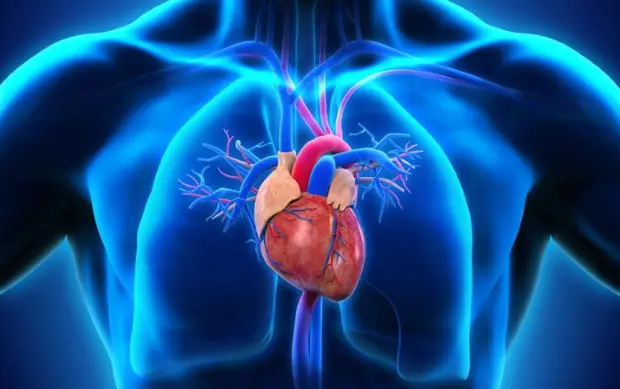
When patients are seeking a Cardiology Hospital in Kolathur, they would generally be seeking: a proper diagnosis, a reliable treatment, and quality heart specialists. An established cardiac facility not only deals with emergency cases, but it also assists long-term heart care in working individuals, elderly citizens, and families dealing with risks brought about by the lifestyle. Patients at and around Kolathur are fond of cardiac services that can be obtained conveniently, promptly, and under the advice of experienced cardiologists. Meridian Hospital provides systematic cardiology services that are aimed at early diagnosis, timely management, and patient-centered management of heart-related issues. Cardiology Hospital in Kolathur – Comprehensive Heart Care at Meridian Hospital Why Specialized Cardiac Care Is Important Cardiac illness is usually slow onset and does not display any clear symptoms. Thus, a specific Cardiology Hospital in Kolathur would be a good solution to make sure that the early signs of the disease can be detected before it develops into a severe complication. A specialized cardiac hospital is specific, unlike other general healthcare facilities where subtle indicators like: Panting with low-intensity exercise. Constant chest pain, which is confused with acidity. Evening swelling in the feet. Abnormal fatigue without characteristics of age or activity. Timely cardiac examination of the patient can greatly decrease the likelihood of emergencies and enhance the outcome of the treatment. Common Heart Conditions Treated At a leading Cardiology Hospital in Kolathur, patients between 25 and 65 years frequently seek treatment for lifestyle-related and metabolic heart conditions. Coronary Artery Disease Blocked or narrowed arteries due to fatty deposits can restrict blood flow to the heart. Typical symptoms include: Chest tightness while walking Pain radiating to the left arm or jaw Shortness of breath during exertion Timely screening helps prevent heart attacks. Hypertension-Related Heart Disease Long-standing high blood pressure can silently strain the heart. Common warning signs: Frequent headaches Palpitations Swelling in anthe kles Persistent tiredness Regular monitoring helps prevent complications. Heart Rhythm Disorders (Arrhythmias) Irregular heartbeats may cause: Sudden racing pulse Skipped beats Dizziness or near-fainting episodes Most rhythm disturbances are manageable with proper diagnosis and treatment. Heart Failure Heart failure indicates reduced pumping efficiency—not complete stoppage of the heart. Symptoms may include: Breathlessness while lying down Night-time cough Sudden weight gain from fluid retention With structured care, many patients maintain an active lifestyle. When Should You Consult a Cardiologist? Do not delay evaluation if you experience: Chest discomfort lasting several minutes Breathlessness at rest Sudden sweating with nausea Unexplained fainting Persistent palpitations Family history of early heart disease For diabetics, smokers, and individuals with hypertension, even mild symptoms require medical attention. What Happens During Your First Visit? Many patients assume complex procedures are involved. However, the first consultation primarily focuses on detailed assessment. Medical Discussion The cardiologist will review: Nature and duration of symptoms Daily habits and stress levels Dietary patterns Sleep quality Family medical history This structured conversation provides valuable diagnostic insight. Physical Examination Routine checks may include: Blood pressure measurement Heart rhythm assessment Lung examination Swelling evaluation Diagnostic Tests If required, investigations may include: ECG (Electrocardiogram) Blood tests Echocardiogram Treadmill test Not every patient requires all tests. Responsible care avoids unnecessary procedures. Facilities at a Modern Cardiology Hospital in Kolathur A well-equipped cardiac center combines diagnostics, intervention, and emergency response under one roof. Non-Invasive Diagnostic Services ECG and Holter monitoring 2D Echocardiography Stress testing These tests evaluate heart structure and function safely. Interventional Cardiology When necessary, procedures may include: Coronary angiography Angioplasty with stent placement These minimally invasive treatments allow faster recovery. 24/7 Emergency Cardiac Care During heart attacks, every minute counts. Emergency services generally include: Round-the-clock cardiac response team Immediate ECG and lab support Rapid stabilization and treatment Early intervention greatly improves survival rates. Treatment Approach at Meridian Hospital Modern cardiac management focuses on long-term heart health—not just procedures. Medication-Based Management Most heart conditions are controlled with medications that: Improve circulation Regulate blood pressure Stabilize heart rhythm Lower cholesterol Treatment plans are personalized to minimize side effects. Lifestyle Modifications Rather than extreme restrictions, cardiologists recommend sustainable changes: Gradually reducing salt intake Choosing balanced home-cooked meals Walking 30 minutes daily Maintaining consistent sleep Small, consistent habits deliver lasting benefits. Follow-Up and Monitoring Regular follow-ups help: Track improvement Adjust medications Prevent recurrence Patients who adhere to follow-up schedules typically experience better long-term outcomes. Choosing the Best Cardiology Hospital in Kolathur When selecting a Cardiology Hospital in Kolathur, families evaluate more than just proximity. Important factors include: Experienced cardiologists Clear communication about diagnosis and treatment Availability of emergency care Clean and organized facilities Supportive nursing staff Meridian Hospital is often considered for its structured cardiac services and patient-centered approach. Family Support in Heart Care Recovery improves significantly with family involvement. Helpful actions include: Ensuring medication adherence Encouraging regular walks Supporting dietary changes Attending follow-up visits Cardiac care is most effective when patients and families work together. Life After a Heart Diagnosis A heart condition can become a positive turning point. With proper guidance, patients often develop: Healthier eating habits Better stress management Improved work-life balance With consistent care, heart health becomes part of daily living rather than a source of fear. Conclusion Reliable cardiology hospital in Kolathur is significant in the diagnosis of the heart at an early stage, emergency service and long term care of the heart. Late treatment decisions put the risk of poor cardiology decisions; a consultation in the properly equipped facility like the Meridian Hospital will aid in informed decision-making and better cardiac outcomes. Early screening is the secret of a healthier future in regards to heart related symptoms in the case of you or a loved one. If you or a loved one experiences symptoms related to heart health, early evaluation remains the most important step toward a healthier future.
Angioplasty vs Bypass Surgery: Which Treatment Is Right for You?

Heart disease develops silently and becomes serious when the arteries supplying the heart with blood become blocked. This disease, called coronary artery disease, can cause chest pain, breathing difficulty, and heart attacks if left untreated. Doctors typically suggest two tried and true procedures to unblock the blood flow: Angioplasty vs Bypass surgery. 2. What Is Angioplasty? Angioplasty for heart blockages is a minimally invasive cardiac procedure used to open clogged arteries that employs a balloon and a stent, without the need for open heart surgery. 2.2 How Angioplasty Works Angioplasty is done in a special cardiovascular laboratory and generally lasts about one to two hours. A catheter – a thin tube – is passed through the wrist or groin The catheter is then routed to the blocked artery. A small balloon is inflated in the constricted part to open it out. A stent is inserted to keep the artery open permanently. It allows rapid restoration of blood flow and is the most widely applied therapy in contemporary cardiac care for patients with coronary artery disease. 2.3 Who Is Angioplasty Best For? In Angioplasty vs Bypass Surgery, Angioplasty is recommended for: Single or mild blockages Patients diagnosed early Younger patients with good heart function Elderly patients who cannot undergo major open-heart surgery Because recovery is fast, angioplasty is often preferred for heart treatment for elderly patients. 3. What Is Bypass Surgery? An open-heart procedure in which a new passageway is created for the blood to bypass the blocked heart arteries. 3.2 How Bypass Surgery Works Bypass surgery is performed under a general anesthetic and involves: Opening the chest to get to the heart Taking normal blood vessels from the leg, arm or chest Attaching these vessels to bypass the blocked coronary arteries Ensuring that whole blood flows smoothly to the heart muscle It is considered to be the most durable treatment for coronary artery disease in advanced heart disease. 3.3 Who Needs Bypass Surgery? Doctors usually recommend bypass surgery for: Multiple artery blockages Severe or complex blockages Diabetic patients Patients with weak heart-pumping capacity In Angioplasty vs Bypass Surgery, bypass is chosen when long-term results are more important than quick recovery. 4. Angioplasty vs Bypass Surgery Feature Angioplasty Bypass Surgery Type of Procedure Minimally invasive, catheter-based Open-heart surgery Recovery Time Days to 1 week Weeks to months, rehab needed Pain Level Mild, managed outpatient Higher initially, incision-related Hospital Stay 1-2 days 5-7 days Suitable for Elderly Often preferred, lower risk Possible if fit, higher risk Risk Level Re-stenosis, clots (lower procedural) Infection, stroke (higher procedural) Long-Term Results Good for simple cases, may repeat More durable multivessel/diabetes This comparison clearly highlights the practical differences between Angioplasty vs Bypass Surgery. 5. Which Is Better for Different Age Groups? 5.1 For Children Heart problems in children are usually congenital. These cases are treated with specialised procedures rather than standard Angioplasty vs Bypass Surgery. 5.2 For Adults Angioplasty is effective when blockages are detected early Bypass surgery is recommended for multiple or recurring blockages Lifestyle modification and early screening play a key role in this age group. 5.3 For Senior Citizens Angioplasty is favored because it involves a faster recovery and carries less risk. Bypass surgery is never done routinely or as a convenience. The best heart treatment for elderly patients’ safety and quality of life. 6. Cost Difference: Angioplasty vs Bypass Surgery Treatment Approximate Cost Angioplasty Lower Bypass Surgery Higher The cost depends on: Number of stents or grafts Hospital infrastructure Patient’s condition Well-equipped centres like the Best cardiology hospital in Chennai provide advanced treatment with transparent pricing. 7. Recovery & Lifestyle After Treatment 7.1 Life After Angioplasty Recovery after angioplasty is usually quick: Discharge within days Return to daily activities within a week Regular medications and follow-ups Patients are advised routine check-ups with the best cardiologist in Chennai. 7.2 Life After Bypass Surgery Recovery is gradual: Extended rest period Cardiac rehabilitation Strict diet, exercise, and lifestyle changes Both treatments require long-term care to prevent future heart blockage causes. 8. Risks & Safety: What You Should Know 8.1 Angioplasty Risks Re-blockage of arteries Rare blood clot formation Possibility of repeat procedure 8.2 Bypass Surgery Risks Infection Longer healing time Higher risk in elderly or diabetic patients Understanding risks is important when comparing Angioplasty vs Bypass Surgery. 9. Doctor’s Decision: How Treatment Is Chosen The Best Cardiology Specialist decides between Angioplasty vs Bypass Surgery based on: Number and severity of blockages Age and overall health Diabetes and blood pressure levels Heart strength Results of a coronary angiogram in Chennai Advanced centers such as Heart Hospital in Kolathur, like Meridian Hospital, follow guidelines for accurate diagnosis and treatment planning. Angioplasty and bypass surgery are both life-saving procedures. Angioplasty vs Bypass Surgery – which is the better option – is totally dependent on the patient. Early identification of your condition, getting expert opinion and the best heart specialist hospital in Chennai provides for better results. If you have any signs of these, see a cardiologist right away — treatment in time can save your life. FAQ Is angioplasty safer than a bypass? Angioplasty is safer for minor blockages and for people considered high risk for surgery. Can I avoid bypass surgery? Early diagnosis and angioplasty can prevent bypass surgery. Which treatment has longer durability? Bypass surgery tends to be more long lived. Is angioplasty painful? Angioplasty is not very painful. Is it possible to do bypass surgery for a senior citizen? Yes, but you would have to be medically evaluated very thoroughly first.
Early Warning Signs of Heart Disease Every Adult Must Know 2026
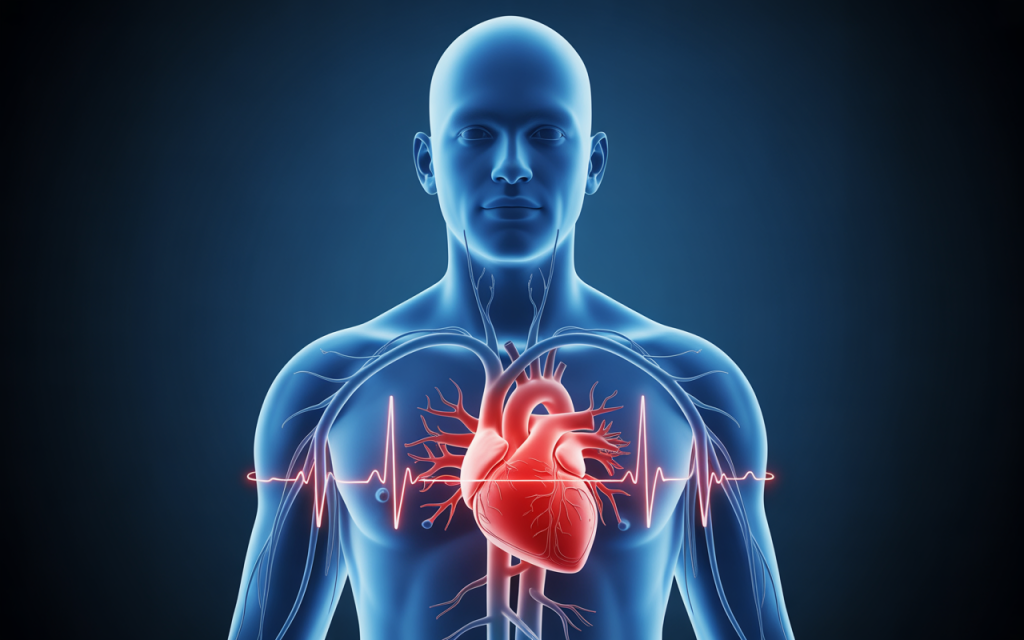
The ability to diagnose heart diseases at an earlier stage has made the difference between life and death since the diseases have become one of the top causes of death in India. One should be aware of the early warning signs of heart disease; they can avoid life-threatening consequences. The signs that are less pronounced, like chest pains or weakness, are typically ignored by adults to the extent that they develop to become life-threatening heart attacks. What Are the Earliest Warning Signs of Heart Disease? If you notice any of them, it’s crucial to understand how to recognize early heart disease symptoms and consult a doctor immediately. Pressure or tightness in the chest: Feeling of weight or squeezing in the chest. Shortness of breath on minimal exertion: Have you become breathless going up a flight of stairs, or walking a short distance? Unexplained Fatigue: You’re so tired you can’t even imagine your body after a good night’s sleep. Pain in the left arm, jaw, or shoulder: Pain that radiates from the chest. Palpitation: Rapid heartbeat. Swollen legs: water retention due to heart malfunction. If you have any of these, be sure you know how to recognize the early symptoms of heart disease and get to a doctor right away. Heart Disease Symptoms in Women (Often Missed) The most common symptoms exhibited by women are atypical and are easy to ignore: Pain in the back and excruciating exhaustion: May be confused with stress or overall fatigue. Nausea or vomiting without an apparent cause: Occasionally mistaken for digestive problems. Dyspnea without cardiac pain. Achieving symptomatic shortness of breath is a significant silent manifestation. Mild chest pains: There is slight heaviness and no sharp pain. These are grave warning signs of heart disease in women in India that cannot be overlooked. Preventive measures can help avert the occurrence of a heart attack to a great extent. Early Heart Attack Signs in Young Adults (Under 40) Even young adults can experience heart issues. Look for: Breathlessness while talking Mild chest pressure during stress Sudden palpitations Shoulder or arm discomfort Dizziness or near fainting Being aware of early heart attack signs young adults under 40 ensures timely medical attention. Common Symptoms Indians Often Misunderstand Many symptoms are mistaken for less serious problems: Acidity vs heart problem: Chest tightness may seem like gastric discomfort. Fatigue is often considered mere stress (cardiac fatigue may be the cause). Swelling in the legs may be ignored due to sitting for too long. Palpitations may be dismissed as anxiety. Understanding these heart disease symptoms in India helps prevent misdiagnosis and delayed treatment. When to Visit a Cardiologist You should see a specialist if you experience: Symptoms lasting more than 1–2 weeks Chest pain with sweating Breathlessness at rest Palpitations lasting over 5 minutes Sudden dizziness or swelling For residents in Kolathur and surrounding areas, Meridian Hospital in Chennai offers expert care. Their team includes the best cardiologist in Chennai for managing early and advanced heart conditions. You should also be aware of when to visit cardiologist for chest pain to avoid emergencies. Essential Heart Tests Every Adult Should Get Regular tests are key for early detection: ECG test near me Chennai: Checks heart rhythm TMT test: Evaluates heart performance under stress 2D Echo: Assesses heart structure and function Lipid profile: Monitors cholesterol levels Blood sugar and BP monitoring High-risk individuals should also consider essential heart tests every adult should get for preventive care. Heart health checkup Chennai at Meridian Hospital ensures comprehensive evaluation. Everyday Habits to Strengthen Heart Health Heart disease is preventable by leading a healthy life: Eat a low salt, low trans fat diet. Walk 30-40 minutes every day. Manage stress with meditation or yoga. Stay in good shape. Say no to drinking and smoking. These habits can be applied to prevent heart disease and to have a healthy heart lifestyle. If you want to learn more about lifestyle, check out another blog about what lifestyle changes are needed after a heart attack and Best Exercises for Heart Health. Practical Home Checks to Monitor Heart Health Simple home monitoring can help track your heart health: Monitor pulse rate and irregular heartbeats Weekly blood pressure checks Note breathlessness or unusual fatigue trends Keep a diary to share with your doctor These home checks for heart health monitoring can help catch problems early. India-Specific Heart Risk Trends for 2025–2026 Heart disease has scaled new heights in India, accounting for 31% of all deaths—the leading killer as per 2021-2023 data—with Chennai grappling with high CVD rates due to changes in lifestyle, stress, and diabetes. Unhealthy diet and obesity (prevalence 20%), physical inactivity (inactivity rate of 52%), high blood sugar/cholesterol, and family history are the major risks, and a 90% increase in burden globally by 2050 is projected (India being the worst-hit). Young adults under 40 are victims of 1 in 4 heart attacks (half men before 50), and women constitute 29% of CVD deaths, often from missed atypical symptoms. Diabetics in Chennai are at high Risk; Early detection at hospitals like The Meridian Hospital provides anticipatory programs for guarding the people against acute results. Local Healthcare Note: Meridian Hospital, Kolathur, Chennai For residents of Kolathur, Villivakkam, and nearby areas: Meridian Hospital is a leading center for cardiac care Home to some of the best cardiologists in Chennai Provides advanced diagnostics and preventive heart health checkups in Chennai Expert care for early detection and treatment of heart disease risk factors India Trusting a reputable hospital ensures timely intervention and long-term heart health. FAQ 1. What are the early warning signs of heart disease Dyspnea (Shortness of breath), chest pressure, inability to tolerate exercise, palpitation, dizziness, leg swelling, and transient loss of consciousness. Early assessment can prevent life-threatening complications. 2. Can acidity be mistaken for a heart problem (acidity vs heart problem)? Yes. Acidity leads to a burning of the chest, sour belching and relief following antacids. The pain in the heart appears to be tight or pressured, and might extend to the arm/jaw, and is not relieved by the antacids. In
A Comprehensive Guide to Cardiac Care: Conditions, Treatments & Innovations
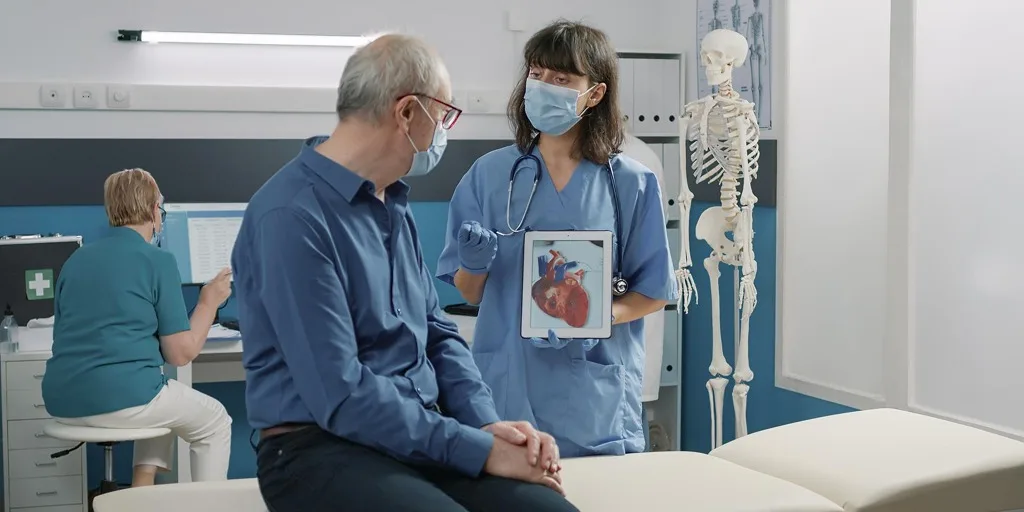
Have you ever thought about how the heart quietly keeps you going each day, right from the moment you wake up feeling completely refreshed to the time you take an evening walk? According to a report from Harvard School of Public Health and the World Economic Forum, cardiovascular diseases could cost India an estimated $2.17 trillion in economic losses between 2012 and 2030. That figure shows how heart health affects not just people’s lives but also the nation’s economy. However, the good news is that many heart-related issues can be managed or prevented with the correct care and lifestyle choices. Cardiac care, also known as cardiology, is the field of medicine that deals with the heart and the network of blood vessels, which keep it functioning. However, cardiac care is not just about medical treatments; it’s also about simple things that you do everyday. Every step that you take can help the heart stay stronger for longer. Through this blog, let’s find out what cardiac care actually means and why it’s so critical for your well-being and overall health. What Is Cardiac Care? Cardiac care, or cardiology, focuses on treating, diagnosing and preventing diseases that affect the blood vessels and heart. It involves treating structural and functional heart issues such as rhythm disorders like atrial fibrillation, valve abnormalities, and vascular conditions like atherosclerosis, where plaque buildup in the arteries restricts blood flow. Proper cardiac care involves a blend of medications, lifestyle improvements and even diagnostic tests, such as Echocardiography and ECG (Electrocardiograms). It also involves minimally invasive surgeries or methods when required. The objective here is to restore and protect the heart’s normal function while enhancing overall health. Cardiologists study how exactly the blood flows through the heart, how the body responds to injury and how the heart’s electrical signals function. With this specific knowledge, they can help lower the complications and even extend lifespan. Why Cardiac Health Matters? Taking good care of the heart is important because it powers each organ in the human body. Here are some reasons why cardiac health is essential: It keeps the blood flowing efficiently, carrying the nutrients and oxygen throughout the body. It can lower the risks of severe issues, such as strokes and heart attacks. It supports mental well-being and physical strength. It can help you avoid complex treatments and major surgeries. It can also lower long-term healthcare expenses via early care and prevention. Core Areas of Cardiac Care Cardiac care consists of many important methods that help “how to maintain your heart health?”, offer the correct treatment when needed and also spot problems early. It can be divided into three major areas: Preventive Cardiology Preventive cardiology focuses on safeguarding the heart before any severe issues take place. It’s about recognizing the risk factors, keeping a track of the overall health and making healthy lifestyle choices. Some of the key steps include: Periodic Health Check-Ups: Monitor the blood pressure, body weight, blood sugar and cholesterol levels. Heart-Healthy Diet: Pick food items low in sugar, salt, and saturated fat. Make sure to add more whole grains, vegetables and fruits. Physical Activity: Work out regularly to improve circulation and strengthen the heart. Stress Management: Try relaxation techniques, such as counseling, yoga, or meditation, to manage stress, which can affect the heart. Lifestyle Choices: Avoid limiting alcohol intake or smoking. Medication Adherence: Take the prescribed medication for ailments like diabetes and high blood pressure to lower the chances of heart-related risks. Diagnostic Cardiology Diagnostic cardiology can aid in detecting heart problems early and determining how serious they are. Physicians use many tests to check the heart function, blood flow, and rhythm. Common diagnostic tools include the following: Cardiac CT and MRI: Offers detailed imaging to identify vascular and structural abnormalities. ECG (Electroncardiogram): It records the electrical signals of the heart to detect rhythm-related issues. Holter Monitoring: Tracks the heart rhythm continuously for 12 to 48 hours. Stress Tests: The tests measure how exactly the heart reacts during physical exertion. Echocardiography: The tool uses ultrasound to create images of the heart’s performance and structure. Interventional Cardiology Interventional cardiology keeps its focus on treating heart issues via methods that don’t need major surgery. These treatments are typically minimally invasive, and the technique involves inserting thin catheters via the blood vessels. This helps in restoring proper blood flow or correcting the irregular heart rhythms. Angioplasty and Stenting This method aids in opening the arteries that are narrowed and blocked. A small balloon is inflated inside the artery to clear away the blockage, and a stent (a small metal tube) is usually placed to keep it open. This enhances the blood circulation to the heart and reduces the risks of all future heart attacks. Balloon Angioplasty In this technique, only a small balloon is used to broaden the artery without putting in a stent. It is usually performed alone or as a first step right before inserting a stent, depending heavily on how serious or where the blockage is. Catheter Ablation This is a minimally invasive treatment for heart rhythm issues. During the procedures, surgeons use a flexible and thin tube known as a catheter to guide it to certain areas of the heart to get small patches of tissue that lead to irregular electrical signals. This helps in restoring a normal and steady heartbeat. Surgical Cardiac Treatments At times, surgery becomes mandatory when minimally invasive methods or medicines don’t treat the heart condition completely. These surgeries aim to restore the blood flow, replace/repair the damaged parts of the heart and enhance how it functions overall. Coronary Artery Bypass Graft (CABG) Surgery CABG surgery is performed to bypass the narrowed or blocked coronary arteries and enhance the blood supply to the heart muscle. Surgeons use healthy arteries or veins from other sections of the body and create new pathways for the blood to flow. This method is usually advised for individuals with multiple blockages or severe coronary artery conditions. Heart Valve Surgery This surgery is for repairing the
Heart Attack in Winter: Causes, Risks and Prevention

Most people love winter. The cold weather, hot drinks, snug blankets, and late-night parties are some of the reasons to enjoy the season. However, lurking behind this aesthetics of cold mornings is a silent killer that is hardly noticed, heart attack in winter. It is reported that winter increases heart risks by 14 -20%, particularly among seniors and individuals with pre-existing conditions. The decrease in temperature makes all the blood vessels narrow, the blood pressure increases, and the heart has to work more than usual. In addition to physical inactivity and lifestyle alterations, all these processes play the ideal hand-in-glove in causing complications related to the heart. What seems like a simple bout of chest pain in winter may sometimes be an early warning sign of something more serious. Knowledge of why it happens more often during this season and how to stop it is essential in safeguarding yourself and the people around you. Why do Heart Attacks Happen More in Winter? Cold winters witness a tangible increase in cardiac crises, and it is critical to learn why more heart attacks take place during winter. The low temperature results in constriction of blood vessels and increased effort of the heart and elevation of blood pressure. Such increased pressure leads to a greater risk of clotting that may obstruct blood vessels and cause a heart attack. Cold also suppresses physical activity in spite of an increase in weight and cholesterol, which stresses the heart. Diaphragmatic infections (which are prevalent in winter) impose an additional load on the cardiovascular system. These combined reasons give the explanation as to why, during cold weather, the probability of a heart attack is greatly increased in comparison with other seasons. Does Cold Weather Affect Heart Health Every Day? Yes, cold weather may affect your heart on a daily basis, particularly for people who already have existing heart conditions. Temperatures drop, and this causes blood vessels to become narrower; therefore, blood cannot move easily, and the heart struggles to move it. That is why most individuals report chest pain during winter or pain when exposed to cold winds. Even such basic activities as walking in the open air, removing snow, or just taking a breath of icy air can cause the heart to strain. For advanced care and timely intervention, visiting a reputed cardiology hospital in Chennai can make a life-saving difference. In some cases, people confuse cold and chest pain or wonder, Can cold cause chest pain? And the answer is yes, it can. Constant exposure to low temperatures not only aggravates the risk of heart attacks but may also exacerbate the cardiovascular issues already present in the body. The benefits of ensuring daily protection are crucial to decrease long-term risks. Who Is at Higher Risk in Winter? Winter and heart attacks are closely linked: cold temperatures tighten blood vessels and raise blood pressure, increasing the risk of a heart attack in winter. If you’re wondering why more heart attacks in winter, cold stress, infections, and inactivity can amplify underlying conditions. Risk Group Why Risk is Higher in Winter Children and teenagers Heart attacks are rare; cold exposure can trigger asthma/respiratory stress that strains the heart. Young adults (20–35 years) Lifestyle risks (smoking, alcohol, poor sleep/diet) plus sudden cold stress increase cardiac load. Middle-aged adults (35–50 years) Work stress and early hypertension/diabetes heighten vulnerability to winter and heart attacks. Adults over 50 Weaker cardiovascular resilience makes sudden temperature changes harder to tolerate. Seniors over 65 Reduced immunity, poor circulation, and existing heart disease sharply raise risk. People with hypertension Cold elevates blood pressure, increasing strain on heart and arteries. Diabetic patients Vessel damage and poor circulation worsen in low temperatures. Smokers Smoking narrows vessels; combined with cold-induced constriction, risk rises further. Individuals with obesity Extra cardiac workload; winter inactivity can worsen metabolic strain. Those with prior heart disease Pre-existing conditions make cold weather a strong trigger for events. People with respiratory illnesses Winter infections add lung/heart stress, increasing cardiovascular complications. Adults with weaker cardiovascular resilience are among the highest risk groups for heart attacks in winter. Signs of a Heart Attack in Winter It is imperative to recognize the first signs of a heart attack during the winter months because cold weather is likely to either hide the signs or exaggerate them. Most individuals often ignore discomfort because they mistakenly view it as seasonal aches, but there are some signs worth taking note of, particularly when they feel pain in their chest during winter. Here are some of the warning signs of a heart attack in winter. Constant chest pains or tightness, particularly at the onset of a cold. Bad breath during light activity or with no activity. Cold sweats or sudden light-headedness that gets worse at low temperatures. Sometimes the pain spreads to the neck, arms, jaw, and back. Weakness or unusual fatigue that appears disproportionate to normal day-to-day activities. Nausea or heavy burning pains are usually confused with indigestion. Chest pain with cold or any of the aforementioned symptoms indicate an emergency, and you need to seek medical assistance. Timeliness will always last longer in winter, and this is a survival skill when acting swiftly. How Can You Prevent Heart Attacks in Winter? Avoiding a heart attack during winter begins with knowledge of how cold weather affects the cardiovascular system and taking measures to reduce these dangers. As the temperature drops, blood vessels tighten, blood pressure increases, and the heart labours more to pump blood around. You can keep your heart safe over the season by making small, consistent changes. Keep warm: Wear several layers, wear gloves, scarves, and do not expose oneself to cold air instantly. Wise exercise: Keep moving indoors, with light exercises or yoga, or stretching to keep the blood flowing. Eat smart: Eat heart-healthy foods that are beneficial, like fruits, vegetables, whole grains, and lean proteins, but stay away from heavy and oily meals. Manage risk factors: Check your blood pressure, cholesterol, and sugar level frequently, especially in
What lifestyle changes are needed after a heart attack?

Life does not readily offer many second chances, and surviving a heart attack is one. It is a wake-up call that visually emphasizes what being a go-getter and reforming your day requires to safeguard your health. A question many patients and their families want to know is, What lifestyle changes are needed after a heart attack? And the answer is small and consistent habits that protect the heart against new issues. A heart attack can be the last heave of ordinary life, but it can be the start of a healthier one. Every move counts, from the food you take, the manner in which you move, how you address stress, and how you take medical recommendations. Recovery is an empowering process that is not only feasible with the right lifestyle adjustments. This is a journey of being resilient, having a healthy heart, and making sure that the second chance is the one. What Precautions Should Be Taken after a Heart Attack Healing after a heart attack wouldn’t be simply about medicine, but it would be about good watch over daily habits. These are some of the important precautions for a safer recovery. Here are some of the precautions: Use medicine as instructed to avoid additional complications. Do not overwork yourself, afford your heart sufficient rest, and gradually resume vigor. Follow up on sugar, cholesterol, and blood pressure regularly. Deal with stress by meditating, deep breathing, or seeing a counselor. Reduce smoking, alcohol, and cholesterol or blood-pressure-raising foods. These are little but essential measures that will help to reinforce your recovery and minimize the chance of another heart attack. Heart attacks have become common in young adults and it is imperative to take necessary measures. Why Are Lifestyle Changes Important After a Heart Attack? Healing after having a heart attack does not end in the hospital. How you live your day-to-day life has a direct result on your future heart health and life after a heart attack. The likelihood of a second cardiac event happening without meaningful changes is high. Prevent relapse: Healthy practices reduce the chances of a heart attack. Enhance life quality: Active recovery provides superior vigor and strength, mainly to those who have gotten used to life following a mild heart attack. Extend lifespan: Positive practices have been proven to increase life expectancy following a first heart attack by decreasing risk factors. Improve mental health: Stress management and self-care minimize anxiety and increase emotional resilience. Monitor your health: Consistent check-ups and tests allow you to understand that your heart is in good shape and reveal possible warning signs early on. lifestyle changes after heart attack is not optional; it is one of the main steps towards living longer, healthier, and more confidently. Choosing a trusted heart care hospital in Chennai ensures timely check-ups and advanced monitoring. 5 Lifestyle Changes Are Needed After a Heart Attack? The basis of recovery is healthy practices. Five lifestyle modifications post-heart attack may help mitigate risks, promote health status, and aid in long-term recovery. Heart-Healthy Diet Nutrition is a very strong factor in cardiac recovery. After a cardiac event, following a heart attack, a precautionary diet helps reduce cholesterol, control blood pressure, and prevent further blockages. Eat more fruits, vegetables, whole grains, lean proteins, and good fats such as nuts and olive oil. Meanwhile, limit food, which has the potential to trigger heart-related complications, including fried foods, red meat, and processed or salty foods. Knowing the list of foods to avoid after a heart attack, like sugary drinks, excess caffeine, and packaged junk foods, is just as important as choosing what to eat. Regular changes in diet allow patients to take the load off the heart and promote healing, so that they see gradual improvement on their way to a quality life. Regular Exercise One of the best solutions for strengthening the heart after recovery is safe physical activity. Light, physician-recommended exercises increase blood flow, reduce blood pressure, and increase energy. Light exercises like walking, stretching, and yoga can help make a difference in healing. Multiple forms of exercise, including brisk walking, cycling on a stationary bike, or cardiac rehab programs overseen by trained personnel, are advised as low-impact exercises for heart blockage. 20-30 minutes of moderate exertion, 5 days per week, is usually adequate to enhance recuperation and not work the heart too hard. Sharp efforts, particularly when exercising in cold weather, should be avoided, and a cardiologist should always consult you before initiating or switching workouts. Frequent movement is one of the aspects of the recovery process that not only improves physical health but also builds confidence and emotional well-being. The benefits of physical activity for heart health are innumerable. Stress Management Psychological recovery as much as physical recovery should follow a heart attack. Another event can be enhanced by the undue strain, stress, and anxiety and depression imposed on the cardiovascular system. With stress management, it is possible to maintain levels in the blood pressure and in the heart rate. Such basic techniques as meditation, careful breathing, or mindfulness exercises are very effective. It is also through counseling and support groups that there is reassurance and elimination of the feelings of isolation. To adapt to everyday activities, things like pursuit of hobbies, time with family members, and having a positive mindset could be huge factors in recovery. Stress management is a routine that protects both your mind and your heart, and it results in a more balanced, healthier life once you have a heart attack. Regular Health Check-Ups A routine check-up should make you track your progress and avoid complications later. Once you have a heart attack, a routine appointment with your cardiologist will keep your levels of blood pressure, cholesterol, and sugar under control. To track heart functioning, physicians can refer to heart attack risk testing (ECGs, echocardiogram, stress tests). These assessments help you understand how to know your heart is healthy and whether adjustments in medication or lifestyle are needed. The check-ups will also help to discuss
How Often Should You Get Your Heart Checked?

Heart Care is necessary at all ages. Many people ask, How often should you get your heart checked? It depends on factors such as age, lifestyle, and overall good health. The most definite thing is that regular visits to a doctor can assist in detecting possible issues at an early stage and aid in the long-term well-being of the heart. The shift in heart conditions is not always accompanied by evident symptoms. This is why it is sound and comforting to plan regular check-ups, even when you feel fine. A heart health checkup provides you with a clear idea of your situation and gives you the right to make a healthy choice for your future. Understanding when and in which ways you need to keep your heart checked, you can defend yourself with confidence. What Does a Heart Check Mean? A heart check, or heart health checkup, is a set of medical tests and screenings that assess how well your heart is working. It can involve taking your blood pressure, examining the levels of your cholesterol and sugar levels, and using such tests as ECG or echocardiograms to observe the heart rhythm and its functioning. The checkups assist physicians in determining early indications of heart strain or disease before symptoms appear. Regular heart health screenings give you a clear picture of your heart’s condition and guide you toward healthy lifestyle choices. Regular screenings also guide you toward lifestyle improvements such as exercise and nutrition choices that protect the heart. Who Needs Heart Checks More Frequently? While everyone benefits from routine heart health screenings, some people may need them more often. The importance of heart checkup should not be underestimated. It is particularly important to undergo regular checkups in case you have a family history of heart disease, high blood pressure, diabetes, or high cholesterol. Individuals who are heavy smokers, have a sedentary lifestyle, or have a lot of stress might be even more at risk. Another predisposing factor is age, especially in people above 40, especially men, who ought to check their hearts at regular intervals. The detection of risks at the early stages will allow you to overcome them along with your doctor and save your heart and consequent health conditions. But it doesn’t mean people below the age of 40 can be relieved, it has been reported that over 50% of heart attack cases since 2020 have been among adults below the age of 40. For those in Chennai seeking specialized treatment, Meridian offers a leading center for cardiac care equipped with expert doctors and advanced diagnostic facilities. What Tests Are Included in a Heart Check? Test Name Purpose What It Checks Blood Pressure Measurement Detects high or low blood pressure Measures the force of blood against artery walls Lipid Profile Assesses cholesterol levels Checks LDL, HDL, and triglycerides Blood Sugar Test Screens for diabetes risk Measures glucose levels in the blood Electrocardiogram (ECG) Detects irregular heart rhythms Records the heart’s electrical activity Echocardiogram (ECHO) Checks heart structure and pumping function Uses ultrasound to create heart images Treadmill Stress Test Evaluates heart performance during exertion Monitors heart rate, blood flow, and rhythm while walking/running Chest X-ray (if needed) Examines heart and lungs Looks for size, shape, or structural changes How Often Should You Get Your Heart Checked? The frequency of the heart health screening varies with your age, personal health, and the level of risk. These are just general recommendations, but your physician can advise you on a different schedule depending on your health history. By Age Factor: Age Group Suggested Frequency Reason Under 30 (Healthy) Every 3–5 years Early detection of silent or hidden risk factors 30–40 Years Every 2–3 years Lifestyle and work-related stress may impact heart health 40–50 Years Once every 1–2 years Higher risk of cholesterol and blood pressure changes Over 50 Years Every year Greater chances of age-related heart conditions Athletes & High-Performance Individuals Every 1–2 years Physical strain and endurance training require regular monitoring Risk Factor Low Risk: 2- 3 yrs. healthy lifestyle and balanced diet, no family history. Moderate Risk: Once every 12 months to 2 years- one to two risk factors such as smoking, high BMI, mild hypertension, or borderline cholesterol. High Risk: 6 -12 months: multiple risk factors, diabetic, family history of STEMI or stroke, or abnormal previous screening tests. Other Special Categories Women Over 50: Screening every year because of changes in hormone levels that could impact heart health due to menopause. Smokers (Any Age): An annual test to monitor and minimize the degree to which smoking affects the arteries and cardiac performance. Stroke Survivors: In general, once every six to a year or as recommended by a physician to ensure that the recovery is on track, and to prevent recurrence. Signs You Should Get Your Heart Checked Although routine appointments are good practice all around, there are some indicators that it may be time to visit your physician sooner. Signs and symptoms to be wary of include: Uncontrollable shortness of breath when performing regular tasks Fatigue often or without an easily detectable cause Chest pain or pressure Heart palpitations Swelling of the ankles or feet. Others might also experience dizziness or light-headedness when in exertion. These are not necessarily symptoms of a problem with the heart, but they should be talked about with a healthcare expert to rule out any issues. When should I get my heart checked? These are the signs you should get your heart checked. The issues can be discovered early and mitigated. If you experience any of these, especially if you have risk factors like diabetes, high blood pressure, or a family history of heart disease, consider scheduling a heart health checkup promptly. The different symptoms of a heart attack between men and women can vary. Another point to remember is that some people confuse heart attacks with other conditions. It helps to know the distinction between sudden cardiac arrest and a heart