Heartburn vs. Heart Attack: Key Differences You Need to Know

Many people often find it hard to tell the difference between heartburn and heart attack because some of the signs may feel similar at first. A burning sensation in one’s chest can lead to anxiety, growing doubts, like maybe it’s only indigestion, or maybe it’s something serious related to the heart. It can be stressful that there can be confusion regarding these two, but once you understand that both conditions differ, there is some consolation. In this blog, we will take a gentle walk through what heartburn is, a heart attack, their difference, causes, symptoms of heartburn, symptoms of a heart attack, treatments of heartburn, heart attack treatment, and simple and easy lifestyle ways to keep your heart and your gut happy. Heartburn vs Heart Attack The difference between heartburn and heart attack may be vague, since both could involve chest pain. But the former is a digestive-related problem, whereas the latter is a very dangerous cardiac condition. Let us look at the differences that can lead you to take the appropriate actions towards relief or medical support. Aspect Heartburn Heart Attack Nature of the Condition A digestive issue caused when stomach acid flows back into the food pipe (esophagus); the main cause of heartburn is acid reflux. A cardiac emergency – what is a heart attack? It happens when blood flow to the heart is blocked, usually by a clot or plaque. Type of Pain/Discomfort Burning sensation in the chest, often rising up to the throat; these are common symptoms of heart burn that worsen after eating. Pressure, heaviness, or squeezing pain in the chest that may spread to the arm, back, neck, or jaw – classic symptoms of heart attack. Onset Usually triggered by meals, lying down, or bending over soon after eating; sometimes linked to foods that cause heartburn. Can occur anytime, often during exertion or stress, but also while resting. Duration of Pain Typically lasts a few minutes to a couple of hours; improves with heartburn treatment like antacids or standing upright. Pain or pressure tends to persist, usually more than 10–15 minutes, and does not go away with rest or medicine; requires urgent heart attack treatment. Additional Symptoms Sour taste in mouth, burping, bloating, mild throat irritation. Shortness of breath, sweating, nausea, dizziness, or extreme fatigue. Response to Remedies Symptoms often improve with lifestyle changes and simple ways to prevent heartburn. Needs immediate medical care and professional treatment. Risk Factors Spicy or oily foods, overeating, lying down soon after meals, smoking, alcohol – common reason for heartburn. High cholesterol, high blood pressure, diabetes, obesity, smoking, family history of heart disease. Severity Uncomfortable but generally not life-threatening; highlights heartburn vs heart attack differences clearly. A serious, life-threatening condition that needs urgent medical attention. What is Heartburn? Heartburn occurs when stomach acid is returned into the food pipe (esophagus). This produces a burning sensation in the chest, frequently spreading into the throat. It has nothing to do with the heart itself, yet its location and feeling make a lot of people mistake it for heart pains. Heartburn normally follows the consumption of some foods or lying down improperly after eating. It is not dangerous in general, but may be uncomfortable to overcome through simple lifestyle changes. Causes of Heartburn The likely cause of heartburn is acid flowing up from the stomach into the food pipe, but there are some habits and lifestyle things that make it more likely. Learning the reasons for heartburn, can help you control & avoid discomfort. Consumption of spicy, oily, heavy food Eating fast or too much Sleeping or bending shortly after taking meals Smoking or drinking alcohol Too much caffeine (tea, coffee, energy drinks) Stress or anxiety Pressure on the stomach due to pregnancy These scary causes of heartburn need to be taught at a very young age to prevent it from happening. Symptoms of Heartburn The typical symptoms of heartburn are normally easily identified and are mostly associated with eating or your posture. It is crucial to identify early as it will allow you to manage the condition and prevent inconveniences. Burning in the chest or throat. Bitterness in the mouth Sometimes difficulty swallowing Gas after meals or bloating Discomfort that gets worse when lying down What Drink Stops Heartburn? A glassful of cold water frequently relieves heartburn by carrying the acid back into the stomach. Hot fluids such as ginger or chamomile tea, and low-fat milk will also feel better in the food pipe. Coconut water is another natural, fat-free option that is cool, refreshing, and easy on the digestive system. Foods to Avoid for Heartburn There are foods that predispose to heartburn. Spicy dishes, fried foods, tomato-based preparations, and citrus fruits may all cause problems. Symptoms will also be exacerbated by chocolates, caffeine, and carbonated beverages. Cutting back on onions and garlic or heavy gravies in your diet can help eliminate the risks of acid reflux. It is better to avoid these foods that cause heartburn. What is a Heart Attack? A heart attack occurs when the blood supply to an area of the heart is cut off, often as a result of fat, cholesterol in the blood vessels, or a clot. Understanding cholesterol levels for a healthy heart is imperative to leading a healthy life. The heart muscle lacks sufficient oxygen, with damage to the tissue occurring without proper blood flow. This is a medical condition that should be taken very seriously, unlike heartburn, which is not. Spotting a heart attack is the first essential step towards its treatment. Knowing its symptoms and risk factors is important to react promptly and stay healthy in the future. Causes of Heart Attack One has to understand the causes, which is the beginning of time-effective heart attack treatment. By understanding these risk factors, individuals can take preventive measures and have a healthier heart. Deposition of cholesterol or fatty plaques in the arteries of the heart Chronic hypertension Diabetes and untreated glucose Transfat and inactivity Smoking and excessive consumption of
5 Best Exercises for Heart Health: Proven Ways to Strengthen Your Heart

Exercise may leave you perspiring, gasping, and even sore now and then, but the fact really is that these efforts pay off much more than flab-free limbs or exhaustion. The protection and strength of your heart is one of the greatest advantages of regular physical activity. Not only can movement enhance circulation, it can also help to lower blood pressure and even reduce stress, all of which act as natural defenses against cardiovascular issues. Actually, an active lifestyle is by far one of the safest methods of reducing the risk of heart disease and improving the quality of life. The best exercises for heart health aren’t about intensity alone; they focus on consistency, balance, and safety. A brisk walk, a round of resistance training, or even some mindful stretching is the correct routine that will ensure your heart continues operating at the top level while providing you with greater energy and resilience in other aspects of life. How Exercise Helps Your Heart Your heart is a muscle, and just like any muscle, it becomes stronger by exercising. Workout enhances blood flow, keeps arteries flexible, and promotes improved oxygen transportation in the body. It reduces bad cholesterol, normalizes blood pressure, and burns excess body fat, all of which are significant risk predictors of heart disease. Regular physical activity not only reduces harmful fat but also helps in balancing cholesterol and supporting heart function. Exercise also reduces stress hormones to reduce the burden on the heart. All together, these improvements increase endurance and efficiency; over time, the heart can pump harder with less effort. In brief, regular exercise is one of the most effective and yet least complicated methods of ensuring sustainability in cardiovascular health. 5 Types of Heart-Healthy Exercise (with Cautions and Considerations) Each exercise will not affect your heart the same way. Some are concentrated on endurance, and some on strength or balancing; however, combined, they make a well-rounded solution and keep the cardiovascular system healthy. Below are five types of heart-healthy exercises, each with its own benefits and important cautions to keep in mind. Aerobic/Cardio Exercise Aerobic exercises, also known as cardio, are the cornerstone of heart health. Activities that include brisk walking, cycling, swimming, or dancing enhance circulation, enhance the intake of oxygen, and help build the heart muscle. Moderate cardio with a duration of 30 minutes a day will help in reducing cholesterol levels, managing blood pressure, and increasing overall stamina. Caution: Start slow if you are new to cardio, and avoid sudden bursts of high intensity. Develop stamina slowly so as not to overwork the heart. Flexibility and Balance Exercise Strength training rounds out the cardio with weight loss, fat reduction, and a boost in metabolism. Push-ups, squats, resistance band training, or light weight lifting let you have a healthier body composition, and this means less stress to your heart. Caution: Use controlled movements and moderate weights. Do not hold your breath while lifting, since high blood pressure can occur. Strength (Resistance) Training Strength training would complement aerobic exercises to gain lean muscle, enhance metabolism, and aid in achieving good body composition. The resulting stronger body helps trim unnecessary fat and relieves the heart of its extra burden to perform in a more efficient manner. Examples here are push-ups, squats, resistance band work, and lifting lighter to moderate weights. Just two to three sessions weekly may strengthen the cardiovascular system and add endurance and balance. Caution: Apply controlled, steady motion. Use moderate weights and do not hold your breath because the blood pressure may increase abruptly. Interval (Moderate) Training Interval training is composed of alternating moderate follow-up efforts and rest or lighter work. As an example, switching between jogging and walking elevates cardiovascular capacity and maintains fitness activities. It is effective in enhancing heart efficiency without necessarily having to spend a lot of time working out. Caution: Stay within your target heart rate zone. Irregular heartbeat or fatigue also may be the result of overexertion, particularly in beginners Everyday Physical Activities Heart-healthy exercise is not always about going to the gym. Even normal daily activities such as climbing the stairs, doing gardening, brisk walking at work, or household chores can count towards daily movement goals. These things accumulate; they keep your heart active all day long. Caution: Don’t push your body suddenly; gradual, consistent effort is safer than overdoing tasks in one go. Exercise Tips Warm up & cool down – get your muscles and slow down your heart. Be regular– reach 150 minutes of moderate activity per week. Stay hydrated – have drinking water at hand during workouts. Choose fun things to do– you will be more likely to pull through. Listen to your body – stop if you feel chest pain, dizziness, or unusual shortness of breath. Check with a doctor- particularly if you have heart conditions or other health issues. What is a Normal Heart Rate When Working Out? It is also necessary to maintain your target heart rate zone when performing the best exercises for heart health. This helps you reap the benefits of aerobic exercise and resistance training but does not overwork you. Age Target Heart Rate Zone (50–85% of Max HR) Maximum Heart Rate (Approx.) 20–29 100 – 170 bpm 200 bpm 30–39 95 – 162 bpm 190 bpm 40–49 90 – 153 bpm 180 bpm 50–59 85 – 145 bpm 170 bpm 60–69 80 – 136 bpm 160 bpm 70+ 75 – 128 bpm 150 bpm How Do You Know Your Heart is Healthy During Exercise? Doing the best exercises for heart health is only effective if your body responds well. This is how it can be checked: Steady Heart Rate – During aerobic exercises, your heart rate should rise gradually, not suddenly. Target Zones – Stay within your recommended heart rate range; this ensures you get the benefits of aerobic exercise without overexertion. Breathing Test: – You ought to be capable of talking during a workout; catching your breath indicates you are overdoing it. Quick Recovery –
Is a Heart Attack Common in Young Adults?

Heart attacks are not only affecting older adults nowadays but also individuals in their 20s, 30s, and early 40s. Heart attacks in young people are becoming a growing concern, with more cases being reported each year in India and around the world. This increase is associated with a combination of factors such as current lifestyle, work-related stress, hereditary factors, and prior health-related conditions, which are asymptomatic in nature. Most young adults have busy schedules with numerous duties, and that may be the reason why they have forgotten about frequent health check-ups and heart-healthy habits. On the upside, most heart attacks among younger adults can be stopped with early education, good habits, and preventive exams. Let’s discuss reasons why heart attacks are on the rise among young adults, who are more susceptible, and what little ones can do to protect themselves against heart attacks. Are heart attacks really happening in young adults? Yes, heart attack among young adults is indeed a reality. Although they are no longer uncommon in people younger than 40 years, they were still deemed so at one point. The Times of India has shown that the rate of heart attack among persons below age 40 years causes 6-10 per cent of all global myocardial infarctions. Rates in those under 40 are even higher in India than in most Western countries. This predisposition is associated with living habits, permanent stress, predisposition, and untreated medical conditions such as high blood pressure or diabetes. A sudden heart attack in young people can happen without obvious prior symptoms, making awareness and preventive care crucial. Learning to identify heart attack symptoms early can save lives. The good news? Young adults can do much towards reducing their risk and safeguarding their hearts in the long term with routine health screening, early diagnosis, and heart-healthy living. Why are heart attacks becoming more common in young adults? The increasing cases of heart attacks in young people can be traced to a mix of modern lifestyle habits and hidden health issues. The absence of sleep, long work hours, and severe stress levels are imposing a strain on heart health. Among the prevalent reasons for heart problems at this age are unhealthy diets, smoking, and physical inactivity. It is also noted by medical experts that there are increasing instances of obesity, diabetes, and high cholesterol and heart health in children, and in all these conditions, heart attack is the major cause of death in youngsters. A strong family history of heart disease in young adults can further increase risk, especially when combined with other lifestyle factors. Unhealthy Lifestyle Habits A sedentary lifestyle, combined with unhealthy eating patterns, is one of the leading causes of heart attacks in young adults. Processed foods that contain a high amount of sugar, salt, and unhealthy fats can cause heart damage after a long period of time. Smoking, excessive alcohol, and lack of physical activity add to the risk of common heart problems. Over time, these habits can contribute to heart disease in young adults, even when they appear otherwise healthy. Obesity & Diabetes Obesity and diabetes are now being diagnosed at much younger ages, and both conditions significantly raise the risk of a sudden heart attack in young people. Being overweight puts pressure on the heart, and having too much sugar in the blood hurts the blood vessels, and the heart has to work more to do its job. If left unchecked, these issues can lead to signs and symptoms of heart failure or other heart-related complications. Chronic Stress & Mental Health Chronic stress can be brought about by long working hours, examinations, and even financial problems. This high anxiety impacts the blood pressure, hormonal levels, and heart rate. High stress levels, combined with poor coping mechanisms like junk food or smoking, can accelerate the risk of heart attacks in young people. Learning to manage stress is key to reducing risks and spotting the early warning signs of a heart attack before it’s too late. Genetics & Family History A strong family history of heart disease in young adults can raise the likelihood of heart problems, even in those with a healthy lifestyle. The production of cholesterol, blood pressure, and blood clotting patterns can be genetic. Knowing your family history helps you take preventive action early, reducing the chances of a sudden heart attack in young people. Undiagnosed Conditions Disease states such as hypertension, elevated cholesterol, and arrhythmia may exist undiagnosed for many years. These silent risks can eventually lead to heart disease in young adults or even a heart attack in young people. Understanding the various cardiac disorders can help you take preventive steps at the right time. The early determination and prevention of these problems can be identified by means of regular screenings. What makes it challenging is that these issues often progress quietly, leading to a sudden heart attack in young people without prior warning. This is the reason why it is imperative to learn the early signs of a heart attack and conduct health checks regularly. Who is most at risk among young adults? Adolescents are exposed to various health risks, most of which are silent, though imminent. The World Health Organization (WHO) fact sheet on adolescent and young adult health also indicates that the primary threats to the health of adolescents and young adults are injuries, such as road traffic accidents and drowning, violence, and substance use, such as alcohol and tobacco. (view source) In addition, the issues of mental health, particularly depressed mood and anxiety, and early noncommunicable diseases are of great concern. Unhealthy eating, lack of physical exercise, smoking, and consumption of alcohol lead to the long-term risks of obesity and heart-related problems in the future. In young adults, the presence of several factors, e.g., unhealthy lifestyle choices, mental strain, or familial history of illness, can create added vulnerability. Yet, awareness, preventive screening, and early intervention are effective and humane measures against these risks. Having clarity on the ways a heart attack
Blocked Arteries: Bypass Surgery or Angioplasty- What’s Right for You?
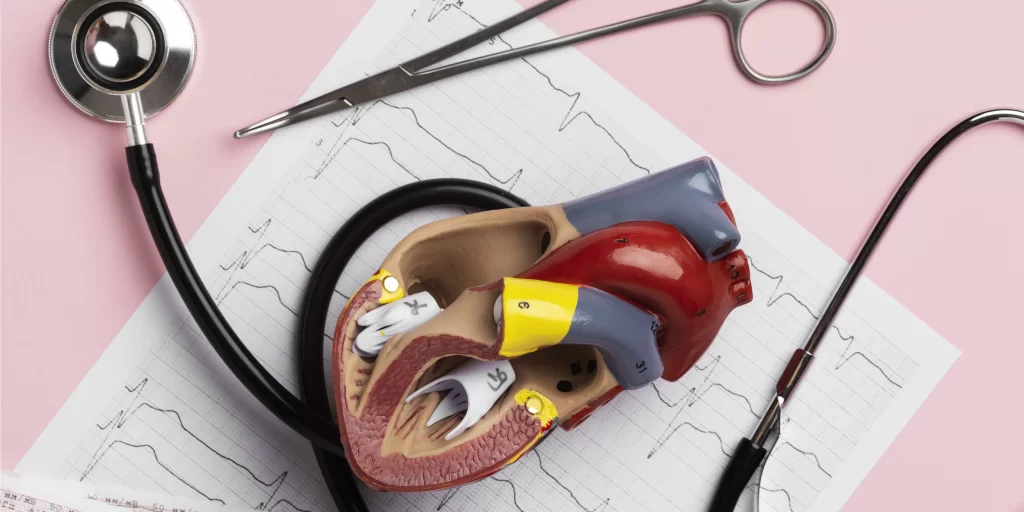
When the arteries supplying your heart become blocked, it can cause chest pain, breathlessness, and even lead to a heart attack. Fortunately, there are two well-established treatments to improve blood flow: Bypass surgery Angioplasty (also called stenting) While both treatments are effective, the right choice isn’t always obvious, and it depends on your unique condition. That’s why the decision is best made by your cardiologist or heart specialist, who will guide you through the safest and most suitable option. In this blog, we’ll explain the difference between bypass surgery and angioplasty, and the advantages of these two procedures, together with their recovery periods. Difference Between Coronary Artery Bypass Surgery and Angioplasty? According to a major review of over 9,500 patients, five-year survival rates were nearly equal: 90% for both bypass surgery and angioplasty. Here is a basic difference between angioplasty and bypass surgery: Feature Bypass Surgery Angioplasty (Stenting Involves Surgery? Yes, open-heart surgery No, minimally invasive Hospital Stay Longer (5-7 days) Shorter (1-2 days) Recovery Time Slower (6–12 weeks) Quicker (a few days to a week) Best For Complex or multiple blockages Simple or single blockages Scars Yes, due to surgery Minimal to None Durability Long-term in severe cases Effective, but may need to be repeated in some cases Understanding your treatment options starts with knowing the underlying heart condition. Different types of heart diseases, such as coronary artery disease, arrhythmias, or valve disorders, can influence whether bypass surgery or angioplasty is the preferred method. What Is Bypass Surgery? Bypass surgery is a type of heart operation where doctors use a healthy blood vessel from another part of your body to “bypass” or go around the blocked artery in your heart. This allows blood to flow freely again. It is usually suggested when: There are multiple or complicated blockages The main artery of the heart is affected A stent may not be enough to solve the problem How many hours is a bypass surgery? It requires 3 to 6 hours of the procedure, depending on the number of bypassed arteries as well as the condition of the patient. What is the recovery time for a heart bypass? Recovery takes longer, usually several weeks, but it offers good long-term relief, especially for people with more severe heart disease. If you need further guidance, our expert heart care team at remote medical care in Chennai is always here to support you. Can I live a normal life after heart bypass surgery? Yes. Most individuals lead busy lives with many satisfying years after surgery with proper cardiac rehabilitation, a heart-healthy lifestyle, and follow-ups. What Is Angioplasty (Stenting)? Angioplasty is a simpler, non-surgical procedure. A small balloon is used to open up the blocked artery, and a tiny metal tube (called a stent) is placed to keep it open. It is often suggested when: There is only one blockage The blockage is straightforward A faster recovery is needed People usually go home in a day or two and feel better quickly, often resuming normal activities within a few days. Can a 100% blockage be treated by angioplasty? Yes, in certain cases. However, it depends on the location and duration of the blockage. In case of complex or long-standing blockages, your doctor may advise bypass surgery. Is angioplasty necessary after a heart attack? Often, yes. It is effective in restoring blood flow and particularly within the early stages of a heart attack. Nevertheless, it might not be appropriate instead of long-term treatment for blocked arteries strategies. A study of Indian patients showed that 88.5% remained free of heart attack, bypass surgery, or repeat angioplasty six months after the procedure. What is the recovery time for angioplasty? Most people return home the same day or the next. Light activities can resume within a few days, but avoid heavy lifting or stress for a couple of weeks. So, Which Is Better? It’s natural to wonder which treatment is “better,” but the truth is there’s no one-size-fits-all answer. The choice between bypass surgery and angioplasty depends predominantly on your cardiologist’s expert opinion. They will consider: Your test results The number and location of blockages Your age and overall health Your recovery goals and preferences In some cases, one option is better. In others, either treatment may work well. Your doctor will help you make the safest and most informed decision. Key Takeaways Both bypass surgery and angioplasty are safe and proven treatments for blocked arteries. Bypass is usually better for complex or multiple blockages. Angioplasty is ideal for simple, single blockages and offers a faster recovery. The final decision rests with your heart specialist, who knows your case best. With either option, you can look forward to a healthier, more active life, especially when combined with lifestyle changes and regular follow-ups. Your Heart Is in Good Hands at Meridian Hospital At Meridian Hospital, Kolathur, Chennai, our experienced cardiologists offer expert care with compassion. Our cardiac care hospital in Kolathur, Chennai, is here to support you with the most trusted expertise, as well as unrivalled care and the latest heart care solutions. Whether you need advanced surgery or a quick angioplasty, we’re here to support you every step of the way. Our hospital provides: 24/7 cardiac emergency care Experienced heart care team Latest diagnostic and treatment technology Home consultation options through “Doctors on Wheels” Frequently Asked Questions (FAQs) Q1. What are the signs of a blocked heart artery? Common symptoms include chest pain, shortness of breath, fatigue, or pain in the jaw or arms. Q2. Is surgery always necessary for blocked arteries? Not always. In the early stages, lifestyle changes and medications can help. For more serious blockages, either angioplasty or bypass may be needed. Q3. Will I recover fully after treatment? Most people lead active, healthy lives after either procedure, with the right follow-up and care. Q4. Can I avoid heart problems in the future? Yes. Healthy food, regular exercise, quitting smoking, and routine check-ups can all help prevent future heart issues. Q5. Where can
4 Types of Heart Valve Surgery and How to Choose the Right One
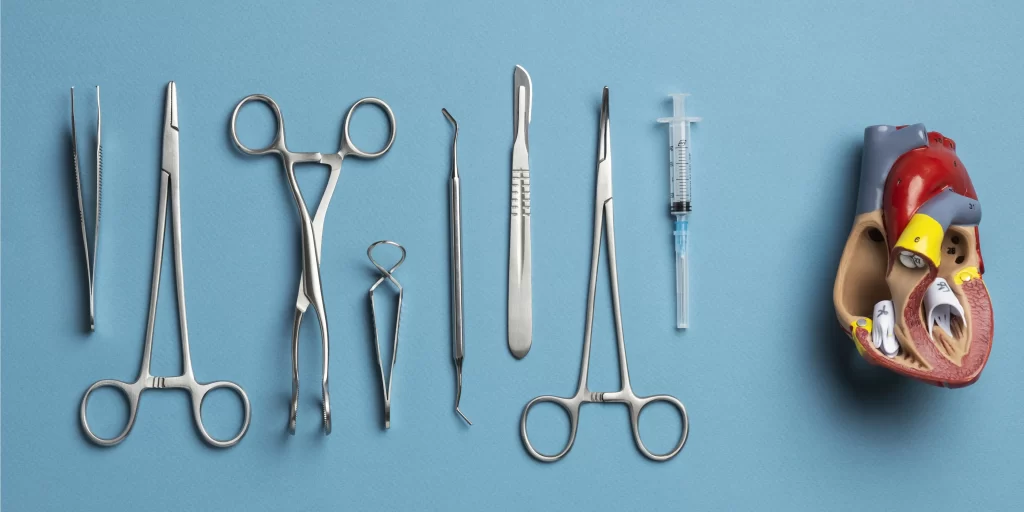
Heart valve problems can affect how well your heart functions and how energetic you feel in daily life. Thanks to modern medical care, there are now several treatment options that are safer and more effective than ever. At Meridian Hospital, Kolathur, all major types of heart valve surgeries are available, and our expert heart team will help guide you toward the option best suited for your condition. What Is Heart Valve Surgery? Heart valve surgery is done to fix one or more heart valves that are not working properly. The valve may be too tight or may be leaking. This can make your heart work harder than it should. With proper treatment, you can feel better, breathe easier, and get back to your normal activities. And with modern technology, recovery is faster and less painful in many cases. 4 Main Types of Heart Valve Surgery Our experienced cardiology team performs a range of surgeries depending on your specific heart condition and overall health: 1. Valve Repair Surgery If your valve is leaking or slightly damaged, your doctor may recommend a repair instead of replacement. This is a preferred choice for many, especially younger patients, as it helps preserve your natural valve and usually avoids the need for long-term medications. 2. Valve Replacement Surgery If the valve is too damaged to be repaired, your doctor may replace it with: Mechanical valves – These last a long time but usually require lifelong blood-thinning medication. Tissue (biological) valves – These don’t typically need long-term medications but may need to be replaced after some years. The choice depends on your age, lifestyle, and health condition, and will always be made in consultation with your heart specialist. 3. TAVR (Transcatheter Aortic Valve Replacement) This is a less invasive option, where the valve is replaced using a small tube inserted through a blood vessel, without opening the chest. It’s especially suitable for: Older patients People at higher risk for open-heart surgery Those who want a quicker recovery (often just 2–3 days in hospital) 4. Minimally Invasive Valve Surgery Instead of a large chest opening, this surgery uses small incisions on the side of the chest or in between ribs. Benefits include: Less pain Shorter hospital stay Faster return to normal activities Not all patients qualify for this method, but your doctor will advise you if it’s suitable. These options can be appropriate depending on an individual’s lifestyle and health needs. Patients seeking to understand various types of heart disease types of heart diseases should consult a cardiologist to understand how valve issues fit into broader heart conditions. How to Choose the Right Surgery? The best treatment depends on many factors, and the final decision should always be made by your cardiologist or surgeon. Here’s what influences the choice: Type of valve problem (leaking, narrowed, or damaged) Your age and medical history Whether you can take long-term medication How fast do you need to return to work or daily life At Meridian Hospital, Kolathur, our team ensures that each decision is made with clear communication and patient comfort in mind. Following surgery, adopting a diet of healthy heart foods can significantly improve long-term recovery and prevent future complications. Helpful Things to Know Before Surgery Valve repair is ideal for many patients, especially younger ones, to avoid long-term medication. TAVR is a gentler, quicker option for those not suited to traditional surgery. Choosing between mechanical and tissue valves depends on your personal preferences and your doctor’s advice. Heart-friendly food and regular follow-ups help your recovery and protect your heart long-term. Avoid These Common Mistakes To ensure better results: Don’t wait too long – Timely surgery leads to better outcomes. Discuss medications, especially if you may receive a mechanical valve. Choose an experienced team, like the expert cardiologists at Meridian Hospital. Stick to follow-ups and cardiac rehab – They’re key to a smooth recovery. Why Choose Meridian Hospital, Kolathur? At Meridian Hospital, we offer: All major heart valve surgeries under one roof Expert heart specialists and surgeons Minimally invasive procedures and TAVR Personalized aftercare, cardiac rehab, and home visits Doctors on Wheels – expert consultations at your doorstep Book Your Consultation Today If you or a loved one needs heart valve treatment, trust the experts at Meridian Hospital, Kolathur. You can help avoid complications and ensure a smoother heart valve disease treatment in Chennai. Our caring and qualified team is here to support you every step of the way, from diagnosis to recovery. Call us, walk in, or schedule a home visit today. Your heart is in safe hands. FAQs Q1. Which heart valve surgery is the safest? Valve repair and minimally invasive surgeries are among the safest with Q2. How long is the recovery after valve replacement? Open-heart surgeries usually need 6–8 weeks of recovery. TAVR and keyhole methods may allow discharge in 2–3 days. Q3. Will I need lifelong medication after surgery? Mechanical valves usually require long-term blood thinners. With tissue valves or repair, this may not be necessary. Q4. Is TAVR good for senior citizens? Yes, TAVR is ideal for older adults or patients at higher surgical risk. It is safer, quicker, and less stressful on the body. Q5. How do I get expert valve care in Chennai? Meridian Hospitals offers comprehensive heart valve options with a skilled cardiac team and advanced cardiac imaging. To make follow-ups easier, explore our Doctors on Wheels home consultation service; expert cardiac care from the comfort of your home.
14 Simple Foods in Your Diet for a Healthy Heart

Healthy heart foods are the greatest gift you can give to the most crucial organ of your body, your heart. Your thumping heart works relentlessly for you to function. One of the best ways to fuel its being is by consuming healthy heart food and following a specialized diet for a healthy heart. Taking good care of your heart is akin to training your muscles; It comes with a regular pattern of choosing the best in a wide variety of foods. By choosing rich fibers, minerals, vitamins, whole grains, and healthy fats, we can boost cardiac health in the right way. Knowing what to eat and avoid is the privilege we, Meridian Hospital, help you to balance your heart health. Let’s explore deep into the wellness of eating nutrition! Best Diet For A Healthy Heart You have picked the path of eating healthy for your heart. Great Going! Now the questions arise, what are all the heart-healthy foods? What are the best vegetables for heart patients? Can we eat all types of fruits, veggies, and grains randomly? No. The key to a healthy heart lies in choosing the essential nutrition-rich food for your cardiac health. You can maximize your life by maximizing these healthy heart foods. Here are some of the best foods for heart health. 1. Leaves And Greens Nutrient rich vegetables such as spinach, collard, and kale contain more vitamins, minerals, and antioxidants to support the heart. Antioxidants are simply the molecules that safeguard your blood cells from enduring damage. They are also rich sources of vitamin K, which promotes the wellness of your arteries. The nitrates in the Greens reduce blood pressure by decreasing arterial stiffness, along with improving the blood vessel linings. Rather than all other vegetables and fruits, these leafy greens have a significant role in heart health by reducing the risk of heart disease. 2. Colourful Berries Power-packed berries like Strawberry, Blackberry, Raspberry, and Blueberries have anthocyanins, which are rich antioxidants. These antioxidants help protect the heart from oxidative stress and other inflammation. Blueberries particularly increase vascular functions by improving the blood vessels. Taking anthocyanin-rich foods will reduce the risk of coronary artery diseases like hypertension and heart attack. In a situation of a heart attack how does one identify its symptoms? Click here to identify the heart attack signs in men and women to take necessary actions. This improvisation easily controls blood pressure and blood clotting inside the vessels. It remains as the best food for heart health, proving that healthy eating isn’t boring. 3. Fish Oil And Fatty Fish Omega-3 fatty acids are widely studied and proven to be the best source for heart health. Fatty fishes like Salmon (Saaman), Sardines (Saambal Meen or Saattai Meen), Mackerel(Kannanguchchi), and Bluefin tuna (Neelapin Thoona) are fully loaded with omega-3 fatty acids. These omega-3 fatty acids aren’t a franchise of power rangers but they function as such. They are essential fats that aren’t created by the body itself and can only be created as per consumption. For those who are not fond of eating fish, there are other options available for them. They can take fish oil supplements for their omega-3 fatty acids. For vegans, Algal oil can be used as a rich source of omega-3 fatty acids. Krill oil is one type of fish oil made from fatty fish like Anchovies, Salmon, and Mackerel. A study has proven that taking omega-3-rich foods has a direct connection to reduced Coronary Vascular Disease (CVD) and Arrhythmias. 4. Whole Grains All the nutrient-rich parts in a grain, such as the germ, endosperm, and bran, are considered the whole grain. These can significantly reduce the risk factors by around 10 to 20% by protecting the heart’s health. Here are a few common whole grains to choose from: Brown rice Oats Whole wheat Barley Buckwheat Quinoa Millet rice Note: The important thing to notice while buying whole grain is to look for the label referred to as 100% whole grain or whole grain, and avoid buying multigrain or wheat flour, as they are not whole grains. 5. Chia Seeds, Hemp Seeds And Flax Seeds A mixture of fiber along with Omega-3 fatty acids is a great source of heart-healthy foods. The chia seeds, hemp seeds, and flax seeds provide a richness of fiber along with Omega-3 fatty acids. Studies have proven that these nutritious seeds decrease risk factors such as blood pressure, cholesterol, inflammation, and triglycerides. The Amino acid in hemp seeds is Arginine, which helps in lowering blood pressure and reduces the risk of Angina. Amino acids are the building blocks which your body uses to create protein. Flax seeds also help in reducing blood pressure and CVD risks. Some of the health benefits of flax seeds cannot be undermined. Chia seed stands firm as a nutrient rich seed that contains an abundance of antioxidants, dietary fiber, and Omega-3 fatty acids. This power pack helps prevent blood clotting, blood pressure, and LDL cholesterol. 6. Tomatoes An argument that often arises on whether tomato is a fruit or a vegetable. For those wondering it keeps your heart healthy and that’s all that matters. Tomatoes contain a natural compound, lycopene plant pigment, which is a powerful antioxidant. The role of an antioxidant is to neutralize harmful free radicals by preventing oxidative damage and inflammation in the cells. This has a bigger contribution to heart health. Increasing the amount of tomato in the diet or any lycopene supplements has a positive impact on BP, endothelial functions, and blood lipids. Taking adequate levels of tomatoes will reduce the low-density lipoprotein (LDL) cholesterol and increase the high-density lipoprotein (HDL), which is ideal for the heart. 7. Dark Chocolate Here is the king of all hearts, the Dark chocolates. The heart’s true desire. The Flavonoids, a natural compound that acts as antioxidants, present in dark chocolates help the heart with blood clotting, blood pressure, blood lipids, and blood sugar regulation. Research shows that taking a moderate amount of dark chocolate reduces the risk
Types of Heart Diseases: Symptoms and Treatment
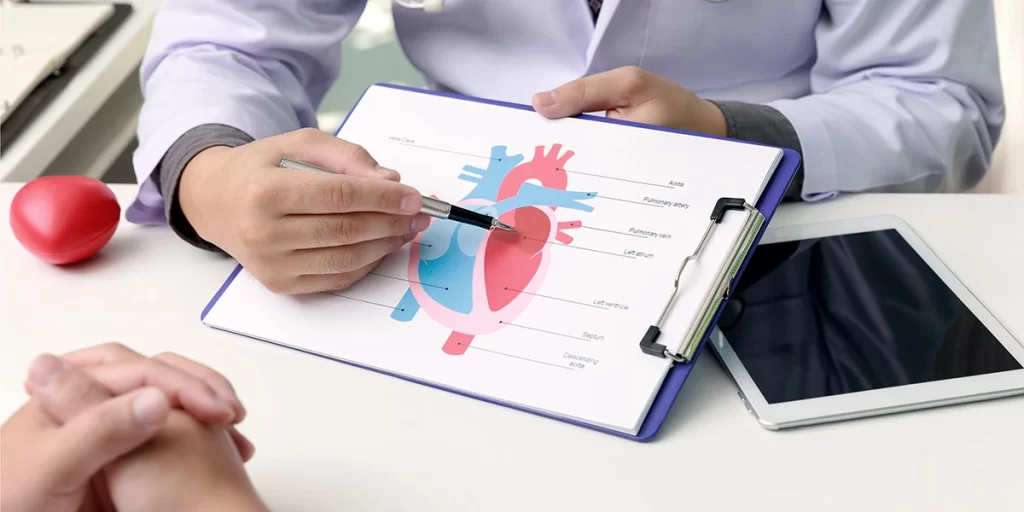
Your heart pumps life through your veins, constantly beating more than 100,000 times each day. However, what if this powerful organ begins to fail? Heart disease sneaks up, usually with no alarms initially, but establishes itself until it finally manifests itself when it is almost too late. It is no longer simply an illness of the elderly or sickly; it is a phenomenon that is increasingly becoming perilous in all ages and living habits. Knowledge of what heart disease is, symptoms of heart disease as well as types of heart disease can indeed be the difference between life and loss. It could be the blockage of arteries or the irregularities in rhythms; the complications of heart diseases can be handled, while others can change a life. This blog discusses the most widespread ones, their causes, and possible treatments so that you will be more aware of the red flags and the treatment possibilities. Types of Heart Diseases Coronary Artery Disease (CAD) Description The most acquired form of heart disease is the Coronary Artery Disease (CAD). It is a condition that arises when there is a narrowing or blockage of the coronary arteries that supply oxygen-enriched blood to the heart because of the deposition of the plaques. This is known as atherosclerosis and occurs gradually, usually without any obvious symptoms. For a deeper perspective about the disease. Impact With the narrowing of the arteries, the flow of blood to the heart becomes limited, leading to a shortage of oxygen. This may result in chest pain (angina), difficulty in breathing, or even heart attack in its most severe cases. Without treatment, CAD can cause permanent damage to the heart tissues, exposing one to a risk of developing heart failure and arrhythmias. Arrhythmia Description An arrhythmia is an abnormal heart rate, too fast, too slow, or irregular. It occurs due to some malfunctions in the electrical signals regulating the heartbeats. Some types of arrhythmias are not dangerous, but some are fatal, and they alter the effectiveness of the pumping of the blood by the heart. Impact The most prevalent one is known as Atrial Fibrillation (AFib), in which the upper chambers quiver rather than beat as desired. There are other ones bradycardia (slow heartbeat), tachycardia (fast heartbeat), and ventricular fibrillation, which is lethal when left untreated). Palpitations, dizziness, secondary fainting, or discomfort in the chest may be experienced because of Arrhythmias. Heart Failure Causes Heart failure happens when the heart is too weak or too rigid to circulate blood. It may be a result of CAD, hypertension, a history of heart attack, or cardiomyopathy. In the long run, the heart fails to supply the body with the required needs, resulting in the build-up of fluids in the lungs and tissues. People often confuse between heart attacks and a cardiac arrest, to learn more about the differences. Symptoms Persistent fatigue, shortness of breath (particularly during exertion or at rest), leg or abdominal swelling, rapid weight gain, and irregular heartbeat are common symptoms. Heart failure is a progressive disorder that gets worse in the long run and needs to be addressed on a long-term basis using medications and lifestyle modifications. Congenital Heart Disease(CHD) Omnipresent since birth. CHD is a condition involving structural heart anomalies that were acquired at birth. These malformations can be on the heart walls, valves, or vascular structure and could be as minor as conditions that do not manifest or as advanced as ones that require surgery. How can it be diagnosed? A lot of them can be identified during pregnancy by fetal ultrasound or soon after the birth process by physical examination and echocardiogram. In other cases, bluish skin color (cyanosis), rapid breathing, or lack of weight gain becomes a reason to resort to study. Diagnosis and early treatment can make long-term outcomes much better. Typical Heart Disease Symptoms It is possible to save lives by knowing the warning symptoms of heart disease. Most of the symptoms can initially appear insignificant or irrelevant. However, one should not neglect them. The most common symptoms to look out for are as follows: Pain or soreness in the chest It is usually described as pressure, tightness, or burning in the chest; it is a major symptom of coronary artery disease or heart attack. Dyspnea: Shortness of breath It might take place when working or sleeping; it develops due to the poor pumping work of the heart. Fatigue Experiencing a feeling of fatigue despite little exertion is an indication that the heart is not pumping enough blood that is required by the body. Lightheadedness or faintness It may be set off by untoward heartbeats or lack of blood circulation into the brain. Leg/Feet swelling A result of accumulating fluid because of the weakened pumping action of the heart, as in heart failure. Causes and risk factors Awareness of the causes of heart disease can aid in its prevention as well as timely detection. The major causes and the risk factors of the condition are listed below. Causes Plaque build-up The plaque (fatty substance) that obstructs the flow of blood in the arteries causes coronary artery disease and makes a person more prone to heart attack. Heart muscles or valve damage A history of heart attack infections or chronic hypertension may have damaged the structural integrity of the heart, making it weaker and inhibiting its functioning eventually. The starting symptoms of a heart attack should not be overlooked. Risk Factors High blood pressure It makes the heart work over time and causes arteries to thicken, resulting in damage to the heart. Smoking Obstructs blood lowers the oxygen level in the blood and elevates the heart rate drastically, exposing the person to heart diseases. Over 253 million people are actively engaging in smoking, as India has been recorded as the highest tobacco consuming nation. Diabetes When there is high sugar in the blood, blood vessels and nerves governing the heart are ruined. Sedentary lifestyle Inactivity also leads to high cholesterol and obesity, as well as poor
Cholesterol Level and Heart Health: What Matters and How to Take Control
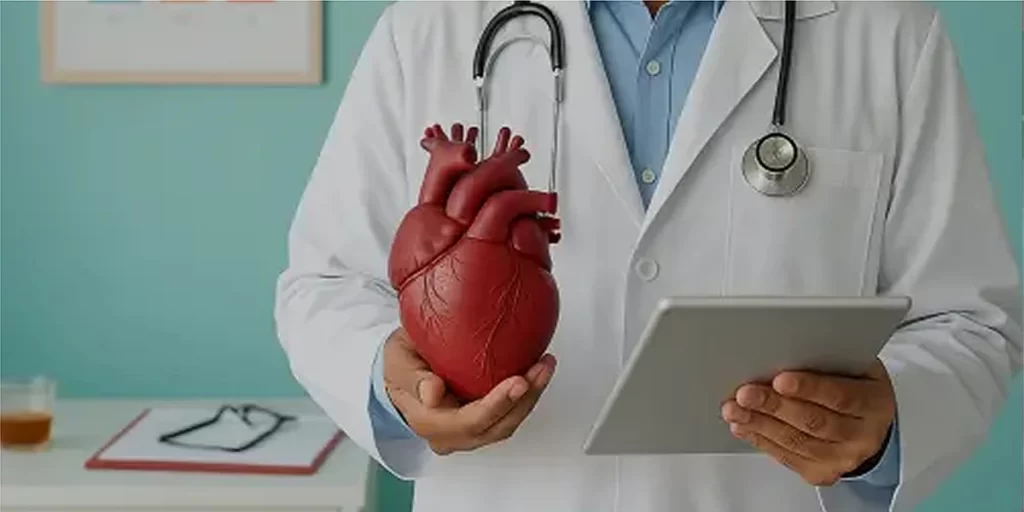
You try to eat well, stay active, and live a balanced life, but cholesterol still shows up as a red flag in your health reports. That’s because even healthy-looking individuals can have high levels of LDL cholesterol, which gradually blocks arteries and increases the risk of heart attacks. Lifestyle factors, genetics, and even stress can all contribute silently over time. In this blog, we’ll explain how cholesterol truly functions in your body, why high levels of “bad” cholesterol are so dangerous, and how small, sustainable lifestyle changes can significantly reduce your risk of heart attacks while enhancing your overall well-being. How to measure cholesterol levels? You must take several tests to measure your cholesterol levels. These tests help understand the level of lipoproteins. The lipid panel measures cholesterol levels. Cholesterol levels in the body are typically measured using a Lipid Profile test, which is used to assess how much cholesterol is present in your bloodstream. What is lipoprotein? Meaning and definition Lipoproteins are round molecules found in the bloodstream that help transport fats. They mainly consist of two lipid types—cholesterol and triglycerides. Elevated lipoprotein levels contribute to an increase in cholesterol levels. However, some lipoproteins protect your heart. Total cholesterol levels Different measurements affect total cholesterol levels. Cholesterol levels in the blood are calculated by combining HDL and LDL cholesterol along with 20% of the triglyceride value. HDL cholesterol HDL Cholesterol, or high-density cholesterol, is made up of lipids and proteins and moves through your bloodstream. HDL is considered better for the heart as it reduces plaque buildup. Triglyceride level Triglycerides are fats in the bloodstream that lead to heart disease in women. How does High cholesterol affect heart health? Reasons and causes High cholesterol can affect your body for various reasons, such as genetic disorders, low-density lipoprotein (LDL), Alzheimer’s disease, or other health conditions like kidney or liver disease. Consulting your doctor is important, as it may affect your heart health. Excess of low-density lipoprotein or LDL Excess low-density lipoprotein, also known as bad cholesterol, forms plaque. Plaque buildup can restrict blood flow in the arteries, potentially resulting in a heart attack. Excessive accumulation of low-density lipoprotein (LDL) leads to atherosclerosis, a condition that narrows the arteries and forms plaque. Increases the risk of stroke High cholesterol can increase your risk of stroke by making blood clots more likely. If a clot blocks blood flow to the brain, it can cause an ischemic stroke. Signs of a stroke include sudden numbness, confusion, or trouble speaking. Alzheimer’s disease Some studies suggest that cholesterol may be associated with Alzheimer’s disease. New research indicates that high cholesterol might also affect brain function, potentially influencing memory and cognition. It’s another factor that may contribute to heart disease as well. Other Causes of High Cholesterol Lifestyle factors Unhealthy lifestyle choices, especially poor dietary habits, play a significant role in raising cholesterol levels.Foods rich in saturated and trans fats are major contributors to unhealthy cholesterol levels. Smoking When you smoke, your blood vessels get smaller and plaque can build up, which can lead to heart disease. Smoking also reduces the good cholesterol (HDL) in your body. Drinks and Alcohol The next time you drink, think twice since excessive drinking or consumption of alcohol might increase cholesterol levels and triglyceride levels, leading to heart disease. Chronic health conditions Chronic conditions such as diabetes, thyroid issues, kidney and liver problems, lupus, HIV/AIDS, obesity, and sleep apnea may lead to high cholesterol. Can I lower my levels of cholesterol? Lowering your cholesterol means reducing harmful LDL cholesterol (bad cholesterol)and increasing HDL cholesterol (good cholesterol). Cholesterol can lead to heart attacks, and monitoring your health is crucial. Eating healthy and making good lifestyle choices can help you live a better, more balanced life. Dos and Don’ts For Lowering Cholesterol Levels Avoid trans fats A low-fat diet is the most recommended to keep cholesterol levels balanced, but some researchers say that a monounsaturated diet can help increase good cholesterol (HDL) in the cells. Foods such as avocados, olive oil, canola oil, nut butter, and nuts like pecans and almonds are rich sources of monounsaturated fats. Include polyunsaturated fats Polyunsaturated fats reduce LDL cholesterol and the risk of heart disease. Including Polyunsaturated fats may reduce the risk of type 2 diabetes. Researchers say that type 2 diabetes occurs due to causes such as metabolic syndrome. In India, around 30% of adults are affected by metabolic syndrome, with higher rates in urban areas and among women. Omega-3s and healthy fats are naturally present in fish-based foods and are also available in supplement form. Normal cholesterol levels for men and women Below are the lists of normal cholesterol levels in men and women. According to age and other classifications. Normal cholesterol levels for ages under 19 Cholesterol type Normal Levels 1 Total cholesterol Less than 170 mg/dL 2 Non-HDL Less than 120 mg/dL 3 LDL Less than 110 mg/dL Normal cholesterol levels for men Men b/w ages 20 or older Cholesterol levels Normal levels 1 Total cholesterol Less than 200 mg/dL 2 Non-HDL Less than 130 mg/dL 3 LDL Less than 100 mg/dL or Greater than or equal to 60 mg/dL 4 HDL Levels less than 40 mg/dL Normal Cholesterol Level for Women Women b/w 20 and older Cholesterol levels Normal levels 1 Total cholesterol Less than 200 mg/dL 2 Non-HDL Less than 130 mg/dL 3 LDL Less than 100 mg/dL or Greater than or equal to 60 mg/dL 4 HDL Greater than or equal to 60 mg/dL is best. If the level is below 50 mg/dL, it means the level is low. When should I get my cholesterol tested? When cholesterol is too high, it can trigger symptoms like chest pain, shortness of breath, tiredness, and numbness. As advised by your Doctor, maintaining a balanced diet and following a regular diet is essential. For comprehensive medical care, visit a top multispeciality hospital for consultations in Chennai and connect with experienced specialists. For heart health and
Heart Attack Symptoms in Women vs. Men- What is Different?

In India, heart attacks are more common among men than in women. Men at younger ages are more prone to heart health issues. Heart attack symptoms in men and women vary and sometimes may go unnoticed or misunderstood. That is why it is essential to understand the symptoms and factors that impact heart health in both genders. Women are less prone to heart attacks, and this is due to estrogen content in hormones for women that make them less vulnerable. The estrogen hormone improves the cholesterol levels that maintain flexible blood vessels. Heart attack symptoms may overlap between men and women, but there are also distinct differences in how they present. Let’s explore how these symptoms vary between the two. Heart attack symptoms Women Men Chest pain Atypical symptoms. Chest pressure, squeezing or fullness Men often experience chest pain that feels like pressure, tightness, or a sense of fullness. Heavy breathing Heavy breathing with or without chest pain Unusual breathing discomfort Sweating and Nausea Cold sweat or Nausea Cold sweat that seems unusual Pain in arms, neck, and jaw Discomfort can appear in either arm and may also affect the neck and jaw. Pain in left arm, neck and jaw Fatigue Women face more fatigue and tiredness Fatigue or unusual tiredness Anxiety and Insomnia Women face more anxiety and emotional stress Nervousness, dullness, or lack of sleep Heart Attack Symptoms In Women- A Complete list Heart attack symptoms in women are often unusual and can be intense, sometimes striking suddenly, especially in older women. Chest Pain: Women over 50 may feel asymptomatic chest pain that feels like pressure, squeezing, or fullness. Heavy Breathing: Heavy breathing with or without chest discomfort. Sweating and Nausea: Cold sweat or nauseating symptoms. Pain in arms, Neck, and Jaw: Discomfort in these areas, including the stomach, may indicate a possible heart attack. Anxiety: Women experience more anxiety related to emotional stress. These symptoms are more common in the first few weeks of a heart attack. Heart Attack Symptoms In Men One of the early signs of a heart attack in men is persistent chest pain, which can last for 15 minutes or longer. Men are generally less aware of their symptoms, which is a major cause of concern. It is essential to see your Doctor when you feel exhausted and have chest discomfort to deduct and treat your early symptoms. Consult a cardiology specialist for early diagnosis and care. Here is a list of common heart attack symptoms experienced by men: 1. Unusual Tiredness: Prolonged tiredness and fatigue sometimes, lasting for many days. 2. Insomnia: Insomnia or loss of sleep 3. Anxiety: Nervousness or dullness and anxiety 4. Chest discomfort: The most frequent and intense symptoms in men include chest pain, a feeling of fullness, tightness, and pressure. 5. Pain in arms, neck and jaw: Additional serious symptoms can include pain in the left arm, back, neck, and jaw. 6. Shortness of breath: Shortness of breath or irregular breathing often accompanies chest pain and discomfort 7. Cold sweat: Cold sweat or sudden body chillness that seems unusual. 8. Fatigue: Most women face fatigue more during heart attacks than men, but some men can also feel fatigued or exhausted. 9. Nauseated symptoms: Men feel nauseated and dizzy. Prevention Of Heart Attacks & Lifestyle Modification: Research & Observations A recent study and research revealed that women’s overall heart health is better than that of men. Women performed well in the results since they followed a balanced and healthy diet. The tests took into account factors such as diet, blood glucose levels, cholesterol levels, and blood pressure. However, women are at a higher risk of experiencing strokes compared to men. Once you are diagnosed with a heart attack, it is important to monitor your heart health and follow a healthy lifestyle. The test research presented at the American College of Cardiology was based on various criteria, including diet, sleep, physical activity, smoking, body mass index(BMI), blood glucose, lipids, and blood pressure. The multi-speciality healthcare at Meridian Hospital is a leading hospital in Chennai that provides comprehensive diagnosis and cardiac treatment for men and women. Overall health modification after a heart attack- Care and prevention After a heart attack occurs, you need to be extra careful and prevent heart disease by modifying your diet and making healthier choices. Heart health experts suggest including more nutrients and adding vegetables, fibre, and grains that will help regulate HDL or good cholesterol levels. The reasons for a heart attack are many, and among women, it is essential to monitor your health since they are more predisposed to attacks after menopause; for both men and women, regular sleep, yoga and exercises are recommended to maintain a good lifestyle since anxiety and worry can make them more susceptible to another attack. Meridian Hospital helps manage the journey of a heart patient from the early stage of a heart attack to medical care and treatment after an attack, helping them live a healthier life. Book an appointment now to consult with a cardiologist. FAQs FAQ 1. What are the main differences in heart attack symptoms between women and men? The key differences in heart attacks include various factors based on age, the hormonal differences in men and women, and the type of heart attacks. Men are commonly affected by coronary artery disease, whereas women are more prone to developing it. Women are also more likely than men to experience a stroke. FAQ 2. What Are the Common Warning Signs of a Heart Attack? Common heart attack symptoms involve chest pain along with sensations of pressure, tightness, and squeezing in the chest area. Pain in arms, neck and jaw, nausea, fatigue, heavy breathing, sleeplessness and anxiety. FAQ3: Why do women have a lower risk of heart attacks compared to men? Women are less prone to heart attacks since the estrogen content in their hormones protects them from heart diseases. Women have higher levels of total cholesterol, and the estrogen content in them increases HDL, or
Heart Attack Symptoms: Meaning, Early Warning Signs & How to Recover

Chest discomfort, shortness of breath, or sudden fatigue, are these signs of stress, or something more serious? Understanding the early symptoms of a heart attack is key to recognizing danger before it becomes deadly. Many heart attack sufferers report vague symptoms days or even weeks before the event. But without awareness, these signals are missed, and treatment comes too late. This article will help you decode those early warning signs, explain what a heart attack means, and offer insight into recovery steps. By staying informed, you’re not just reacting—you’re prepared. What are the early signs of a heart attack? Early signs of an attack include chest discomfort, fatigue, sweating, pain in the back and jaw, dizziness, and nausea. These early signs need to be monitored with close attention to save you from unawareness. Did you know? One can also get a heart attack without any symptoms. This is called a silent heart attack when one has a myocardial infarction he suffers from this condition. The flow of blood and oxygen to the heart is blocked in these cases leading to discomfort and sudden loss of breath. This is more dangerous since you do not understand the symptoms, however, it is better to consult a doctor sooner to avoid further damage and suffering. Did you know? In India, 35% of deaths occur due to Cardiovascular diseases (CVD), these occur due to more deaths in West Bengal and Punjab. This is quite an alarming number and only early diagnosis and specialised treatment can help the patients suffering. Researchers still cannot tell the number of people who do not know the early heart attack symptoms in India. Why must one ignore the symptoms you may ask? This happens due to Myocardial infarctions or silent heart attacks where the patient doesn’t understand the causes or symptoms of the attack. Symptoms of a heart attack Signs of heart attack vary from person to person as understanding the pain and discussing these points elaborately with him will help you address the pain. At times of an attack, a patient feels unconscious and unable to explain these symptoms in detail. Discussing with family members and consulting a Doctor, is the first and immediate step for a speedy recovery. Chest pain The most common symptom of a heart attack is chest pain a patient may experience severe squeezing, crushing, or heaviness in the chest causing discomfort. Pain and discomfort in the jaw, back and neck Psychologists say a patient can experience a range of emotions due to life-changing experiences; a sudden shock or anger can lead to anxiety and tension. Symptoms of pain in the jaw, back, and neck can be treated now with personalized care. Dizziness and nausea Symptoms like dizziness and nausea are also indicators of a heart attack. When a patient feels faintish and has vomiting sensations it may be due to a heart attack. Heart pain, difficulty in breathing Suffocating feelings and uneasiness in breathing are also some common symptoms that make the patient feel heavy. Symptoms like panting and heavy breathing are related to heart attack. Psychological symptoms Stress and Anxiety- Worry, stress, and anxiety are a few psychological symptoms that patients feel post or before an attack; these can disrupt the healing procedure leading to more complications. Sadness, anger, and social withdrawal- Some patients feel sad, and angry and lose interest in family interactions. These feelings can be due to the post-surgery strain or pain. Cardiophobia- Another interesting psychological syndrome is cardiophobia which patients experience due to anxiety of another attack. Once an attack happens there are many probabilities for repeated attacks. Silent heart attacks A silent heart attack or silent myocardial infarction(SMI) occurs without any symptoms. It is a type of heart attack that causes damage to the heart muscle. There is no evident chest pain as in other heart attack types, making its symptoms unknown or silent. consult a doctor sooner to avoid further damage and suffering. For accurate diagnosis and treatment of silent heart conditions, visit Meridian’s cardiology department in Chennai. Symptoms of heart attack among women Symptoms of heart attack among women are the same as those of men. However, researchers say fewer women are prone to attacks as compared to men. Common symptoms of an attack include chest pain, shortness of breath, and fatigue. Chest pain: Chest pain is common among men and women. Women feel symptoms like squeezing or fullness in the chest. Difficulty breathing: Breathing is another symptom of a heart attack in women. When a patient finds breathing hard, she may be having an attack. Not all breathing difficulty is a heart attack. Sweating: A person with an attack may experience cold sweats. This symptom is common for men and women. Tiredness & Fatigue: Weakness, dizziness, and fatigue are other heart attack symptoms in women. Nausea: Nauseatic or vomiting sensation. Pain in arms, back, neck, jaw, or stomach: Pain in arms, back, and neck caused by chest discomfort. When to call for emergency help Emergency help is needed in critical conditions like road accidents, fire accidents, sudden heart attacks, disabling conditions, and other critical ailments needing immediate support. Emergency helpline service number India. Key takeaways There are numerous symptoms of heart attack. Sometimes a heart attack can nearly be felt because of conditions like a silent heart attack. It is important to call the health and support line to discuss your heart health for speedy recovery, diagnosis, and treatment. Meridian Hospital Chennai, has a dedicated team of cardiologists that provide care and diagnosis for complex interventions and procedures. Book an appointment for heart health support. FAQs How to prevent a heart attack? If you want to prevent a heart attack or another attack from happening, make a change in your daily activities. Choosing a diet plan and monitoring your blood sugar levels are essential to keep yourself healthy. Avoid smoking & drinking. What is a left arm attack symptom? Left arm pain is another symptomatic cause of a heart attack. A patient