What is the difference between a heart attack and a cardiac arrest?
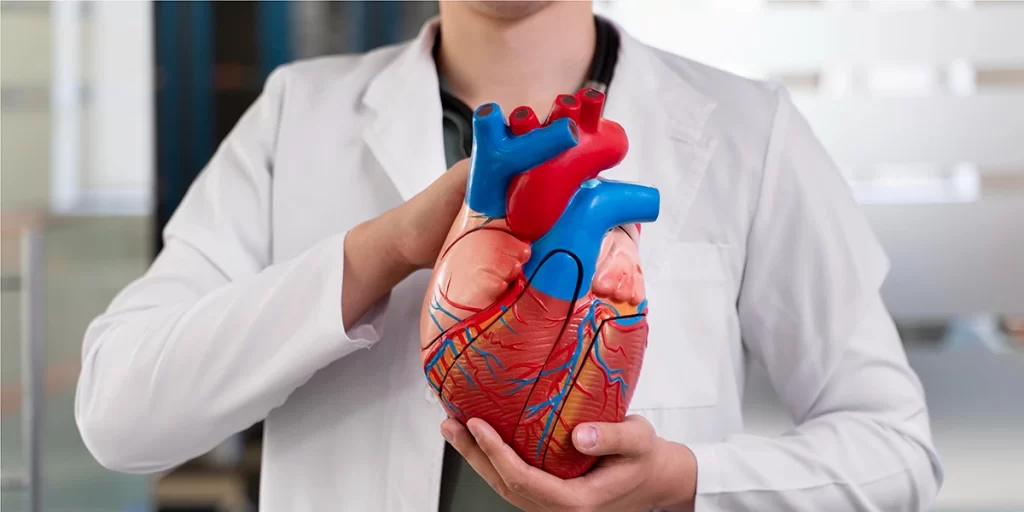
When it comes to heart emergencies, knowing the difference between a heart attack and a cardiac arrest can be the difference between saving a life and losing one. Both sound serious, and they are, but they affect the body in different ways and need different responses. Unfortunately, many people don’t know how to tell them apart or what steps to take when they occur. That confusion leads to hesitation, which is dangerous in medical emergencies. In this article, we’ll simplify the medical jargon and explain clearly what sets these two conditions apart, how to spot them, and what to do next. Being prepared brings peace of mind. Key Differences between Heart attack and cardiac arrest Feature Heart attack Cardiac arrest Meaning Heart attack occurs when blood flow to the heart is blocked in the (Coronary arteries) A cardiac arrest is a sudden non-functioning of the heart occurring due to arrhythmia or abnormal heart rhythm. Causes Blocked coronary arteries Abnormal heart rhythm (Arrhythmia) Symptoms Squeezing or tightness in the heart. Shock-like heartburn in the heart. Patient’s response Tiredness or anxiety Unable to blink, unresponsive. First Aid Aspirin as per Doctor’s advice. Give CPR or call for immediate help. Emergency care Call the Emergency helpline, CPR if needed. Call the emergency helpline, Initiate CPR and AED. Six Differences between-Heart attack & Cardiac arrest Meaning Heart Attack: A heart attack is a condition when blood flow to the heart is blocked or reduced. Heart blockage is because of the fat and cholesterol accumulation in the arteries causing discomfort in the heart. Cardiac arrest: A cardiac arrest is much different from a heart attack; it means a sudden stop of blood flow to the organ’s brain and the heart stops pumping all of a sudden. Causes: A heart attack is caused when the coronary arteries are damaged and a cardiac arrest is caused due to Arrhythmia or an abnormal heart rhythm. Symptoms: When a patient suffers from symptoms like Chest pain-Squeezing or tightness he might be facing a heart attack. A person with Severe shock-like heartburn may have a sudden cardiac arrest. It is fatal and needs immediate care. Patient’s responses Usually, a patient with a heart attack faces tiredness and anxiety. For a person with cardiac arrest, it is different and severe. He is unable to blink and speak and is unresponsive with severe heartburn. First Aid Take an Aspirin as per your Doctor’s advice for a cardiac arrest. For a cardiac arrest call for immediate help and give Cardiopulmonary resuscitation or (CPR) Emergency Care The emergency care and treatment for a heart attack and cardiac arrest are different. Doctors know what is best for a patient. In both cases, do not ignore the symptoms. Call the emergency care helpline immediately for help. For cardiac arrest CPR and AED Automated, external defibrillators are given immediately by trained Doctors and professionals. In case of a heart attack, seek immediate admission even if you are unsure of the symptoms. CPR for patients needing emergency care for severe heart attack conditions. Access 24×7 emergency care and specialized cardiac services at our Meridian hospital in Kolathur, Chennai. What is a heart attack? A heart attack happens when blood flow to the heart is blocked or reduced. Heart blockage is because of the fat and cholesterol accumulation in the arteries. Once the blood flow to the heart is blocked the person feels difficulty to breathe, and the activity of his other organs is affected. It is important to treat a heart attack without ignoring the symptoms. Symptoms of heart attack The symptoms of a heart attack are different from those of a cardiac arrest. Let’s learn. Chest pain, that feels like squeezing or ache Heartburn or indigestion Sweat, Nausea, breathing difficulty Pain in shoulder, jaw teeth, and upper belly. Causes of heart attack Heart attacks are caused due to clogging in the coronary arteries. This happens due to cholesterol deposits called plaques. Coronary artery disease causes most heart attacks. In coronary artery disease, one or more of the heart (coronary) arteries are blocked. This is usually due to cholesterol-containing deposits called plaques. Plaques can narrow the arteries, reducing blood flow to the heart. In an acute complete blockage, a medium or large artery is blocked leading to an ST elevation or myocardial infarction. These terms may be extremely new and can create paranoia among patients and families consulting the best Doctor will help in a speedy recovery. It is better to be aware but let us not unnecessarily google. Cardiac arrest is a more severe condition that can be fatal leading to death. According to the Indian Heart Association, India alone accounts for 60% of the world’s heart disease cases. 50% of Indian men suffer from heart attacks under the age of 50 years. Cardiac diseases are also common among women. What is a cardiac arrest? A cardiac arrest is more unexpected and this happens due to a sudden stop of blood flow to the organ’s heart stops pumping all of a sudden. Arrhythmia is a condition when the rhythm of the heart is slightly abnormal leading to an electrical failure of the heart sending no signals to the brain and vital organs. Cardiac arrest is a more severe condition that can be fatal leading to death. According to the Indian Heart Association, India alone accounts for 60% of the world’s heart disease cases. 50% of Indian men suffer from heart attacks under the age of 50 years. Cardiac diseases are also common among women. Symptoms of Cardiac arrest A sudden cardiac arrest is very fatal and its magnitude differs from person to person. Let’s look at the common symptoms that are experienced by patients. Sudden shocks and pain in the heart Low pulse, Breathing difficulty Pain and uneasiness in the chest Causes of Cardiac arrest The common cause of cardiac arrest is a sudden or drastic change in the pattern or rhythm of the heart, which is also called arrhythmia. However, a cardiac arrest may
Heart stroke warning signs prompt action
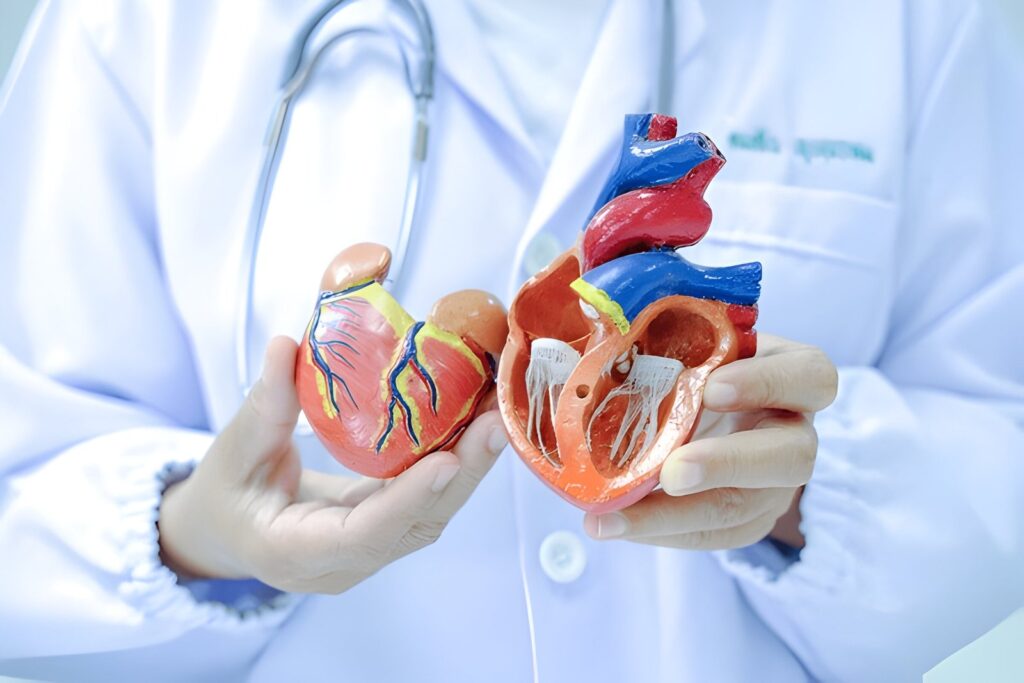
A heart stroke, often referred to as a heart attack, is a medical emergency that requires immediate attention. Recognizing the signs of a heart stroke can be the difference between life and death, as prompt action can significantly improve the chances of survival and recovery. In this blog, we’ll explore the heart stroke symptoms you should know and why seeking immediate medical attention is crucial.