Is Your Kitchen Causing Cancer? Cooking Habits That Increase Risk
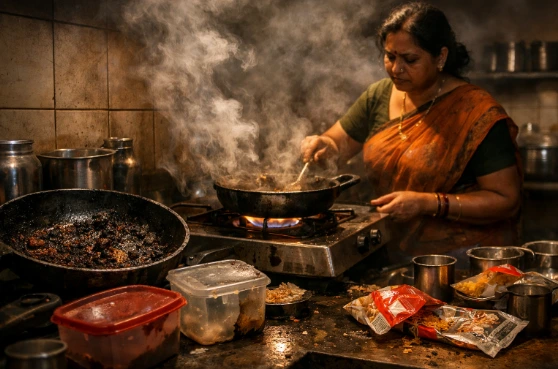
Your kitchen feels like the safest place at home. You cook there every day. You feed your family there. But some habits — small ones you barely notice — may slowly raise your cancer risk over time. This is not about fear. It is about knowing what to look for. Because most of these habits are easy to change once you know they matter. 1. Reusing Cooking Oil Again and Again After deep frying, most homes save the leftover oil. It gets strained and used the next day. And maybe the day after that. Here is the problem. Every time you heat oil to a high temperature, it breaks down. It releases harmful compounds that have been linked to digestive cancers. Sunflower oil, groundnut oil, and vanaspati are especially sensitive to this. The more times they are reheated, the more they degrade. Old, reheated oil looks the same. But chemically, it is a very different substance from what you started with. Quick Fix: Use fresh oil each time you cook. If you reuse, do it only once — and never reuse oil that looks dark, smells odd, or foams when heated. 2. Cooking on Very High Flame Until Food Burns Tamil Nadu cooking runs on high heat. A hot tawa, fast tempering, oil at smoking point in seconds. When starchy foods — dosa, roti, rice, potatoes — get charred or heavily browned at high heat, they produce a chemical called acrylamide. It forms naturally in this process. And it has been classified as a probable cancer-causing compound. Burnt dosa edges, black-bottomed rotis, over-roasted snacks — they taste fine. But they carry a chemical cost your body pays over time. Quick Fix: Keep the flame moderate. Aim for golden-brown, not dark brown or black. If food does char, scrape off the burnt layer before eating. 3. Cooking in a Kitchen With No Ventilation Many Chennai homes — older buildings, compact flats — have small or no windows in the kitchen. No chimney. No exhaust fan. Cooking smoke contains carbon monoxide, nitrogen dioxide, and fine particles. When you cook in a closed kitchen, you breathe all of this in — every single day. Research across South and Southeast Asia shows that women who cook daily in poorly ventilated spaces have significantly higher rates of lung cancer than those who cook with good airflow. Even on LPG, not just wood or kerosene. You do not need to be a smoker to breathe in something harmful. A closed kitchen with a hot stove can have a similar slow effect over years. Quick Fix: Open windows before you start cooking, not after. Run your exhaust fan every time you cook. If you do not have one, install it — it is worth far more than its cost. 4. Heating Food in Plastic Containers Reheating last night’s curry in a plastic container. Hot sambar stored in a plastic cover. Food covered with cling film is immediately after coming off the stove. Plastic doesn’t just get soft as it heats up: chemicals in the plastic — including bisphenol A (BPA), phthalates or other chemicals in its composition — may leach into your food when you heat it. Many of those chemicals can modify how your body uses hormones, and many of those chemicals have been studied for their links to breast and prostate cancer. There is such a thing as safer plastics, but if there’s a clearly safer alternative, the choice should be clear — take the safer option. Quick Tips: If you are cooking with something hot from the microwave, choose to use either glass, stainless steel or ceramic. If you cannot do so within the restriction of using only the approved plastics that are labelled for use in microwaves, then choose to reheat your food using glass only. 5. Charred and Processed Meats Grilled chicken over charcoal, seekh kebabs with dark char marks, sausages from the packet — these are weekend staples for many Chennai families. When meat is cooked over very high heat or direct flame, it produces two types of harmful compounds: heterocyclic amines and polycyclic aromatic hydrocarbons. Both are classified as probable carcinogens by major health organisations. The darker the char, the higher the concentration of these compounds on the meat’s surface. Processed meats are a separate concern. The World Health Organisation has classified them as Group 1 carcinogens — meaning there is strong evidence linking them to colorectal cancer. Quick Fix: Marinate meat before grilling — this reduces harmful compound formation. Avoid cooking directly over open flame for long periods. Treat processed meats as an occasional food, not a daily one. Small Habits. Big Difference Over Time. Indian food is not the problem. Turmeric, ginger, garlic, lentils, fresh vegetables — these are genuinely protective foods. The risks here come from specific cooking habits, not the cuisine itself. Cancer risk from kitchen habits builds slowly. Over years. Most people will never notice it happening. That is exactly why it matters to act before symptoms arrive. Here is what you can do starting today: Use fresh oil each time — or reuse only once. Open your kitchen windows before cooking. Keep the flame moderate and avoid charring food. Switch to steel or glass for storing and reheating hot food. Eat processed and charred meats less often. None of these cost much. None require a new kitchen. They just require a small shift in a habit you have probably had for years. When Should You See a Doctor? Cancer risk from kitchen habits builds over decades. But some symptoms should not be ignored: Persistent bloating or stomach discomfort Unexplained weight loss A cough that does not go away after a few weeks Changes in digestion that last longer than two or three weeks If any
Understanding Modern Cancer Treatments: Diagnosis, Therapy & Recovery
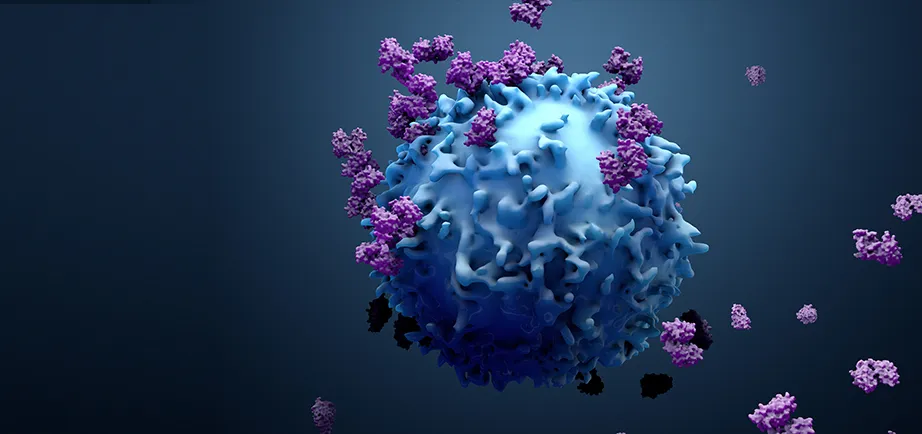
The pace of change in cancer care has been incredible over the past 10 years. Today there are Modern cancer treatments available more precise, personalized and supportive more than ever, patients and their families can benefit. These innovations are not only about treating cancer but also about enhancing quality of life, lessening side effects and helping patients recover emotionally and physically. From children to adults balancing work and family, to seniors, Modern cancer treatments can help with compassion and precision. In simple language, for families, caregivers, and patients, this guide describes how cancer is diagnosed today, the treatments available, and what getting well looks like. What Are Modern Cancer Treatments? Modern Cancer Treatments uses the latest medical technologies, along with personalized treatment plans for the individual patient. Rather than taking a one size fits all approach, treatment decisions are informed by factors such as the type of cancer, the stage, genetics, the patient’s age and general health. Key features include: Accurate Cancer diagnosis Precision-based Cancer therapy Holistic Cancer recovery Dedicated Oncology and support to the families and patients This approach is mind-body integrated, yielding better outcomes with less physical and emotional stress. Understanding Cancer Diagnosis – The First Step to Recovery An early diagnosis and high accuracy are the basis of good results with modern cancer treatments. Common symptoms among all age groups to look out for include: Loss of weight for no known reason Constantly tired or lethargic Persistent pain or swelling Modification of bowel or bladder habits, including urinary hesitancy, urgency, and urinating in small amounts. Strange lumps or bleeding Regular Cancer screening helps identify issues before symptoms worsen. Advanced Diagnostic Methods Used Today Today’s Advanced cancer diagnosis and treatment in Chennai relies on: Blood tests and tumor markers Imaging scans (CT, MRI, PET) Biopsy and molecular testing Genetic profiling for Precision oncology These tools allow doctors to plan personalized cancer treatment plans with high accuracy. Why Early Diagnosis Makes Treatment Easier With Early cancer detection, treatment is: Less aggressive More effective Associated with faster recovery Lower risk of complications Early consultation at an Oncology hospital in Chennai can be life-saving. Types of Modern cancer treatments Explained Simply Cancer Surgery Surgery is recommended when tumors can be safely removed. When surgery is required Early-stage cancers Localized tumors Diagnostic confirmation Minimally invasive techniques Laparoscopic surgery Robotic-assisted procedures These methods reduce pain, scarring, and hospital stay, supporting faster Cancer recovery. Chemotherapy in Modern Cancer Care Chemotherapy remains an important Cancer therapy, now delivered with improved safety. How modern chemotherapy is safer Targeted drug combinations Lower toxicity profiles Advanced monitoring systems Chemotherapy side effects management Anti-nausea medications Infection prevention Nutritional and hydration support Special protocols are followed for Cancer treatment for children and senior citizens. Check out blog about Chemotherapy Hair Loss. Radiation Therapy With Precision Technology Modern radiation is all about precision and safety. Radiation therapy technologies are: Image-guided radiation Intensity-modulated radiation therapy Dedicated radiation oncology floors for focused care Normal tissue is spared, and the treatment regimens are shorter and more potent. Targeted Therapy and Immunotherapy Targeted therapy selectively kills cancer cells and catastrophizes normal cells. Immunotherapy treatment boosts the body natural immune system to fight the cancer. Benefits include: Less toxicity Good tolerance with representation of all age groups. Long-term control of cancer These are the backbone in advanced cancer treatment nowadays. And check out our other blogs Understanding the 7 Different Types of Cancer Personalized Cancer Care for Every Age Group Cancer Treatment for Children Pediatric oncology focuses on gentle yet effective care. Key aspects include: Child-specific treatment protocols Growth and development monitoring Emotional support for parents This ensures Modern cancer treatments for all age groups are safe and compassionate. Cancer Care for Adults and Parents Adults often balance treatment with family and work. Support includes: Flexible treatment scheduling Cancer counseling services Stress and mental health support This holistic approach strengthens Cancer survivorship care. Cancer Treatment for Senior Citizens Elderly patients need age-sensitive planning. Focus areas: Managing existing medical conditions Medication safety Comfort-oriented care Quality of life remains central to Modern cancer treatments for seniors. Why Choose the Best oncology hospital in Chennai – Meridian Hospital The choice of hospital has a considerable influence on the likelihood of successful treatment. Expert Oncology Team Meridian Hospital Services: Oncology doctors in Chennai with experience and knowledge Medical, surgical and radiation oncologists Integrated Multidisciplinary cancer care Planning is tailored for each patient. Advanced Modern cancer treatments Facilities include: Latest imaging and diagnostic tools Evidence-based protocols Hospital features one entire floor dedicated solely to the oncology unit Dedicated radiation oncology therapy floor Access to Targeted therapy and Immunotherapy treatment This positions Meridian as the Best oncology hospital in Chennai for cancer care. Strong Oncology Support System Comprehensive Oncology support for cancer patients and families includes: Emotional counseling Nutrition during cancer treatment Pain management and Palliative oncology care Patient-Centric Care for Children, Adults, and Seniors Care environments are designed for: Child-friendly comfort Elderly safety Transparent family communication End-to-End Care From Diagnosis to Recovery Meridian provides: Seamless care coordination Regular follow-ups Cancer recovery care and follow-up treatment Long-term survivorship planning Recovery After Cancer Treatment Life After Treatment Post-treatment care focuses on: Routine tests Recurrence prevention Long-term health monitoring Consistent follow-ups support sustained cancer recovery. Physical and Emotional Healing Recovery includes: Managing fatigue Mental health counseling Emotional support for cancer patients Family involvement Nutrition and Lifestyle During Recovery Healthy recovery involves: Balanced diet plans Safe physical activity Sustainable lifestyle changes This improves immunity and overall wellness. Or you can read this blog about cancer fighting foods. Common Myths and Facts About Modern cancer treatments Myth Fact Cancer treatment is always painful Modern therapies focus on comfort and safety Chemotherapy is unsafe for elders Age-specific protocols make it safer Cancer always returns Early detection reduces recurrence risk Emotional support is optional Mental care improves treatment outcomes When to Consult an Oncology Specialist When to see an Expert if you have the following: Persistent symptoms Unexplained pain or weight loss A history of cancer in the family Prompt advice from the best Oncology hospital in Chennai brings about a better prognosis and more therapeutic possibilities. The course of the cancer patient