Lung Cancer Symptoms & Early Detection
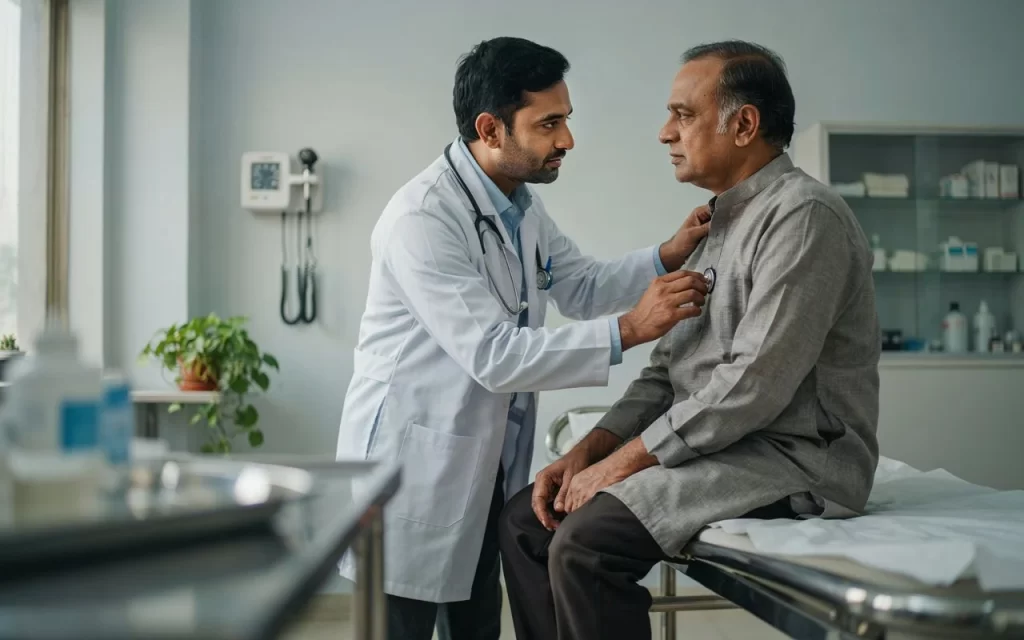
A cough that won’t quit after a few weeks? Easy to blame on Chennai’s dust, the traffic fumes, “just a bad cold that’s hanging on.” And most of the time, honestly, that’s all it is. But here’s the uncomfortable part: lung cancer is one of the cancers doctors miss most often in its early stages, mainly because the first symptoms look exactly like ordinary respiratory complaints. Not dramatic. Not obviously alarming. Just a cough, or a bit of breathlessness, that doesn’t quite go away. That overlap is exactly why it’s worth learning what actually separates “probably nothing” from “get this checked.” Why catching it early actually matters Lung cancer is sneaky in a specific way: it usually doesn’t announce itself until it’s already progressed. Breast lumps get found in a self-exam. Skin cancer shows up as a visible spot. Lung cancer, tucked away inside the chest, doesn’t give you much to notice until later. That’s part of why it tends to get diagnosed at a more advanced stage than cancers you can literally see or feel. Here’s the flip side, though. Catch it while it’s still confined to the lung, and the range of treatment options opens up considerably, and outcomes tend to be meaningfully better. That’s really the whole case for paying attention to symptoms that seem minor, rather than waiting until something feels dramatic enough to force the issue. Early signs of lung cancer worth taking seriously A cough lasting more than 3 weeks, or one that changes character, gets deeper, or just won’t quit Coughing up blood, or blood-tinged mucus, even a small streak Chest pain that gets worse when you breathe deeply, cough, or laugh Hoarseness that sticks around Losing weight without trying, without a diet change, without any obvious reason Getting winded doing things that never used to leave you breathless Repeated bouts of bronchitis or pneumonia, one after another Fatigue that doesn’t add up given how much you’re sleeping or working Most of these, on their own, mean nothing. A cough is usually just a cough. But once something on that list has stuck around for the past two or three weeks, or keeps coming back, it’s earned a proper look rather than another bottle of cough syrup. Who tends to be at higher risk? Smoking history is the obvious one. Current and former smokers carry higher risk, and it climbs with how long and how much someone smoked, though it does fall gradually after quitting. Regular exposure to secondhand smoke counts too. Then there’s occupational exposure: years around asbestos, diesel exhaust, or certain industrial chemicals adds up in ways people don’t always connect to lung health. Long-term exposure to heavy air pollution matters here as well, which is worth flagging given how dense and polluted a city like Chennai can get. A family history of lung cancer raises the baseline risk regardless of any of the above. And one thing people consistently underestimate: non-smokers aren’t off the hook. A real share of lung cancer cases show up in people who’ve never smoked a day in their life, sometimes tied to genetics, radon exposure, or environmental pollutants nobody thinks to blame. Which is exactly why the symptoms above deserve attention no matter someone’s smoking history. How doctors actually diagnose it When lung cancer is suspected, the workup usually starts simple and gets more specific from there. A chest X-ray is typically first, just to spot anything that looks like an abnormal mass or shadow. If something turns up, a low-dose CT scan gives a far more detailed picture, and it’s also the recommended screening tool for people at high risk, generally older adults with a significant smoking history. A biopsy confirms whether a suspicious area is actually cancerous and identifies the exact cell type involved. From there, a PET scan or further imaging checks whether it’s spread anywhere, which shapes whatever treatment plan comes next. What lung cancer treatment in Chennai typically looks like There’s no single playbook here; treatment gets built around the specific case. That said, most lung cancer treatment in Chennai draws from the same toolbox other major centers use: surgery to remove the tumor where possible, chemotherapy, radiation therapy handled by a radiation oncologist, and increasingly, targeted therapy or immunotherapy for tumors with the right genetic markers. Which combination makes sense depends entirely on the scans, the biopsy results, and the patient’s overall health, so it’s genuinely a case-by-case call rather than something to plan around before a full diagnostic workup. When it’s time to see someone Persistent cough. Breathlessness that snuck up on you. Any of the warning signs above, sitting there for more than two or three weeks. That’s the point where “let’s just wait and see” stops being the right call. Meridian Hospital’s Oncology team in Kolathur, Chennai runs the full pathway here, from diagnostic imaging through to treatment, for whatever a workup turns up. Got a cough or breathing trouble that won’t quit? Talk to Meridian Hospital’s Oncology department & Pulmonology, a leading cancer hospital in Chennai, and get it looked at properly. This article is for general health education and doesn’t replace a medical diagnosis. Please see a doctor for any respiratory symptom lasting beyond two to three weeks.
Best Surgical Oncology Hospital in Chennai
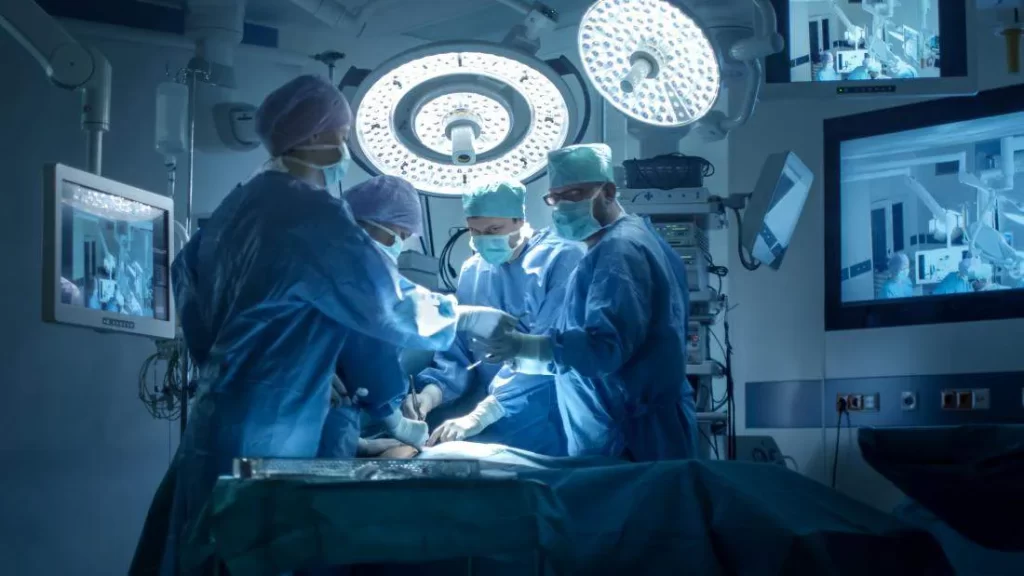
A cancer diagnosis rarely comes with warning. One day you’re waiting on test results; the next you’re trying to figure out which hospital, which surgeon, and how fast you need to move. For families in North Chennai, that search for the best surgical oncology hospital in Chennai usually starts within hours of a diagnosis — not weeks. Meridian Hospital, in Madhavaram, was built around that urgency. Fast diagnosis. Skilled surgeons. A treatment pathway that doesn’t send patients criss-crossing the city for basic care they should be getting next door. At 300 beds and NABH-accredited, Meridian pairs its surgical oncology specialists in Chennai with a 65-bed ICU and North Chennai’s only Elekta Versa HD Linear Accelerator — all under one roof. Below: what surgical oncology actually involves, why Meridian keeps showing up in the best oncologist in Chennai searches, and how surgical, radiation, and medical oncology differ from each other. What Is Surgical Oncology? Surgical oncology is, at its core, the cancer specialty that removes tumours through operation. But a surgical oncology doctor in Chennai does more than operate — they diagnose, stage the cancer, decide whether surgery should even come first, and then coordinate with radiation and medical oncology teams for whatever comes next. That’s the real difference from general surgery. A best surgical oncologist in Chennai trains specifically in cancer-safe margins, lymph node clearance, and reconstruction that preserves function where it can. Margin accuracy isn’t a technicality here — it’s what determines recurrence risk down the line. Why Families Choose Meridian for Cancer Surgery Most people searching for the best hospital for cancer treatment in Chennai are weighing three things without necessarily naming them: how fast can I get a diagnosis, how experienced is the surgeon, and what happens if something goes wrong after surgery. Meridian answers all three in practice, not just on paper. NABH accreditation means surgical protocols meet national safety benchmarks — not a formality, an actual audit trail. The 65-bed ICU backs up complex or high-risk cancer surgeries with round-the-clock critical care, which matters more than most patients realise until they need it. And because Meridian houses North Chennai’s only Elekta Versa HD Linear Accelerator, patients needing surgery plus radiation don’t have to travel to South Chennai mid-treatment — they stay in one system, with one team. A dedicated tumour board also reviews complex or borderline cases across specialities before locking in a surgical plan. It’s a small detail that changes outcomes more than people expect. This is part of why Meridian keeps coming up in best oncologists in Chennai conversations — especially among patients in Madhavaram, Perambur, Red Hills, and nearby North Chennai neighbourhoods who, until recently, had no real option but a long commute for cancer care. Types of Cancer Treated by Surgical Oncologists Meridian’s surgical oncology team handles a broad range of cases, including: Breast cancer — lumpectomy, mastectomy, and reconstruction Oral and thyroid cancers — notably common in Chennai, linked to tobacco and betel-nut use patterns in the region Gastrointestinal cancers — stomach, colon, rectal Gynaecological cancers — ovarian, cervical, uterine Soft tissue and skin cancers One thing worth knowing early: consulting a best medical oncologist in Chennai alongside the surgical team, before surgery, often improves outcomes. Some tumours simply respond better to chemotherapy first — neoadjuvant treatment, in medical terms — and shrink enough to make surgery safer or less extensive. Advanced Cancer Surgery Techniques Available Not every tumour calls for the same approach. As a surgical oncology hospital in Chennai, Meridian tailors technique to tumour type and stage: Laparoscopic and minimally invasive oncologic surgery for smaller incisions and quicker recovery Limb and organ-preserving surgery, where the tumour allows it, instead of defaulting to radical procedures Reconstructive surgery following mastectomy or oral cancer resection Coordinated radiation oncology, using the in-house Elekta Versa HD system, for patients who need it before or after surgery If you’ve been searching for a radiation oncologist near me in North Chennai, this in-house setup is exactly what removes the need for a second hospital, a second referral, a second commute. Surgical vs. Radiation vs. Medical Oncology — What’s the Difference? Type What It Does When It’s Used Surgical Oncology Physically removes the tumour through operation Localised, operable cancers Radiation Oncology Uses targeted radiation (e.g., Linear Accelerator) to destroy cancer cells Before/after surgery, or for inoperable tumours Medical Oncology Uses chemotherapy, immunotherapy, or targeted drugs Systemic treatment, metastatic cancer, combination therapy Here’s the part patients often don’t expect: most cancer cases need more than one of these, not just one. That’s exactly why Meridian’s tumour board approach — surgical, radiation, and medical oncology reviewing a case together — ends up mattering almost as much as the surgery itself. Choosing the Right Cancer Hospital in Chennai Finding the best surgical oncology hospital in Chennai isn’t only about locating a skilled surgeon. It’s about finding a hospital that can carry a patient through every stage of the cancer journey without unnecessary delays, referrals, or gaps in care. Meridian’s NABH accreditation, 65-bed ICU, in-house radiation therapy, and multidisciplinary tumour board make it a dependable option for cancer hospital in Chennai care — particularly for families across North Chennai. Frequently Asked Questions What is the difference between a surgical oncologist and a medical oncologist? A surgical oncologist removes tumours through operation. A medical oncologist manages cancer through chemotherapy, targeted therapy, or immunotherapy. Most patients need both, working together on one shared plan. How do I choose the best oncologist in Chennai for my case? Look at the surgeon’s experience with your specific cancer type, whether the hospital has ICU backup for complications, and whether a tumour board reviews cases before finalising treatment. Meridian covers all three. Is radiation oncology available near Madhavaram? Yes — Meridian Hospital in Madhavaram houses North Chennai’s only Elekta Versa HD Linear Accelerator, so patients don’t need to travel to South Chennai for radiation. What tests are usually done before cancer surgery? Typically imaging (CT/MRI/PET scans), biopsy confirmation, blood work, and cardiac fitness evaluation
Best Cancer Hospital in Chennai | Surgical & Radiation Oncology
A cancer diagnosis changes every conversation that follows it — about treatment options, about time, about which hospital to trust and why. For most patients and families, choosing the right cancer hospital in Chennai is one of the most consequential decisions they will make. Meridian Hospital in Madhavaram — on the 200 Feet Inner Ring Road, Opposite RTO Kolathur — has built an oncology department around that reality. Surgical oncology, radiation oncology, and medical oncology function as a single integrated team. Patients from across Chennai are treated through one coordinated care pathway — not three separate referrals. What separates a genuinely effective cancer hospital from an average one is not equipment alone — it is the coordination between specialists. At Meridian Hospital, every complex case is reviewed by a multidisciplinary tumour board. The decision is shared. The plan is unified. The patient is not passed between three different specialists who have never spoken to each other. Three Pillars of Cancer Care at Meridian Hospital Treatment Type What It Involves At Meridian Surgical Oncology Cancer resections, biopsies, lymph node dissection, reconstructive surgery Dedicated surgical oncologists — multidisciplinary tumour board review for every complex case Radiation Oncology External beam radiotherapy, 3D-CRT, palliative radiation Elekta Versa HD Linear Accelerator — precision targeting, minimised exposure to healthy tissue Medical Oncology Chemotherapy, targeted therapy, immunotherapy, hormonal therapy Personalised protocols based on tumour molecular profile — day-care facility for outpatient chemo Multidisciplinary Tumour Board — How Decisions Are Made Every complex cancer case at Meridian Hospital goes through a multidisciplinary tumour board before a treatment plan is finalised. Surgical, radiation, and medical oncologists review imaging, biopsy results, staging data, and patient fitness together — in the same room. The outcome is one unified treatment plan, explained directly to the patient and family with time for questions. That is what a genuinely functional cancer hospital in Chennai looks like in practice. Early Detection — Why It Changes Everything A significant share of cancer patients across Tamil Nadu present at Stage 3 or 4 — not because symptoms were ignored, but because routine screening has not become a habit. At Meridian Hospital, our oncology team prioritises targeted screening for high-risk groups: Women over 40 — breast and cervical cancer screening Strong family history of colorectal cancer — structured colonoscopy pathway Long-term heavy smokers — lung cancer surveillance protocol Chronic Hepatitis B patients — liver cancer monitoring Stage 1 or 2 detection does not just improve survival rates. It dramatically simplifies treatment and reduces the overall cost of care. Day-Care Chemotherapy at Meridian Hospital Most patients at our day-care chemotherapy facility receive their infusion and return home the same day — no routine admission per cycle required. The facility is calm, dedicated, and staffed with nursing support, anti-nausea pre-medication, and hydration management. Treatment fits around real life, not the other way around. When Cancer Care Requires Emergency or Critical Care Some oncology patients develop acute complications — infection, respiratory distress, post-surgical complications. Our 24/7 emergency department and critical care unit are both in the same building. There is no 3 AM transfer to another facility. The oncology team, emergency physician, and critical care unit communicate within the same hospital record system. Frequently Asked Questions Q: What cancers does Meridian Hospital treat? Breast, colorectal, gastric, lung, cervical, thyroid, oral, liver, and others. Complex cases are reviewed by the multidisciplinary tumour board. Contact us for a consultation about a specific diagnosis. Q: How does the multidisciplinary tumour board work? Surgical, radiation, and medical oncologists review each case together — imaging, biopsy, staging, patient fitness — and produce a unified treatment plan discussed openly with the patient and family before any decision is finalised. Q: What is the Elekta Versa HD Linear Accelerator? An advanced radiation therapy system delivering high-precision external beam radiation to tumour targets while minimising dose to surrounding healthy tissue. The same technology used in leading cancer centres globally — available at Meridian Hospital, Madhavaram. Q: Does Meridian serve cancer patients from across Chennai? Yes. Patients arrive from Kolathur, Perambur, Tiruvottiyur, Ambattur, Anna Nagar, Villivakkam, Tondiarpet, Royapuram, and across the city. Related Reading 24-Hour Emergency Hospital in Chennai — Meridian Hospital Best Heart Hospital in Chennai — Cardiac Care at Meridian Best Multispecialty Hospital in Chennai — Meridian Hospital Top Multispeciality Hospital in Chennai — Why Meridian Stands Out 📞 Call: 044 6666 9910 | 🔗 Book Appointment Online 🚨 Emergency: 044 6666 9999 | 📍 200 Feet Inner Ring Road, Madhavaram, Chennai – 600060
Mouth Cancer — More Dangerous Than You Think
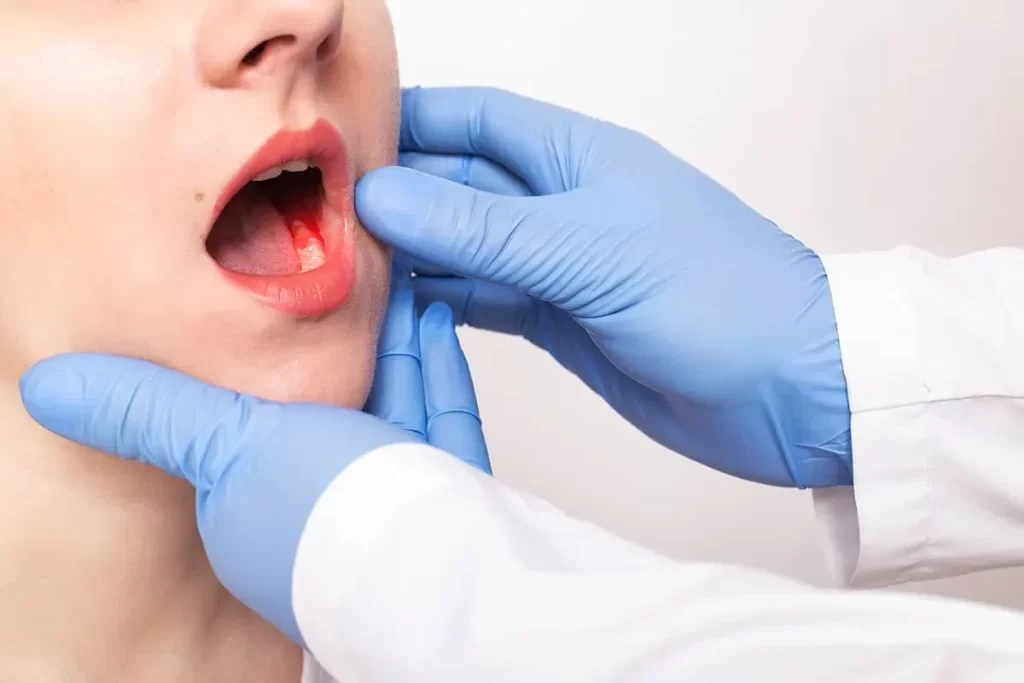
India accounts for nearly one-third of all mouth cancer cases worldwide. That number has a direct cause — and it’s not genetics, it’s not air pollution, and it’s not something mysterious. It’s paan, gutka, and areca nut. Habits that millions of Indians practise daily, often without any sense of the damage being done. Mouth cancer symptoms in India go undetected for months — sometimes years — because the early signs look nothing like cancer. A sore that won’t quite heal. A patch of white on the inner cheek. A jaw that’s getting harder to open. Each dismissed as a minor oral issue until it isn’t minor anymore. Here is what you actually need to know about these habits, the biology behind the damage, and why catching this early is the single most important factor in how the story ends. ⚡ Quick Answer: What are the early signs of mouth cancer in India? A white or red patch inside the mouth, a non-healing ulcer lasting more than two weeks, difficulty opening the jaw, unexplained bleeding, or a lump in the cheek or under the jaw — these are the key early warning signs. If anyone is using paan, gutka, or areca nut, any one of these symptoms requires a doctor’s evaluation within the week. Why These Habits Are So Much More Dangerous Than People Realise Betel nut on its own — before you even add tobacco — is classified by the World Health Organisation as a Group 1 carcinogen. That’s the same category as tobacco smoke and asbestos. Not ‘possibly harmful.’ Definitely cancer-causing in humans. Add slaked lime (chuna), which makes the mouth more alkaline and dramatically increases how efficiently carcinogens are absorbed through the lining. Then layer in tobacco, which brings nitrosamines — some of the most potent cancer-causing compounds known to medicine. The combination isn’t additive. It’s multiplicative. 🧪 The Chemical Breakdown Areca nut (supari) → WHO Group 1 carcinogen — cancer-causing in humans Slaked lime (chuna) → Increases alkalinity, accelerates carcinogen absorption Tobacco → Adds nitrosamines — potent carcinogens Combined effect → Multiplicative, not additive — the damage compounds rapidly What happens in the mouth over years of this exposure is called oral submucous fibrosis — a condition most people have never heard of, but many gutka users are walking around with. The inner lining of the mouth gradually stiffens. Opening wide becomes harder. There’s a burning sensation when eating spicy food. The tissue changes at a cellular level — and in a meaningful percentage of cases, that changed tissue becomes cancerous. The window between ‘this is manageable’ and ‘this is cancer’ is something patients usually only understand in retrospect. The Mouth Cancer Symptoms Most People Dismiss Here’s what makes oral cancer so difficult to catch early: the first signs look almost nothing like cancer. They look like a mouth ulcer that won’t quite heal. A slightly rough patch on the inside of the cheek. A jaw that feels a little stiff in the morning. These are the mouth cancer symptoms in India that get dismissed for weeks — sometimes months — before anyone thinks to get them checked: Warning Signs That Need Immediate Medical Evaluation A white or red patch inside the mouth that has been there for more than two weeks and is not getting better A sore or ulcer that heals partially and then comes back, or simply never heals Difficulty opening the mouth fully — or a jaw that has become noticeably harder to open over the past months Unexplained bleeding from the gums or tongue without dental cause A lump or thickening anywhere inside the cheek, on the tongue, or under the jaw Numbness in the lips or tongue with no clear dental explanation A hoarse or changed voice that has lasted more than three weeks ⚠️ One Rule to Remember Any one of these symptoms, in someone who uses paan, gutka, or tobacco in any form, deserves a doctor’s attention. Not next month. This week. The ‘Plain Paan is Safe’ Myth — Let’s Put That to Rest This comes up constantly. ‘I don’t use tobacco. My paan is just betel leaf, supari, and chuna. That’s fine, right?’ It isn’t. The WHO’s Group 1 classification for areca nut does not have a tobacco exemption. The nut itself — the supari — is the problem. Chuna amplifies the damage. Even without a single strand of tobacco, regular paan is a documented cause of oral cancer and oral submucous fibrosis. This isn’t about being alarmist. It’s about accuracy. Millions of people in Tamil Nadu, Andhra Pradesh, and across India use paan without tobacco and believe they are safe. The clinical evidence says otherwise. What Happens When You Finally Go to the Doctor If a doctor or dentist spots something suspicious during an examination, the next step is a biopsy — a small tissue sample taken from the area, examined under a microscope. It is a minor procedure. What it tells you is not minor at all. If cancer is confirmed, staging follows — usually with an MRI or CT scan to understand how far it has spread. The stage at diagnosis is the single biggest predictor of outcome: Stage Description 5-Year Survival Stage I Small tumour, localised to one area, no lymph node involvement 80–90% Stage II Larger tumour, still localised, no lymph node spread 70–80% Stage III Tumour spread to nearby lymph nodes, more complex surgery required 50–60% Stage IV Spread to distant lymph nodes or other structures, aggressive multi-modal treatment 30–40% The difference between Stage I and Stage III is often just a matter of months — and whether someone took an early symptom seriously. Stage 1 and Stage 2 oral cancers, treated with surgery and sometimes radiation, have survival rates above 80%. Stage 3 and Stage 4 are more complex,
Is Your Kitchen Causing Cancer? Cooking Habits That Increase Risk
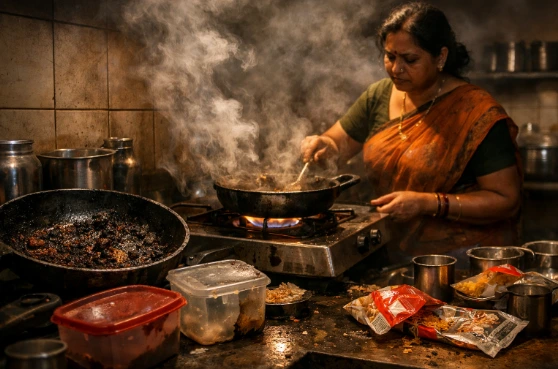
Your kitchen feels like the safest place at home. You cook there every day. You feed your family there. But some habits — small ones you barely notice — may slowly raise your cancer risk over time. This is not about fear. It is about knowing what to look for. Because most of these habits are easy to change once you know they matter. 1. Reusing Cooking Oil Again and Again After deep frying, most homes save the leftover oil. It gets strained and used the next day. And maybe the day after that. Here is the problem. Every time you heat oil to a high temperature, it breaks down. It releases harmful compounds that have been linked to digestive cancers. Sunflower oil, groundnut oil, and vanaspati are especially sensitive to this. The more times they are reheated, the more they degrade. Old, reheated oil looks the same. But chemically, it is a very different substance from what you started with. Quick Fix: Use fresh oil each time you cook. If you reuse, do it only once — and never reuse oil that looks dark, smells odd, or foams when heated. 2. Cooking on Very High Flame Until Food Burns Tamil Nadu cooking runs on high heat. A hot tawa, fast tempering, oil at smoking point in seconds. When starchy foods — dosa, roti, rice, potatoes — get charred or heavily browned at high heat, they produce a chemical called acrylamide. It forms naturally in this process. And it has been classified as a probable cancer-causing compound. Burnt dosa edges, black-bottomed rotis, over-roasted snacks — they taste fine. But they carry a chemical cost your body pays over time. Quick Fix: Keep the flame moderate. Aim for golden-brown, not dark brown or black. If food does char, scrape off the burnt layer before eating. 3. Cooking in a Kitchen With No Ventilation Many Chennai homes — older buildings, compact flats — have small or no windows in the kitchen. No chimney. No exhaust fan. Cooking smoke contains carbon monoxide, nitrogen dioxide, and fine particles. When you cook in a closed kitchen, you breathe all of this in — every single day. Research across South and Southeast Asia shows that women who cook daily in poorly ventilated spaces have significantly higher rates of lung cancer than those who cook with good airflow. Even on LPG, not just wood or kerosene. You do not need to be a smoker to breathe in something harmful. A closed kitchen with a hot stove can have a similar slow effect over years. Quick Fix: Open windows before you start cooking, not after. Run your exhaust fan every time you cook. If you do not have one, install it — it is worth far more than its cost. 4. Heating Food in Plastic Containers Reheating last night’s curry in a plastic container. Hot sambar stored in a plastic cover. Food covered with cling film is immediately after coming off the stove. Plastic doesn’t just get soft as it heats up: chemicals in the plastic — including bisphenol A (BPA), phthalates or other chemicals in its composition — may leach into your food when you heat it. Many of those chemicals can modify how your body uses hormones, and many of those chemicals have been studied for their links to breast and prostate cancer. There is such a thing as safer plastics, but if there’s a clearly safer alternative, the choice should be clear — take the safer option. Quick Tips: If you are cooking with something hot from the microwave, choose to use either glass, stainless steel or ceramic. If you cannot do so within the restriction of using only the approved plastics that are labelled for use in microwaves, then choose to reheat your food using glass only. 5. Charred and Processed Meats Grilled chicken over charcoal, seekh kebabs with dark char marks, sausages from the packet — these are weekend staples for many Chennai families. When meat is cooked over very high heat or direct flame, it produces two types of harmful compounds: heterocyclic amines and polycyclic aromatic hydrocarbons. Both are classified as probable carcinogens by major health organisations. The darker the char, the higher the concentration of these compounds on the meat’s surface. Processed meats are a separate concern. The World Health Organisation has classified them as Group 1 carcinogens — meaning there is strong evidence linking them to colorectal cancer. Quick Fix: Marinate meat before grilling — this reduces harmful compound formation. Avoid cooking directly over open flame for long periods. Treat processed meats as an occasional food, not a daily one. Small Habits. Big Difference Over Time. Indian food is not the problem. Turmeric, ginger, garlic, lentils, fresh vegetables — these are genuinely protective foods. The risks here come from specific cooking habits, not the cuisine itself. Cancer risk from kitchen habits builds slowly. Over years. Most people will never notice it happening. That is exactly why it matters to act before symptoms arrive. Here is what you can do starting today: Use fresh oil each time — or reuse only once. Open your kitchen windows before cooking. Keep the flame moderate and avoid charring food. Switch to steel or glass for storing and reheating hot food. Eat processed and charred meats less often. None of these cost much. None require a new kitchen. They just require a small shift in a habit you have probably had for years. When Should You See a Doctor? Cancer risk from kitchen habits builds over decades. But some symptoms should not be ignored: Persistent bloating or stomach discomfort Unexplained weight loss A cough that does not go away after a few weeks Changes in digestion that last longer than two or three weeks If any
Understanding Modern Cancer Treatments: Diagnosis, Therapy & Recovery
The pace of change in cancer care has been incredible over the past 10 years. Today there are Modern cancer treatments available more precise, personalized and supportive more than ever, patients and their families can benefit. These innovations are not only about treating cancer but also about enhancing quality of life, lessening side effects and helping patients recover emotionally and physically. From children to adults balancing work and family, to seniors, Modern cancer treatments can help with compassion and precision. In simple language, for families, caregivers, and patients, this guide describes how cancer is diagnosed today, the treatments available, and what getting well looks like. What Are Modern Cancer Treatments? Modern Cancer Treatments uses the latest medical technologies, along with personalized treatment plans for the individual patient. Rather than taking a one size fits all approach, treatment decisions are informed by factors such as the type of cancer, the stage, genetics, the patient’s age and general health. Key features include: Accurate Cancer diagnosis Precision-based Cancer therapy Holistic Cancer recovery Dedicated Oncology and support to the families and patients This approach is mind-body integrated, yielding better outcomes with less physical and emotional stress. Understanding Cancer Diagnosis – The First Step to Recovery An early diagnosis and high accuracy are the basis of good results with modern cancer treatments. Common symptoms among all age groups to look out for include: Loss of weight for no known reason Constantly tired or lethargic Persistent pain or swelling Modification of bowel or bladder habits, including urinary hesitancy, urgency, and urinating in small amounts. Strange lumps or bleeding Regular Cancer screening helps identify issues before symptoms worsen. Advanced Diagnostic Methods Used Today Today’s Advanced cancer diagnosis and treatment in Chennai relies on: Blood tests and tumor markers Imaging scans (CT, MRI, PET) Biopsy and molecular testing Genetic profiling for Precision oncology These tools allow doctors to plan personalized cancer treatment plans with high accuracy. Why Early Diagnosis Makes Treatment Easier With Early cancer detection, treatment is: Less aggressive More effective Associated with faster recovery Lower risk of complications Early consultation at an Oncology hospital in Chennai can be life-saving. Types of Modern cancer treatments Explained Simply Cancer Surgery Surgery is recommended when tumors can be safely removed. When surgery is required Early-stage cancers Localized tumors Diagnostic confirmation Minimally invasive techniques Laparoscopic surgery Robotic-assisted procedures These methods reduce pain, scarring, and hospital stay, supporting faster Cancer recovery. Chemotherapy in Modern Cancer Care Chemotherapy remains an important Cancer therapy, now delivered with improved safety. How modern chemotherapy is safer Targeted drug combinations Lower toxicity profiles Advanced monitoring systems Chemotherapy side effects management Anti-nausea medications Infection prevention Nutritional and hydration support Special protocols are followed for Cancer treatment for children and senior citizens. Check out blog about Chemotherapy Hair Loss. Radiation Therapy With Precision Technology Modern radiation is all about precision and safety. Radiation therapy technologies are: Image-guided radiation Intensity-modulated radiation therapy Dedicated radiation oncology floors for focused care Normal tissue is spared, and the treatment regimens are shorter and more potent. Targeted Therapy and Immunotherapy Targeted therapy selectively kills cancer cells and catastrophizes normal cells. Immunotherapy treatment boosts the body natural immune system to fight the cancer. Benefits include: Less toxicity Good tolerance with representation of all age groups. Long-term control of cancer These are the backbone in advanced cancer treatment nowadays. And check out our other blogs Understanding the 7 Different Types of Cancer Personalized Cancer Care for Every Age Group Cancer Treatment for Children Pediatric oncology focuses on gentle yet effective care. Key aspects include: Child-specific treatment protocols Growth and development monitoring Emotional support for parents This ensures Modern cancer treatments for all age groups are safe and compassionate. Cancer Care for Adults and Parents Adults often balance treatment with family and work. Support includes: Flexible treatment scheduling Cancer counseling services Stress and mental health support This holistic approach strengthens Cancer survivorship care. Cancer Treatment for Senior Citizens Elderly patients need age-sensitive planning. Focus areas: Managing existing medical conditions Medication safety Comfort-oriented care Quality of life remains central to Modern cancer treatments for seniors. Why Choose the Best oncology hospital in Chennai – Meridian Hospital The choice of hospital has a considerable influence on the likelihood of successful treatment. Expert Oncology Team Meridian Hospital Services: Oncology doctors in Chennai with experience and knowledge Medical, surgical and radiation oncologists Integrated Multidisciplinary cancer care Planning is tailored for each patient. Advanced Modern cancer treatments Facilities include: Latest imaging and diagnostic tools Evidence-based protocols Hospital features one entire floor dedicated solely to the oncology unit Dedicated radiation oncology therapy floor Access to Targeted therapy and Immunotherapy treatment This positions Meridian as the Best oncology hospital in Chennai for cancer care. Strong Oncology Support System Comprehensive Oncology support for cancer patients and families includes: Emotional counseling Nutrition during cancer treatment Pain management and Palliative oncology care Patient-Centric Care for Children, Adults, and Seniors Care environments are designed for: Child-friendly comfort Elderly safety Transparent family communication End-to-End Care From Diagnosis to Recovery Meridian provides: Seamless care coordination Regular follow-ups Cancer recovery care and follow-up treatment Long-term survivorship planning Recovery After Cancer Treatment Life After Treatment Post-treatment care focuses on: Routine tests Recurrence prevention Long-term health monitoring Consistent follow-ups support sustained cancer recovery. Physical and Emotional Healing Recovery includes: Managing fatigue Mental health counseling Emotional support for cancer patients Family involvement Nutrition and Lifestyle During Recovery Healthy recovery involves: Balanced diet plans Safe physical activity Sustainable lifestyle changes This improves immunity and overall wellness. Or you can read this blog about cancer fighting foods. Common Myths and Facts About Modern cancer treatments Myth Fact Cancer treatment is always painful Modern therapies focus on comfort and safety Chemotherapy is unsafe for elders Age-specific protocols make it safer Cancer always returns Early detection reduces recurrence risk Emotional support is optional Mental care improves treatment outcomes When to Consult an Oncology Specialist When to see an Expert if you have the following: Persistent symptoms Unexplained pain or weight loss A history of cancer in the family Prompt advice from the best Oncology hospital in Chennai brings about a better prognosis and more therapeutic possibilities. The course of the cancer patient
5 Warning Signs of Ovarian Cancer: Every Woman Should Know
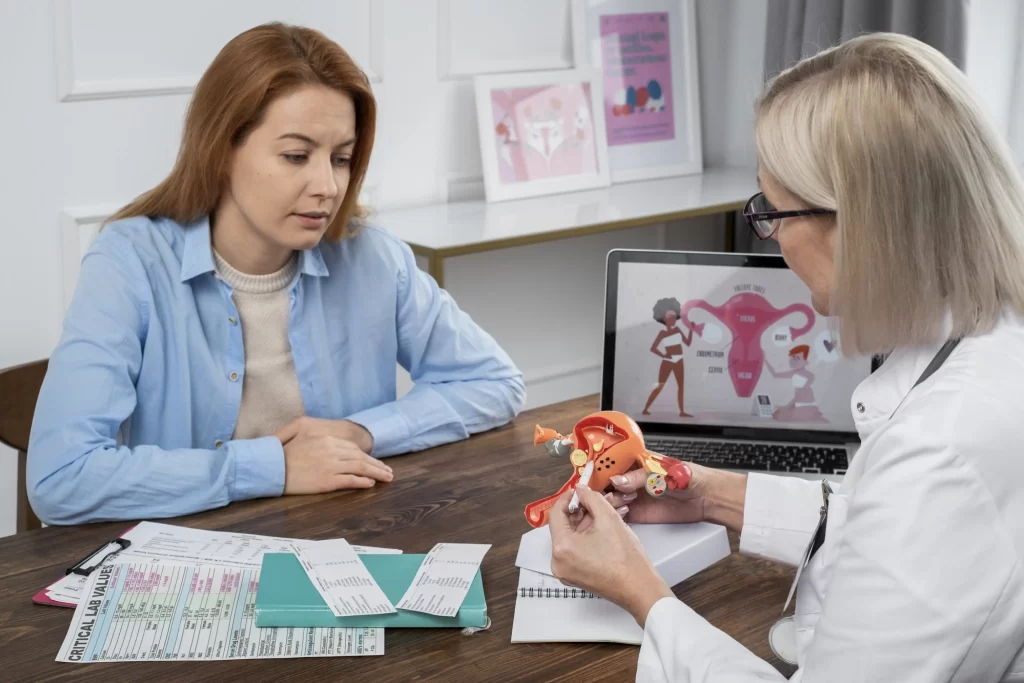
The health of a woman is subject to several changes at various stages of life. Some can be considered normal changes, and some require a little more attention. One such factor is ovarian cancer, the awareness of which can significantly benefit the situation at the initial stage. Some of the early signs are usually unnoticeable by many women. The blog will make you realize the warning signs of ovarian cancer in a clear and easy-to-understand manner, which is simple and reassuring to take timely action as per need. What is Ovarian Cancer? Ovarian cancer occurs when some cells in the ovary develop abnormally. Ovaries are two small organs that aid in hormone production and the release of eggs. Small changes in the body that can indicate ovarian cancer may not be noticeable in the early stages, hence making it important to be aware of the changes in the body. In India, ovarian cancer is the third most frequently seen cancer among women, with more than 47,000 new cases recorded in 2022. Ovarian cancer is curable, particularly when detected promptly. Frequent visits to a gynaecologist will enable them to identify changes that require notice. Why Should You Know These Warning Signs? Many women in India are identified at a later stage of the condition, and certain genetic changes, such as BRCA1 and BRCA2, play an important role, contributing to nearly 18 to 20 percent of cases. Awareness of the red flags of ovarian cancer helps women: Learn more about their bodies. Persistent notice symptoms. Seek timely medical advice Be assured of their health decisions. Early awareness is no cause to worry. It just requires staying educated, as we do with regular health care. The experts at our advanced cancer care services in Chennai advise women to report any change in them, no matter how insignificant the change appears to be. 5 Warning Signs of Ovarian Cancer The following are the five most frequent initial signs that are identified by experts. All these symptoms may be of numerous innocent causes as well. The issue is their frequency and persistence. Here are some common warning signs of ovarian cancer: 1. Persistent Bloating Incidents of bloating are highly normal, particularly following heavy meals or during menstrual periods. However, when bloating lasts a few weeks, the person does not feel well, or the bloating occurs despite eating lightly, it is something to discuss with a physician. This is because ovarian alterations could influence digestion or abdominal comfort at times. 2. Pelvic or Lower Abdominal Discomfort During periods, exercise, or stress, many women complain of mild pelvic discomfort. However, pain that persists longer or recurs without a definite cause needs to be examined. It may not always be a sign of a severe problem, but early assessment will guarantee the feeling of security and prompt treatment. 3. Feeling Full Quickly While Eating When you start to fill up quicker than usual or lose your feelings towards food even when you have not eaten much, you might attribute it to alterations in the abdomen. This symptom is usually ignored since it appears to be connected with lifestyle or with digestion. However, combined with chronic swelling in the belly, it is a significant symptom to consider. 4. Frequent Urge to Urinate When you feel the need to urinate more frequently than normal, without necessarily drinking more water, there may be pressure in the area of the bladder. This may occur because of numerous trivial causes, such as minor infections. However, in cases where the symptom persists for weeks, physicians might recommend a mild assessment to exclude the rest. And since timely checks offer clarity and comfort, many women prefer reaching out to reliable 24/7 medical support when such symptoms continue. 5. Changes in Menstrual Patterns Periodic variations described as minor are caused by stress, travelling, hormonal changes, and lifestyle. However, recurring anomalies with multiple cycles might require a more detailed examination. In case you observe any alterations like lighter and heavier flow or unpredictable cycles or any form of discomfort that is not common with you, it is worthwhile to have a conversation with a gynaecologist. Preliminary discussions are used to offer clarity. Conclusion Ovarian cancer is such a disease that early detection really counts, and knowing such danger signals would make women feel more assured and in charge of their health. The aim is not to instil fear, but to promote conscious thinking. The majority of these symptoms may be explained by average and solvable causes. The length of time and frequency of occurrence of the symptoms are what count. Our physicians at Meridian Hospitals commit themselves to delivering safe, respectful, and supportive services to women throughout their lifespan. Visiting a patient-focused multispecialty hospital in Chennai for guidance can make a real difference. Contact us for more information on how to get your treatment started. FAQ’s Are these symptoms always linked to ovarian cancer? No. Most of these symptoms can occur due to common and harmless reasons. They only need attention if they continue for several weeks. How is ovarian cancer diagnosed? Doctors may suggest pelvic examinations, ultrasound scans, or simple blood tests. These help understand the cause of symptoms and guide the next steps. Can ovarian cancer be treated? Yes. There are several effective treatments based on the stage and type. Early detection usually leads to better outcomes and smoother treatment experiences. Which age group is most at risk? Women above 40 may have a slightly higher risk, but ovarian cancer can occur at any age. Regular check-ups support long-term well-being. How can I reduce my risk? Healthy lifestyle choices, timely gynaecology check-ups, knowing your family medical history, and noticing consistent symptoms can help.
5 Cancer-Fighting Foods: What to Eat (and Avoid) During Treatment
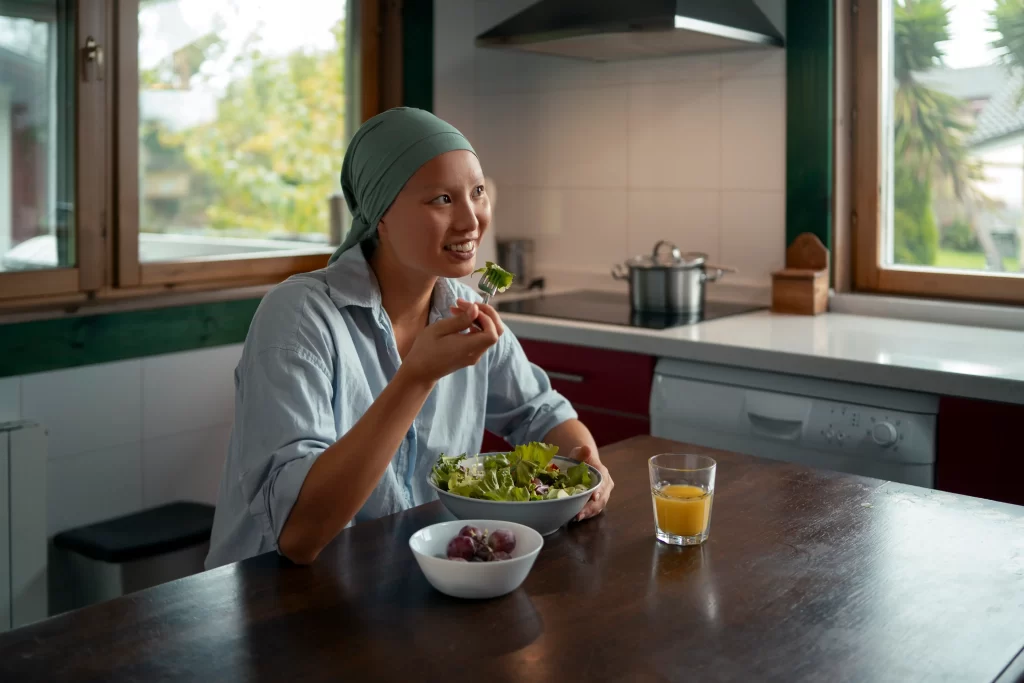
The treatment of cancer is a process that influences the body in numerous aspects. At this stage, food is a strong force that helps you remain strong and energetic and supports recovery. The concept of foods that fight cancer might seem complicated, but it simply means having the right to choose what to eat to gently nourish the body and provide it with the energy it needs. In India, there is a tendency to blend traditional home-cooked food with medical advice, and this intervention contributes to making nutrition more comforting and familiar. This blog describes what are the best cancer-fighting foods, what to avoid, and the role nutrition plays in your treatment in an easy, friendly, and comforting manner. To get more services and medical help, you may also have a look at the 24/7 Services of Meridian Hospitals. Why Does Nutrition Matter During Cancer Treatment? Proper nutrition assists your body in managing treatment, maintaining weight, and healing more easily. Some cancer treatments can sometimes impact the appetite, taste, or even the digestive system; therefore, the appropriate choice of food can make you feel livelier and more balanced. Around 9 out of 10 cancer cases happen because of lifestyle habits and environmental factors. Only a small number are due to inherited genes. Therefore, it becomes important to consume good food and lead a perfect lifestyle. Among the advantages of a balanced diet in the course of treatment, there are: Supporting immunity Improving energy levels Strengthening of muscles. Fostering digestive comfort. Assisting the body to recover. Keeping you in motion and ensuring you are fine in your care. Eating well does not imply eating more; eating well implies taking the foods that are gentle and easy to digest and nourishing. In case you wish to read general health-related information, you may read health articles of Meridian Hospitals. 5 Best Foods to Eat During Cancer Treatment In India, around 1.56 million people are expected to be diagnosed with cancer in 2024, and sadly, nearly 874,000 may lose their lives to it. All bodies react differently, so your doctor or dietician can recommend some of the foods depending on your medication. The following are some of the most useful cancer-fighting foods that promote overall strength and wellness. 1. High-Protein Foods Protein aids in repairing tissues, developing immunity, and keeping muscles strong. It is particularly relevant in cases of treatment when the body consumes a greater amount of energy and nutrients. Great Protein Sources: Lentils such as moong dal, masoor dal, and so on. Paneer, curd, buttermilk Soya chunks or tofu (provided that it fits you) Eggs (if you consume them) Peanut chikki, or roasted chana (in moderation, assuming one can digest it) Khichdi and dal, and ghee to get warm and feed. Why It Helps: Protein aids the natural healing of the body and makes you feel energized all day. When you have a small appetite, go with soft, easy meals such as dal rice, vegetable daliya, or curd rice. 2. Colorful Fruits & Vegetables Vitamins, minerals, fibre, and natural antioxidants present in fruits and vegetables contribute to strengthening the immune system and wellness. Best Options: Carrots, beetroot, and sweet potatoes. Spinach, broccoli, and lauki (bottle gourd). Papaya, banana, apples, and pomegranates. Berries (when available) Oranges, lemon water, and citrus fruits such as mosambi. Why They Help: The vivid colouration of fruits and vegetables reflects various groups of nutrients. These foods are useful in promoting digestion, hydration, and providing natural energy. Most importantly, they do not harm the stomach, and they come in handy during treatment. When the digestion is delicate, you can take well-cooked vegetables or fruit stew, which is less likely. Other Helpful Cancer-Fighting Foods Below are additional foods that can support comfort and nutrition during treatment: 3. Whole Grains for Sustained Energy Whole grains are good sources of fibre and essential nutrients that make them provide a steady amount of energy throughout the day. Examples: Oats Daliya (broken wheat) Brown rice Whole wheat chapati Whole grains such as ragi or jowar (where appropriate) Why They Help: These foods provide sustained energy, and this is significant since sometimes treatment may lead to sleepiness. They are also beneficial in ensuring a healthy digestive rhythm. 4. Healthy Fats for Strength and Balance Healthy fats make you full, aid immunity, and assist in vitamin absorption. Examples: Homemade ghee Olive oil or mustard oil Flax seeds (finely powdered) A few seeds, such as sunflower or pumpkin seeds. Why They Help: Healthy fats are particularly soothing in case you have a meager appetite. A small amount of ghee on dal or chapati can give meals nourishment, or they do not burden. 5. Comforting Hydration Foods It is important to keep hydrated, particularly in case the digestion is affected by treatment. Good Hydration Choices: Coconut water Lemon water Clear vegetable soups Curd or buttermilk Light herbal teas (only when approved by the doctor) Why They Help: Hydration foods ensure fatigue is avoided, aids in digestion, and makes you feel refreshed. Coconut water, especially, is quite relaxing and contains electrolytes. If you’re undergoing treatment, our specialised day-care chemotherapy services at Meridian Hospitals complement nutritional support for the best possible comfort and care. Foods to Limit During Cancer Treatment Depending on your course of treatment, your doctor may provide certain advice. Overall, the following foods are minimal to store: Deep-fried or oily foods Very spicy dishes Snack food or processed snacks.
Chemotherapy Hair Loss: 10 Tips for Comfort, Confidence & Care
Facing hair loss due to chemotherapy can feel overwhelming, not just physically but emotionally, too. It is said that when a person realizes a strand of hair is falling, it is when the reality of the treatment sinks in. The hair loss caused by chemotherapy does not affect all people in the same way, and the experience may lead to loss of confidence, lifestyle, and self-esteem. However, the good news is this: By knowing what is going on and how to take good care of yourself, the process becomes much more comfortable. This blog takes you through the reasons why hair loss occurs, what to expect, and 10 tips that would help you feel better and loved during the treatment. You need to be clear, comfortable, and reassured in this process. What is Chemotherapy? Chemotherapy refers to the form of medical therapy that involves the use of potent drugs, which kill the rapidly multiplying cancerous cells. These drugs are transported by the blood, and this makes them effective against cancers that have spread to other areas. But while targeting cancer, chemotherapy also affects healthy fast-dividing cells, which is why hair loss during chemo is such a common side effect. Hair follicles respond quickly to treatment, leading to changes in growth patterns and triggering the typical chemo hair loss cycle. Why Does Chemotherapy Cause Hair Loss? Hair loss during chemo is one of the most common and visible side effects, and it happens for a very specific reason. You must know how chemotherapy works with the fast-dividing cells in order to understand it. Why it happen: Chemotherapy is applied to cancer cells that are growing fast, yet the hair follicles can also divide rapidly; hence, they become targeted. The medications disrupt the hair growth cycle, causing the follicles to enter the shedding stage. Certain chemotherapy drugs are more punitive to the follicles, causing extensive loss of hair on the scalp, eyebrows, or the body. Chemo hair loss stages differ even in different patients, as sensitivity is different among people. Chemo causes temporary hair loss, and when the treatment is slowed or discontinued, follicles tend to resume the growth process. 10 Most Effective Tips to Manage Chemotherapy Hair Loss Chemo may have an immediate effect on hair loss that is emotionally depleting, but it is possible to feel comfortable and self-assured in the process with some practical approaches. These are tips that are meant to prevent your scalp from coping with changes, and still feel in control as you pass through various stages of chemo hair loss. 1. Switch to Gentle Hair Care Early Start adjusting your routine before significant hair loss during chemo begins. Wear light and fragrance-free shampoos and do not use harsh chemicals, ironing, and tight hairstyles. This dissolves the pressure that the follicles may already have due to the treatment. While you can’t completely prevent hair loss during chemotherapy, being gentle slows breakage and soothes irritation. This will ensure your scalp remains healthy and will help you towards an easy time with your hair after chemotherapy. 2. Keep Your Scalp Moisturized and Protected As the hair loss continues under the influence of the chemotherapy, a dry or sensitive scalp is usual. Light and non-greasy moisturizers or natural oils can be used to treat itch and flaking. Do not allow your head to be exposed to the sun when going outside, as the follicles are more sensitive at this age. This simple habit can improve comfort, support healthier regrowth later, and is one of the most natural ways to prevent hair loss during chemotherapy’s harsher phases. 3. Consider Shortening Your Hair Before Treatment The change can be made less stressful by trimming your hair prior to the heavy shedding period. Many patients say it helps them feel more in control during chemo hair loss stages. Less length of hair means fewer tangles and clumped hair, which is easier to maintain on a daily basis. Although it will not prevent hair loss during chemo, it will allow you to deal with the emotional impact and make scalp care easier in response to the treatment advancement. 4. Explore Cooling Caps as a Prevention Option Cooling caps can lower scalp temperature during treatment, which may reduce the amount of hair loss during chemo for some patients. They constrict blood vessels, which reduces the amount of medication that gets to the follicles. They are not guaranteed and do not apply to all drugs, but they are among the few that people may resort to when in need of the treatment of chemo without losing hair. Have your oncologist always answer you on the use of cooling caps and how safe they are in your treatment plan. 5. Be Consistent With Scalp Cooling and Mild Hair Care If you’re trying to figure out how to reduce hair during chemo, consistency matters more than anything else. Gentle brushing, avoiding heat, and keeping the scalp clean help reduce irritation as chemo hair loss progresses. You can’t fully stop hair loss during chemo, but steady care slows shedding and keeps follicles healthier for later. This is also a routine that aids easier regrowth after hair growth chemotherapy sets in after the treatment. 6. Use Soft Headwear for Comfort and Confidence As chemo hair loss stages advance, the scalp becomes more sensitive. Soft caps, cotton scarves, or breathable wigs shield the skin and provide some form of comfort during the chemotherapy hair loss period. They will also make you feel better dressed when engaging in daily tasks. Heads serve not only to cover the head but also to provide emotional support to many patients because at this stage, they ask themselves: Does hair grow back after chemotherapy? and the answer is mostly yes. 7. Prioritize Nutrition That Supports Hair Follicles A balanced diet won’t stop chemotherapy from causing hair loss, but it strengthens your body for recovery. Protein, omega-3 fatty acids, iron, zinc, and vitamins are useful to repair the follicles when the treatment slows down. It
7 Common Myths About Chemotherapy
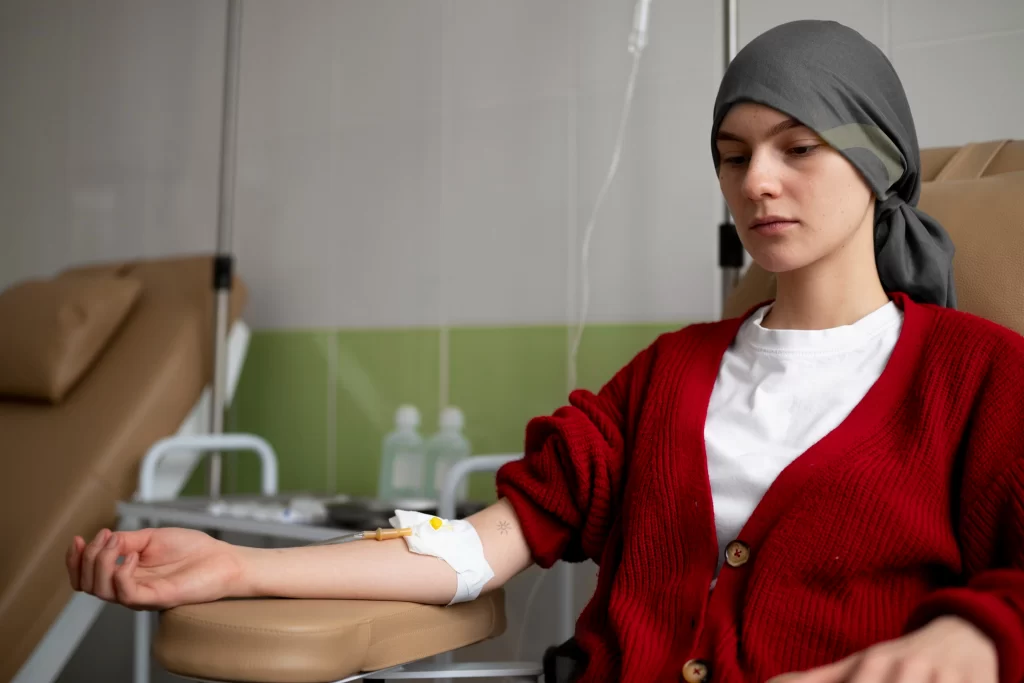
Chemotherapy is one of the most widely used treatments for cancer, yet it comes with a spate of confusion and fear. The common myths about Chemotherapy make patients unnecessarily anxious. There is still a widespread belief that chemo is either always unpleasant, consistent, and always harsh or that it will definitely result in serious side effects such as extreme pain or loss of all hair. As a matter of fact, contemporary oncology has developed. Treatment is tailorable, side effects are usually controllable, and supportive care is now good enough that patients nowadays can do some of their normal life, and even travel between chemo sessions with clearance by their physician. Outdated information, rumors, and myths on the internet are usually misleading. Such questions as “Is chemotherapy painful?”, “Does chemotherapy cause hair loss?” Usher people to think the worst, rather than to obtain the correct directives from qualified personnel. A better understanding can assist the patients in being better prepared, both emotionally and physically, towards their treatment process. Understanding Chemotherapy: What It Actually Does The mechanism of Chemotherapy is aimed at the destruction of actively dividing cancer cells, and many individuals do not understand the mechanism of action and think that it will cause more damage to the body than benefit. In practice, the latest chemotherapy regimes are much more sophisticated, and oncologists can tailor dosage, combinations, and supportive medications to individual patient requirements. That is why such questions as, Is chemotherapy painful? Or does Chemotherapy cause hair loss? There is no universal answer. The experience is dependent on factors such as the type of drug, schedule, and general health. Clear information helps separate facts from fear and reduces the common myths about chemotherapy that mislead patients. 7 Common Myths About Chemotherapy Most patients enter treatment with fears that have been influenced by old tales, vague counseling, and presumptions. Current chemotherapy is extremely different from what the majority thinks, but the wrong assumption prevails. The common myths about chemotherapy usually include: Myth 1: Chemotherapy is Extremely Painful The myth that chemotherapy is painful is a result of the sheer lack of knowledge. Infusion is not generally painful; what people are afraid of is possible side effects, which depend on the type of drug and the dosage. Modern supportive medications alleviate symptoms to a great extent. The patients themselves report that the session itself can be handled, but they may feel fatigued or show some mild reactions afterwards. Rather than suspecting the worst, patients are advised to speak to their oncologist about certain medications because not all chemo involves pain. If you are still wondering if chemotherapy is painful? This knowledge can be used to lessen the fear. Myth 2: Chemotherapy Causes Hair Loss Not all chemotherapy causes hair loss, but this myth somehow refuses to die. The hair loss is dependent on the drug in question, the dosage strength, and the treatment regimen. Other patients become thin, some become bald, and many do not lose any hair. Scalp treatments and cooling caps are sometimes rumored to decrease hair loss, and are discussed as an option for preventing hair loss in chemotherapy. The fear is due to the fact that people believe that “does chemotherapy cause hair loss” will always result in yes, when the answer is much more complex. Myth 3: Intravenous Chemotherapy Is the Only Option Commonly, people tend to think of chemotherapy as a long IV drip sitting in a hospital chair, but that is not the case anymore. Types of chemo include oral pills, injections, topicals, and targeted therapy based on the type of cancer and treatment regimen. Oral chemotherapy is an option where many patients nowadays administer it under medical guidance at home, which is more flexible and comfortable. The assumption that IV infusion is the only path is just one more unnecessary fear that contributes to the perception of treatment as something more aggressive than it is in reality. Oncologists are not guided by what sounds most dramatic as the mode of delivery, but by what works best. Myth 4: Chemotherapy Makes You Infertile This is a terrifying myth that frightens the minds of many young patients and makes them feel that they have no possibility of having a family in the future. Although there are chemotherapy agents that may have an impact on fertility, this is not a definite result. The effects vary according to the type of drug, dosage, and the age of a patient. Before treatment commences, oncologists might actively talk about fertility preservation, such as sperm banking or egg freezing, with the patient. After recovery, many patients regain fertility, and many cancer patients go ahead and conceive naturally. Blatantly assuming that chemo automatically sterilizes is false and leads to people not being able to make informed decisions. Myth 5: Chemotherapy Is Only for Terminal Cancer One of the most common myths about chemotherapy is the belief that it is only used in late-stage or terminal conditions. As a matter of fact, chemotherapy applies to all stages to achieve a particular objective, such as the reduction of tumors before surgery, to kill cancer cells, to manage long-term illness, or even to enhance survival rates. Numerous stage one cancers are very receptive to chemo and have outstanding results. It is a factual error and causes unnecessary emotional pain to tie chemotherapy to end-of-life treatment. Myth 6: Chemotherapy Works the Same for Everyone A lot of people think that chemotherapy will have the same impact on all people, and that is utterly false. Chemo is personalized to the type of cancer, the stage of the cancer, and the tolerance of the patient. Two patients under the same treatment can experience the world differently, as there can be significant differences due to various factors such as immunity, metabolism, and health in general. There are various types of chemotherapy and the side effects are also diverse; one individual will feel tired, and another will feel active. Thinking everybody will respond the same is just going to