Top Multispeciality Hospital in Chennai | Meridian Hospital

Every hospital in Chennai claims to be the best. Fewer can explain exactly why — with specifics about accreditation standards, technology, specialist availability, and what is actually running at 3 AM on a public holiday. Meridian Hospital in Kolathur is a top multispeciality hospital in Chennai with a clear purpose: give patients across the city access to specialist-level care without crossing the city to get it. NABH accredited, 300 beds, Elekta Versa HD Linear Accelerator for oncology, 65-bed ICU, and 15+ permanent departments — all at one address on the 200 Feet Inner Ring Road. Visit the Meridian Hospital website for the full overview. The difference between a top-tier hospital and an average one is measurable. It shows up in accreditation scores, in specialist availability after hours, in the quality of diagnostics, and in the outcomes patients achieve. For patients in North and Central Chennai who previously travelled to South Chennai for specialist care, Meridian Hospital represents a genuine alternative — not a compromise. What Separates a Top-Rated Hospital From an Average One Criteria Why It Matters Meridian Hospital NABH Accreditation Independent quality certification — not a self-declared claim ✅ NABH Accredited Permanent Specialists Full-time doctors across all departments, not rotating visitors ✅ 15+ permanent specialist teams Advanced Technology Surgical and oncology equipment at par with top-tier centres ✅ Elekta Versa HD + modular OTs 24/7 Emergency Physician physically on-site every shift — not on call from home ✅ Full emergency team on-site ICU Depth Separate adult ICU, cardiac CCU, neonatal NICU ✅ 65-bed ICU + CCU + NICU Integrated Care All specialists co-located — shared records, faster decisions ✅ All departments in one building Cashless Insurance Coverage confirmed before admission ✅ Available Specialist Departments — With Full Detail Pages Each major department at Meridian Hospital has a dedicated blog page with service details, treatment philosophy, and FAQs: Best Heart Hospital in Chennai — Cardiac Care & Interventional Cardiology Orthopaedic Hospital in Chennai — Bone, Joint & Spine Care 24-Hour Emergency Hospital in Chennai — Trauma & Emergency Medicine Cancer Hospital in Chennai — Surgical, Medical & Radiation Oncology Full Department List Specialty Key Services Cardiology Interventional cardiology, angiogram, cardiac ICU, 24/7 cardiac emergency Oncology Surgical + radiation + medical oncology on a dedicated oncology floor, Elekta Versa HD Linear Accelerator + Brachytherapy, multidisciplinary tumour board, day-care chemo Orthopaedics Joint replacement, spine surgery, fractures, sports injuries, in-house physio Emergency & Trauma 24/7 — polytrauma, cardiac, paediatric, ambulance coordination Nephrology CKD, dialysis, renal failure management Neurology & Neurosurgery Stroke, epilepsy, brain tumour, spine surgery Paediatrics & Neonatology NICU, child health, paediatric emergency Obstetrics & Gynaecology Pregnancy, delivery, gynaecological surgery Gastroenterology Endoscopy, liver care, GI surgery Pulmonology Asthma, COPD, sleep apnoea, bronchoscopy Diabetology & Endocrinology Diabetes management, thyroid, metabolic disorders Radiology MRI, CT, X-ray, ultrasound, 2D Echo — 24/7 in-house Dermatology Skin disease, wound care, hair loss Dental & OMFS Dental surgery, oral cancer, maxillofacial trauma Vascular Surgery Varicose veins, arterial disease, bypass Serving All of Chennai — One Location, Full Coverage Meridian Hospital’s address — 200 Feet Inner Ring Road, Kolathur, Chennai – 600099 — places it within 20–30 minutes of most of the city. Patients from Anna Nagar, Ambattur, Villivakkam, Perambur, Tondiarpet, Royapuram, and Avadi regularly choose Meridian for oncology, cardiac care, and orthopaedic surgery. For a breakdown of travel times from specific areas, see our Multispecialty Hospital Near Me Chennai page. Frequently Asked Questions Q: Why is Meridian Hospital considered a top multispeciality hospital in Chennai? NABH accreditation, 15+ permanent specialist departments, Elekta Versa HD Linear Accelerator for radiation oncology, 65-bed ICU, 24/7 emergency with on-site physicians, and accessibility from across Chennai. Q: Does Meridian have the same technology as large Chennai hospital chains? Yes for key specialties. The Elekta Versa HD Linear Accelerator is the same system used in top cancer centres globally. Q: Is there 24/7 emergency cover at Meridian Hospital? Yes. Full details on the emergency setup — what is on-site at 3 AM, when to come in, and what trauma capability is available — on our 24-Hour Emergency Hospital page. Q: What health checkup packages are available? Cardiac packages, master health checkups, women’s health panels, and diabetes screening — starting from ₹1,699. See health checkup packages or call 044 6666 9910. Related Reading Best Multispecialty Hospital in Chennai — Full Specialty Overview Multispecialty Hospital Near Me in Chennai — Travel Times & Checklist 24-Hour Emergency Hospital in Chennai — Meridian Hospital Best Heart Hospital in Chennai — Cardiac Care at Meridian 📞 Call: 044 6666 9910 | 🔗 Book Appointment Online 🚨 Emergency: 044 6666 9999 | 📍 200 Feet Inner Ring Road, Kolathur, Chennai – 600099
Dehydration Symptoms You’re Ignoring This Summer

When Chennai crosses 40 degrees, dehydration symptoms in summer India don’t arrive with fanfare. No dramatic collapse, no obvious warning. They show up as a dull headache, a dry mouth, legs that feel heavy for no clear reason — and most people file all of that under ‘just the heat’ and carry on. That’s the problem. By the time you feel thirsty, your body fluid levels have already dropped enough to affect how you think and function. Thirst is a late signal, not an early one. Here’s what your body is actually trying to tell you — and what most people consistently get wrong about staying hydrated through an Indian summer. ⚡ Quick Answer: What are the first signs of dehydration in summer? Dark urine, a dry mouth, a low-grade headache, and muscle cramps are the first real signs of dehydration — most of which appear before you even feel thirsty. In Chennai’s summer heat, these symptoms can escalate to dizziness, confusion, and heat stroke within hours if ignored. Your Body Gives You Warnings. Most People Ignore Them. Here’s something that surprises a lot of patients: thirst is not an early warning sign. By the time your brain tells you to reach for water, your body fluid levels have already dropped enough to affect how you feel and function. The earlier signals? They’re quieter. Easier to dismiss. Dark urine is usually the first one — that deep yellow or amber colour means your kidneys are conserving water because there isn’t enough to go around. A dull headache that shows up around noon, especially if you’ve been outdoors or sitting in a warm room, is another. Muscle cramps in the legs — particularly in the evenings — are something people constantly blame on ‘too much walking’ when it’s often just dehydration. Brain fog counts too. That fuzzy, unfocused feeling where you re-read the same message three times — that can be dehydration, not distraction. Early Dehydration Signs to Watch For Dark yellow or amber urine — first and most reliable indicator Dry mouth and sticky saliva Low-grade headache, especially around midday Leg muscle cramps in the evenings Brain fog and difficulty concentrating Feeling unusually tired without exertion When ‘Just Tired’ Becomes a Medical Problem Moderate to severe dehydration feels different. There’s a shift that happens — from ‘I should drink some water’ to ‘something is actually wrong here.’ Watch out for dizziness when you stand up quickly. A heart that’s beating faster than normal for no obvious reason. Going six or more hours without needing the bathroom. Eyes that look sunken when you check the mirror. A feeling of faintness that doesn’t pass when you sit down. ⚠️ When to Go to Hospital Immediately Repeated vomiting and inability to keep fluids down • Confusion or disorientation • Fainting or near-fainting • No urination for 6+ hours • Skin that stays ‘tented’ when pinched — these are signs of moderate to severe dehydration requiring IV fluids, not home ORS. These signs of dehydration in adults mean the body is struggling, not just asking. And in Chennai’s summer climate — especially for anyone over 60, under five, managing diabetes, or working outdoors — that struggle can escalate into heat exhaustion or heat stroke faster than most people expect. Heat Stroke Is Not the Same as Dehydration Heat stroke is when the body’s temperature regulation fails entirely — core temperature climbs above 40°C, sweating stops, and confusion sets in. That’s a medical emergency. Someone who collapses and stops sweating in this heat needs a hospital, not a glass of water and a rest. Dehydration Heat Stroke Cause Fluid loss exceeds intake Body’s cooling system fails Core temp Normal or mildly elevated Above 40°C — dangerous Sweating Excessive sweating present Sweating stops — red flag Alertness Mildly affected, foggy Confusion, disorientation Treatment ORS for mild / IV fluids if severe Emergency hospital care only The Chennai-Specific Problem Nobody Talks About South Indian eating habits — as delicious as they are — don’t always help with hydration. Heavy spice loads and salt in everyday cooking increase fluid loss through sweat. Three cups of strong filter coffee before noon? Caffeine is mildly diuretic. Alcohol the night before a hot day? Your body is already running a deficit before you’ve stepped outside. And here’s the thing about buttermilk, tender coconut, and fresh lime — yes, they’re great. They contain electrolytes your body actually needs in the heat. But they don’t replace plain water. They supplement it. The 3–4 litres your body needs on a hot April day has to mostly come from water itself. Common Summer Dehydration Triggers in Chennai Excessive filter coffee or tea in the morning — caffeine increases urine output High-salt, high-spice meals that increase sweat loss without fluid replacement Alcohol the previous evening depletes body fluid reserves overnight Outdoor work or travel between 11 am – 3 pm in peak summer Inadequate fluid intake in air-conditioned offices — you don’t feel thirsty, but you’re still losing water Children and elderly family members are particularly vulnerable — they feel thirst later than adults What Actually Helps — And What Doesn’t Sports drinks are marketed heavily as the solution to dehydration. For most people going about a normal day in Chennai — not running a marathon — plain water and a sachet of ORS does the job better and cheaper. Start the morning with two glasses of water before anything else. Before the coffee, before checking the phone. Carry a bottle when you go out — not in the bag, in your hand where you’ll actually use it. Eat your watermelon, your cucumber, your musk melon. And if someone in your house — especially a child or elderly parent
MRI vs CT Scan — Which One Does Your Doctor Actually Need?
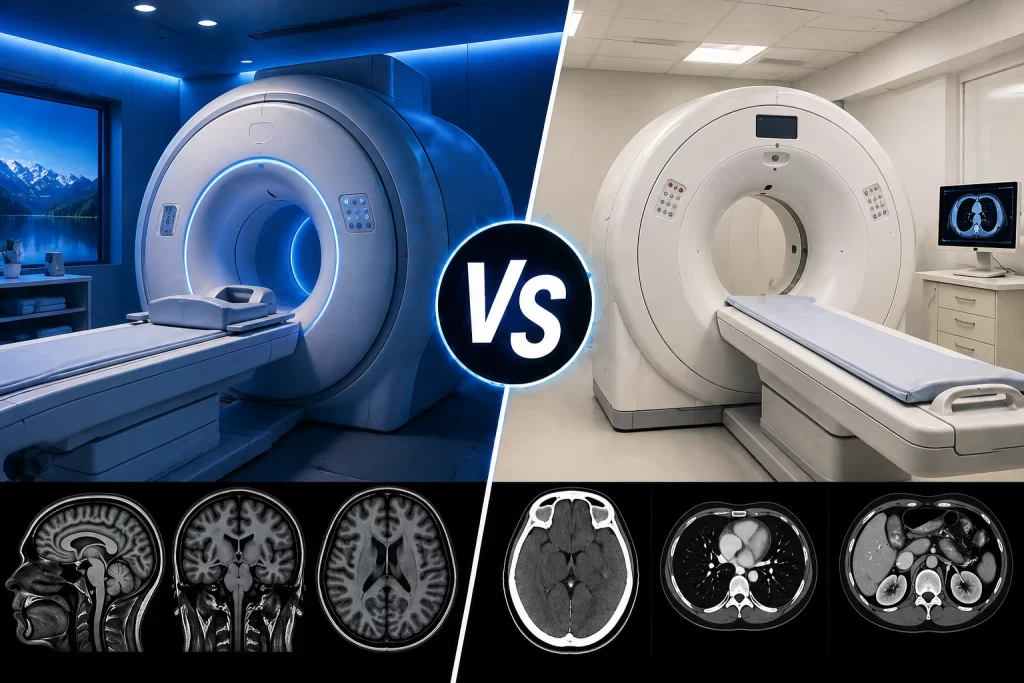
Your doctor has ordered a scan, and now you’re staring at the request slip unsure what to do next. Is radiation involved? Is one scan safer? Can you ask for something different? These are fair questions. The right scan leads to the right diagnosis. The wrong one can delay treatment or expose you to avoidable risk. Understanding the MRI vs CT scan difference in India doesn’t make you a difficult patient — it makes you a smarter one. At Meridian Hospital, Kolathur, our Radiology & Imaging team handles both scans daily. Here’s a plain-language breakdown of everything that matters. They Use Completely Different Technology Most people assume MRI and CT are just different strengths of the same machine. They are not. Each runs on an entirely different principle. CT Scan — Speed and Bone Clarity A CT scan uses X-rays. The machine rotates around your body, picks up images from multiple angles at once, and software builds those into cross-sectional slices. The whole scan typically takes five to ten minutes. It is excellent at imaging dense structures — bones, lung tissue, and solid abdominal organs. Because it is fast, CT is the standard first choice in emergencies. MRI — Soft Tissue and Zero Radiation An MRI uses a powerful magnetic field and radio waves — no radiation at all. It detects how water molecules in your body respond when placed inside that field. Since different tissues carry different amounts of water, the result is exceptional contrast in soft tissue. The brain, spinal cord, nerves, ligaments, and cartilage all show up with a clarity CT simply cannot match. The trade-off is time — an MRI typically takes 30 to 60 minutes, sometimes longer. 🏥 Explore Our Imaging Services at Meridian Hospital → Radiology & Imaging — Meridian Hospital Specialities → Meet Our Specialist Doctors → Book a Scan Appointment Online Which Scan Is Used for Which Condition? The simplest rule: bone or emergency situations call for CT. Nerves, brain, joints, or soft tissue call for MRI. Here is a specific breakdown: Condition Scan Why Back pain, disc or nerve compression MRI Unmatched detail of discs and nerve roots Head injury or suspected brain bleed CT First Speed is critical — diagnosis cannot wait Brain tumour, stroke, or MS MRI Superior contrast for soft brain tissue Chest pain or suspected blood clot CT Standard thoracic imaging protocol Knee, shoulder, or ligament injury MRI Only scan that clearly shows cartilage and tendons Bone fracture assessment CT Sharper resolution for hard structures The Radiation Question — Answered Honestly Yes, CT scans involve ionising radiation. A single scan carries a small but real dose. For most adults who genuinely need the test, this risk is clinically acceptable. Radiation accumulates though — someone who has had ten CT scans over the years carries a meaningfully higher total exposure than someone who has had one. MRI has zero radiation. This is exactly why MRI is always preferred for children, pregnant women after the first trimester, and patients who need repeated imaging over time — people being monitored for cancer, or managing a spinal condition requiring regular check-ups. If your doctor has ordered a CT, there is a clinical reason. If the radiation concerns you, ask whether MRI would answer the same diagnostic question. At Meridian Hospital, our specialist doctors are always available to walk you through the rationale before you proceed. What to Expect During Each Scan CT Scan Experience Straightforward. You lie on a flat table that slides through a ring-shaped machine. You may be asked to hold your breath briefly. If contrast dye is needed, it is injected through a vein — you may notice a brief warmth or a faint metallic taste, both of which pass quickly. The whole thing wraps up in under fifteen minutes. MRI Scan Experience A bit different. The machine is loud — a series of clanging and thumping sounds throughout the scan. You will be given earplugs. You will lie inside a narrow tube for anywhere from 30 minutes to over an hour. Some patients find this claustrophobic. If you know you are anxious in enclosed spaces, let the booking team know in advance. Mild sedation can usually be arranged. Before entering the MRI room, always tell the radiologist about any metal in your body. Pacemakers, surgical implants, metal clips, or fragments are serious contraindications. This is non-negotiable. 💡 Useful Links for Meridian Hospital Patients → Book an Appointment — Online or Call → 24/7 Emergency Services at Meridian Hospital → Tele-Consultation — See a Doctor from Home → Health Check Packages (MHC) — Meridian Hospital Why Choose Meridian Hospital for Imaging in Chennai? At Meridian Hospital, Kolathur, we have modern radiology infrastructure backed by experienced radiologists. Whether it’s a routine MRI or an urgent CT, our team ensures accurate results and clear communication every step of the way. Explore our full range of specialities or check our health check packages for comprehensive preventive care. Need an MRI or CT Scan in Chennai? Meridian Hospital, Kolathur offers modern imaging equipment and experienced radiologists. 📅 Book Your Scan Appointment 🩺 Meet Our Specialist Doctors 📞 Contact Us | 044 6666 9999 meridianhospitals.in | #46D, Jawaharlal Nehru Road, Kolathur, Chennai – 600 099 The Right Scan Makes All the Difference MRI and CT are not competing technologies. They are complementary tools designed for different clinical needs. Knowing the difference helps you ask the right questions and trust the diagnostic process. At Meridian Hospital, Chennai, your imaging is handled by specialists who choose the right scan for the right reason — every single time. Frequently Asked Questions Is MRI more accurate than CT scan? For soft tissue — the brain, spinal cord, joints, and nerves — MRI is significantly more accurate. For bone injuries or emergency situations, CT is equally effective and faster. The honest answer is that neither is universally better. The right scan for your condition is the accurate one. Does CT scan
Multispeciality Hospital Near Perambur, Villivakkam & Madhavaram
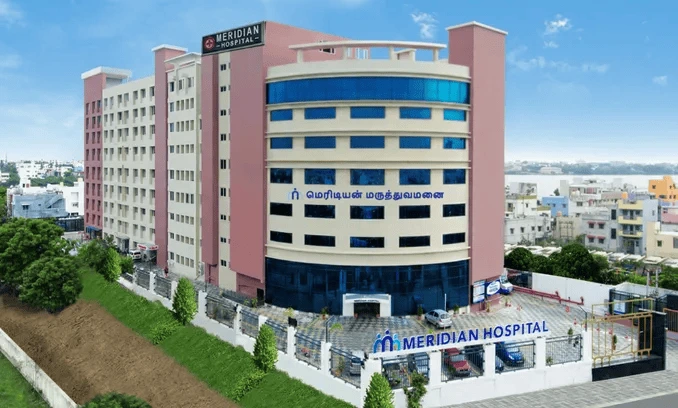
One Hospital. Every Specialist. Why Serious Health Conditions Need a Multispeciality Hospital in Chennai Meridian Hospital in Kolathur, Chennai is a 300-bed multispeciality hospital with a dedicated oncology floor, LINAC and brachytherapy, cardiology and cardiovascular surgery, orthopaedics, sports medicine, paediatrics, neonatology, nephrology, gastroenterology, neurology, general medicine, and a fully staffed 24/7 emergency department — all in one facility in North Chennai. Meridian Hospital — At a Glance Feature Detail Location Kolathur, Chennai, Tamil Nadu Bed Strength 300 Beds Oncology Technology LINAC (Linear Accelerator) + Brachytherapy Oncology Setup Dedicated Oncology Floor Emergency 24/7 — Physician on duty every hour Key Departments Cardiology, Oncology, Orthopaedics, Paediatrics, Nephrology, Gastroenterology, Neurology, General Medicine, Emergency Serving Kolathur, Perambur, Madhavaram, Anna Nagar East, Redhills, Villivakkam Majority of people only consider hospitals when something goes wrong. And when anything does go wrong – a heart attack, a diagnosis of cancer, a child in a midnight seizure – the difference between a full-fledged multispecialty hospital and a small clinic is agonising, agonisingly quick. Families in Kolathur, Perambur and Madhavaram are aware of this. A severe diagnosis was to drive half an hour to Kilpauk or Adyar, to appointments to doctors who were scattered over the city, and to treatment of a disease with the rest of Chennai traffic. That should not be the experience. Meridian Hospital was built to change it. Not just as a multispeciality hospital in Chennai, but as a complete care centre — 300 beds, dedicated specialist departments, advanced oncology technology, and emergency access that never closes — right here in North Chennai. Departments and Specialities at Meridian Hospital Department Key Services Available Cardiology & Cardiovascular Surgery Angiogram, Angioplasty, Cardiac ICU, CVS 24/7 Oncology LINAC, Brachytherapy, Surgical & Medical Oncology Dedicated Floor Orthopaedics & Sports Injury Joint Replacement, Arthroscopy, Sports Rehab OPD + Emergency Paediatrics & Neonatology Child Emergency, NICU, Developmental Care 24/7 Nephrology CKD Management, Dialysis, Hypertensive Nephropathy OPD + Inpatient Gastroenterology Endoscopy, Colonoscopy, Liver & IBD Care OPD + Emergency Neurology Stroke, Epilepsy, Parkinson’s, Neuropathy 24/7 General Medicine Multi-system Illness, Comorbidity Management OPD + Inpatient Emergency & Trauma Trauma, Cardiac, Stroke, Paediatric Emergencies 24/7 — 365 Days Cardiology and Cardiovascular Surgery Heart disease does not give warnings. A 48-year-old in Kolathur with no history of chest pain can present with a massive MI on a Tuesday afternoon. Getting to the best cardiac hospital in Chennai fast — not after a 40-minute drive, but within minutes — can mean the difference between a full recovery and permanent damage. Meridian’s cardiology and cardiovascular surgery unit runs around the clock. Our interventional cardiologists, supported by a cath lab, cardiac ICU, and cardiovascular surgery team, manage the complete spectrum of heart conditions. Cardiology Services Coronary angiogram and angioplasty Interventional cardiology — stenting, balloon procedures Cardiovascular surgery — bypass, valve repair Cardiac ICU — 24/7 monitoring by intensivists Cardiac health checkup packages for Chennai’s urban risk profile Management of hypertension, arrhythmia, heart failure, and post-MI recovery Best Interventional Cardiologist in Chennai — planned and emergency consultations Oncology — Dedicated Floor, LINAC, and Brachytherapy Most Chennai hospitals handle one or two pillars of cancer care.Meridian is the only place that incorporates all three of them namely surgery, chemotherapy, and radiation not to mention that technology that makes us unique in North Chennai. Oncology department occupies its own floor, which provides a specialized atmosphere among the cancer patients and not with the general hospital movement. Tumour board meetings are multidisciplinary as no single doctor determines a course of treatment of cancer. Oncology Services LINAC (Linear Accelerator)- exactness on outer beam radiotherapy. Brachytherapy- internal radiation of cervical, prostate and breast cancer. Surgical oncology – tumour surgery, minimally invasive surgery of cancer. Nanomedical chemotherapy, targeted therapy, immunotherapy, hormone therapy. Radiation oncology -fractionated radiotherapy planning. All the complicated cancer cases are reviewed in tumour. After-treatment: physiotherapy, palliative medicine, nutrition assistance. Why Meridian’s Oncology Stands Out Feature Meridian Hospital Radiation Technology LINAC + Brachytherapy (on-site) Oncology Environment Dedicated floor — separate from general wards Treatment Model Multidisciplinary tumour board Surgery Surgical oncology on-site Chemotherapy Medical oncology with targeted therapy protocols Post-Care Palliative care, rehabilitation, nutrition Orthopaedics and Sports Injury A meniscus tear from weekend cricket. A fractured wrist from a road accident. Knee pain that has been tolerated for three years until it became unbearable. These are not rare — they are everyday presentations in Chennai. Meridian’s orthopaedics and sports injury department handles both planned procedures and emergency musculoskeletal trauma. Athletes and active patients get sports medicine rehabilitation alongside their treatment, without needing to travel to a separate sports clinic. Joint replacement — knee, hip Arthroscopic surgery — knee, shoulder, ankle Fracture fixation and trauma orthopaedics Sports medicine — ligament repair, muscle injury, rehab Spine care — disc problems, decompression surgery Paediatrics and Neonatology An ill child is another type of emergency, to the child and in many cases to the parents more so. Meridian Hospital is a fully equipped child hospital located in Kolathur and boasts of paediatric specialists who handle high fevers and respiratory infections as well as developmental issues in the children. Our neonatal ICU (NICU) provides care to newborns that require intensive care following birth – premature newborns, low birth weight, and post-delivery complications. The presence of a NICU within the facility with the maternity unit is the type of integrated system that is most important during the first critical hours. Paediatric emergency — 24/7 child emergency care Neonatal ICU (NICU) — premature and high-risk newborn care Childhood illness management — fever, infections, respiratory conditions Developmental assessment and growth monitoring Paediatric vaccination and immunisation Nephrology, Gastroenterology, and Neurology Three departments that often go unnoticed until something is seriously wrong. At
H5N1 Bird Flu Symptoms, Risks & Prevention | Chennai

Every time a new virus surfaces, WhatsApp groups light up and people start making decisions based on half-read news articles. Bird flu is no different. It’s been around for decades, it sounds scary, and most of what’s circulating right now is either exaggerated or just wrong. So take a breath — and read this before you do anything else. So What Exactly Is H5N1? Think of it as a flu virus that evolved in birds. Most strains stay in birds. H5N1, however, has shown the ability to infect humans under specific conditions — usually through direct, close contact with infected animals or their droppings. It’s not new. H5N1 was first identified in humans back in 1997. But with fresh cases surfacing across Asia and India in 2025, Tamil Nadu health authorities have stepped up monitoring. Chennai residents — particularly those near poultry farms, live bird markets, or wholesale meat areas — should stay informed. What Are the Symptoms? How Is It Different From Regular Flu? At first, nothing about H5N1 feels unusual. You’ll have fever, body aches, a scratchy throat — the kind of symptoms most people chalk up to a seasonal cold and sleep off. The difference shows up within 24 to 48 hours. Bird flu tends to move faster and hit harder. Breathing becomes difficult. The chest tightens. In severe cases, it can develop into pneumonia or acute respiratory distress — which is when hospitalisation becomes critical. Watch for these symptoms, especially if you’ve recently been near birds: Fever above 38°C that doesn’t break easily Dry cough and throat irritation Heavy fatigue and muscle pain Shortness of breath — this is the red flag Eye redness or conjunctivitis in some cases If those last two show up together after bird contact, don’t wait. Get to a hospital the same day. How Does Bird Flu Actually Spread in a City Like Chennai? Here’s the thing — Chennai isn’t a rural poultry farm. But the city has large wholesale markets, roadside meat shops, and communities living close to bird-rearing areas. That proximity matters. Transmission typically happens through: Handling sick or dead birds without gloves Breathing in dust or droplets near infected poultry Touching contaminated cages, feathers, or surfaces and then touching your face Children playing near bird markets or open poultry stalls Person-to-person spread remains extremely rare. That’s the part most news coverage skips. You’re not going to catch bird flu on the Chennai Metro or in a crowded mall. The risk is specific — it comes from direct animal exposure. And yes, eating properly cooked chicken is safe. Heat above 70°C kills the virus. Your evening chicken curry or grilled leg piece is fine. Simple Steps to Protect Yourself and Your Family You don’t need to overhaul your life. A few sensible habits go a long way: Wash your hands with soap after visiting any market — not just poultry markets, any market If you work with birds, wear gloves and a basic mask — it’s not excessive, it’s just smart Keep kids away from live bird stalls; their immunity is still developing Don’t handle dead or visibly sick birds — report them to your local health authority instead Cook all poultry thoroughly Follow updates from the Tamil Nadu Directorate of Public Health If anyone in your household shows flu symptoms after recent bird contact — even indirect contact — call a doctor before assuming it’s a regular cold. When to Come to Meridian Hospital At Meridian Hospital in Kolathur, our internal medicine and respiratory care teams handle infectious disease cases year-round. We don’t wait for outbreaks to prepare — the protocols are already in place. If you or someone in your family is showing respiratory symptoms after potential bird exposure, come in for an evaluation. Early testing and treatment make a real difference with H5N1. Book your appointment at Meridian Hospital, Kolathur, Chennai. Call us or visit our website today. Conclusion Bird flu is not as scary as it seems once you are aware. The threat to an average Chennai citizen is very low. Low is not zero, and low can be very high if your profession or lifestyle includes exposure to poultry. Being aware and taking precautions are all you need to do. [Internal link: General Medicine / Infectious Disease department page] Frequently Asked Questions Is bird flu spreading in Chennai right now? There is no confirmed community outbreak in Chennai as of 2025. However, isolated cases have been tracked in India, and Tamil Nadu health teams are monitoring the situation closely. The risk remains low for the general public but higher for those with regular poultry exposure. Can I get bird flu from eating chicken or eggs? No — not from properly cooked food. The H5N1 virus cannot survive cooking temperatures. Avoid raw or undercooked poultry as a standard practice, bird flu aside. How quickly does bird flu progress? Faster than regular flu. Symptoms can worsen significantly within 48 to 72 hours of onset. This is why early medical attention matters — antiviral medication works best when started early. What treatment is available for H5N1? Antiviral drugs like oseltamivir (Tamiflu) are the primary treatment. Severe cases need hospital-based respiratory support. The earlier treatment starts, the better the outcome. When should I actually go to a hospital? If you have a high fever AND trouble breathing AND recent bird exposure — go immediately. Don’t call a friend, don’t Google your symptoms. Go to the hospital.
Sleep Apnea and Heart Attack: The Danger You Need to Know
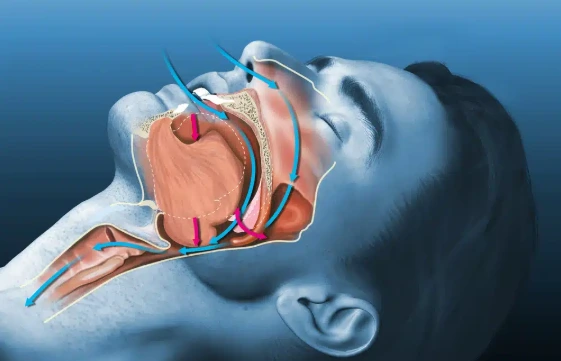
Most people think snoring is harmless. Annoying, sure. But harmless. It is not. For millions of people, that nightly snoring is a sign of something far more serious — a condition called sleep apnea. And if it goes untreated, it does not just ruin your sleep. It quietly puts your heart at risk, night after night, for years. The connection between sleep apnea and heart attack is real, it is significant, and it does not get nearly enough attention. What Exactly Is Sleep Apnea? Sleep apnea happens when your breathing repeatedly stops during sleep. Each pause can last a few seconds — or over a minute. And it can happen dozens of times an hour. Your body responds every time. Oxygen drops. Stress hormones spike. Your heart races. Then you gasp, your airway reopens, and the cycle begins again. Most people never know it is happening. They sleep through the whole thing. Or they wake up groggy, blame stress, drink more coffee, and get on with the day. That is the problem. Sleep apnea hides. And while it is hiding, it is doing real damage. Here Is What It Does to Your Heart Every time your breathing stops, your body kicks into emergency mode. Here is what happens inside: Oxygen levels in your blood drop sharply. Your brain triggers a surge of adrenaline to force your airway open. Your heart rate jumps and your blood vessels tighten. Blood pressure shoots up — sometimes dramatically. Now imagine that happening 30, 40, even 60 times a night. Every night. For years. Healthy people experience a natural drop in blood pressure during sleep. Their hearts get a break. People with sleep apnea do not get that break. Their cardiovascular system stays under stress from the moment they close their eyes to the moment they wake up. It is like running your car engine at high speed all night, every night, and wondering why it wears out faster than it should. Over time, that constant strain damages the walls of blood vessels, promotes inflammation, and speeds up the buildup of plaque inside the arteries. Those are the exact conditions that lead to heart attack and stroke. The Numbers Tell a Hard Story Those with untreated obstructive sleep apnea have a much greater risk of heart attack than people who don’t have it. The risk is even higher when sleep apnea occurs together with high blood pressure, diabetes, or obesity — conditions that commonly ride along with it. Sleep apnea is also the most frequent culprit in resistant hypertension. Which is to say, if a patient’s blood pressure is poorly responsive to medication, OSA may be the not-yet-identified culprit for everybody. And atrial fibrillation — a heart rhythm disorder that increases stroke risk — is much more prevalent amongst those with sleep apnea than the general population. The connection is not subtle. It’s repeated, it’s well documented, and it’s underappreciated, undervalued by patients and providers alike. Why So Many Cases Go Undiagnosed Sleep apnea can be cured. But most people who have it never get diagnosed. Why? Because the worst of it is while you are asleep. Your partner might tell you about the snoring. You may be tired no matter how many hours you get. But you blame it to a bad mattress, stressful week or just growing old. Daytime symptoms that don’t scream sleep disorder. They look like a hundred other things: You wake up with a headache. You’re Having a Hard Time Concentrating at Work You nod off during meetings or while watching TV. You are irritable or depressed for no apparent reason. You have to get up more than once in the night. Nothing could be easier to dismiss these signs. That is precisely why so many people’s sleep apnea goes undiagnosed—and why the heart silently takes the hit. What Diagnosis Actually Looks Like Getting tested for sleep apnea is easier than most would expect. A sleep study — known as a polysomnography — tracks your breathing, oxygen levels and heart activity while you sleep. This is done in a sleep clinic or, increasingly, in the patient’s home using a portable unit. The Apnea-Hypopnea Index, which calculates how frequently you stop breathing or your breathing becomes shallow per hour, is used to report outcomes. Treatment recommendations are based on mild, moderate and severe categories. The entire process is non-invasive. For many patients, one night’s worth of monitoring yields enough data to make a definitive diagnosis. Treatment That Actually Works The most widely used treatment is CPAP therapy — a machine that delivers continuous airflow through a mask during sleep, keeping the airway open all night. It sounds cumbersome. Many patients are skeptical. But those who use it consistently report meaningful improvements: better sleep, lower morning blood pressure, more energy, and in many cases, a measurable reduction in cardiovascular risk. For those who cannot tolerate CPAP, there are alternatives. Custom oral appliances worn during sleep can reposition the jaw to keep the airway open. Weight loss, cutting back on alcohol, and sleeping on your side can reduce apnea events significantly. In specific cases, surgical options may be considered. The point is: there are real options. The condition is manageable. But only if it is caught. Do Not Wait for a Bigger Sign Sleep apnea is not known for loud crashing signals, but if present it can be very severe. It operates gradually and quietly, eroding the cardiovascular system that much more before it causes anything that the patient can feel to go wrong. When you snore so loudly that you wake yourself up several times per night? When you feel tired to the point of collapse but you can’t for the life of you figure out why? When you’ve been told you stop breathing while you’re asleep — take it seriously. Not because it’s undoubtedly harmful. But because the test is cheap to get and it might make a big difference. Your heart is working 24/7. At least it should have one day of good rest. If you think you’re not sleeping
When a Patient Needs ICU Care: Signs That Require Immediate Attention
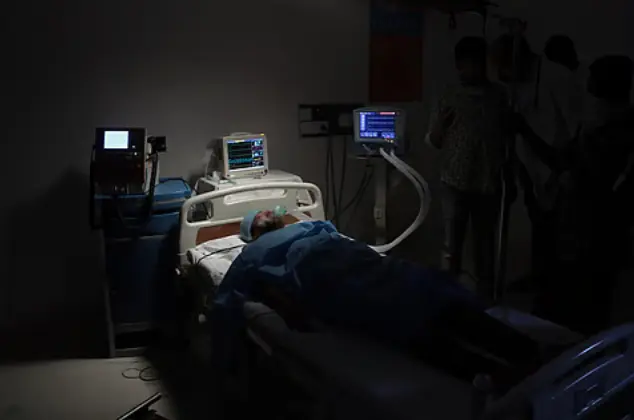
Patients who need more attention and require a higher level of medical care and additional medical procedures are referred to as ICU patients. Knowledge of when to call in the ICU is a life-saving factor. The majority of the life-threatening diseases are characterised by a rapid progression course, and early diagnosis guarantees early intervention. This Blog clarifies in what cases a patient has to receive ICU treatment, what to consider as risk factors, and what illnesses are prone to receiving intensive treatment the most frequently. What Is ICU Care? Intensive Care Unit is a unit that offers 24/7 services with special equipment and experts in the critical care unit. They should be provided with ICU care when their vital organs, like the brain, heart, lungs and kidneys, are in danger of failure. Patients in the ICU may require: Mechanical ventilation Continuous heart monitoring Emergency medications Organ support systems Post-surgical critical observation Common Conditions That Require ICU Admission A number of medical crises need urgent ICU attention: Critical infections and sepsis. Myocardial infarction or heart attack. Stroke Major trauma or accidents Severe pneumonia Organ failure Post-operative complications in major surgery. The following are the key indicators of a patient who could require ICU care. 1. Severe Breathing Difficulty Breathing problems are one of the most urgent reasons for ICU admission. Warning signs include: Rapid or very slow breathing Gasping for air Bluish lips or fingertips Severe chest tightness Oxygen levels dropping Conditions such as Acute respiratory distress syndrome and severe pneumonia can cause respiratory failure. Mechanical ventilation may be required to support breathing. 2. Sudden Chest Pain or Cardiac Symptoms Cardiac symptoms and sudden chest pain Serious heart conditions require immediate admission to an intensive care unit. Look for: Severe chest pain radiating to the arm or jaw Abnormal heartbeats Loss of consciousness Collapse Sweating and loss of consciousness. A myocardial infarction or a heart attack is an event that needs immediate intervention as well as immediate monitoring. Some patients have suffered a cardiac arrest and require monitoring in the ICU. 3. Uncontrolled High Fever with Infection Seeing a high fever and a rapid heart rate, along with confusion and/or low blood pressure, may indicate sepsis. Untreated, sepsis is a rapidly progressing, life-threatening response to infection that can result in the failure of multiple organs. Symptoms requiring ICU admission: Very high or very low body temperature Confusion or disorientation Rapid breathing Low blood pressure Reduced urine output Early ICU management improves survival rates significantly. 4. Sudden Neurological Changes Brain-related emergencies often require intensive monitoring. Seek immediate care if a patient experiences: Sudden weakness on one side Slurred speech Seizures Loss of consciousness Severe, sudden headache Conditions such as Stroke and traumatic brain injury demand rapid ICU intervention to prevent permanent damage. 5. Severe Trauma or Accidents Patients involved in major road accidents, falls, or injuries often require ICU care. ICU admission is necessary when there is: Heavy bleeding Multiple fractures Head injury Internal organ damage Shock symptoms Continuous monitoring helps manage complications and stabilize vital signs. 6. Organ Failure When one or more organs stop functioning properly, ICU support becomes essential. Examples include: Kidney failure Liver failure Respiratory failure Heart failure Acute kidney injury may require dialysis and constant monitoring. Multi-organ dysfunction requires advanced life-support systems available only in an ICU setting. 7. Post-Surgical Complications Following significant procedures like cardiac surgeries, brain surgeries, or organ transplants, patients are typically placed in the Intensive Care Unit for monitoring. Post-operative signs to watch out for include: Rapid decrease in blood pressure Uncontrolled bleeding Breathing difficulties Severe pain unrelieved by analgesics Irregular heartbeats 8. Extremely Low or High Blood Pressure Blood pressure that is dangerously too high or too low can lead to damage to the organs. Urgent medical attention is required for: Sustained systolic blood pressure lower than 90 mmHg Very high blood pressure with accompanying symptoms Fainting Severe headaches with blurred vision These symptoms may indicate shock, a hypertensive crisis, or bleeding that is not visible. 9. Altered Mental Status Changes in mental awareness are serious warning signs. ICU care may be required if a patient shows: Sudden confusion Extreme drowsiness Agitation Inability to respond Coma Such symptoms may result from infection, brain injury, metabolic imbalance, or oxygen deprivation. Who Is at Higher Risk of Needing ICU Care? Certain individuals are more vulnerable to critical illness: Elderly patients People with diabetes Heart disease patients Individuals with chronic lung disease Cancer patients Immunocompromised individuals Regular health monitoring reduces emergency risks. When to Seek Immediate Emergency Care Get help from emergency services without delay if the patient has: Severe trouble breathing Chest pain that lasts more than a few minutes Sudden weakness of one side of the body or a sudden inability to speak clearly Unconsciousness Continuous unresponsiveness Profuse Blood Loss It is life-threatening if treatment is delayed. Why Early ICU Admission Saves Lives Timely ICU admission allows: Careful tracking of vital signals. More prompt intervention if there is evidence that the patient is getting worse. Life-support treatments that are more sophisticated are available,. Loss of Organ functions is prevented. Strongly positive results are achieved through early intervention in critical care Conclusion It is important for the family and other persons responsible for the care of the Patient to be aware of the indicators that suggest the patient will soon need ICU treatment. Major warning signals include serious difficulties with breathing, problems with the heart, changes in the nervous system, uncontrollable infections and the deterioration of one or more organs. Immediate evaluation is critical if any are present.It is possible to save a life and avoid serious and prolonged complications by intervening early in the treatment process in a fully equipped Intensive Care Unit.
Common Kidney Problems: Early Warning Signs and Symptoms You Must Know
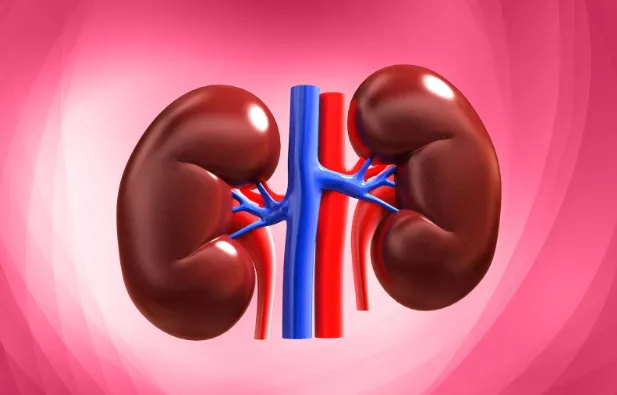
Your kidneys keep you healthy, and you owe it to them! Kidneys assist in fluid regulation, waste removal, blood pressure management,t and even the production of red blood cells. But routine Common Kidney Problemsare indeed insidious, and they are tempered in the early stages of the disease. You can catch kidney disease early enough to prevent kidney failure. For those who have a desire of best kidney treatment in chennai then your kidney function can be saved for the long term with correct diagnosis and proper treatment. What Are the Most Common Kidney Problems? Adults and children can also be affected by a number of diseases that affect the kidneys. The most prevalent diagnoses include the following: Chronic Kidney Disease (CKD) The chronic kidney disease is a gradual deterioration of kidney over some period of time. Diabetes and high blood pressure often cause it. The signs and symptoms of early chronic kidney disease include: Fatigue and weakness Swelling in feet and ankles Further urination especially during the night. Loss of appetite Itching that doesn’t go away High blood pressure They may not have any signs or symptoms of CKD in the early stages of the disease. Screening should then be conducted regularly for high-risk patients. Kidney Stones Kidney stone disease refers to the process of accumulating minerals and salts in the kidneys to produce hard deposits. A kidney stone has the following symptoms: Extreme lower back or side pain. Pain during urination. Hematuria Nausea and vomiting Frequent urge to urinate Small stones can be carried through natural passage. The larger ones however require medical help. Urinary Tract Infection (UTI) Urinary tract infection affects the urinary tract and may include the kidney without treatment. UTI symptoms include: Painful urination opaque urine or strongly smelling urine. Pelvic pain Fever and chills Prevention of kidney problems by early treatment. Kidney Infection Pyelonephritis is a life-threatening bacterial infection of the kidney or kidney infection. Here are some warning signs: High fever Intense backache Nausea and vomiting Weariness Blood in urine Early medical intervention is needed to avoid irreparable kidney damage. 5. Acute Kidney Injury (AKI) Acute kidney injury is a sudden decline in kidney function. It may occur due to dehydration, severe infection, or certain medications. Symptoms of AKI include: Reduced urine output Swelling in legs and face Shortness of breath Confusion Chest discomfort AKI is a medical emergency and requires urgent treatment. Early Warning Signs of Common Kidney Problems Recognizing kidney disease symptoms early can prevent kidney failure. Watch for: Changes in color or the number of times you urinate Foamy urine Swelling in the hands, feet, or face Ongoing fatigue Muscle pain Itchy, dry skin High blood pressure, you can’t explain If these signs do not go away, you should have your kidneys evaluated by a Kidney specialist in Chennai. Risk Factors for Common Kidney Problems You may be at higher risk if you have: Diabetes High blood pressure Heart disease History of kidney disease in the family Being overweight Chronic use of painkillers The habit of smoking High-risk individuals are advised to get regular check-ups for their health and kidney functioning. When to See a Kidney Specialist in Chennai Seek immediate medical attention if you experience: Blood in your urine Intense lower back pain Swelling that will not go away Sudden drop in the volume of your urine High fever and urinary symptoms Early diagnosis leads to better treatment outcomes and fewer complications. How to Protect Your Kidney Health Preventive care plays a major role in reducing kidney problems. Follow these kidney health tips: Drink adequate water daily Control blood sugar levels Maintain healthy blood pressure Reduce salt intake Avoid self-medication Exercise regularly Quit smoking Routine blood and urine tests help detect kidney disease in its early stages. Expert Kidney Care in Chennai In case of symptoms of kidney disease, a qualified nephrologist should be consulted at Meridian Hospital in Chennai. High-quality diagnostic services and prevention of early failure can be used to save the kidney performance and enhance the quality of life. Most frequent kidney diseases start unnoticed. Nevertheless, being aware of the first signs of kidney issues enables one to be diagnosed and treated in time. Both chronic kidney disease and kidney stones, as well as UTI and acute kidney injury, have a great number of severe complications that can be avoided when medical treatment is provided at an early stage. In case you observe chronic symptoms, consider seeking the services of a kidney specialist in Chennai to get professional help and treatment. FAQ What are the initial symptoms of kidney disorders? Some of the early signs are fatigue, swelling, changes in urination, and high blood pressure. Can kidney disease be cured? Kidney disease is a condition that can be treated at an early stage. Stages of high stages need special treatment. Who is supposed to receive tests regarding kidney function? Regular screening should be done for people with diabetes, increased blood pressure, or kidney disease in their family history.
Digestive Problems You Shouldn’t Ignore

Digestive problems are common. However, stomach problems should not always be taken lightly. Although some stomach problems may be minor and pose no health risks, some may be signs of very serious digestive system problems. In the case of Meridian Hospital, early diagnosis and treatment may be applied to prevent small digestive health problems from becoming large problems. Early detection of warning signs may save your health in the long term. Why Digestive Problems Should Never Be Ignored The digestive system is essential for both nutrition and waste removal. When the gut goes bad, it impacts everything, including your energy, immune system, and general health. While numerous individuals consider the recurrent pain as fleeting, symptoms of long-lasting digestive problems can be sign of ulcers, infections or inflammatory diseases. Hence, prompt medical attention is needed. Common Digestive Problems You Shouldn’t Ignore Persistent Abdominal Pain Occasional irritation can be caused by simple diet offenders. Persistent stomachache causes could be ulcers, gallstones, pancreatitis or inflammatory bowel disease. If the discomfort lasts for more than a couple of days or pain is unbearable, then it could be symptoms of advanced stage digestive ailment, and you should get your bowels checked at Meridian Hospital. Chronic Acid Reflux and GERD Regular heartburn is a key symptom of GERD (gastroesophageal reflux disease). Over time, when acid reflux occurs too much, it can wear out the esophagus. Hence, chronic reflux should be evaluated by experts so as to prevent any long-term complications. Long-Time Constipation or Diarrhea Alterations in bowel routine may be a sign of trouble. Prolonged diarrhea or chronic constipation for more than three days could be a sign of infection or of symptoms of irritable bowel syndrome. And if you experience both constipation and diarrhea, you definitely want to have this checked out. Blood in Stool Bleeding from the rectum is one of the worst signs of digestive trouble. The causes of blood in stool can be as simple as hemorrhoids, or as complex as an ulcer or a sign of colon cancer. Since this can be sign of a serious disease, you should receive medical help immediately. Unexpected Weight Loss Unintended weight loss with no modification in diet can be associated with severe digestive system disease such as liver or pancreatic disease. A diagnosis is needed sooner rather than later if you have any combination of fatigue, nausea that won’t go away. When to See a Doctor for Stomach Pain Knowing when to go to the doctor for stomach pain can save lives. Seek emergency care if you have: Severe or persistent abdominal pain Repeated vomiting (vomiting more than twice in 4 hours) High fever and gastrointestinal symptoms Dehydration Sudden and either severe or worsening pain A specialized emergency team at Meridian Hospital guarantees you will be evaluated and treated without delay. Advanced Diagnosis at Meridian Hospital A correct diagnosis is the basis for successful therapy. High end diagnostics at Meridian Hospital include: Endoscopy Colonoscopy Ultrasound imaging CT scanning Laboratory investigations Visit a leading Gastroenterologist in Chennai to get an accurate diagnosis for your symptoms and receive care tailored to you. Why Choose Meridian Hospital for Digestive Care? As a trusted healthcare provider in Chennai, Meridian Hospital offers: Experienced gastroenterology specialists Modern endoscopy suites 24/7 emergency services Multidisciplinary medical support Comprehensive surgical backup Known as one of the Best multispeciality hospital in chennai, Meridian Hospital specializes in full spectrum digestive care. Locals say it is the Best hospital in Kolathur too because of easy access to high tech medical care. Treatment Options for Digestive Problems The treatment depends on the diagnosis. Options may include: Lifestyle and diet changes Medicines by prescription Endoscopic procedures that are minimally invasive Laparoscopic surgery that is advanced Timely prevention stops small and temporary gastrointestinal issues trouble from turning into an ongoing illness. Tips to Maintain Digestive Health To keep your digestive system healthy, you need to keep up healthy habits over time: Eat a healthy, balanced diet that is rich in fibre Stay hydrated Get regular exercise Stress management Say no to excessive drinking and smoking Regular consultation at Meridian Hospital goes a long way in detecting early signs of digestive diseases before it develops into more serious complications. Almost all the digestive disorders start with mild symptoms and can get worse if not treated. Long-term pain, bleeding, reflux or unexplained weight loss should be seen straight away. If the symptom of your digestive health is longlasting, visit specialists at Meridian Hospital for best diagnosis and treatment. Early detection saves lives.Book your don’t delay appointment today and put your digestive health first! FAQ What are the severe symptoms of digestive conditions? Severe abdominal pain, vomiting for a long time, blood in stool, and losing weight without reason might signal you have a serious disorder of the digestive system. When to see a doctor for digestive problems? In case the symptoms persist for more than 3 to 5 days or if the symptoms are aggravating, get an expert evaluation without delay. Why Meridian Hospital for the treatment of digestive issues? Meridian Hospital is equipped with a state-of-the-art diagnostic facility and skilled doctors to cater best emergency services round the clock. It also ranks as the best multi-speciality hospital in Chennai.
Understanding Arthritis Pain in Cold Season
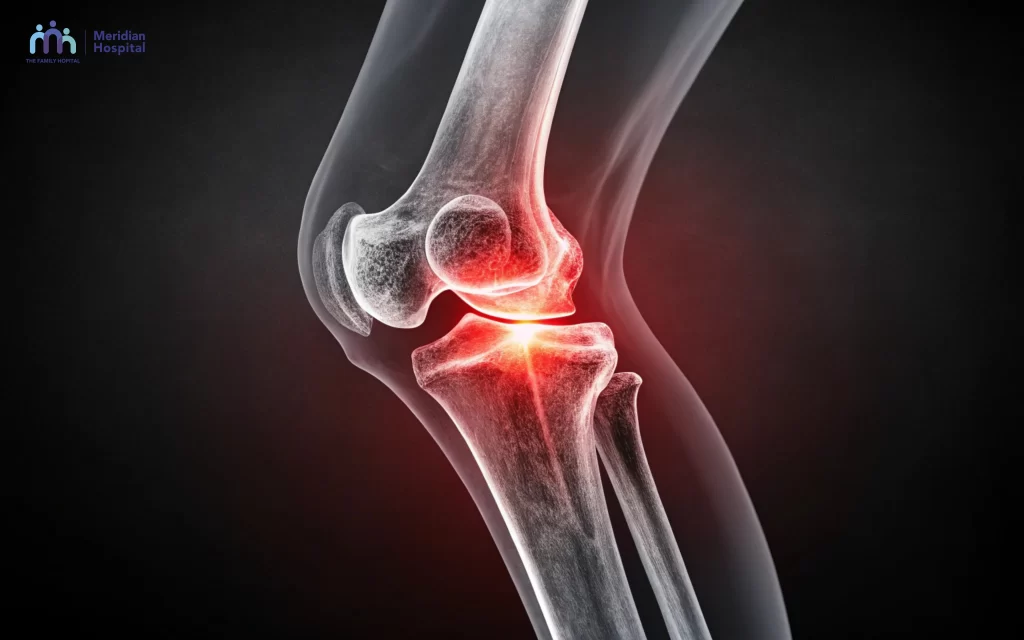
Arthritis patients experience that their arthritis pain becomes more severe in colder seasons. Arthritis pain in cold seasons is no new issue, especially for the senior population, as well as patients with chronic arthritis. Reduced temperature, lack of exercise, and a change of lifestyle that accompanies the season could contribute significantly to increased stiffening, as well as increased inflammation, of the joints. In this blog, it is discussed how arthritis pain occurs, the symptoms it usually presents, treatments that need to be taken at home, factors involved in the treatment of arthritis cold season pain, and preventive methods to keep the patient active and comfortable throughout the cold season. What Is Arthritis? Arthritis is called as such even though it means the inflammation of one or more joints, which results in pain, stiffness, swelling, and reduced movement. Anyone, both the young and the old, can suffer from it. The type that one experiences may be either gradual or sudden. Arthritis is one of the leading causes of chronic joint pain or disability of the joints in the world. Furthermore, it brings about disabilities of movement, and in severe cases, it causes permanent damage to the joints. Common Types of Arthritis Osteoarthritis Osteoarthritis is a common form of arthritis and is characterized by a slow wearing down of the cartilage that cushions the ends of bones in your joints. When that happens, the pain may be in the knee, the hip, the back, or the hands. This discomfort is typically Rheumatoid arthritis Rheumatoid arthritis is a symmetrical autoimmune disease that targets the synovium, the joint lining. That lining, known as the synovium, is under attack and can become inflamed, swollen, and lose its ability to function. Joint stiffness and deformity may develop, and ultimately, loss of function may ensue. Cold Season may worsen the symptoms of this disease and joint pain. Psoriatic arthritis Psoriatic arthritis may also be combined with the skin condition psoriasis. Among these are pain in the joints, changes in the skin and changes in the nails. The pain is aggravated by joint pain when it is cold outside. Gout Gout occurs due to uric acid, which develops crystals within the joints. This causes severe joint pains, particularly in the big toe. During the cold season, a person can be driven to attack, and this can be as a result of dehydration, over-indulging in food or too much alcohol. Why Does Arthritis Pain Increase in the Cold Season? Cold Weather and Joint Rigidity Colder weather causes muscles, tendons, and ligaments to contract. As flexibility diminishes, stiffness builds around the joints, so painful arthritic symptoms become more pronounced – especially on waking. Changes in Barometric Pressure Decreases in barometric pressure ( atmospheric pressure)The tissues of the joints expand marginally. This expansion causes increased pressure and pain in inflamed joints. This explains why the pain in joints from cold weather may usually get worse before or during any weather change. Reduced Physical Activity Very common during the coldseason, a decrease in movement due to cold weather is another reason for increased joint stress, with musculoskeletal pain and worsening of joint stiffness due to lack of movement Poor Blood Circulation in Cold Weather Cold leads to vasoconstriction (narrowing of blood vessels, resulting because muscles contract), thus reducing blood flow to the extremities. Less circulation increases pain sensations and retards recovery, increasing arthritis symptoms. Common Cold Season: Arthritis Symptoms People with arthritis pain during the cold season may feel: Constant mental and physical joint pain Stiffness and swelling in the joints, particularly in the morning Swelling and irritation worsened Decreased motion range Tired and achy Trouble walking and holding things Such symptoms tend to be more intense in individuals whose joints are already inflamed or who suffer from later-stage arthritis. Home Remedies for Arthritis Pain in the Cold Season Stay Warm and Layer Up The heat from the joints relieves stiffness and pain. You can ease the pain of arthritis in the cold by layering up with thermals, gloves, knee-high socks and socks and the like. Regular Gentle Exercise Flexibility of the joints is maintained by low-impact exercises like walking, stretching, yoga practice, and indoor exercises. Frequent exercise will decrease cold-season arthritis pain and increase circulation. Hot Compress and Warm Baths Heat treatment helps to relax muscles and to raise blood circulation. Hot baths and hot compresses are good in relieving joint pains during the cold season. Joint Health cold season-Friendly Diet. A proper diet that is full of nutrients will help lubricate the joints and it decreases inflammation. The hydration is also critical even during cold weather. Maintain a Healthy Weight Obesity causes extra weight on the weight-bearing joints, such as the knees and hips. Weight management is very crucial in the pain management of arthritis in the long term. Foods That Help Reduce Arthritis Inflammation Omega-3 Rich Foods Fish rich in fat, flaxseed, and walnuts are nature’s treatment for inflammation and arthritis pain. Vegetables and Fruits According to Season The kale, carrot, orange, and berry are all very good antioxidants, which help to maintain both the joints and the immune system. Spices Pounded turmeric, ginger, and garlic work together to reduce the swelling and make the joint more pliable. Not Recommended Food in the cold season Junk food, sweet snacks, low-quality carbs, and too much red meat can all make the inflammation of the joints and the pain associated with it worse. Medical Treatment Options for Cold-Season Arthritis Pain Pain Relief Medications The prescription of medications to mitigate inflammation and control pain may be tailored to individual requirements. Under medical care, these arthritis medicines to treat joint pain should be taken religiously. The use of drugs to reduce inflammation and pain can be customised. In a supervised environment, you should follow these arthritis medicines to treat joint pain. Physiotherapy and Rehabilitation Arthritis pain physiotherapy enhances joint strength, flexibility and motion. It reduces stiffness and prevents further joint damage with regular use. Joint Injections Joint injections can also be used to relieve pain in cases of extreme discomfort, they help reduce inflammation and provide longer-lasting relief. Advanced Arthritis Treatments Orthobiologics Contemporary therapies,